
“Community health: the foundations of health democracy” — L’Initiative’s new podcast series
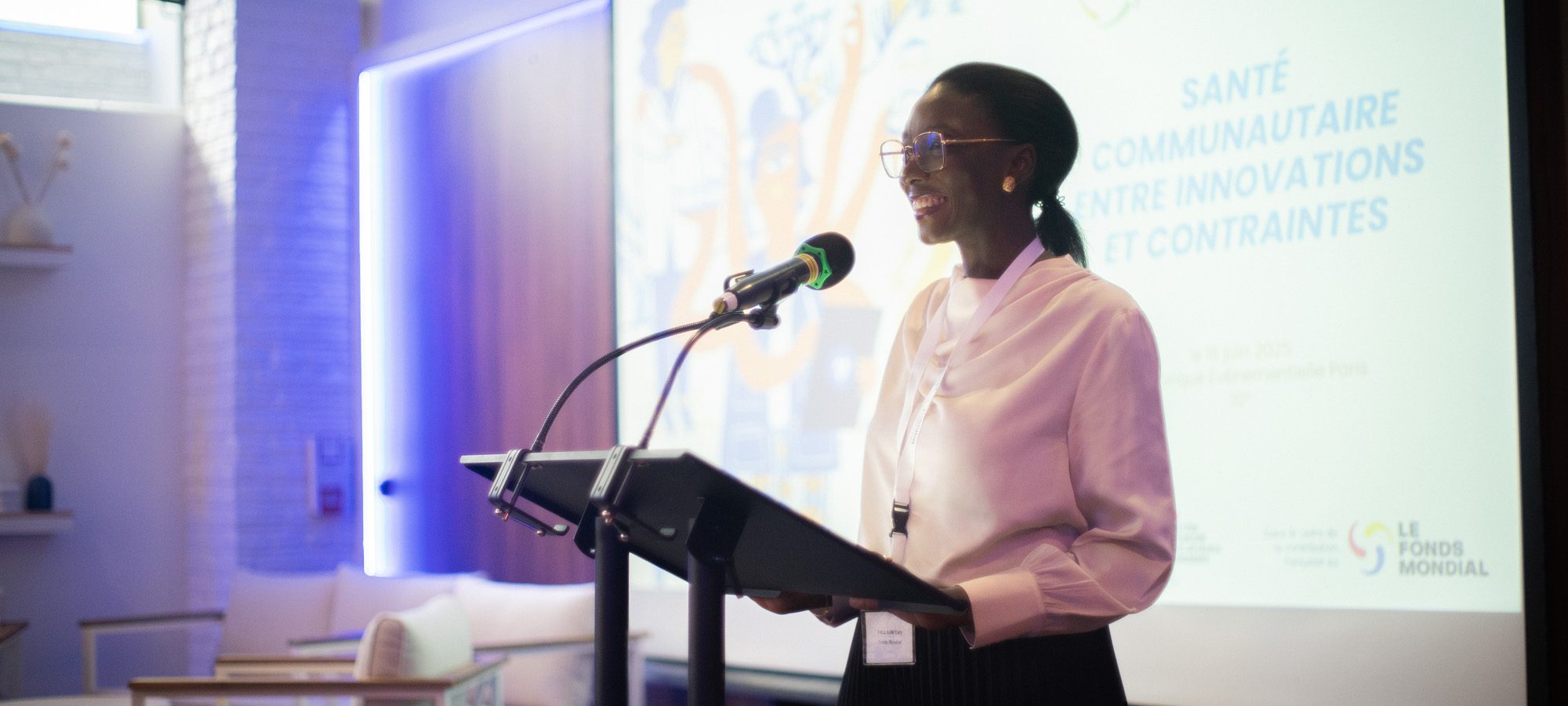
Following the 2025 scientific day — organised by L’Initiative and centred on “Community health: between innovation and constraints” — a podcast series invites listeners to go in-depth with practitioners, researchers and community actors. In one introduction and four episodes, the series explores community health as a cornerstone of access to care, its tangible contributions (notably in crisis contexts), and the reforms needed to make it sustainable.
A story, a principle: back to the roots of participation
Community health has a long history and finds a political definition in the Alma-Ata Declaration (1978), which states that “every human being has the right and duty to participate individually and collectively in the planning and implementation of the care to which they are entitled.” The podcast’s introduction asks the central question: how can we give communities a voice and a place to improve access to care? It traces this historical thread and frames the current challenge: turning community gains into rights and sustainable policies in a context of shrinking funding.
Four episodes — a deep dive into action and decision-making

Episode 1 — Community health, a key link in access to care
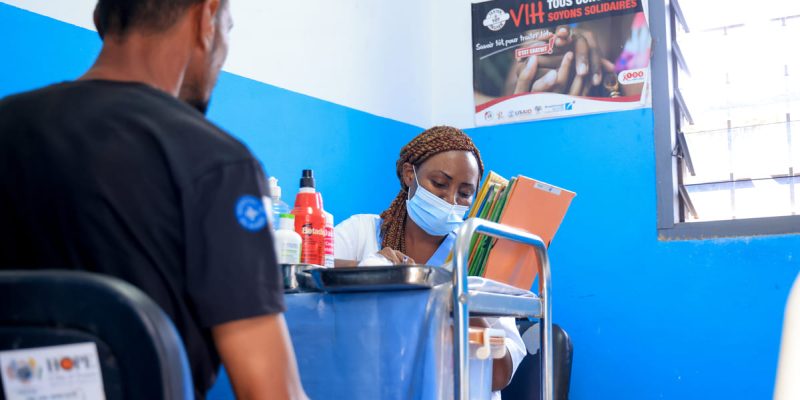
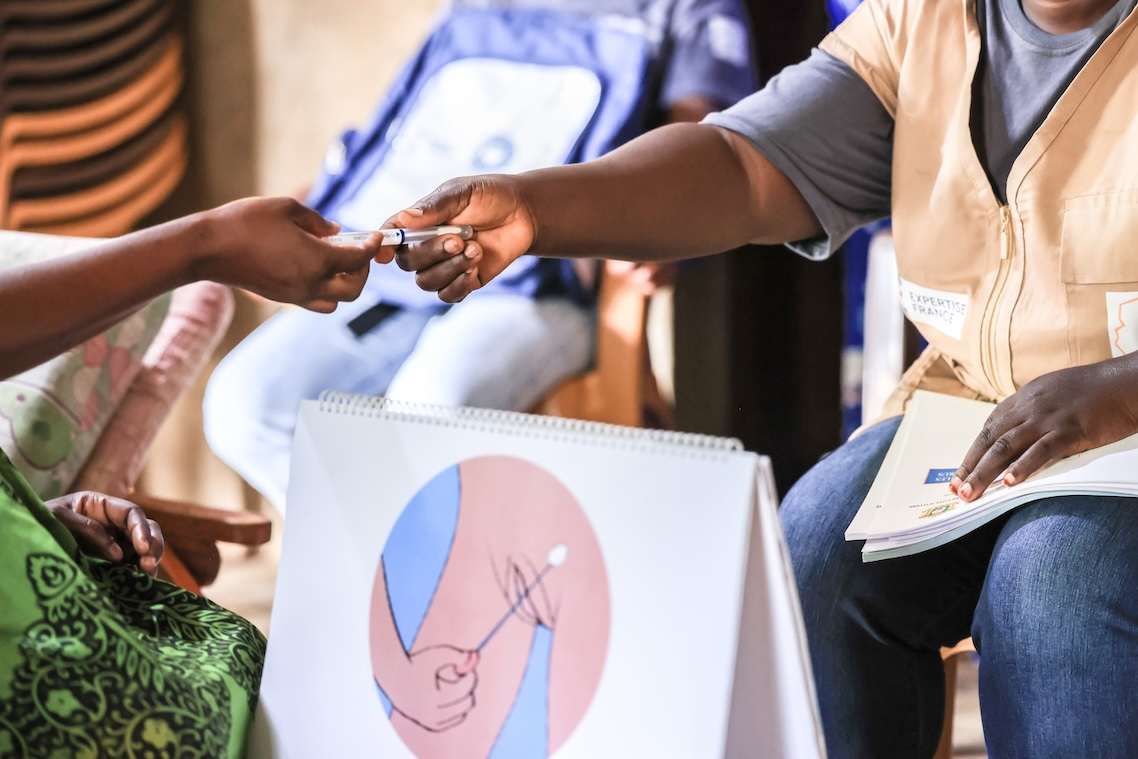
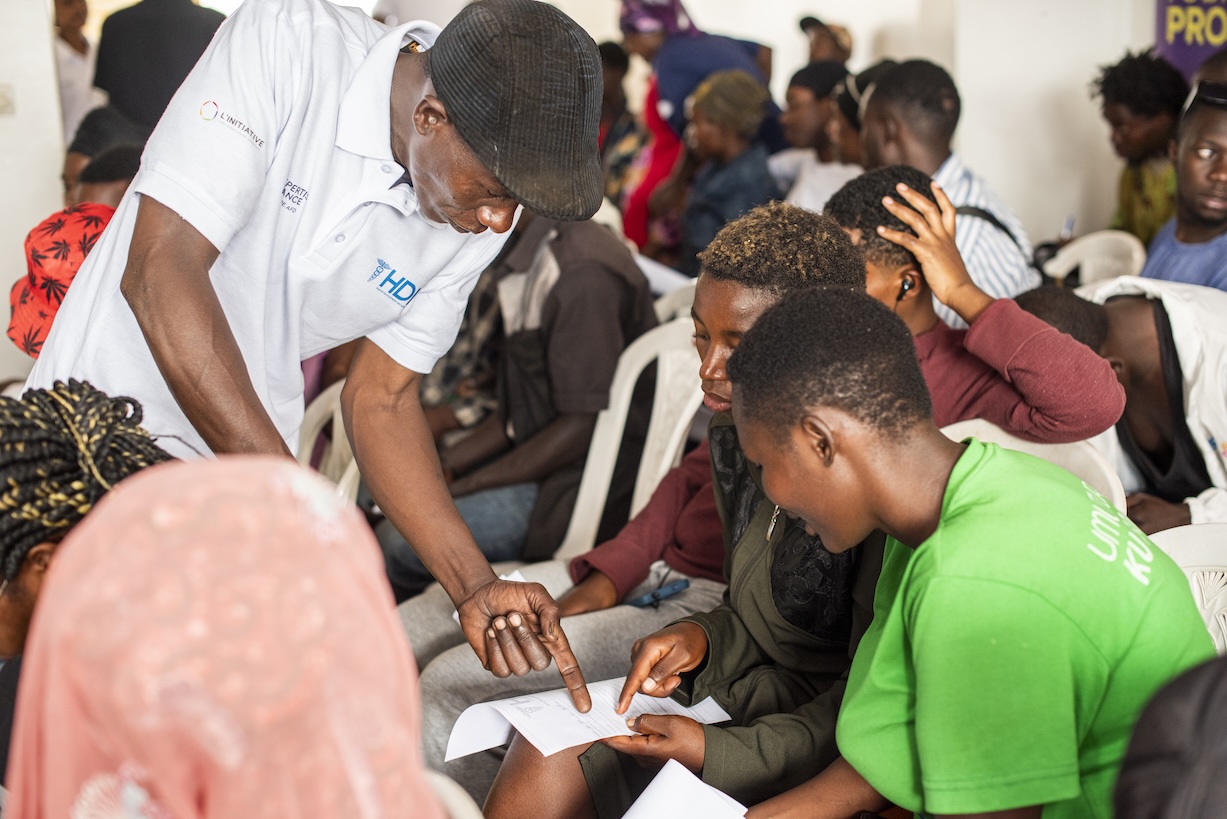
Why talk about “community health” today? In this opening episode, researchers and field actors ask how to define, legitimise and value this often invisible link — from peer educators to frontline outreach workers. Listen to Serge Douomong Yotta, Eric Fleutelot and Fatoumata Hane discuss trust, the concrete role of community relays and what it means to formally recognise these skills within health systems.

Episode 2 — Community health workers: indispensable in times of crisis
Humanitarian crises, displacements, climate shocks — what do communities do when formal systems falter? With Serge Douomong Yotta, Fatoumata Hane and Lundi-Anne Omam, this episode explores community resilience in extreme situations — pandemics, conflicts, displacement and climate-induced chaos. Testimonies from Cameroon, sociological insights and innovation pathways (prevention, mobile services, advocacy for new approaches) show how communities ensure continuity of care.

Episode 3 — Women as actors and priority beneficiaries of community health
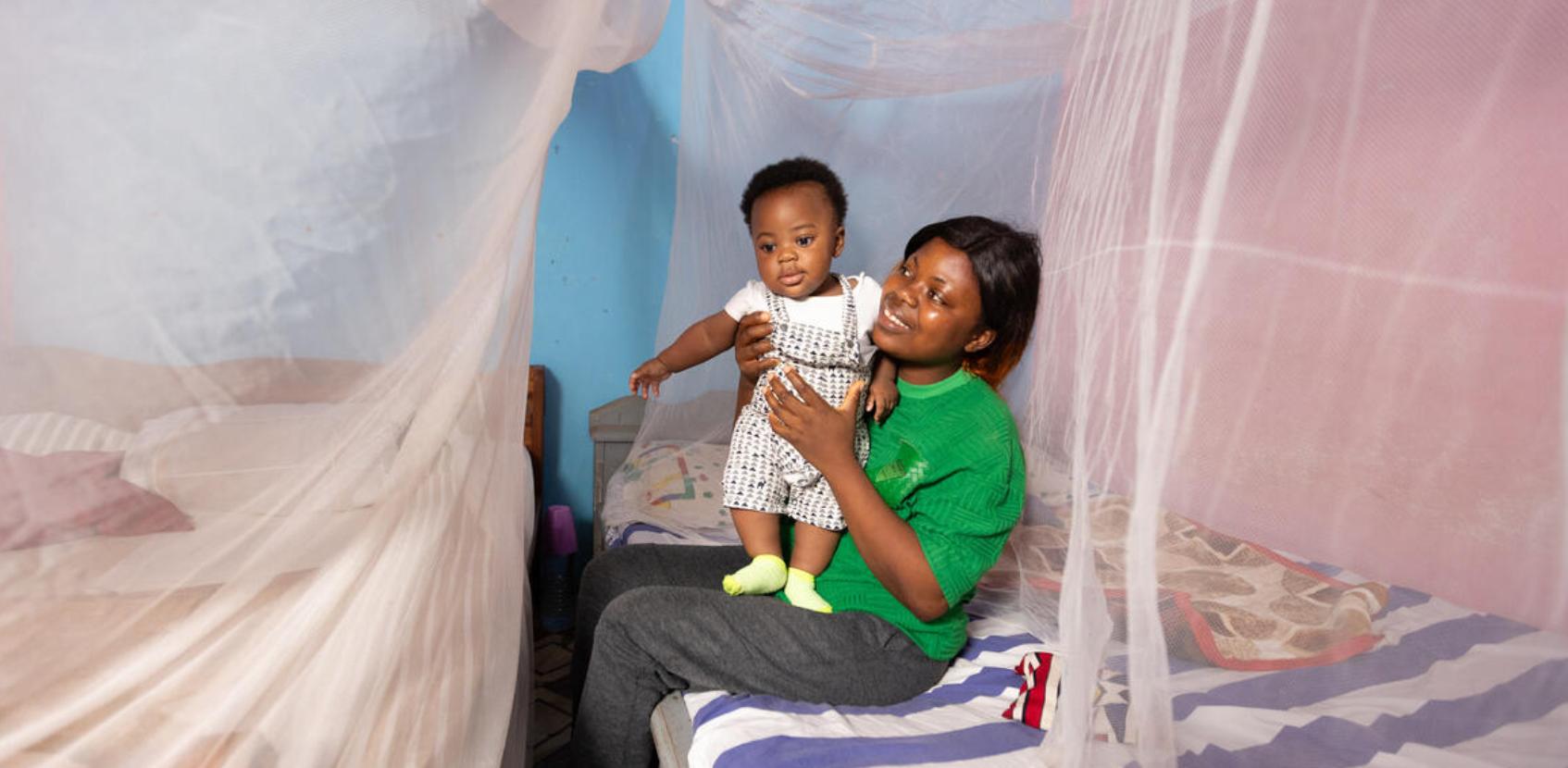
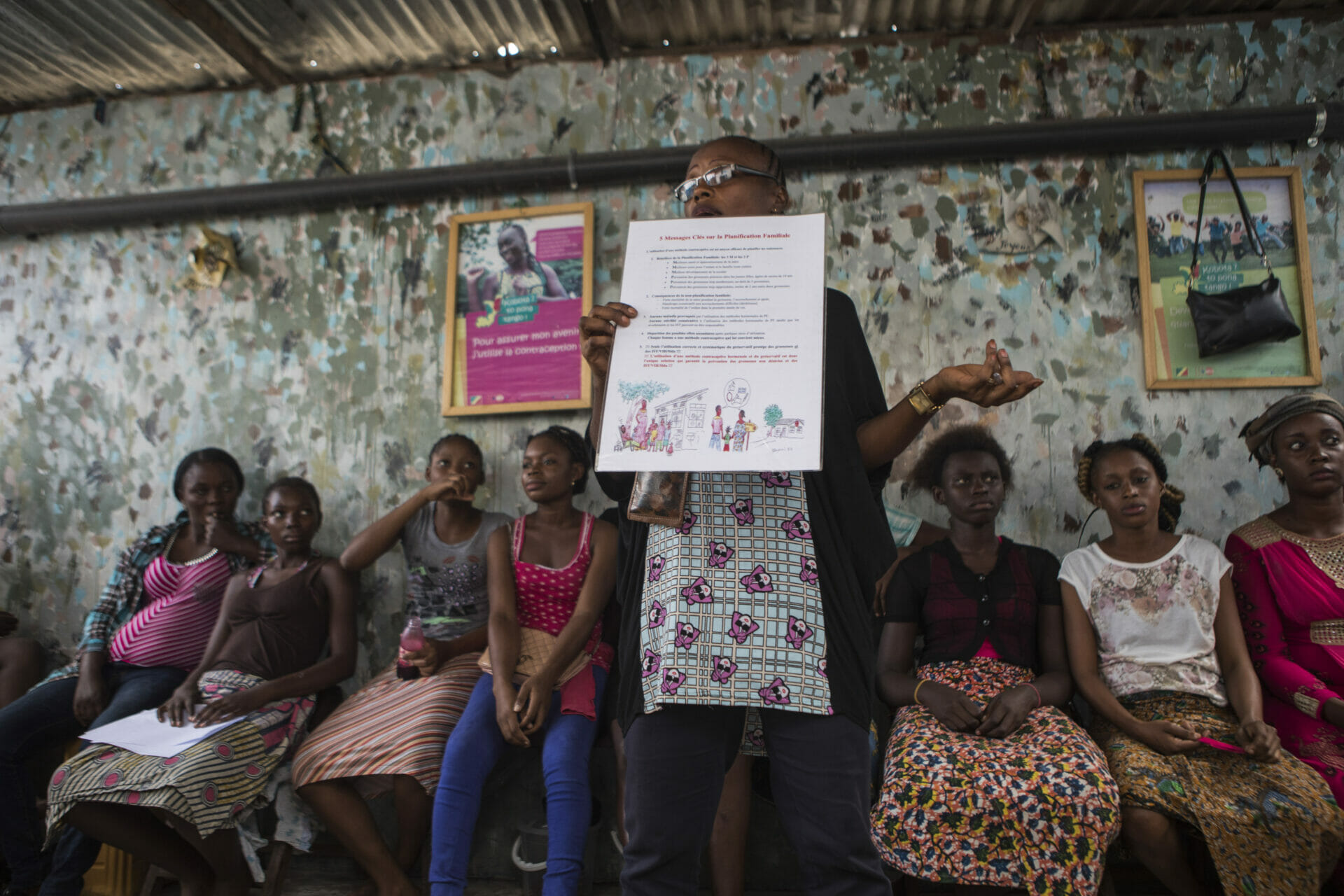
Community health is predominantly practised by women and has very specific impacts on women and girls. Eric Fleutelot and Victorine Sehi Beguide discuss single-sex spaces, safe spaces, sexual and reproductive health, and the empowerment of female community workers. This important, pragmatic episode shows why integrating gender is not a detail but a condition of effectiveness.

Episode 4 — The need to recognise community health workers’ labour
Community health workers are essential and their work is called upon by both the public and authorities. But how are they recognised? Is their trust-based, detail-oriented work protected by institutions and fairly paid? There are strong disparities between countries, despite clear evidence of the effectiveness of their contribution. In this final episode, Serge-Brice Assi, Serge Douomong Yotta, Eric Fleutelot, Fatoumata Hane, Lundi-Anne Omam and Djibril Sy explore the legal and economic challenges facing these workers and propose avenues for action.
Community health: the foundations of health democracy
L’Initiative’s new podcast series, “Community health: the foundations of health democracy”, looks at how to implement health strategies that originate in the field and speak the language of communities — strategies shaped not only by decision-makers but, crucially, by the people most affected. Adopting a community health approach means giving voice to members of the same group — geographic, social and/or economic — so that they can express their needs and take part in planning, implementing and evaluating the health services that aim to meet them.
This series — one introduction and four episodes — is available on L’Initiative’s website and on all major listening platforms.