
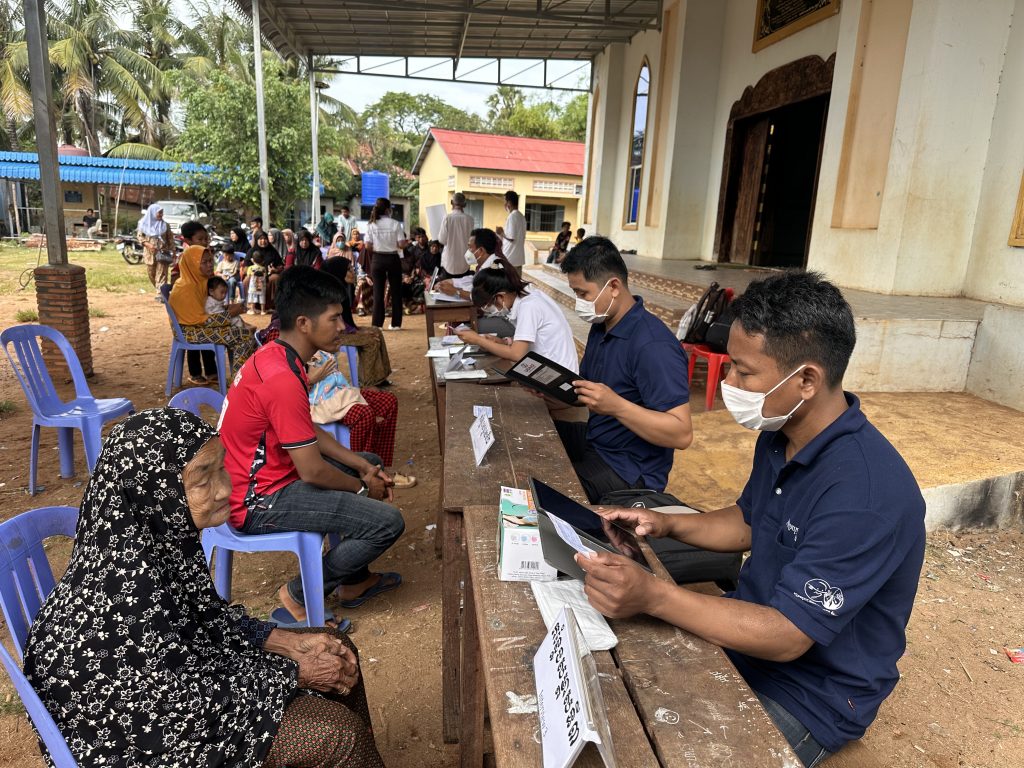
SHIFT-TB implements population-wide active case finding (ACF) and integrated risk-factor services across two regions (90 villages and 40 health centres) in Cambodia, decentralising TB management information system (TB-MIS), strengthening primary care and generating operational evidence on pediatric screening and nutrition to accelerate local elimination and national scale-up.
Context
Cambodia remains a one of the high TB burden countries (≈335/100,000 in 2024) with roughly 40% of cases undetected or unreported. Many people have few or no symptoms, diagnostic access is uneven and services addressing TB risk factors (undernutrition, HIV, diabetes, smoking, harmful alcohol use) are fragmented; community TB activities have weakened after donor reductions. Recent evidence shows population-wide ACF can sharply reduce TB prevalence when combined with strong local systems.
Description
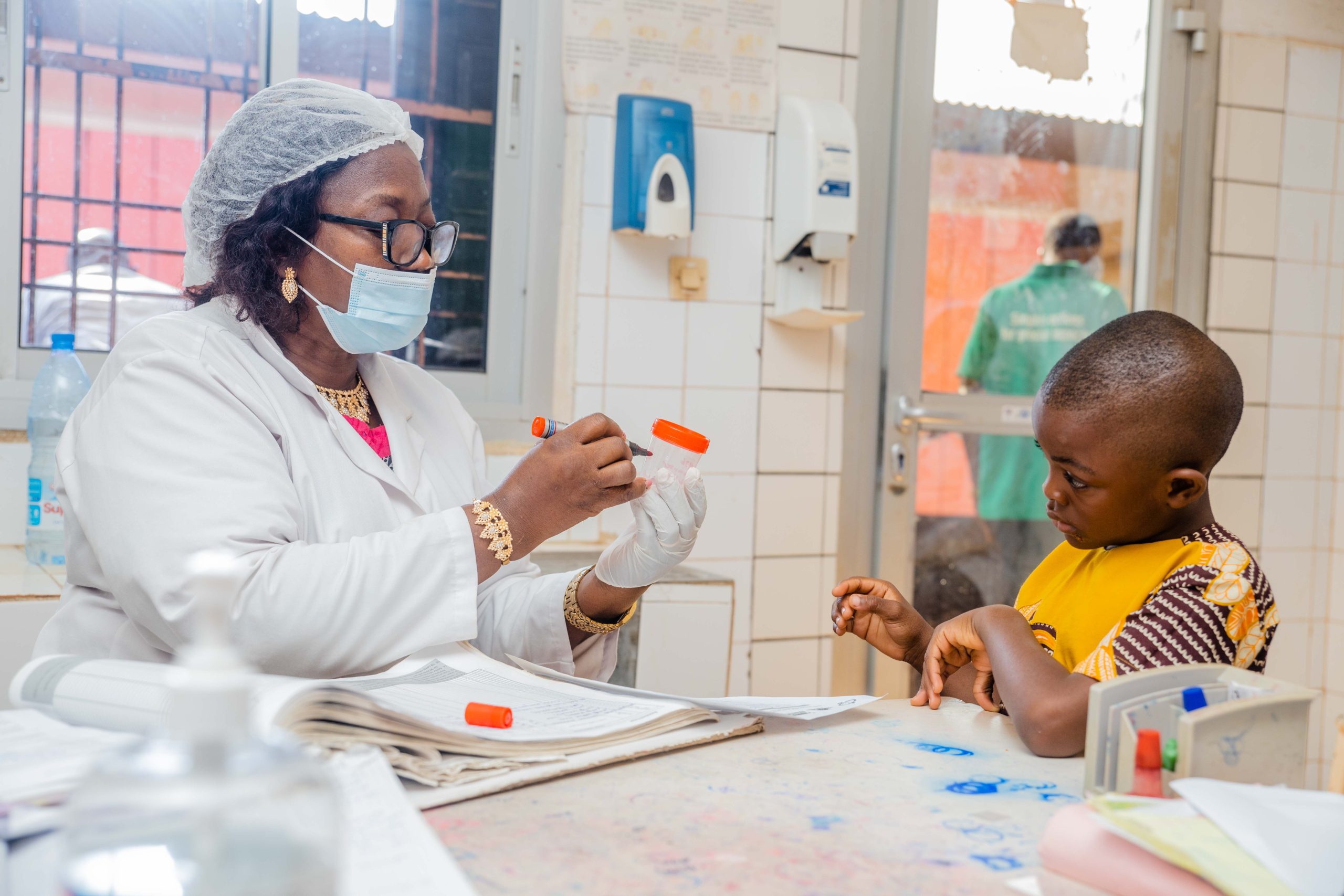
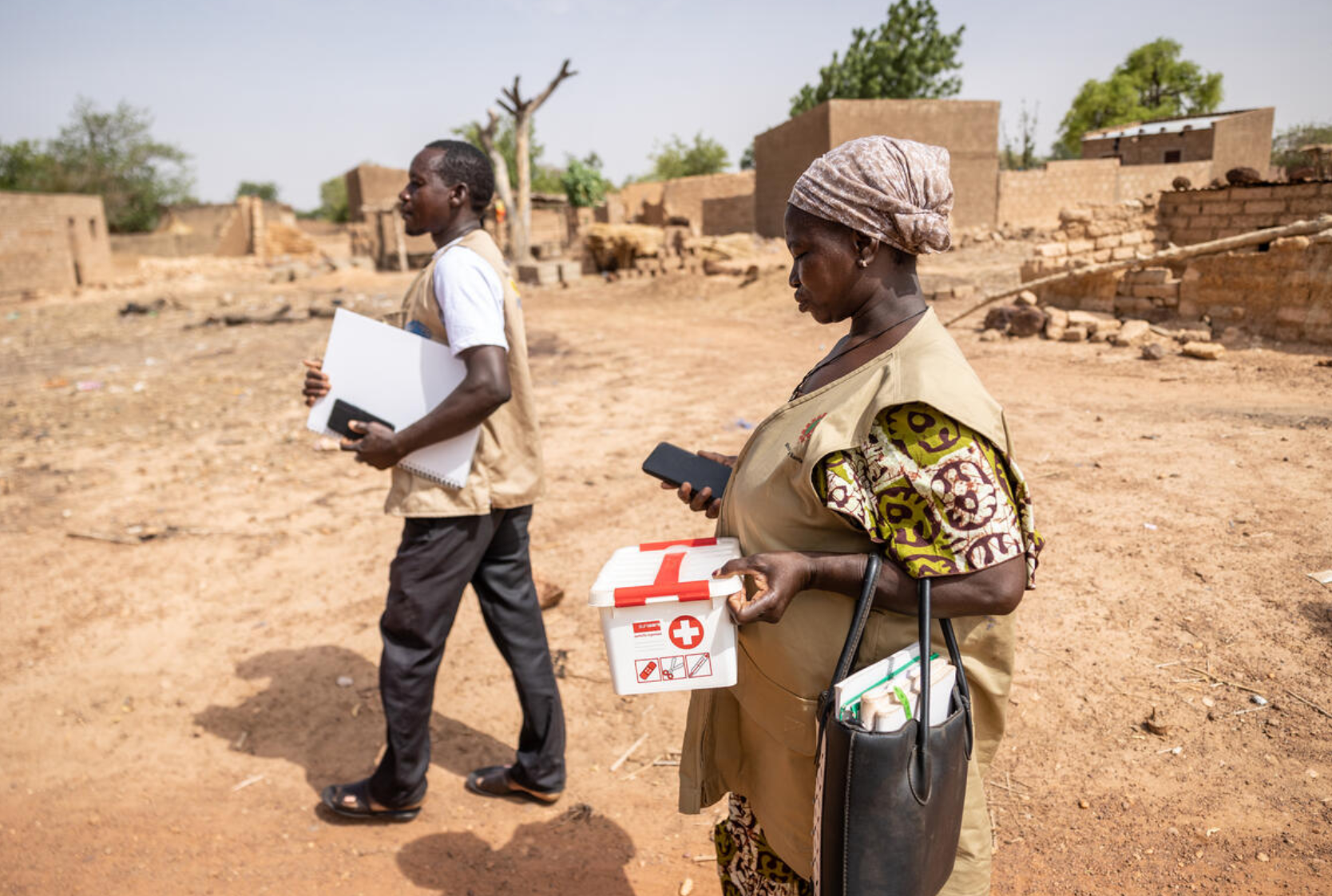
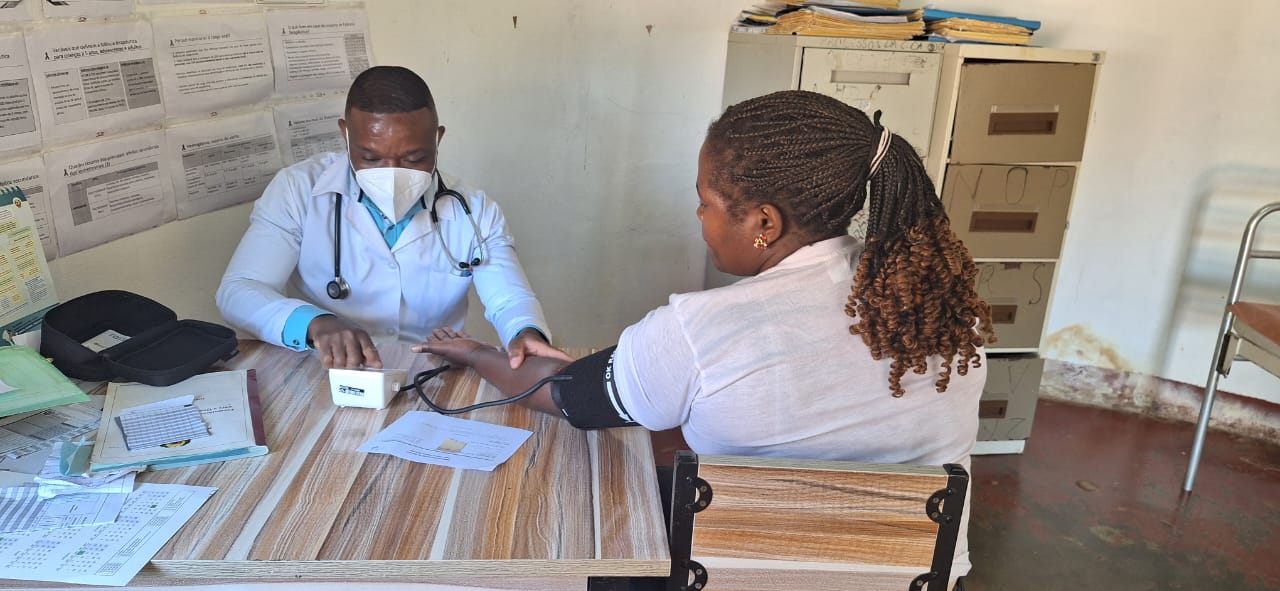
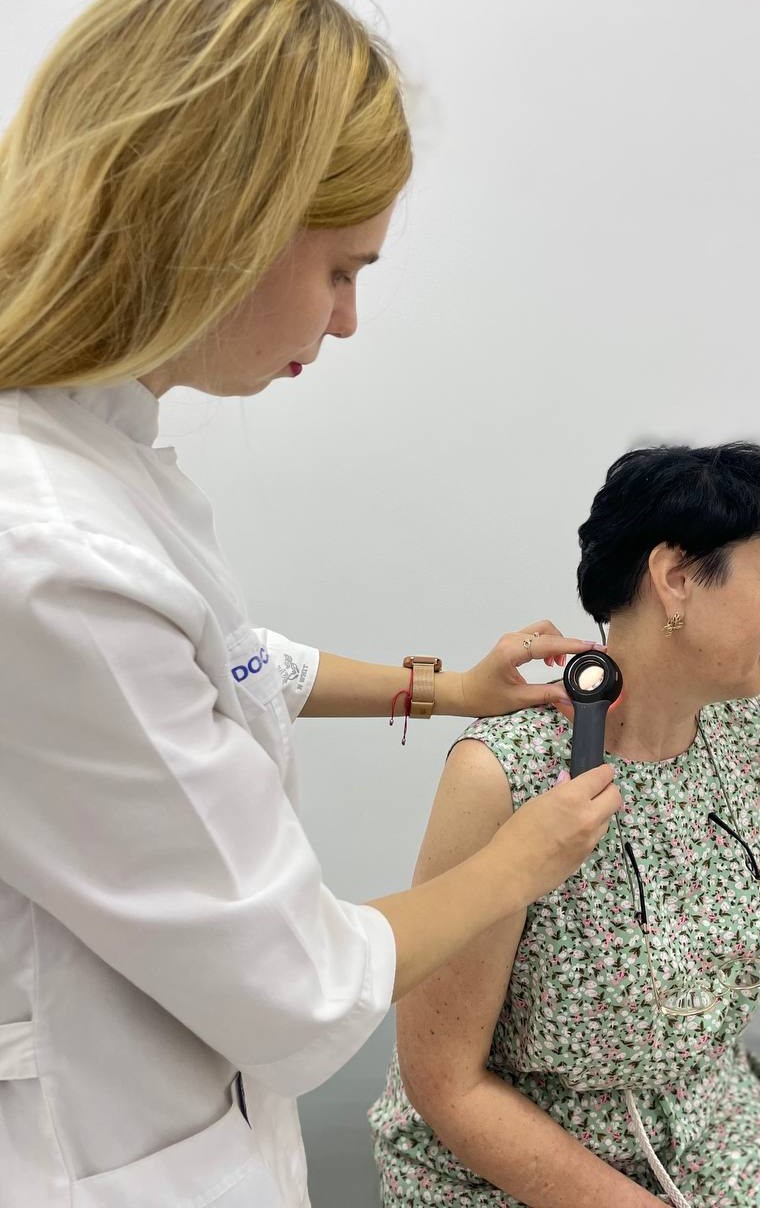
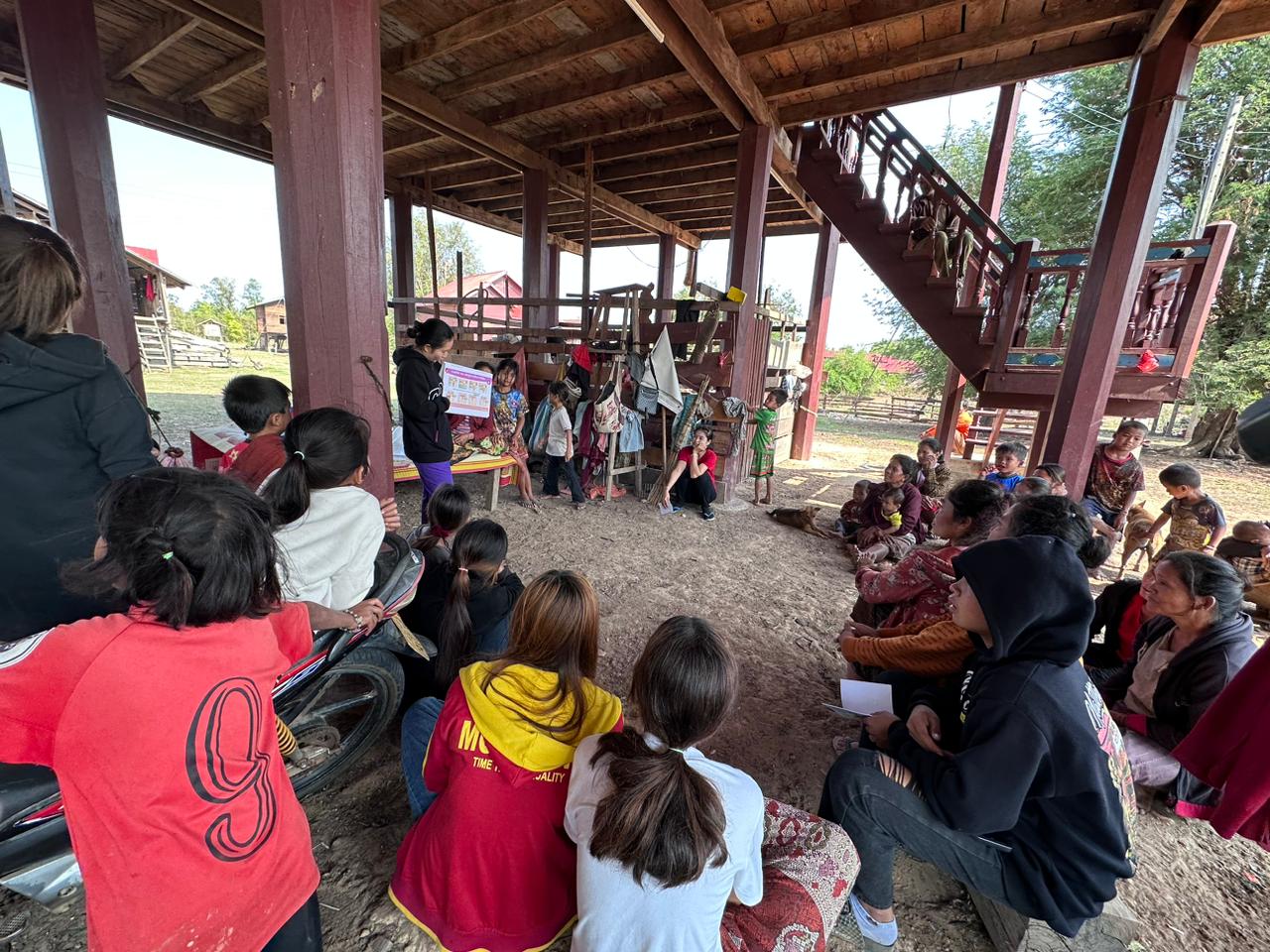
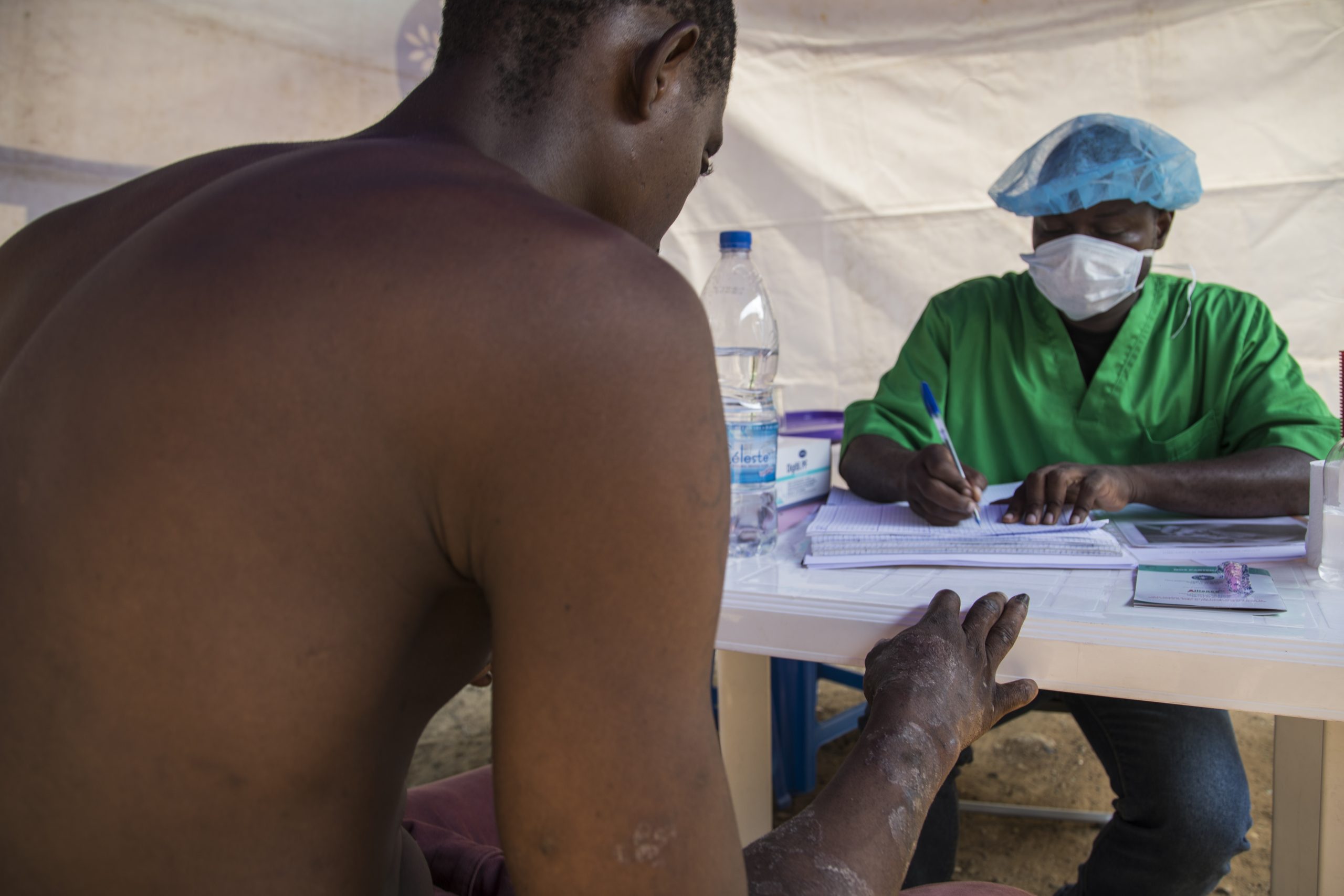
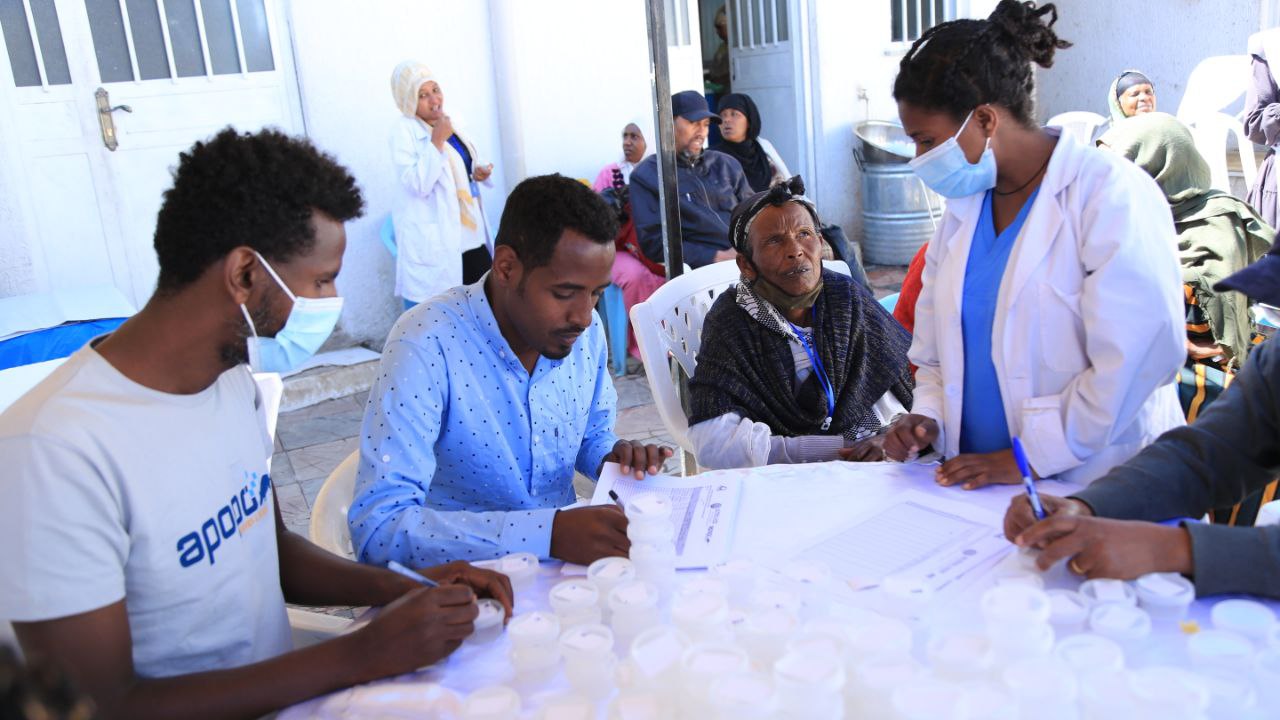
SHIFT-TB strengthens multisectoral partnerships (national and local authorities, NGOs, universities and civil society) to reinforce Cambodian health systems through community-centred, population-wide ACF for TB combined with integrated services for key risk factors (undernutrition, HIV, diabetes, smoking and harmful alcohol use). The project conducts annual ACF rounds in selected villages and health centres using chest X-rays with computer-aided detection and rapid diagnostic tests, and links people with positive results to prompt treatment and community-based support. It decentralises the national TB-MIS to primary facilities and trains health staff and community volunteers in standard operating procedures, data entry, patient referral and gender-sensitive care. Operational research on child-friendly sampling methods and targeted nutritional support is embedded in implementation, with findings and practical guidance fed back to local teams to improve delivery, acceptability and models of integrated primary-level care, all aligned with national TB strategy and Global Fund activities.
Impact
The project reduces undiagnosed and untreated TB by accelerating detection and linkage to care, thus interrupting transmission locally. It strengthens primary-level capacity and community delivery while deploying a usable digital TB-MIS that improves data timeliness and quality for managers and clinicians. SHIFT-TB also generates practical evidence on pediatric screening and nutrition interventions to inform policy and support national scale-up.