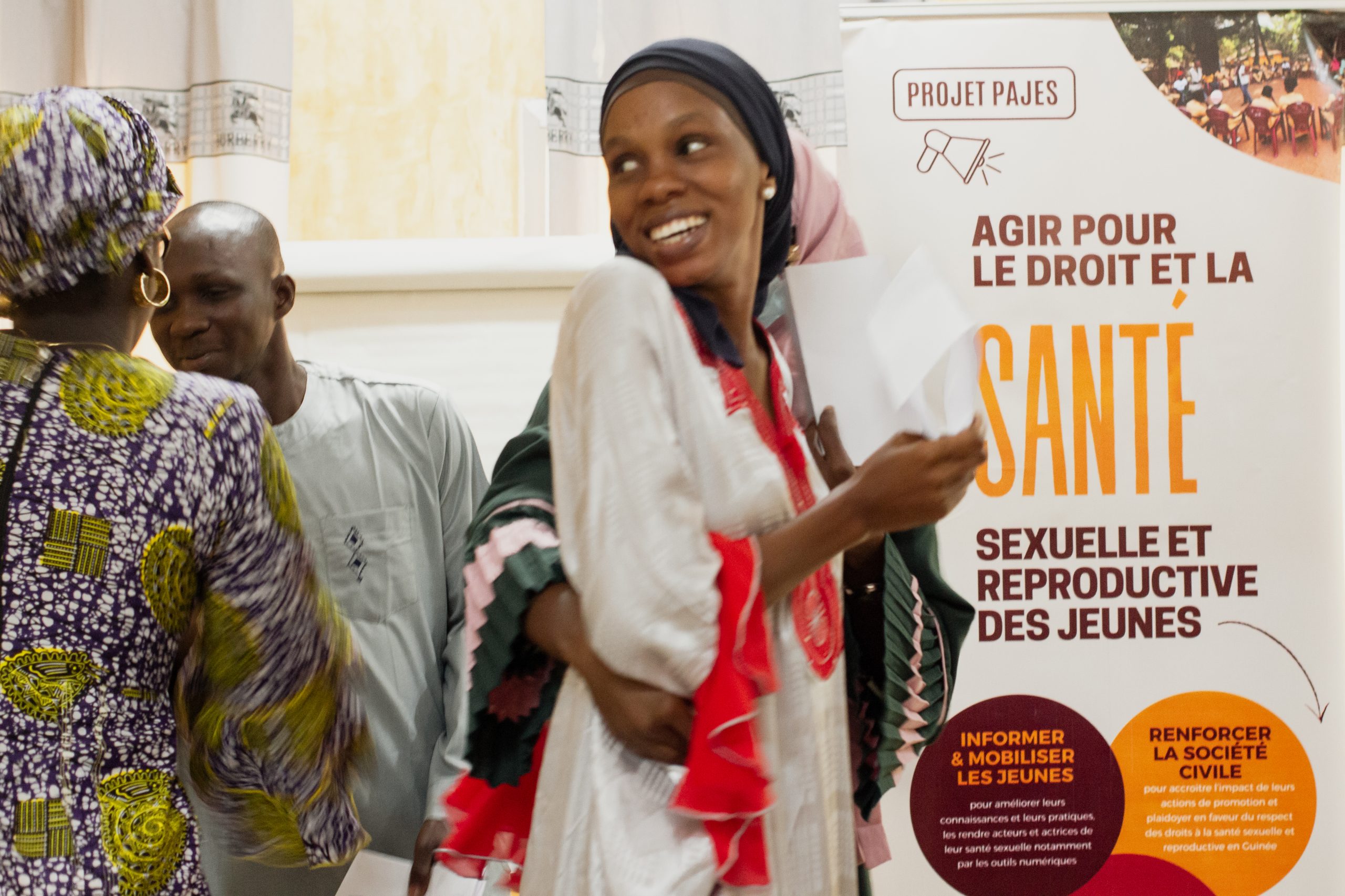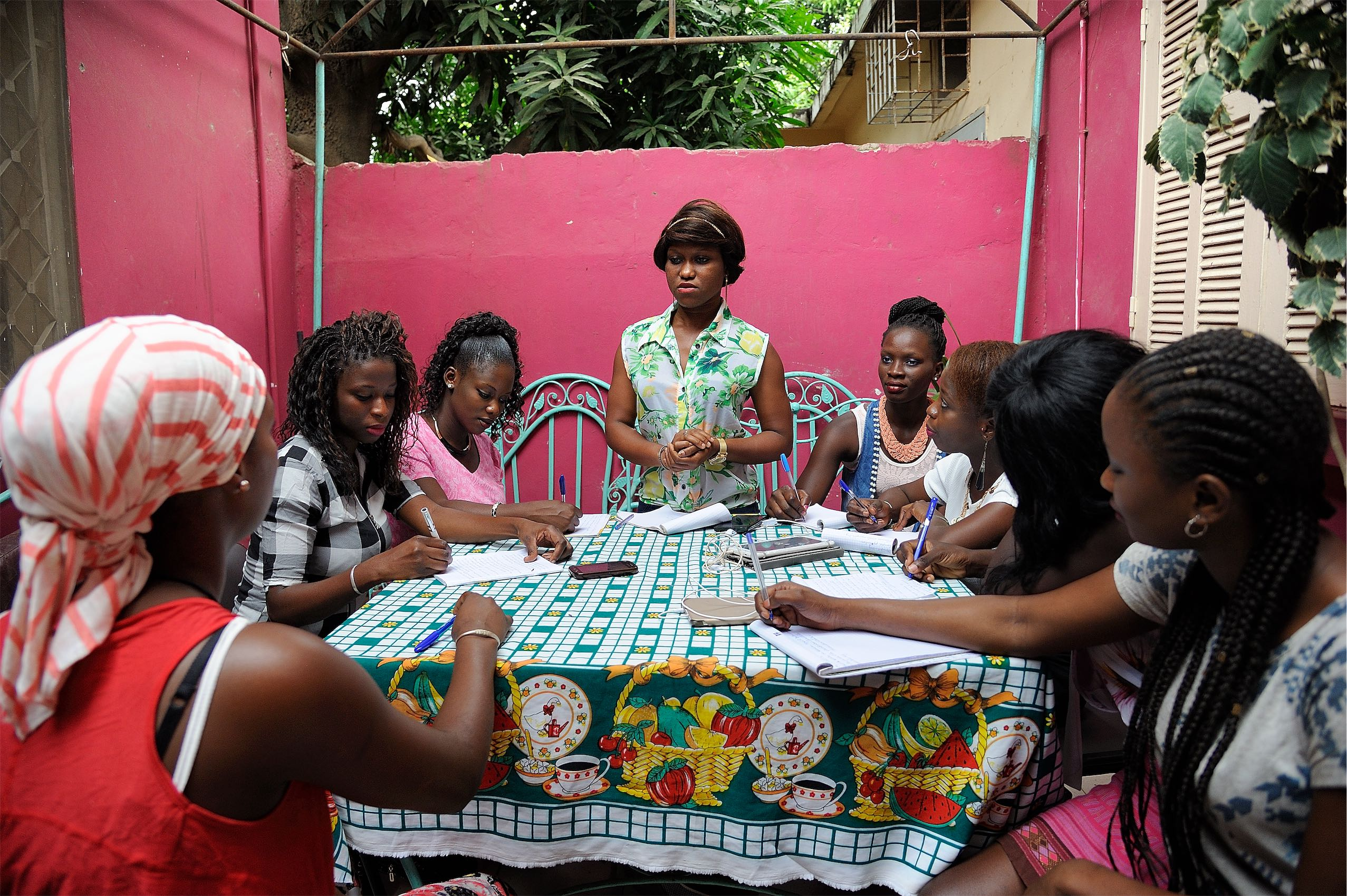

The Borderland Health Foundation integrates migrant sexual and reproductive health (SRH) services into Thailand’s public primary care in Tak Province, tackling cost, language and referral barriers and building a sustainable model for universal health coverage.
Context
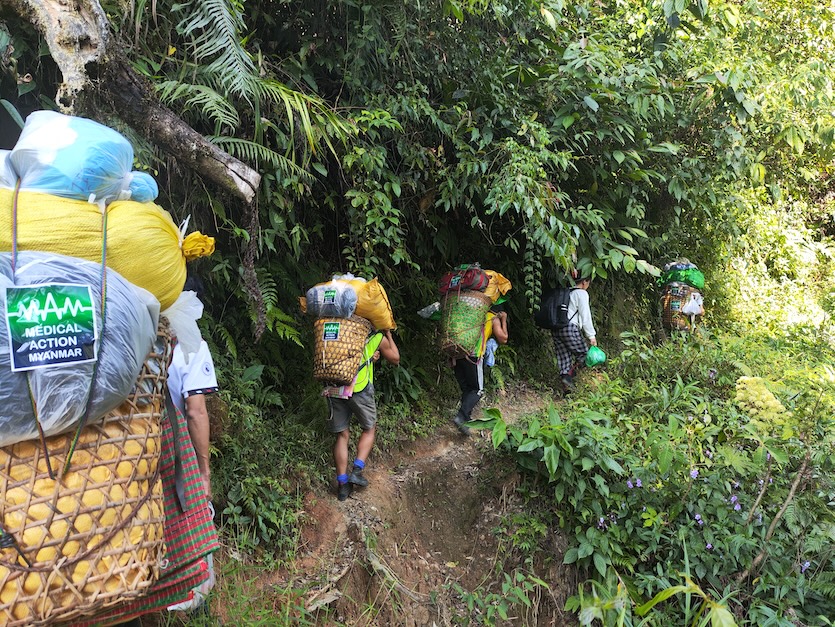
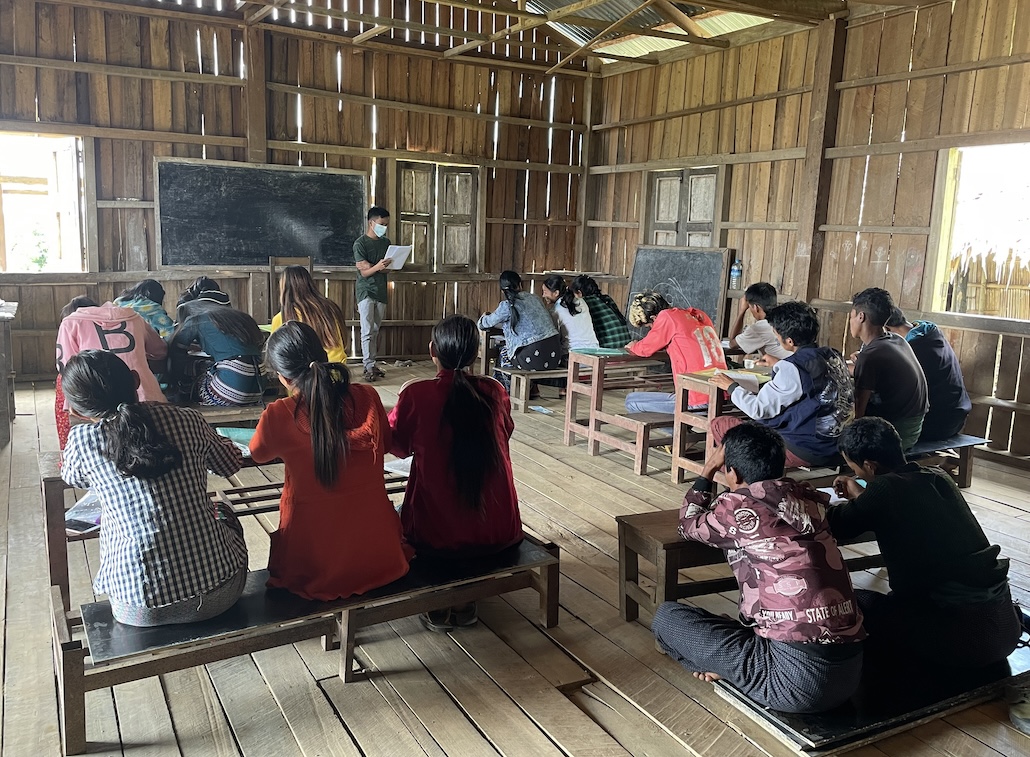
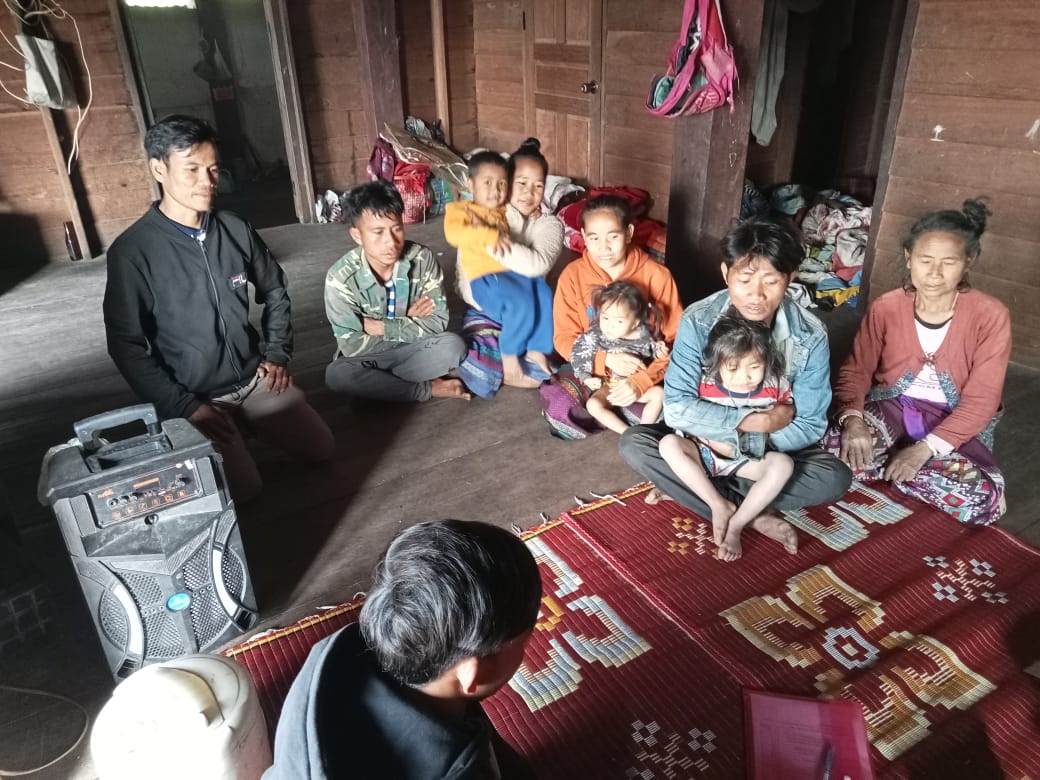
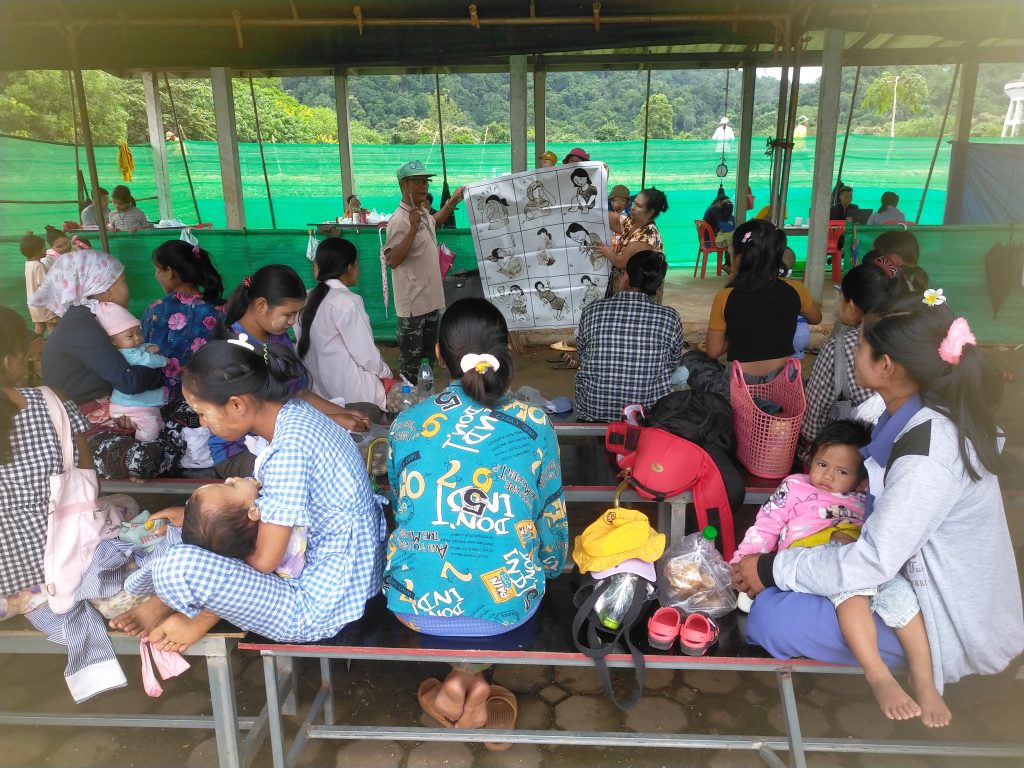
Tak Province hosts an estimated 250,000 migrants from Myanmar, many undocumented and excluded from Thailand’s UHC. Migrant communities face high out-of-pocket costs, language barriers, weak referral pathways and low awareness of services. Since 2020 BHF delivers outreach sexual and reproductive health (SRH) — including antenatal care (ANC), contraception, childhood vaccination and infection screening — across 20 communities and 15 migrant clusters via Migrant Community Health Volunteers (M-CHV). Primary Care Units (PCU) exist locally but record low migrant uptake for SRH due to cost, stigma and communication gaps.
Description
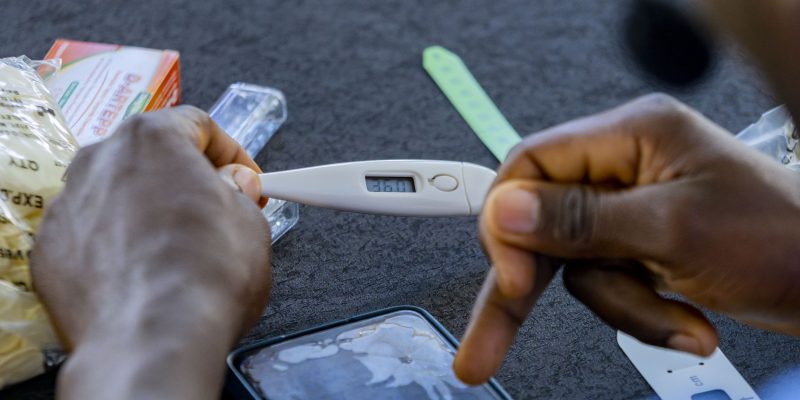
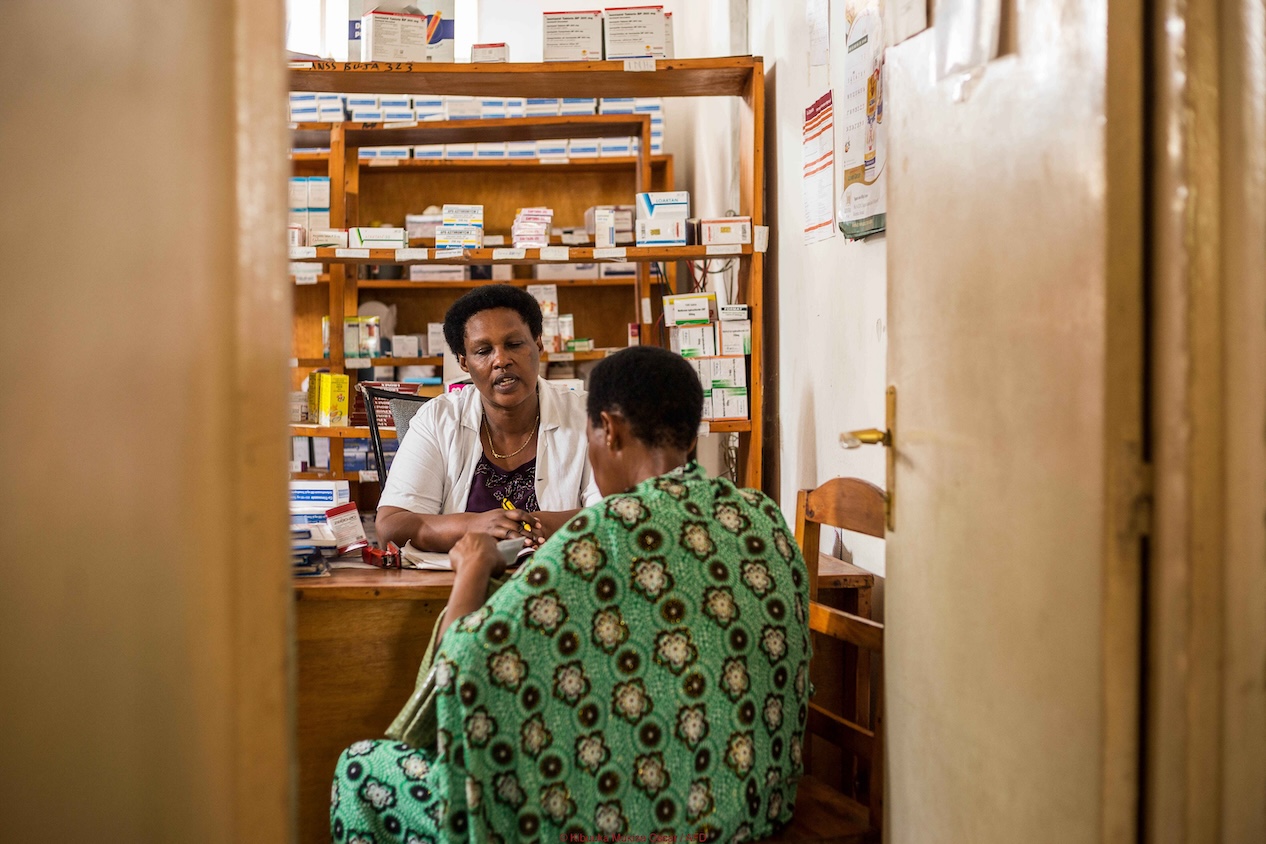
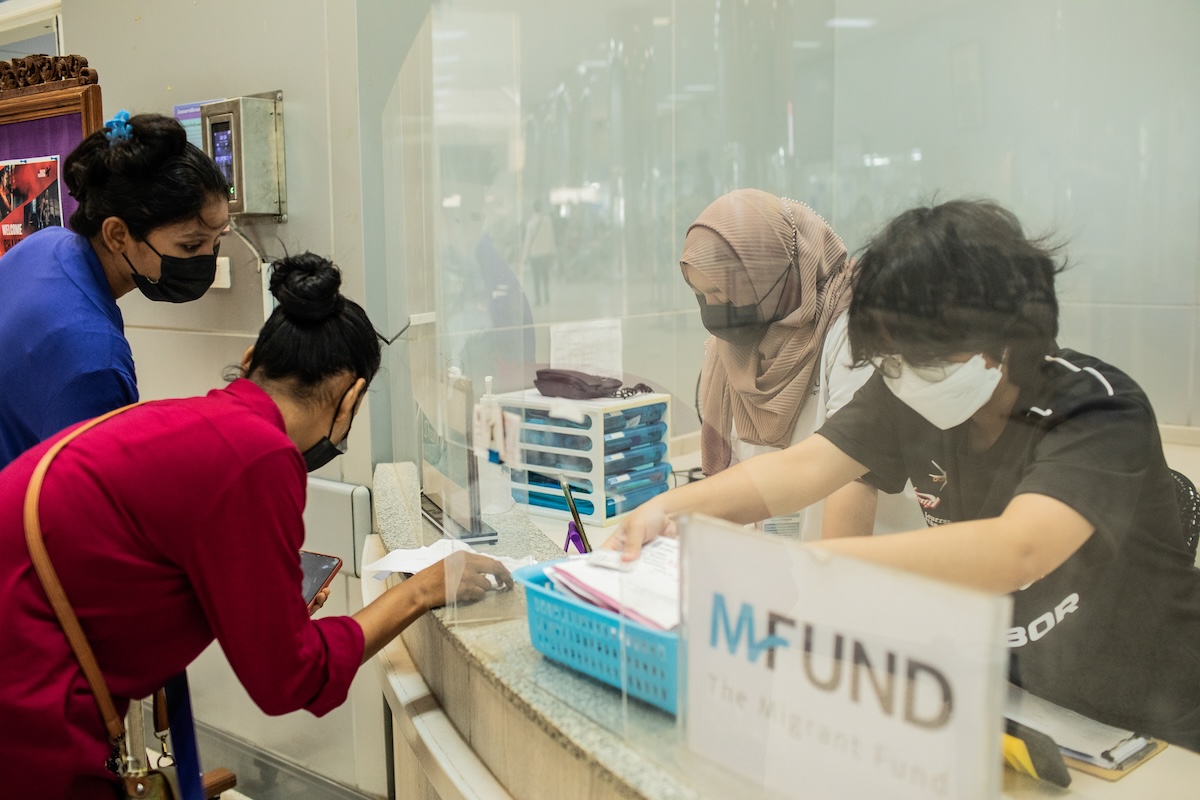
This phase mainstreams a migrant-friendly SRH package into six PCUs while sustaining outreach in 15 communities. The package covers ANC with integrated infection screening (HIV, tuberculosis, hepatitis, syphilis, malaria), contraception including long-acting reversible methods, safe-birth planning and referral, childhood immunization, and first-response care for survivors of sexual and gender-based violence (SGBV). Key actions include joint training and mentorship for PCU staff, Thai Village Health Workers and M-CHV; bilingual translation support during PCU migrant-days; facilitated enrolment in M-FUND (subsidized migrant insurance); an emergency referral fund to prevent catastrophic costs; and standard operating procedures with political and operational steering committees to ensure quality, accountability and replication.
Impact
The project aims to demonstrate a replicable, sustainable model: integrated migrant-friendly SRH services in six PCUs alongside continued outreach to 15 communities, strengthened local workforce, higher early ANC registration and insurance uptake, and reduced catastrophic out-of-pocket spending. By improving access, quality and referral systems for migrants, the project contributes directly to Thailand’s UHC objectives and provides a tested model for scale-up.