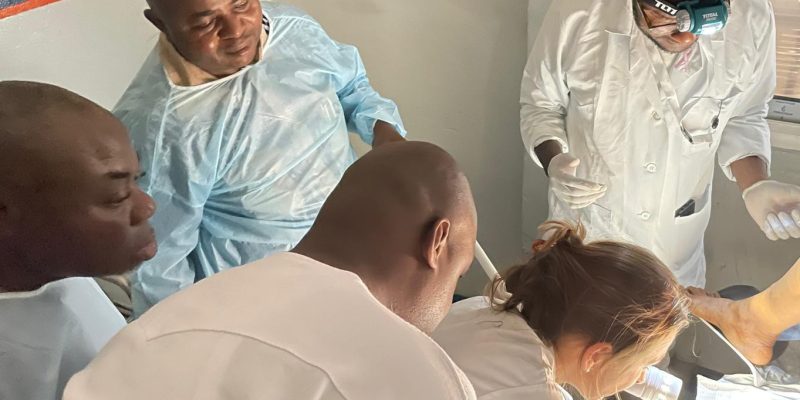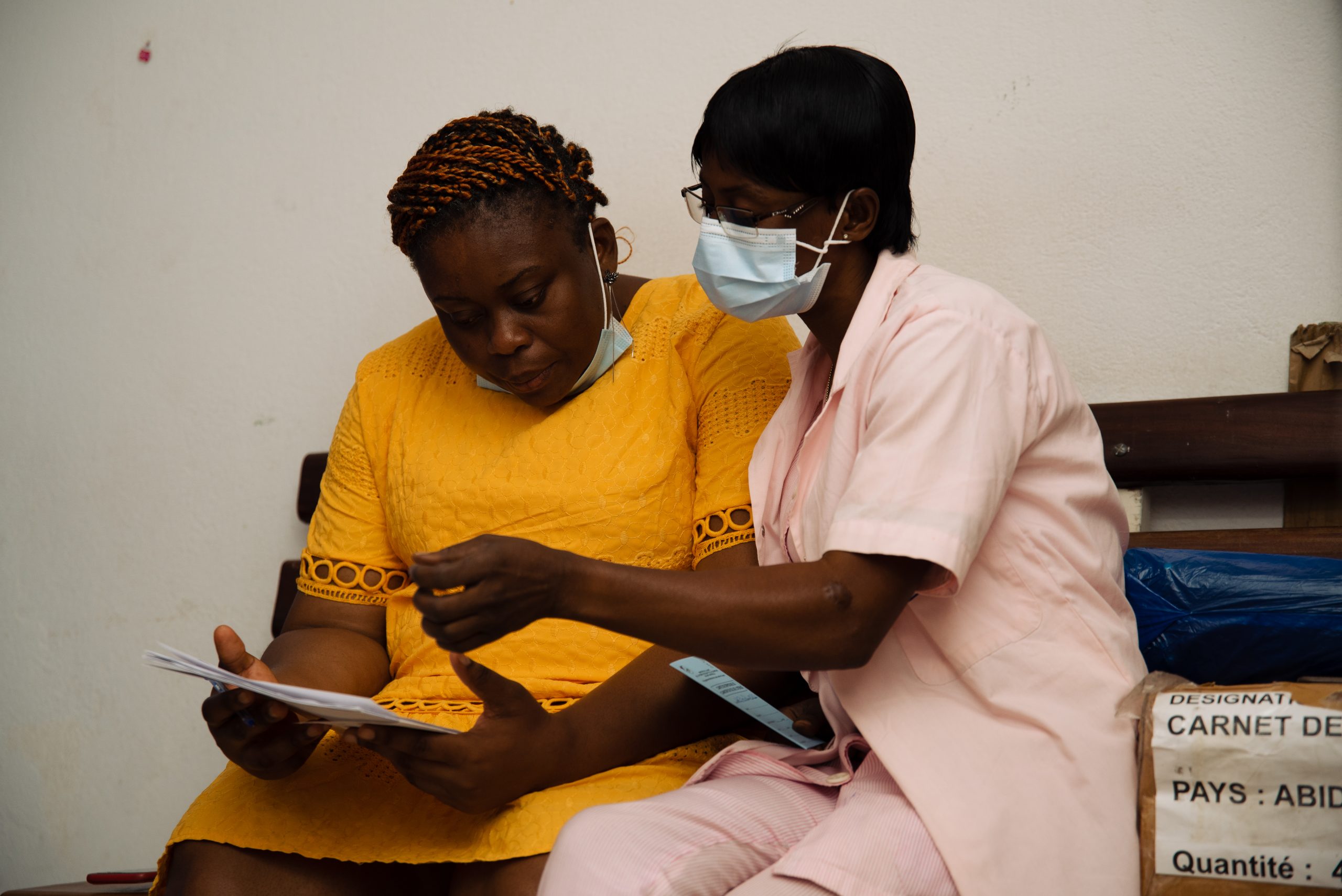

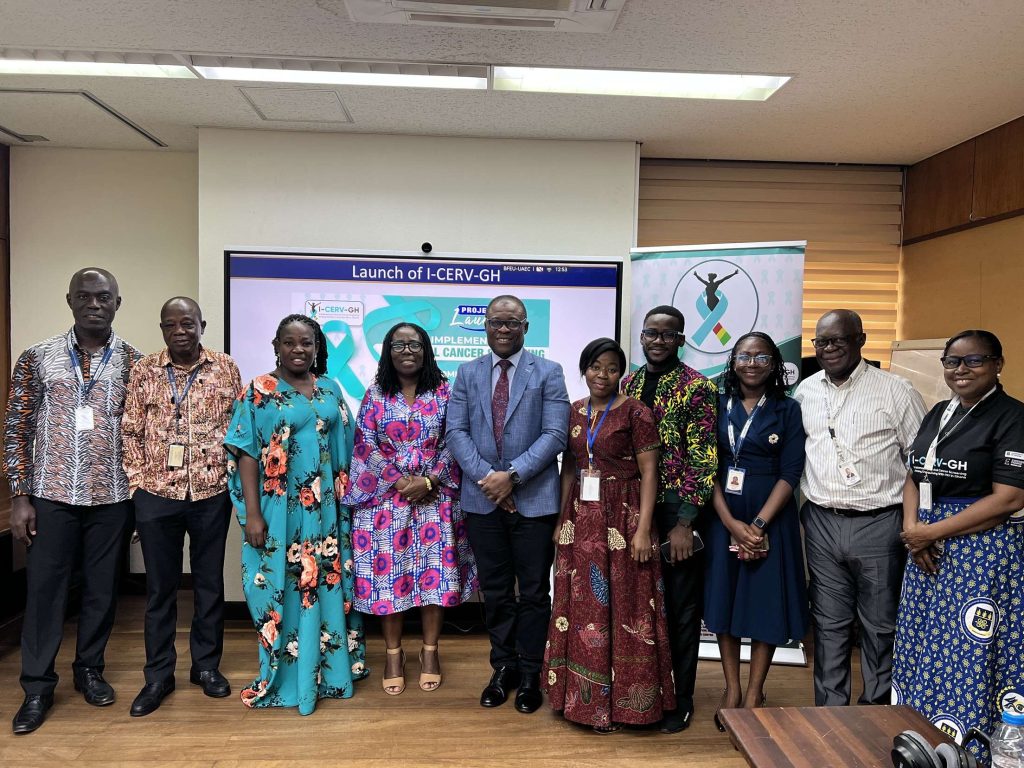
This project aims to integrate cervical cancer screening into routine care for women living with HIV in Ghana. It will identify opportunities and barriers using implementation research methods, evaluate the acceptability and accuracy of self-sampling for HPV testing, and assess the feasibility of same-day “test, look, and treat” for precancerous lesions to ensure gender-equitable care.
Context
Cervical cancer is a leading cause of death among women in Africa, with Ghana experiencing particularly high incidence and mortality, especially among women living with HIV. Despite regular screening in developed countries, most women with HIV in Ghana are not routinely screened, highlighting a critical gender inequity. This project aims to explore how cervical cancer screening can be effectively integrated into routine HIV care in Ghana.
Description
This study uses a mixed-methods approach combining qualitative interviews, group listing and ranking exercises, and real-world implementation to explore how cervical cancer screening can be integrated into routine HIV care in Ghana. It targets women living with HIV as well as key stakeholders, including policymakers, doctors, nurses, and community advocates. The research will identify opportunities, barriers to integration, assess the acceptability, and reliability of self-sampling for HPV testing compared with provider sampling, and evaluate the feasibility of same-day test-and-treat interventions at multiple HIV treatment centers, all with the goal of promoting gender-equitable care and providing a foundation for scaling up a national screening program.
Impact
This operational research will identify barriers and facilitators for integrating cervical cancer screening into HIV care in Ghana, evaluate the acceptability and reliability of self-testing, and address implementation challenges for same-day test-and-treat when needed. It will provide a data framework for scaling up screening and contribute to reducing gender inequities in care.