
Phase 2 consolidates the project in the Democratic Republic of Congo (DRC) and Burundi and extends it to Cameroon, covering 25 sites. It strengthens sexual health service provision, supports advocacy and research, and promotes inclusive and sustainable access.
Context
Despite progress in the HIV response, co-infections—estimated at 250,000 new cases daily (syphilis, genital herpes, human papillomavirus (HPV))—remain a major issue in Africa and increase the risk of genital cancers among people living with HIV (PLHIV). Phase 1 (Burundi, South Kivu) produced concrete results: 6,923 women screened, of whom 601 received care for precancerous lesions. However, access remains limited, especially in remote areas; proctologic services are almost non-existent in the DRC and insufficient in Cameroon. National systems still lack guidance, funding and epidemiological data to sustainably integrate these services. Phase 2 therefore aims to sustain, expand and document an integrated sexual-health offer tailored to key populations.
Description
Phase 2 combines consolidation of existing achievements with geographic expansion (adding Cameroon and strengthening sites in the DRC and Burundi). It is organised around three main components:
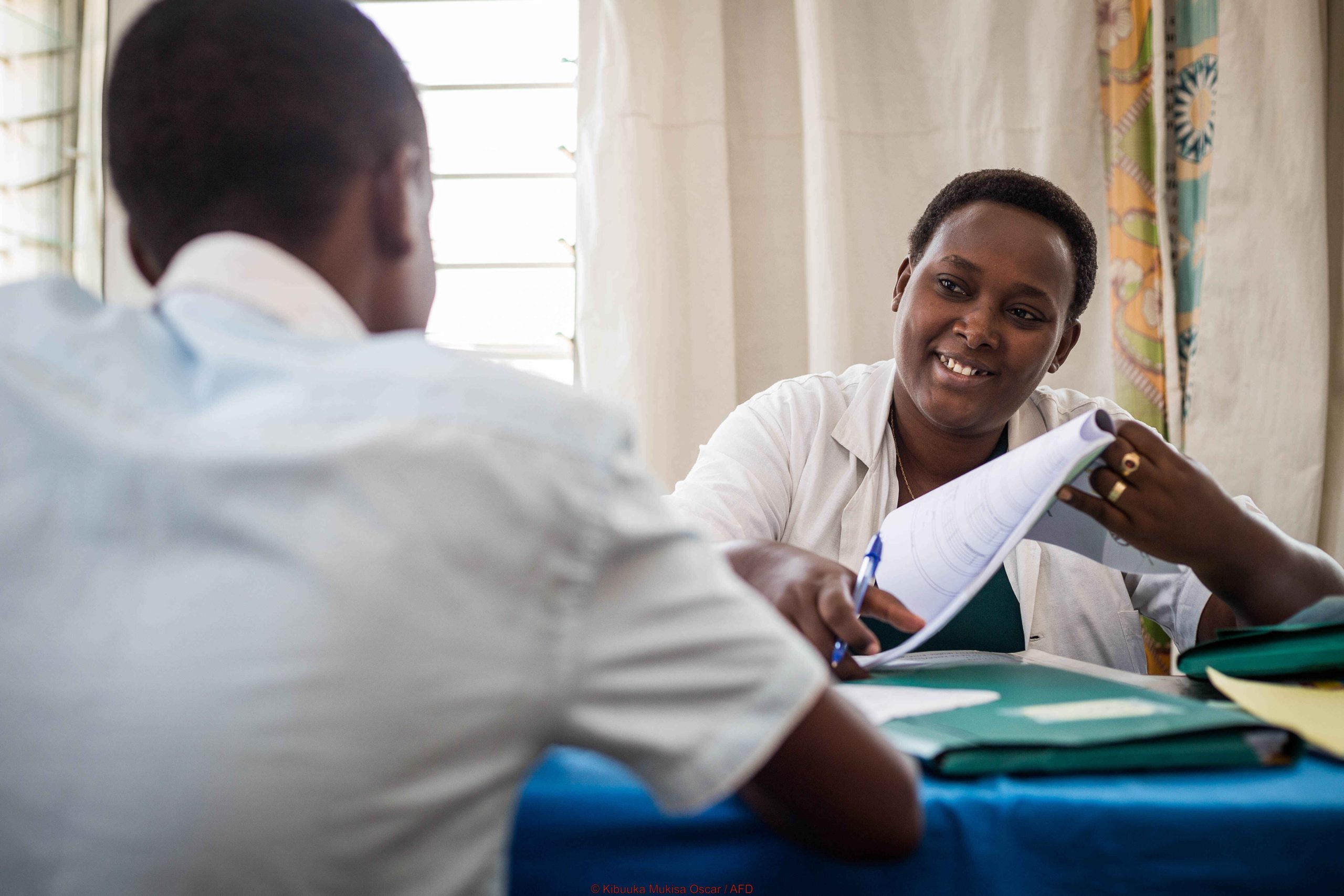
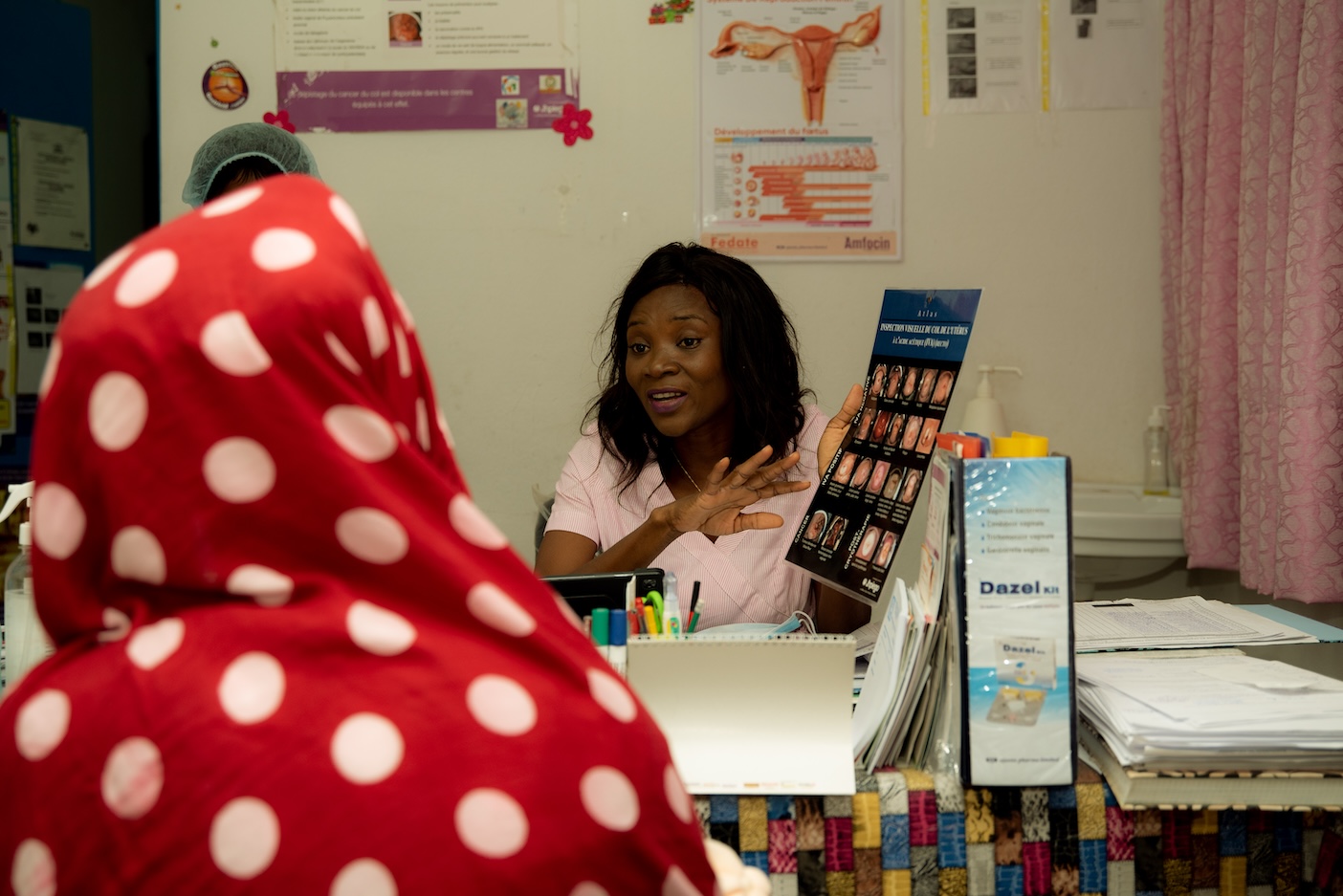
- Strengthening clinical services — continuous training for teams (screening and treatment of precancerous cervical lesions, gynecological examinations), equipment for facilities, and annual screening campaigns.
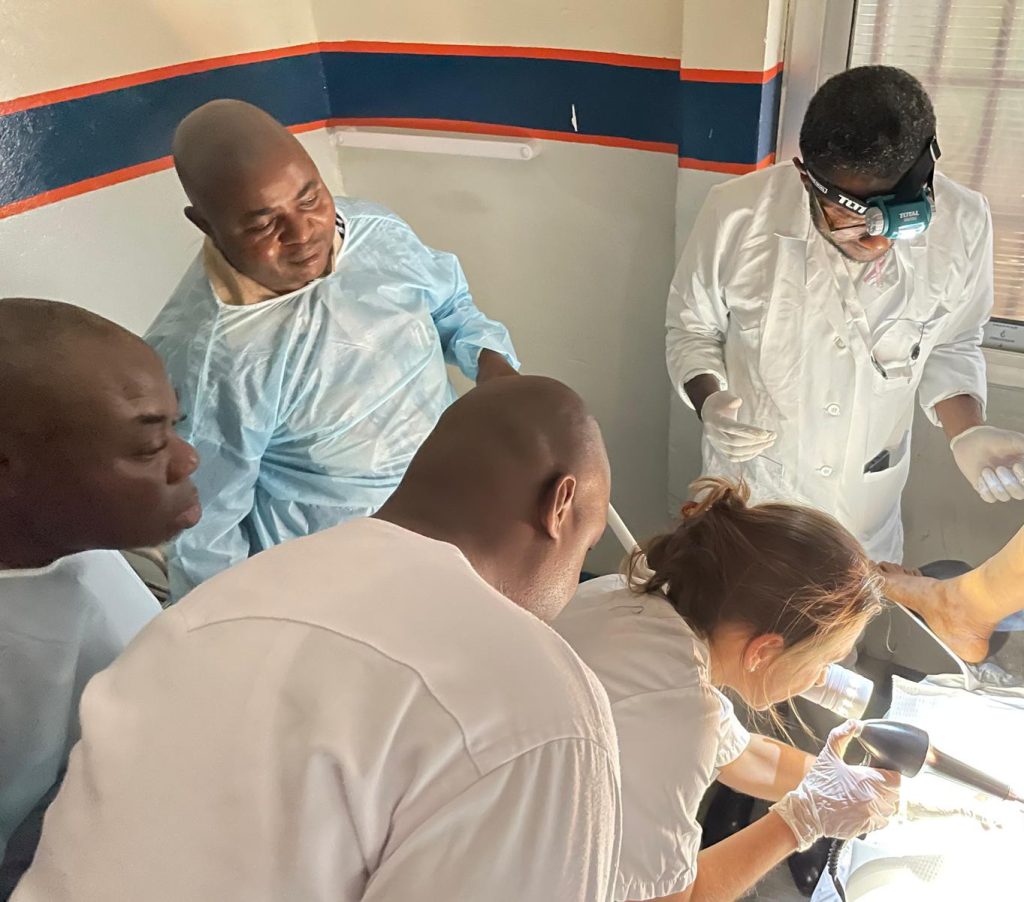
- Deployment of proctology services — creation/strengthening of services for anal conditions in Cameroon and the DRC (training, hands-on placements, equipment, quality assurance), with SOS SIDA and Horizons Femmes serving as regional referral centres.
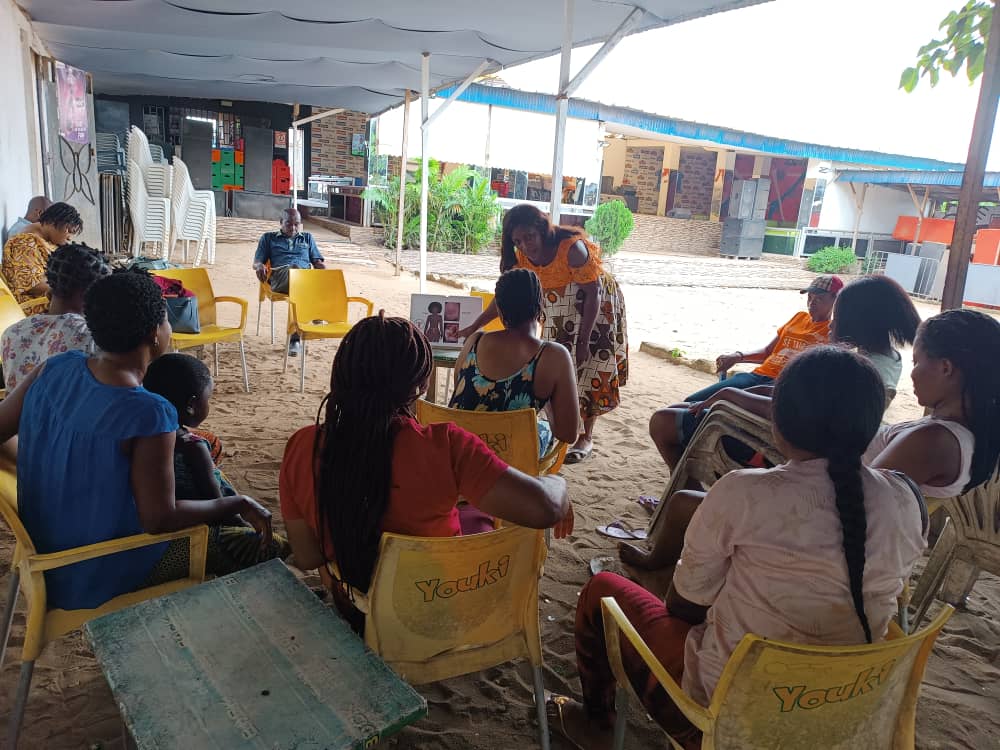
Advocacy, research and mobilisation — production of operational data and research on anal conditions and HPV, support for advocacy strategies, and coordination with national programmes and donors (Global Fund, etc.). The project also maintains a strong focus on peer education, non-discriminatory reception and empowerment of adolescents and key populations.
Impact
The project aims to strengthen access to comprehensive, inclusive sexual-health care for PLHIV and key populations in Burundi, the DRC and Cameroon by improving clinical skills, non-discriminatory reception and peer education. It introduces a new proctology service adapted to needs, notably for female sex workers, men who have sex with men, and transgender people.