
Malaria: Time for Political Choices
Malaria remains one of the major global health emergencies: the tools exist, the evidence is there, but progress is slowing. On World Malaria Day, L’Initiative reminds us that beyond science, political will, funding and attention to the most exposed populations will make the difference.
More than twenty-five years after the launch of major international efforts against malaria, the picture is clear. The tools exist. The evidence of effectiveness is there. But global momentum is stalling. And this slowdown is by no means an inevitable technical failure: it is the result of insufficient political and financial choices.
The latest 2024 and 2025 World Malaria Reports from the World Health Organization confirm this diagnosis. Between 2000 and 2015, the global incidence of malaria fell significantly, driven by massive investments in prevention, diagnosis and treatment. Since 2015, that trend has reversed. In 2024, malaria is estimated to have caused 282 million cases and 610,000 deaths. The international targets set for 2025 are now out of reach.
The burden remains overwhelmingly concentrated in sub-Saharan Africa, which accounts for the vast majority of cases and deaths. Some countries are paying a disproportionate price. Elsewhere, progress is fragile and sometimes overturned by political, security or health crises. No region is immune to backsliding.
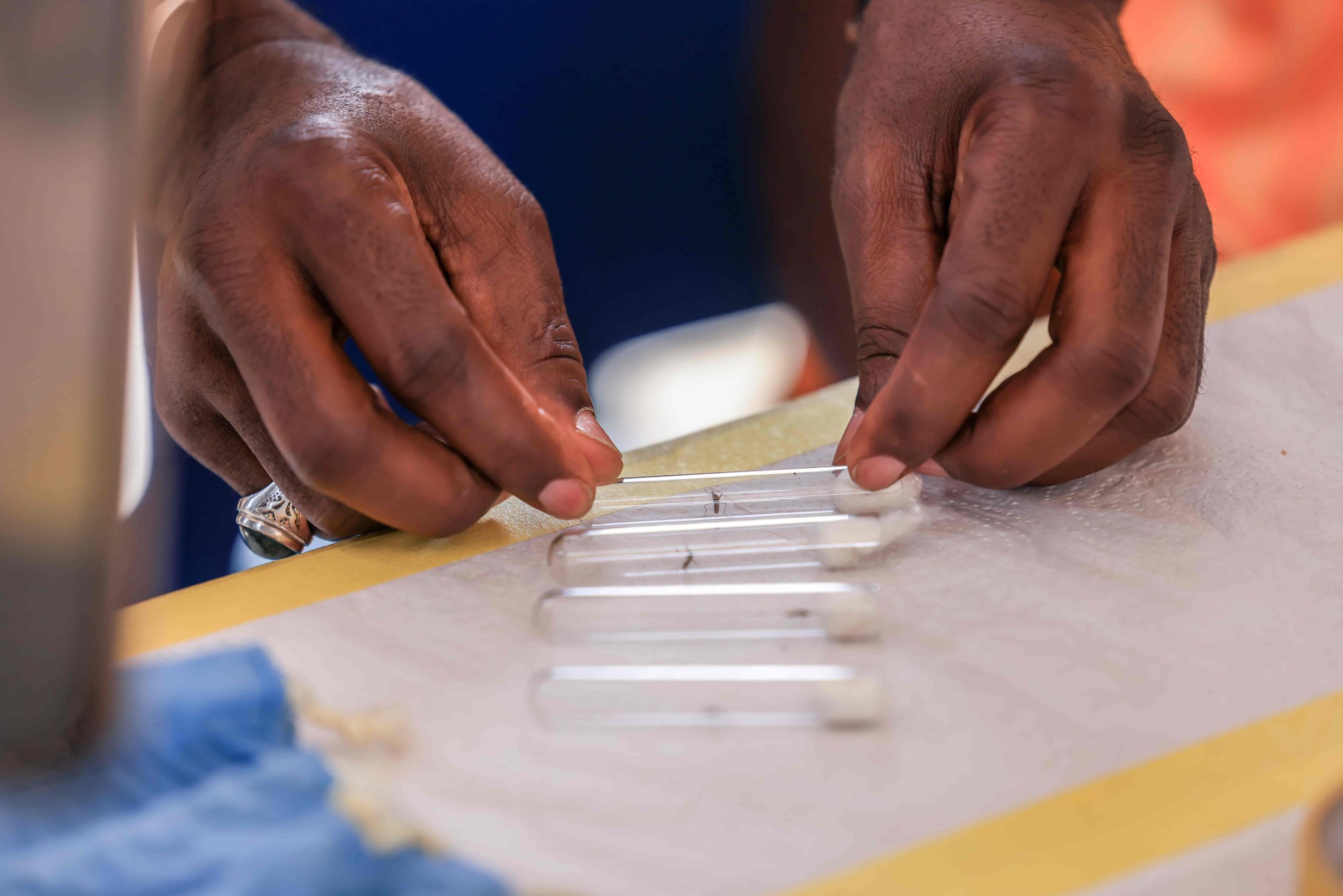
The causes are well known. Biological resistance is increasing: greater resistance to insecticides, worrying signs about the effectiveness of some treatments, and new limits in certain diagnostic tests. Health systems remain too often under-resourced, exposed to stock-outs and unequal access. Armed conflict, population displacement and climate change further intensify transmission and disrupt responses.
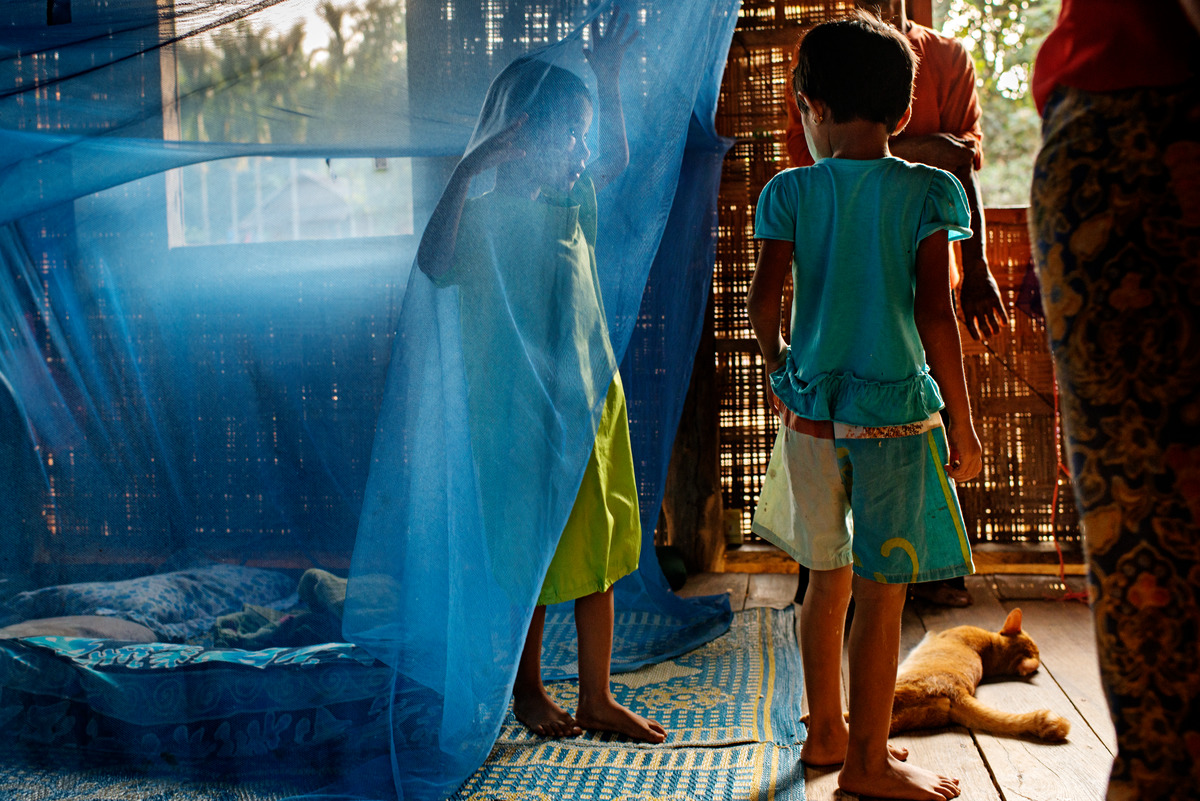
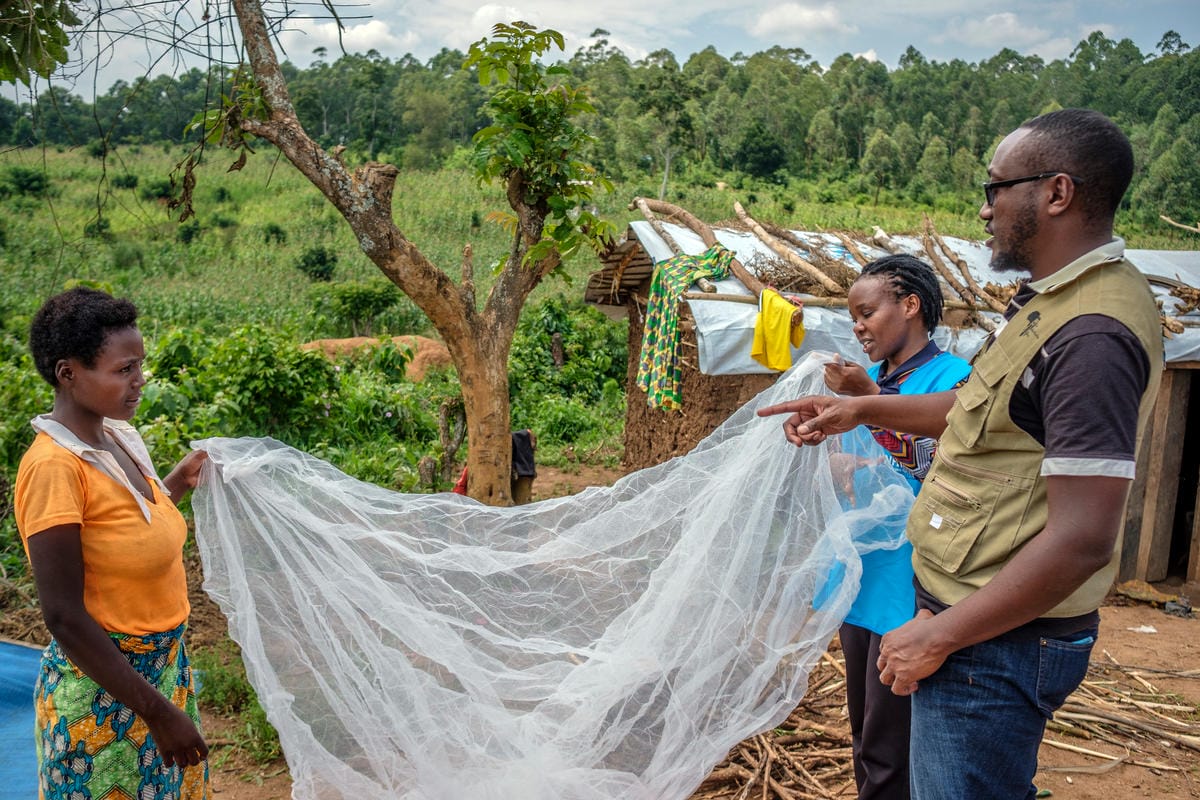
Yet it would be wrong — and dangerous — to conclude that the effort has reached a dead end. Malaria interventions work. Since 2000, nearly 2.3 billion cases and 14 million deaths have been prevented. In 2024, more than one million lives were still saved. Next-generation bed nets, seasonal chemoprevention, improved diagnostics and access to effective treatment have all proven their impact. The introduction of malaria vaccines, already integrated into the national programmes of many countries, opens a decisive new phase, especially for protecting children.
The elimination successes achieved in several dozen countries show that this goal is attainable, even in constrained settings. But these gains are reversible. The sharp decline in international aid seen since 2024 is directly undermining the continuity of programmes. Less funding means interrupted campaigns, weakened surveillance systems and lives left at risk.
Malaria is therefore not a problem of innovation or knowledge. It is a test of political coherence. States and donors, led by the Global Fund, have a clear responsibility: to guarantee predictable funding that matches the scale of the challenge and to support strategies rooted in local realities.
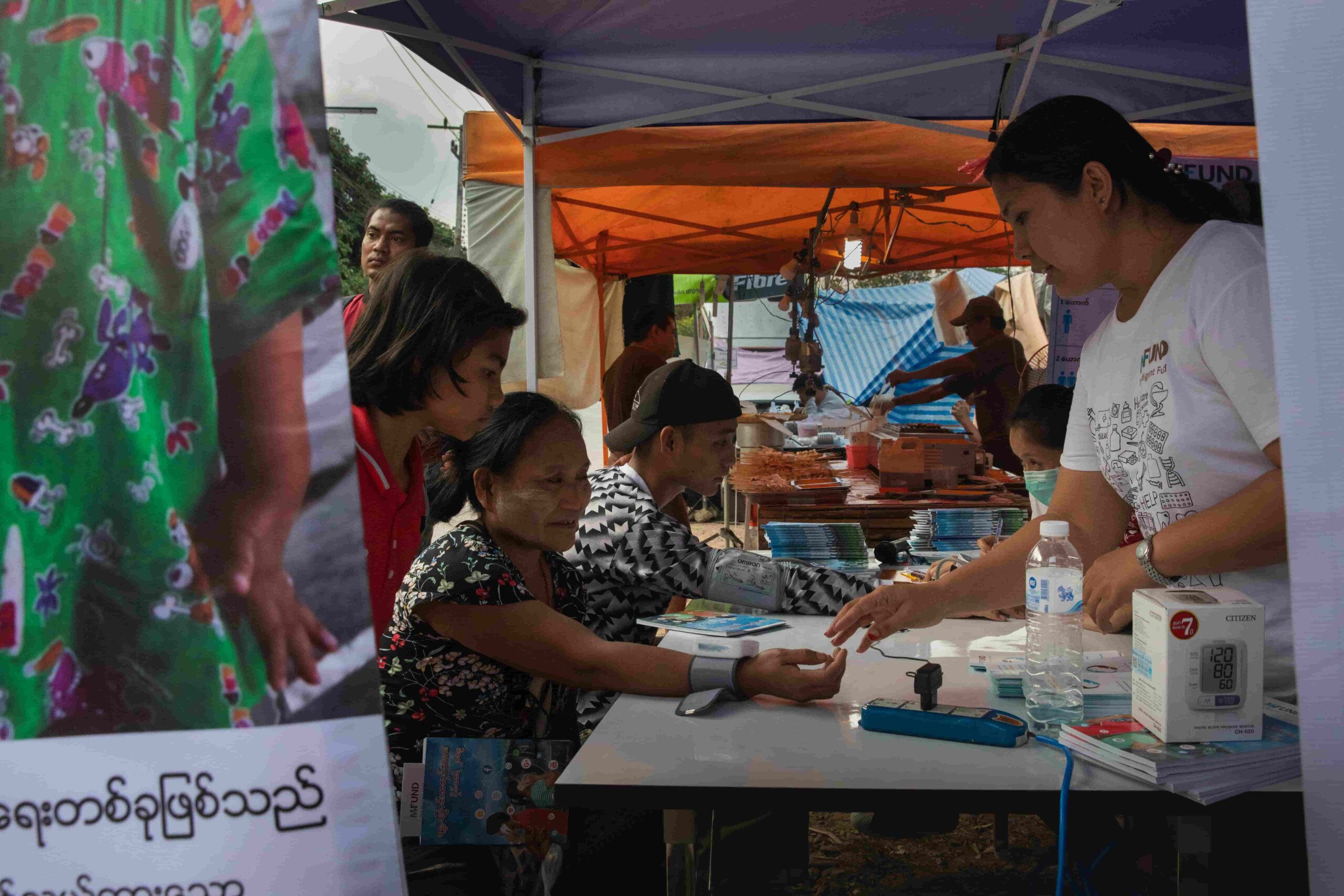
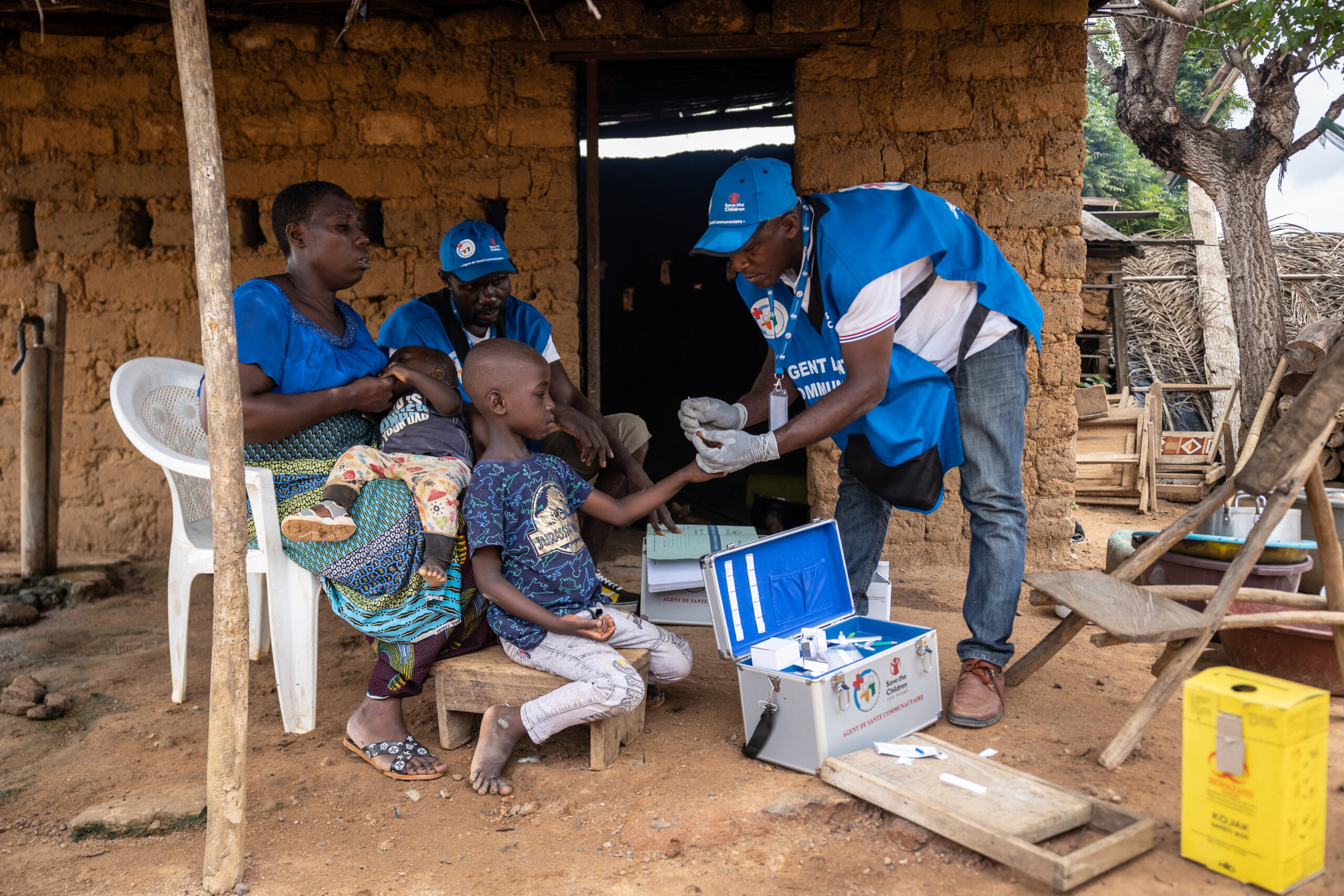
Through L’Initiative, implemented by Expertise France, France is choosing demanding engagement: support for national programmes, capacity-building, backing for operational innovation and priority given to real impact in the field. This approach is neither ideological nor theoretical. It is pragmatic: it starts from needs, relies on data and accepts the long term.
On this World Malaria Day, the message must be clear. Either the international community accepts the current slowdown and its human consequences. Or it chooses to stay the course, invest, and treat malaria for what it is: a preventable and curable disease, whose persistence first and foremost reflects our collective failures. Malaria can recede. But only if we stop hesitating.