
Malaria: When Operational Research Turns Trials into Solutions
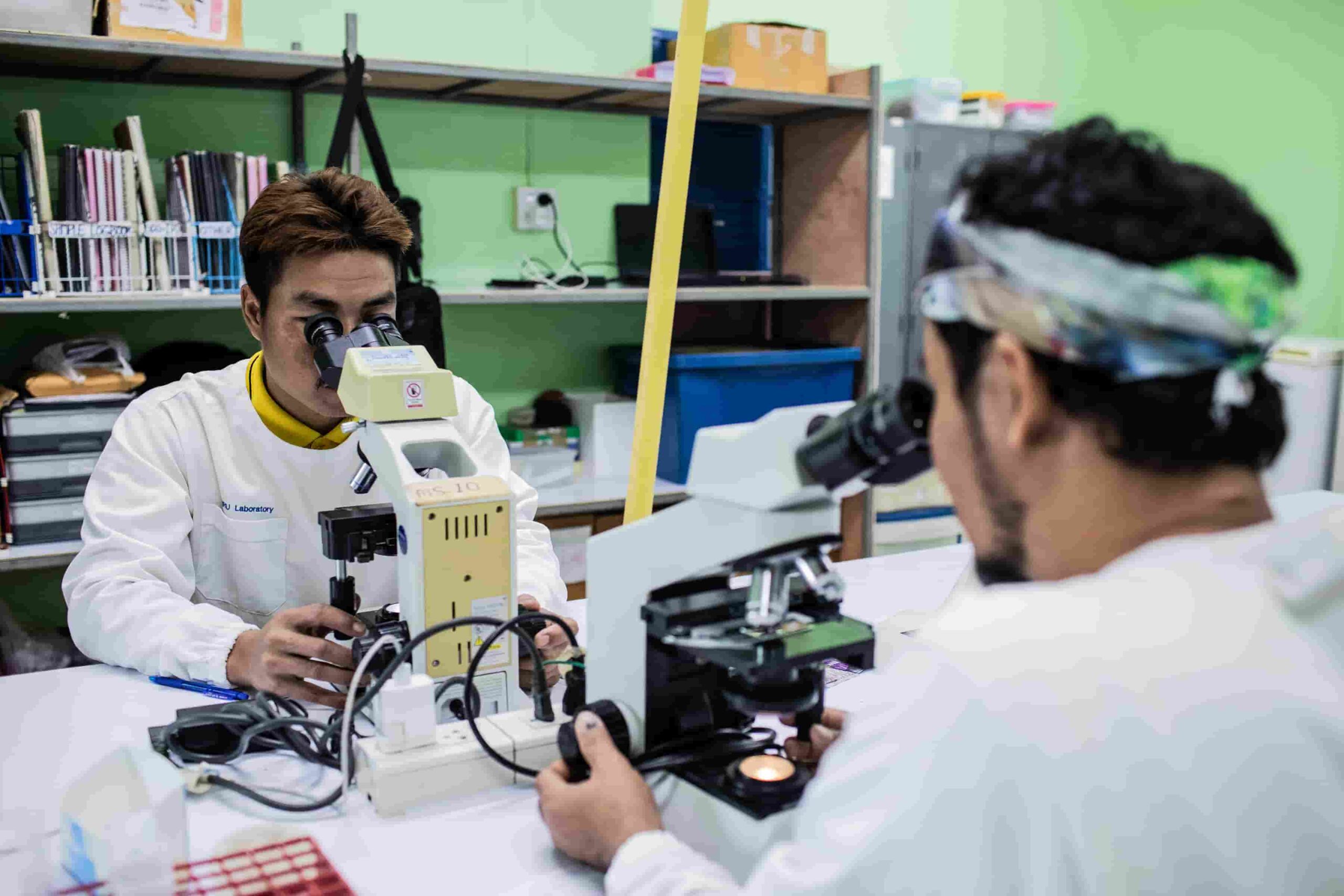
Faced with a malaria burden that still resists traditional strategies, L’Initiative is banking on operational research to generate innovative responses adapted to local contexts. The challenges are many: from climate change to asymptomatic reservoirs, from child prevention to paediatric emergencies, the projects supported aim not only to demonstrate effectiveness, but also to adjust health strategies to local conditions and prepare for scale-up.
Understanding malaria
With the emergence of insecticide resistance and new vectors, malaria is changing shape. The response must keep pace, especially as contexts grow more complex: population mobility, hard-to-detect parasite reservoirs, pressure on health systems, the need to integrate new vaccines, and now the effects of climate change on transmission are all factors that must be taken into account.
That is precisely where operational research comes in: it observes concrete obstacles, measures what works and helps turn promising approaches into solutions that can be used at scale.
L’Initiative relies on this logic to support projects rooted in field realities. The funded training on malaria and climate change illustrates this ambition well: as climate variations alter transmission, national programmes have been supported in reading surveillance data differently, designing multisectoral responses and anticipating shifts in risk.
The goal is clear: help national programmes anticipate how the epidemic is changing. When seasons become unpredictable, risk zones expand or vectors move into new areas, surveillance must evolve too. Thinking through a One Health approach, and combining climate science, entomology and public health, becomes a strategic necessity.
When the climate reshapes the map of malaria
Following this first training on “Malaria and climate change” organised by L’Initiative – Expertise France, an article was published in Malaria Journal. It shares lessons from six African countries — Chad, Côte d’Ivoire, the Democratic Republic of the Congo, Madagascar, Rwanda and Senegal — on the already visible impact of climate variability on malaria epidemiology, and on the adaptations put in place by national programmes.
Testing responses adapted to local contexts
The same logic appears across several research projects supported by L’Initiative. In Benin, SUCOPPA tackles a known blind spot: infected but asymptomatic people, who sustain transmission while remaining outside the reach of care.
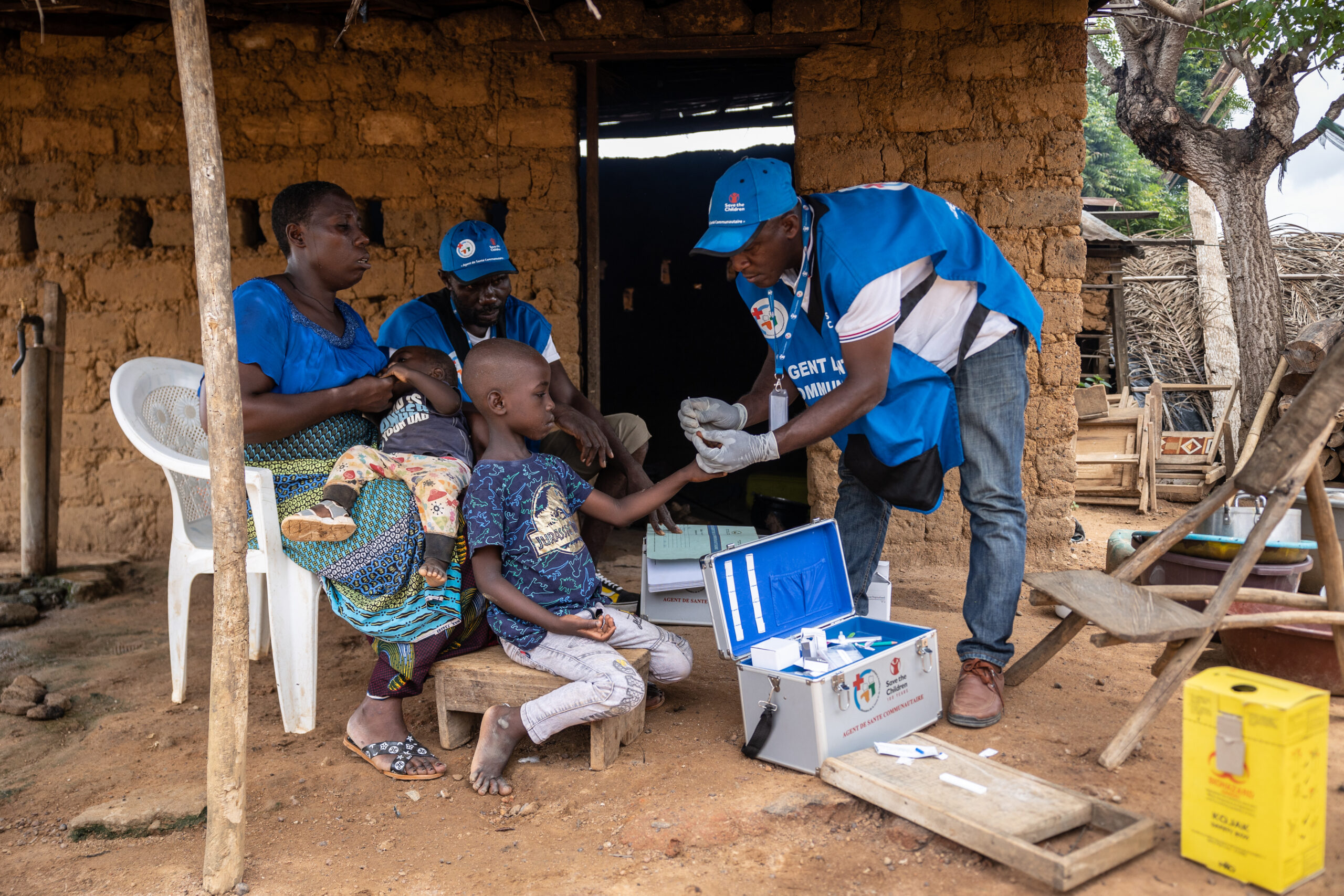
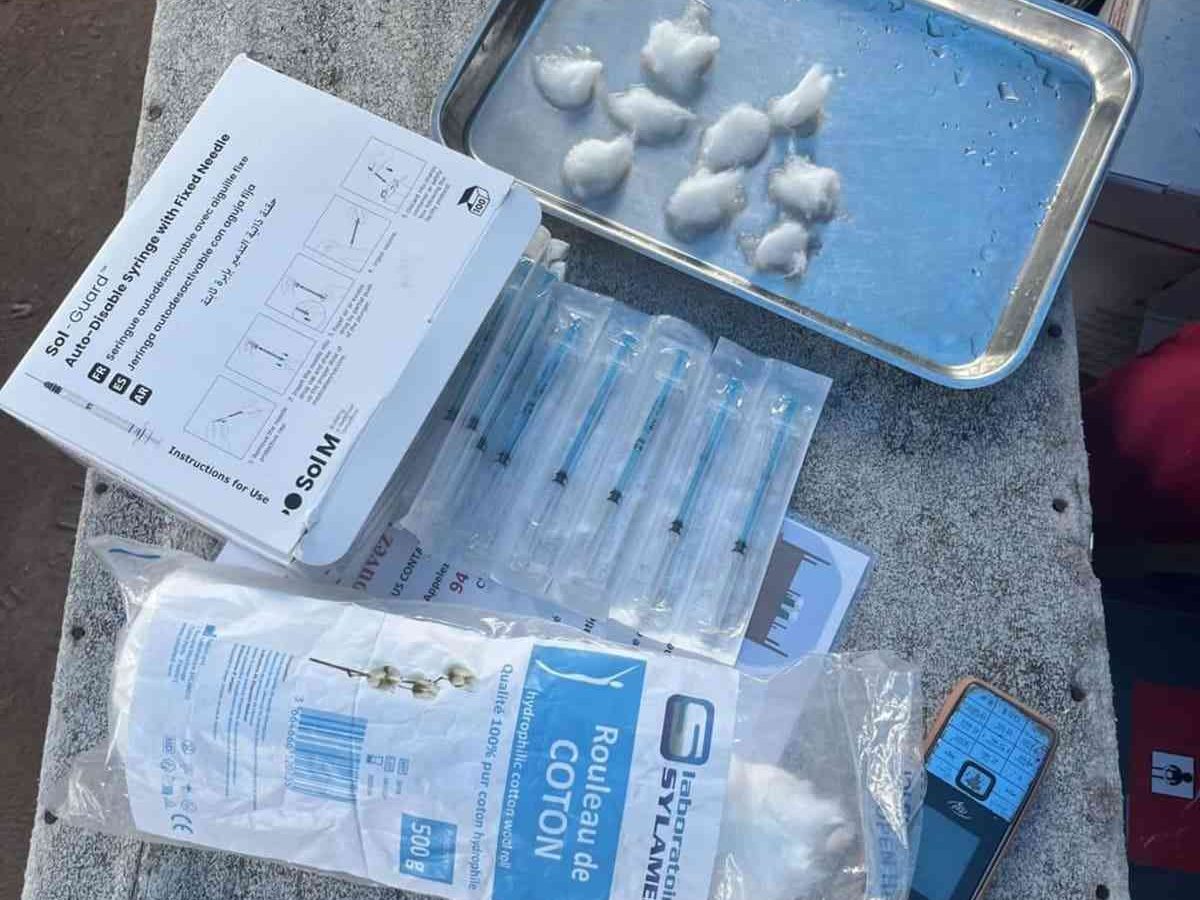
In Madagascar, OPERAS relies on early, community-based intervention with rectal artesunate for children suffering from severe malaria, in order to shorten the time to full treatment and improve referral to health facilities.
These projects have one thing in common: they do not merely seek to show that an intervention is possible, but to determine under what conditions it is useful, sustainable and replicable.
Producing evidence to act differently
In Senegal, AMARETI addresses the issue of parasite reservoirs through mass antimalarial administration campaigns, while INTEGREVAC in Chad is assessing the value of integrating a malaria vaccine into seasonal chemoprevention.
At the heart of these trials lies the same ambition: to generate useful evidence for decision-making.
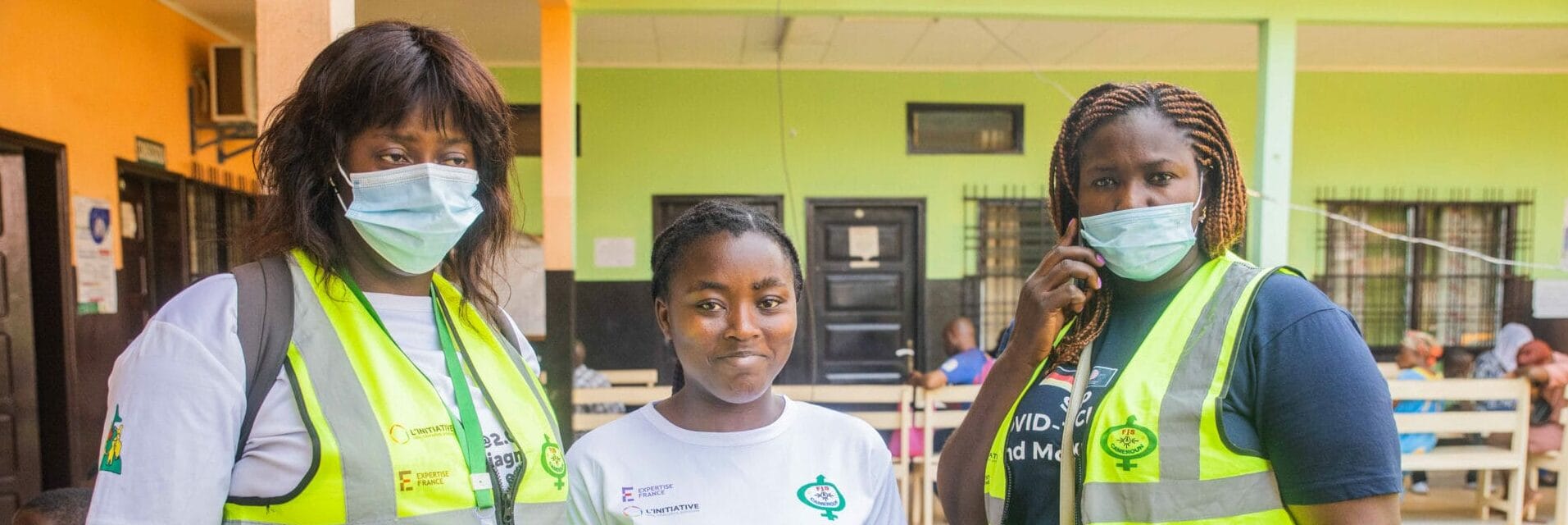
In Cameroon, the Reach Out project also illustrates operational research’s ability to generate solutions from the field. Conducted in conflict-affected areas in the South-West and Littoral regions, the project has made it possible to co-design interventions with communities, through the strengthening of community health workers. This participatory approach has already led to a scientific publication, showing how innovation takes shape when it starts from the real needs of displaced and vulnerable populations.
Supported by L’Initiative, operational research therefore does more than accompany innovation. It tests it against reality, with its field constraints, unequal access, social determinants and sustainability requirements.
That is the full strength of operational research: linking innovation and public decision-making, science and health systems, data and action.