
SENNAY : When the Fight Against Malaria Goes to Seasonal Mobile Workers
Malaria is a major public health challenge in the Amhara region, which has been affected by armed conflict for more than two years. The region is attractive to seasonal agricultural workers, who account in some districts for up to 40% of reported annual malaria cases. Through the Sennay project, supported by L’Initiative – Expertise France and implemented by HDAMA with Malaria Consortium, the response is changing scale and method: going to the farms, training health workers, improving case follow-up and bringing local needs to decision-makers.
When malaria follows the routes of seasonal work
In Ethiopia, malaria has not disappeared despite progress made in recent years. After a marked decline around the turn of the 2010s, the disease has surged again, with more than 7.3 million cases recorded between January and October 2024. The Amhara region is among the hardest hit by this spike in cases, which affects seasonal workers particularly severely. In fact, most private farms employing seasonal agricultural workers do not provide free access to basic health services, and health posts are generally located far from the farms.
Here, malaria follows the rhythms of work, the movements of seasonal workers, the distance from services and gaps in access to care. These workers, often coming from highland areas for the harvest, live and work in places where diagnosis comes late – sometimes too late. Without prompt treatment, some return home with the disease, to areas where there is neither a health centre nor a nearby community health worker.
It was precisely to address this reality that Sennay was launched in 2023. Its ambition is simple, but demanding: to bring malaria prevention, screening and treatment into workplaces, as close as possible to those most exposed. The project has therefore developed services adapted to agricultural seasons, mobility constraints and the specific needs of mobile seasonal workers.
From treatment to prevention, a response rooted in the field
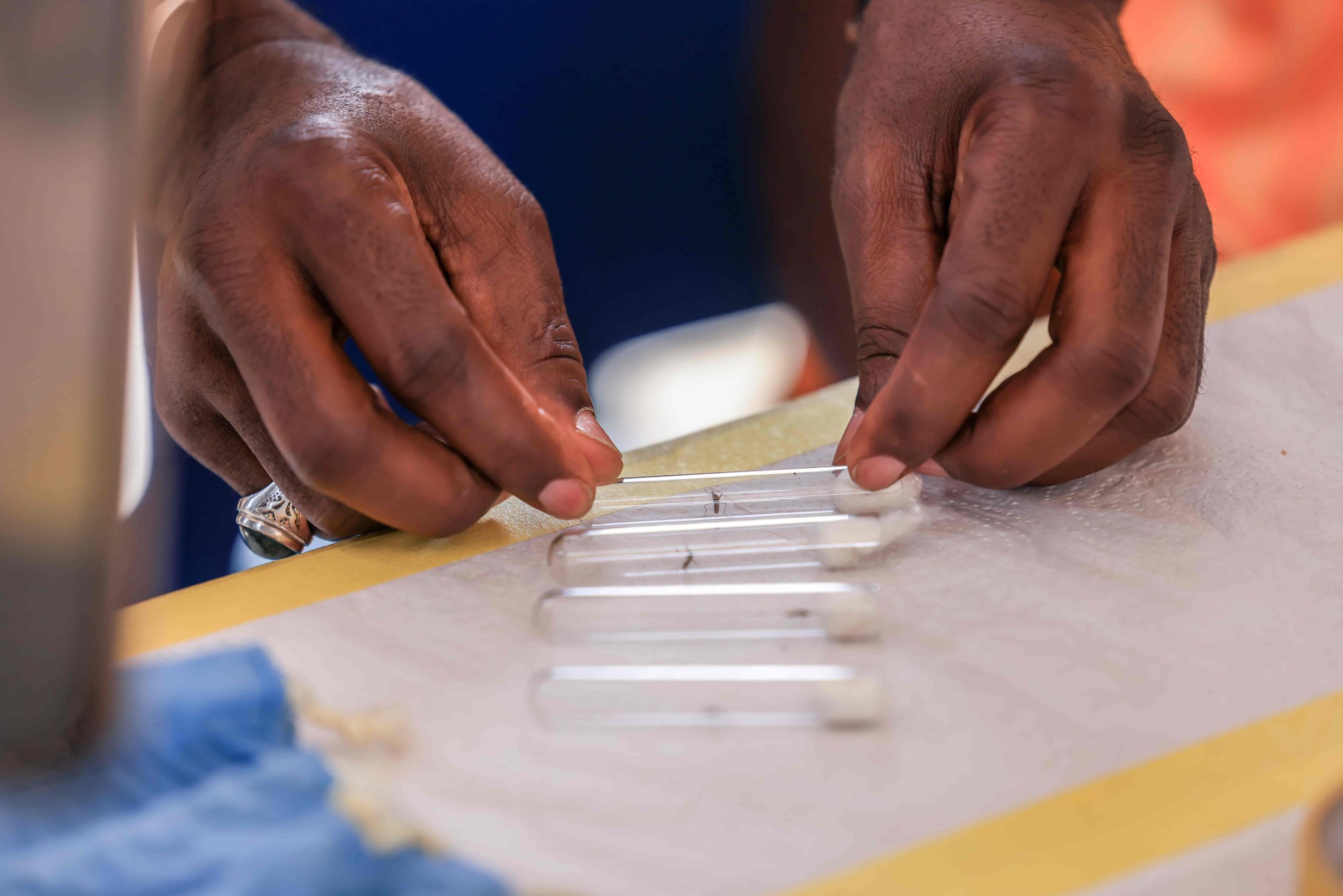
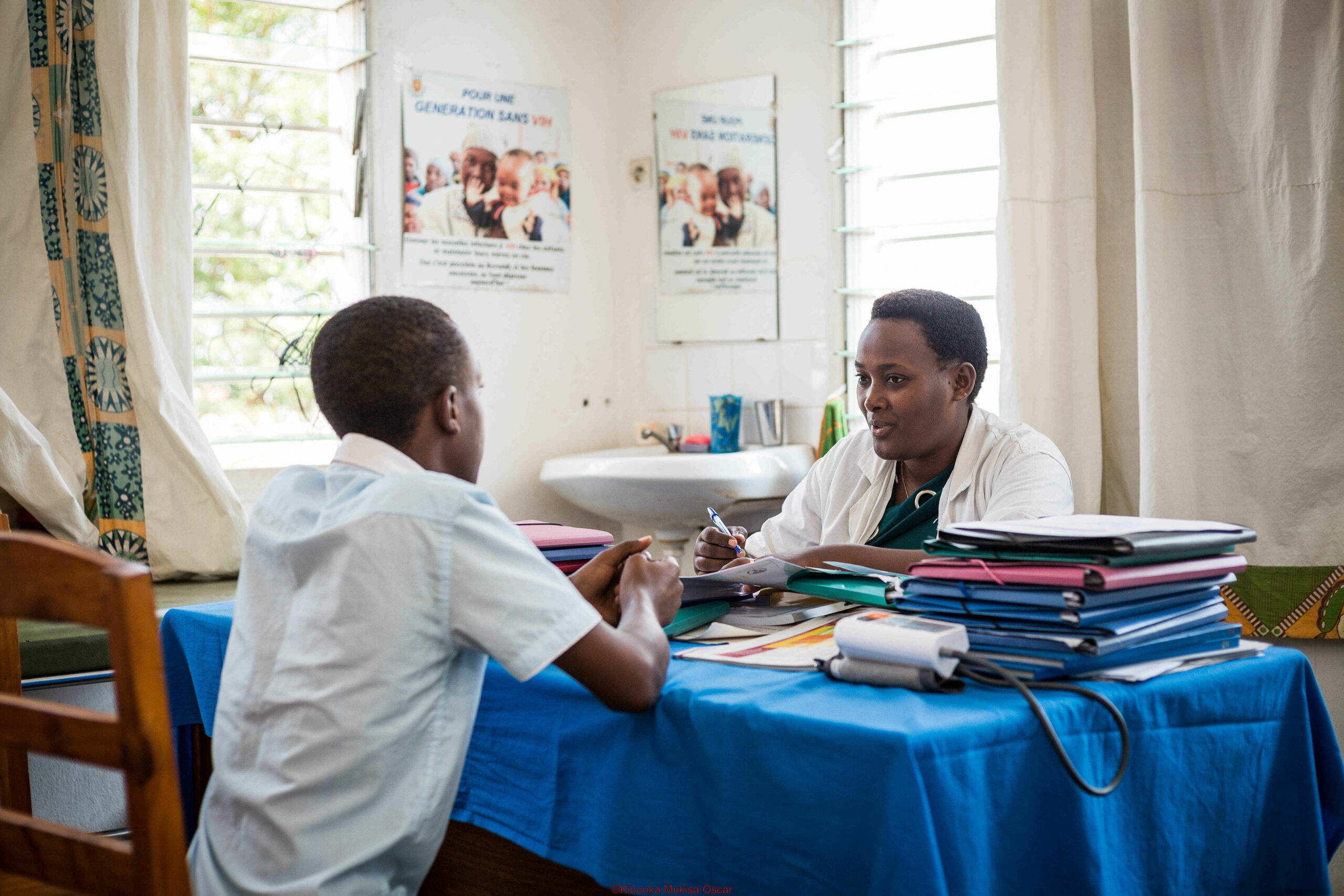
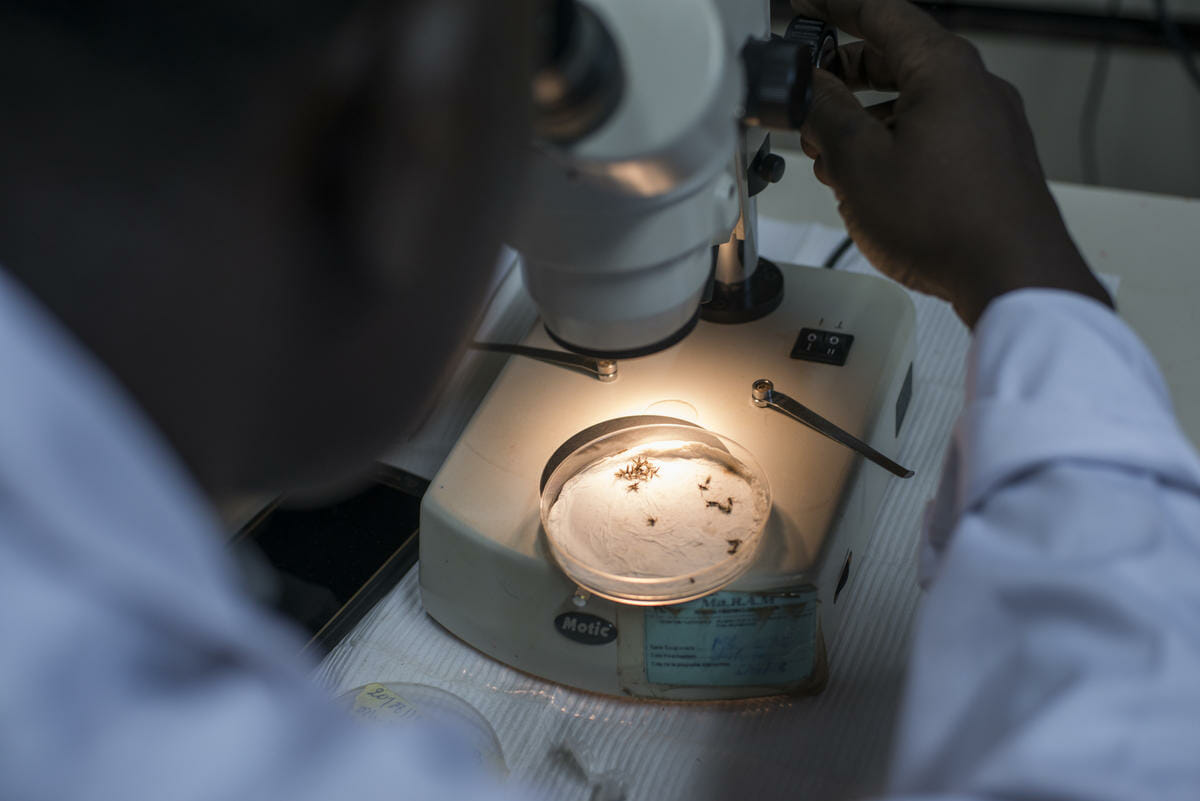
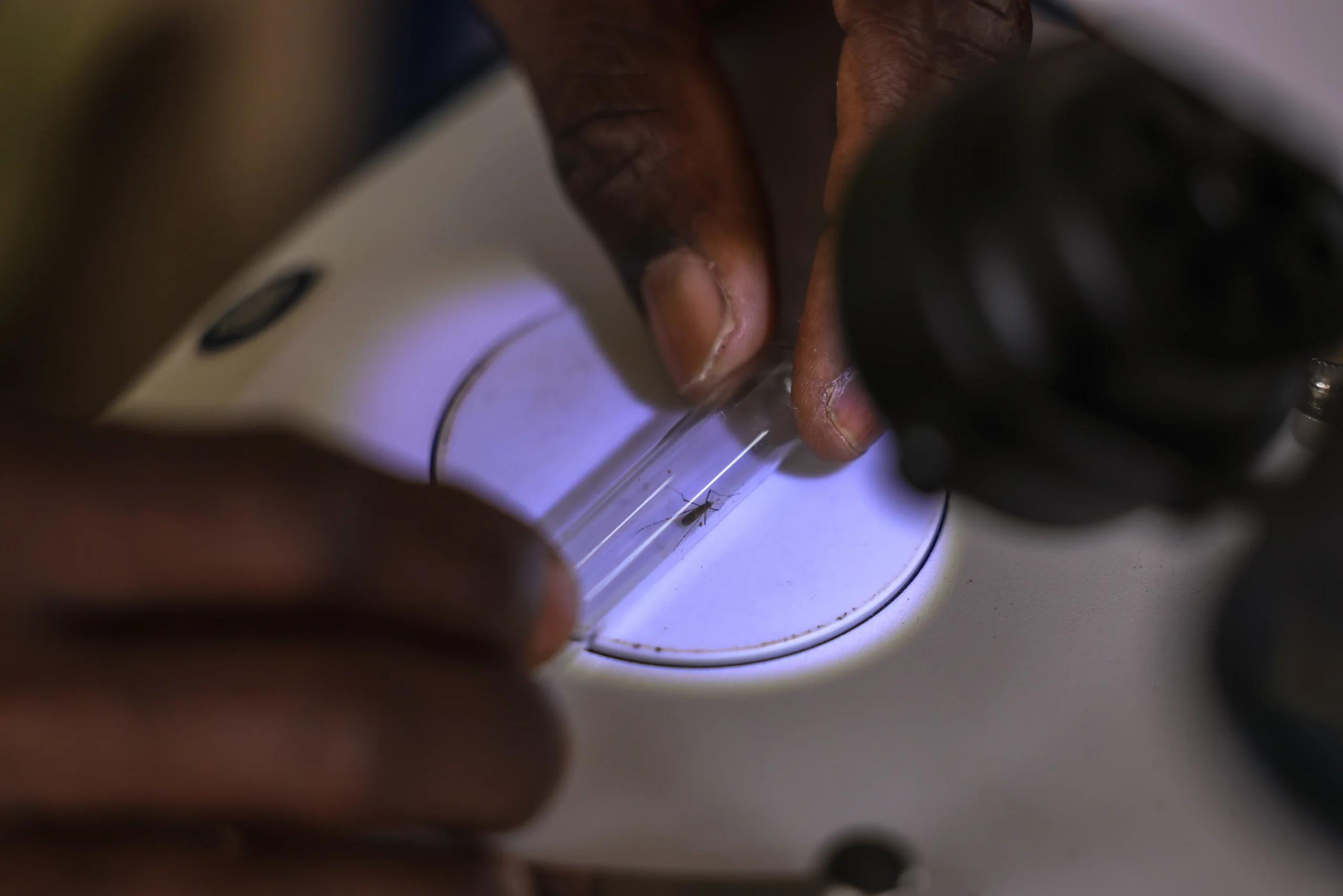
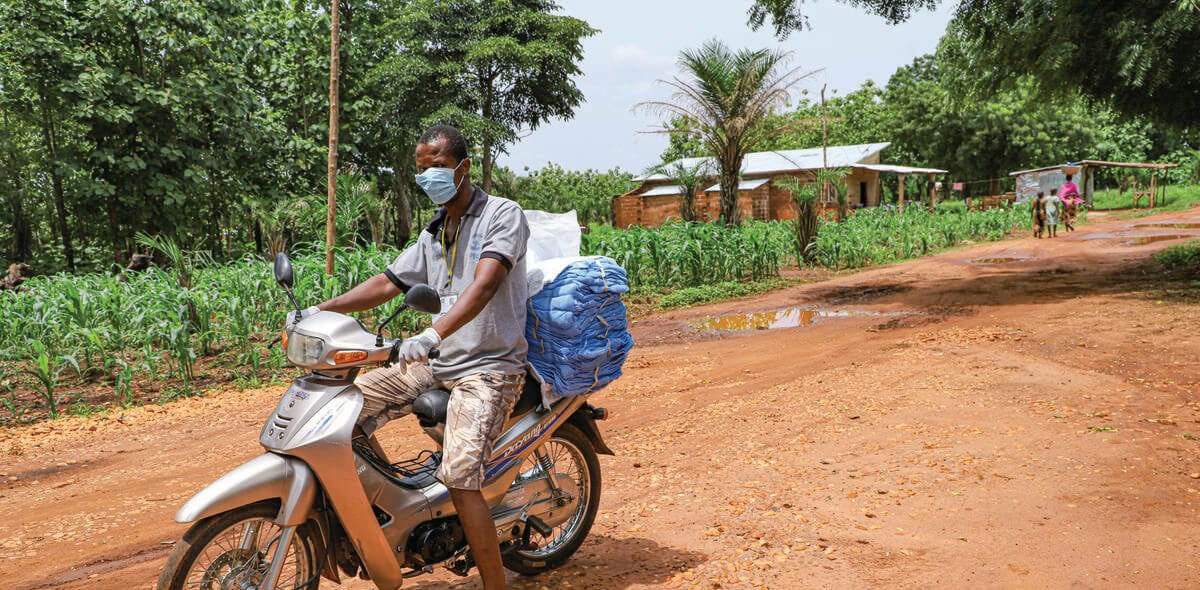
Since the project began, the results have confirmed the value of this approach. By 31 December 2025, more than 25,000 seasonal workers had received malaria treatment in line with national guidelines, while more than 36,000 suspected cases had received a diagnostic test. Over the same period, 35 farms had put in place the planned arrangements for distributing and hanging insecticide-treated nets. More than 600 people were also trained to strengthen care and improve service quality.
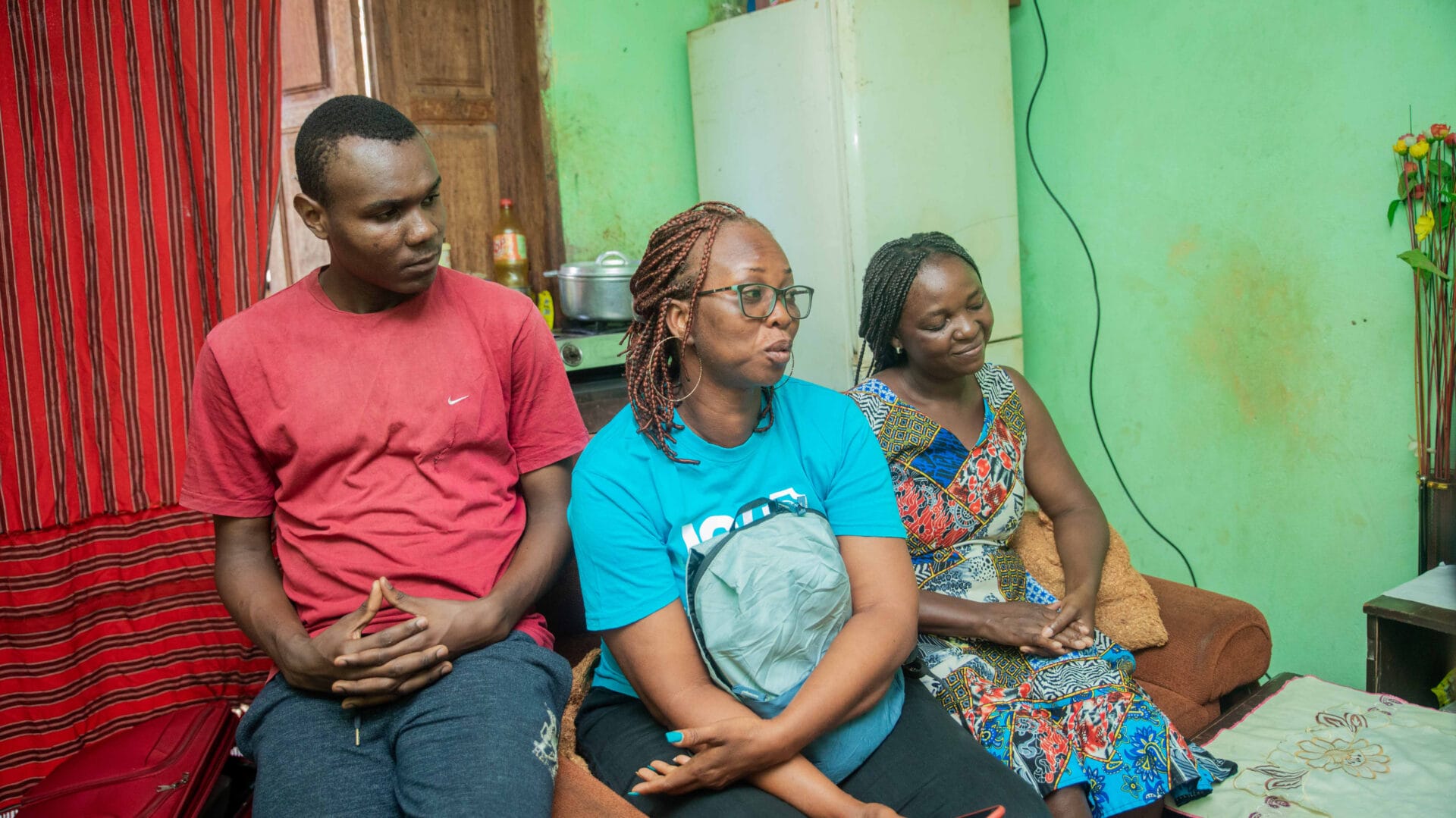
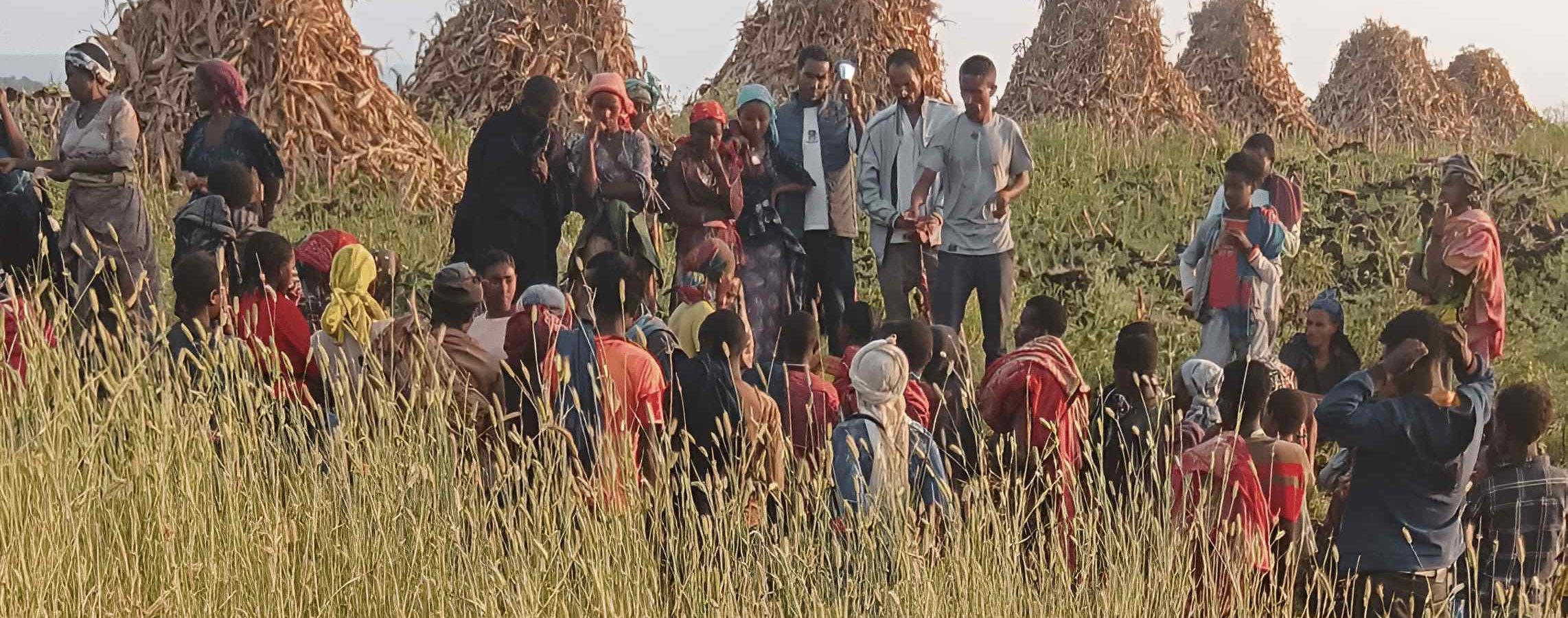
The project does not stop at care. It also relies on community communication, with “mini-media clubs” on farms to encourage exchanges between farm owners and seasonal workers, local radio messages and health education sessions delivered directly to workers. In areas where group meetings remain difficult to organise because of the security situation, Sennay has prioritised outreach activities that are more flexible, more discreet and better suited to realities on the ground.
Turning field experience into a national resource
One of the project’s major achievements is the production of a national operational manual for malaria services targeting seasonal workers. Validated by Ethiopia’s Ministry of Health, the document should help better organise interventions along development corridors, beyond farms alone. It marks a turning point: seasonal workers are no longer seen only as a hard-to-reach population, but as a group whose needs must be integrated into the national strategy.
This is where Sennay takes on its full significance. The project is not only trying to treat more people; it is also showing that another organisation of services is possible, based on proximity, local coordination, digital monitoring and advocacy. In a region where malaria remains tied to working conditions, mobility and fragile health systems, this approach offers a fairer — and more sustainable — response.
Ultimately, Sennay reminds us that fighting malaria is not just about distributing medicines or bed nets. It is also about understanding the lives built around the disease, and designing services able to respond to them.