
“Health policies are more effective when they’re built with communities”
Cambodia has reached UNAIDS‘ 95-95-95 targets, a major milestone in the fight against HIV. But how can this progress be sustained over time? For the regional REGENERATE project, led by APCASO and supported by L’Initiative, the answer lies in better integrating gender issues, sexual rights, and the role of civil society into public policymaking. An interview with Choub Sok Chamreun.
Cambodia has reached UNAIDS’ 95-95-95 targets. Why is it still necessary to keep transforming health policies?
Choub Sok Chamreun: Reaching the 95-95-95 targets (95% of people living with HIV know their HIV status, 95% of people who know their status are receiving HIV treatment, and 95% of people on treatment have an undetectable viral load) is a major achievement, but it doesn’t mean the epidemic is over. In 2025, we recorded 958 new HIV infections – around three new cases every day. 88% of these were among young people in key populations. What concerns me isn’t just the number, it’s what it tells us: even with excellent treatment, some populations remain vulnerable. Barriers linked to gender, stigma, and discrimination continue to hold back access to services. This is precisely where REGENERATE comes in.
What makes REGENERATE’s approach different?
Choub Sok Chamreun: REGENERATE starts from a simple observation: improving the response to HIV, tuberculosis, and malaria depends less on medical tools alone than on the quality of dialogue between decision-makers and the people affected. The project, funded by L’Initiative, strengthens the capacity and leadership of civil society organisations, enabling them to participate fully in public health decision-making. The goal is to durably integrate gender justice and sexual rights into national policies, to build health systems that are genuinely inclusive and equitable.
Why put civil society at the heart of the project?
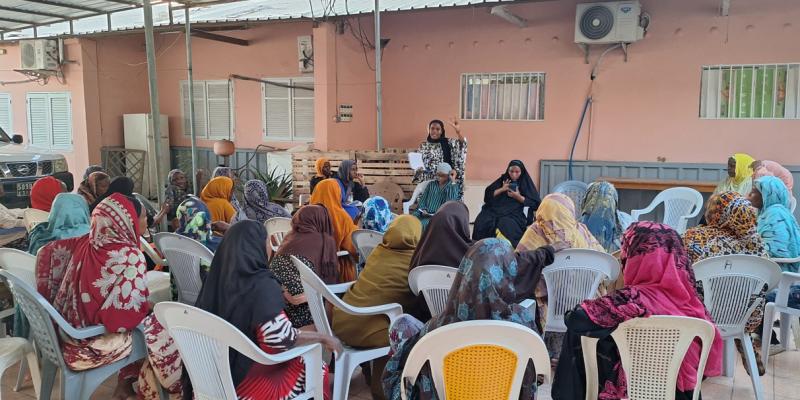
Choub Sok Chamreun: Community organisations have something decision-makers don’t: direct access to the realities people actually live. In Cambodia, REGENERATE has built a national platform bringing together 32 organisations and 41 members working on HIV, tuberculosis, malaria, gender equality, and sexual rights. These spaces make it possible to identify shared priorities, carry a credible collective advocacy voice, and engage with health authorities on equal footing. As a result, public policies become more firmly rooted in realities on the ground.
Training is central to the project. What role does it play?
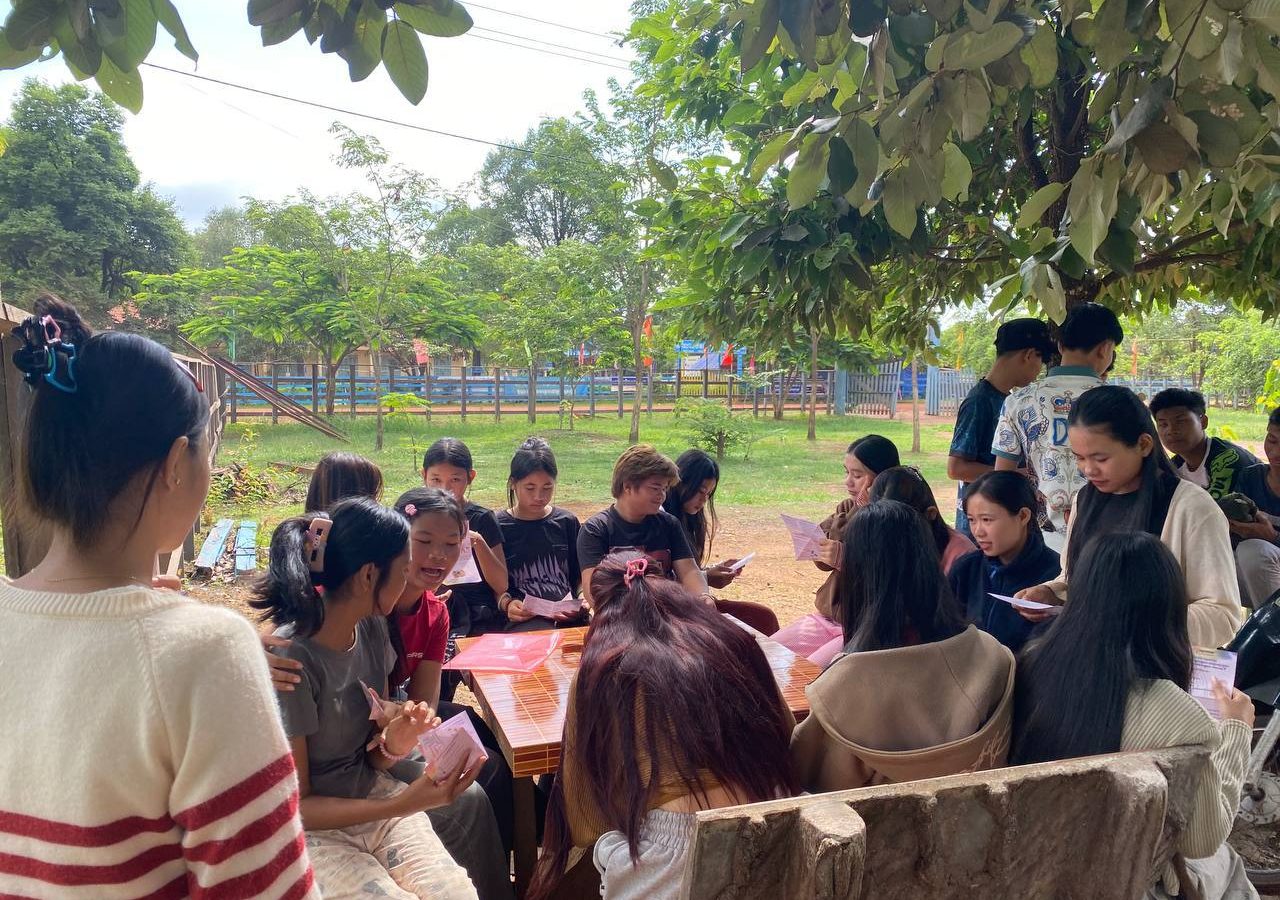
Choub Sok Chamreun: The REGENERATE Leadership & Learning Institute and the OXYGen KIT programme were designed with the support of L’Initiativeto build the skills of community leaders in leadership, advocacy, human rights, and gender-transformative programming. We have trained 16 trainers, who are now cascading these approaches within their own organisations. But beyond knowledge alone, these trainings are creating a network of people who speak the same language and can engage effectively in decision-making spaces.
Are you already seeing concrete changes?
Choub Sok Chamreun: Yes, clearly. Organisations are working together more, and carrying shared messages to decision-makers. One concrete example: the project helped integrate gender justice and sexual rights issues into the preparation of Cambodia’s Global Fund Grant Cycle 8 Funding Request, while L’Initiative also supports the tuberculosis component of the grant. That wouldn’t have happened without this collective work. National platforms are gradually becoming spaces for dialogue that are recognised – and listened to – by government authorities and technical partners.
What legacy do you want to leave once the project ends?
Choub Sok Chamreun: Sustainable structures. We want to leave behind better-organised communities, strong partnerships, and dialogue mechanisms capable of continuing to influence policy long after the project ends. Our conviction is simple: health systems become more effective, more resilient, when the people concerned are genuinely involved in shaping them.