
Sexual health: expanding access, adapting responses
Sexual health is an essential part of everyone’s life and wellbeing, throughout their lives. Yet needs are too often insufficiently met, and access to services remains marked by inequality, stigma, and ill-suited responses.
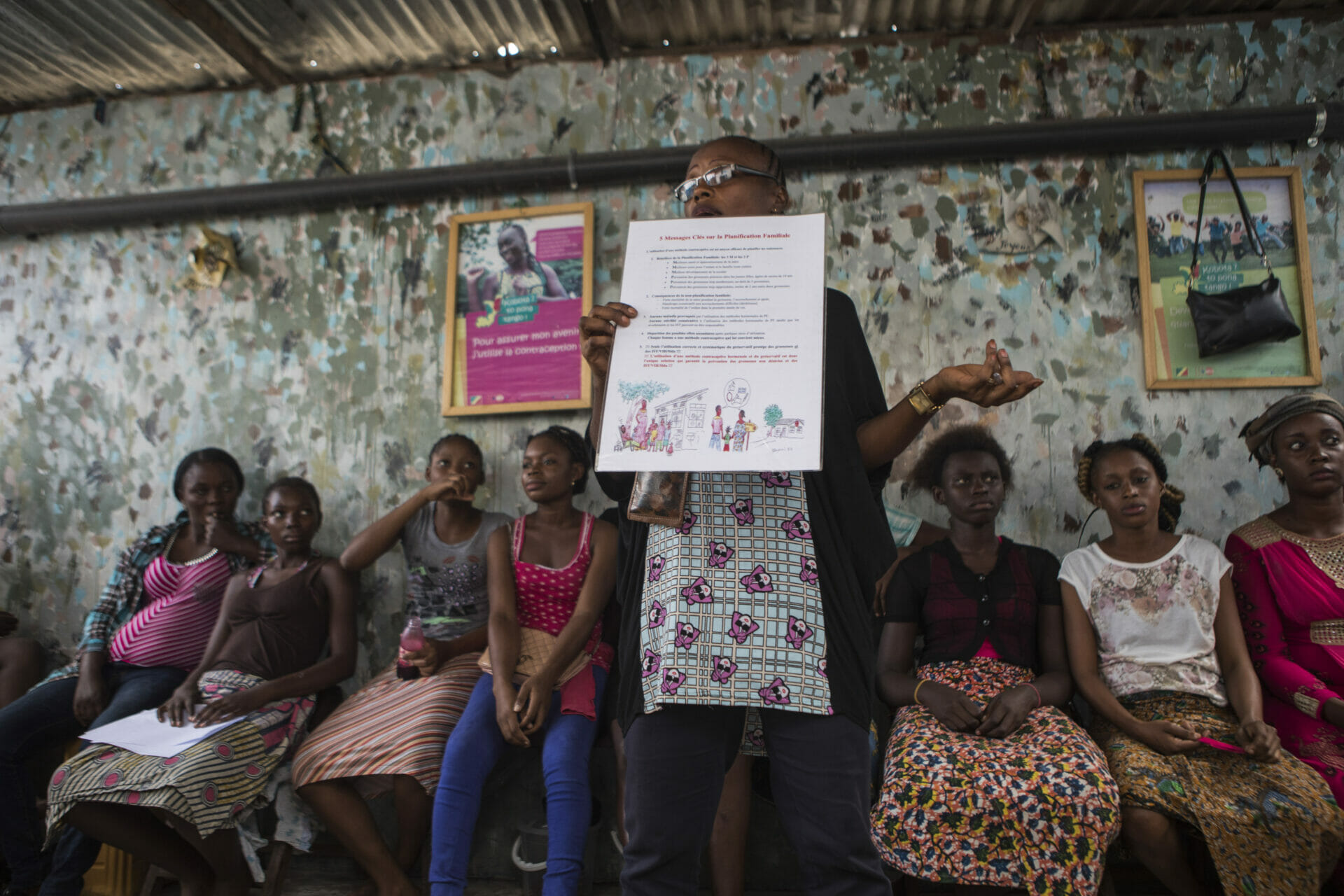
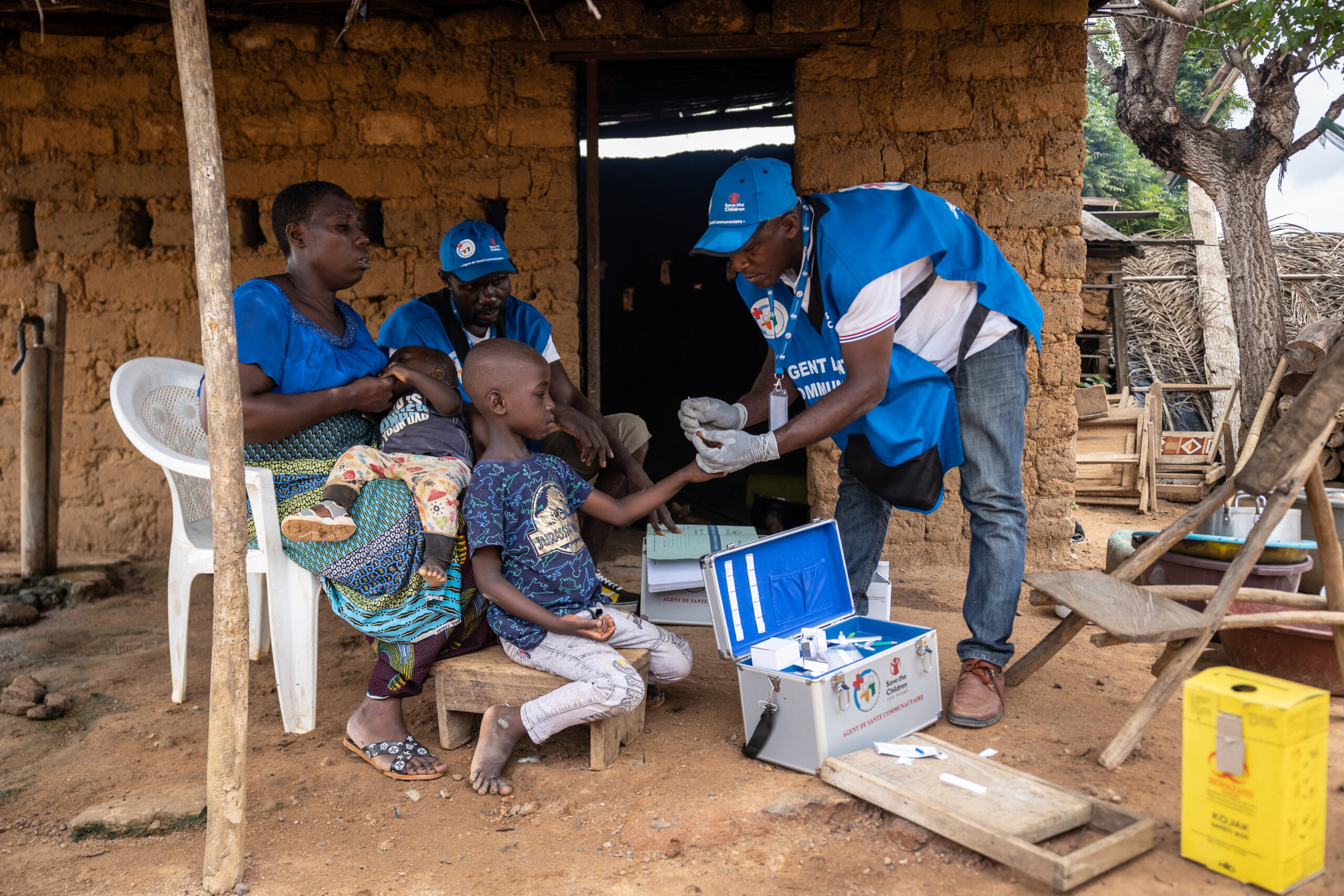
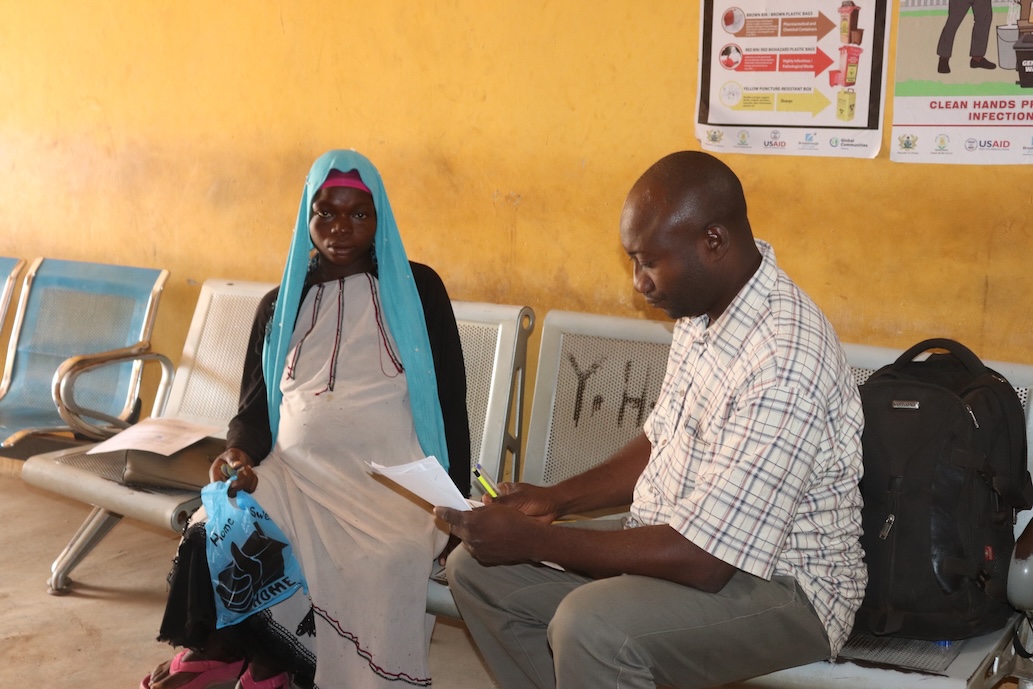
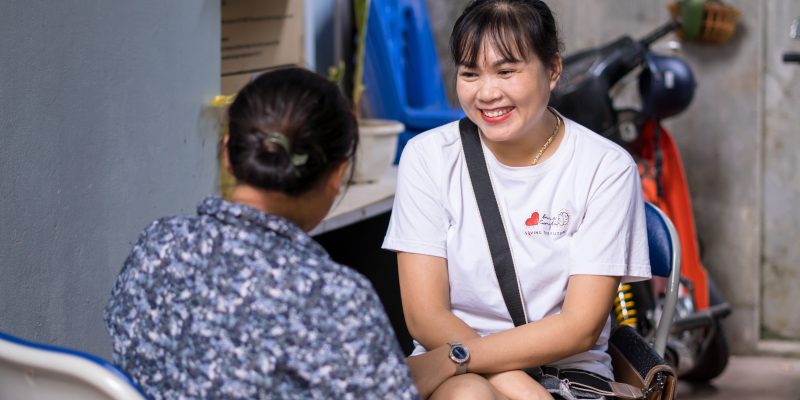
On World Sexual Health Day, L’Initiative looks back at several of its actions in support of sexual and reproductive health and rights. These aim to strengthen access to appropriate care, support people’s health journeys, and reduce the barriers faced by the most vulnerable populations. Because sexual health needs evolve throughout life, L’Initiative supports responses that accompany people at every stage: protecting themselves from infections and violence, choosing contraception, accessing screening, or looking after their mental health. All are levers for strengthening the autonomy and agency of everyone.
Responding to the diversity of sexual health needs
Beyond preventing infections, sexual health also means being able to access appropriate care, talk about difficult subjects, and be supported through one’s journey without judgement. The responses backed by L’Initiative seek to better address this diversity of needs.
POUVOIR+: an integrated response for the sexual and reproductive health and rights of key populations
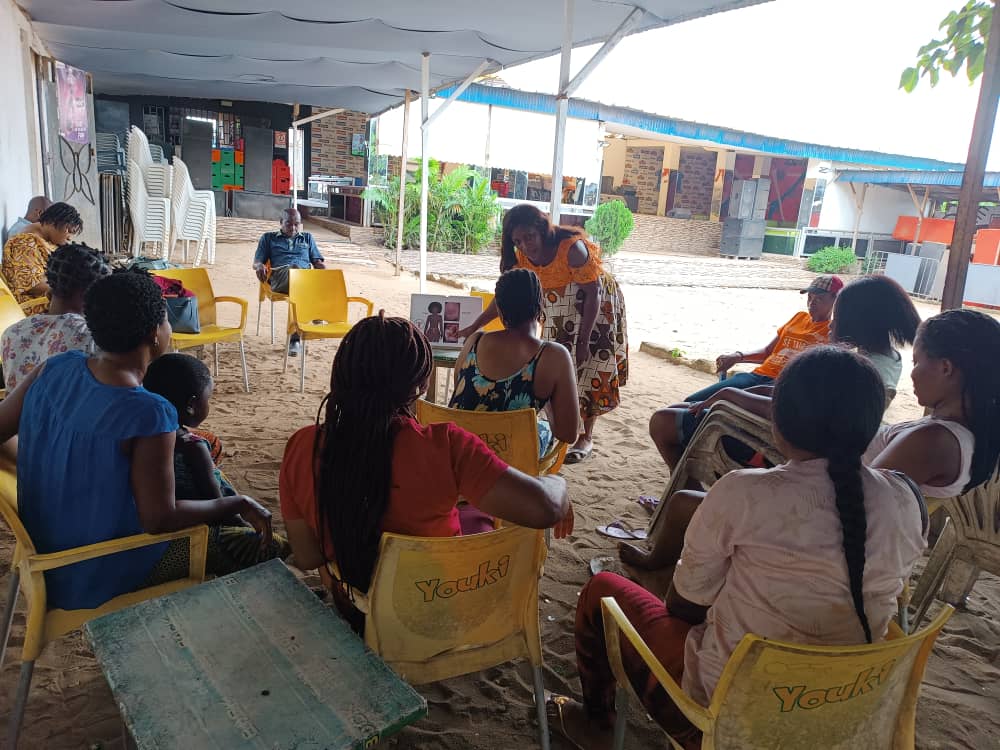
In Côte d’Ivoire, POUVOIR+ broadens the response for key and vulnerable populations by combining sexual and reproductive health, mental health, action against violence, and strengthened agency. The project draws on self-gynaecology, self-care, and self-defence workshops, and mobilises psychologists based in partner medico-social centres. Noël N’Guessan, SRHR project coordinator at Solthis, discusses the self-gynaecology workshops, peer educators, and the conditions for sustainability.
“Anal health isn’t for one particular population: it concerns everyone”
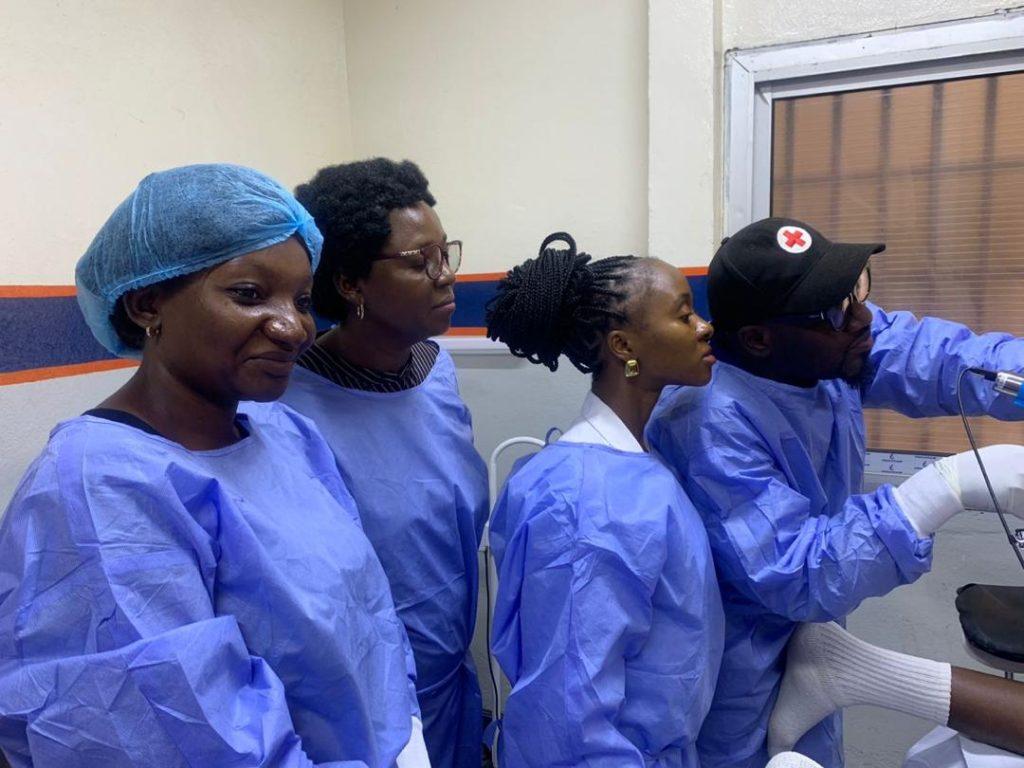
In Cameroon, the PHOENIX project is tackling a subject still largely shrouded in silence and stigma. In Yaoundé and Douala, it strengthens access to proctology care for key and vulnerable populations by combining community outreach, provider training, hospital referrals, and information tools such as ProctoBot, a confidential chatbot. Ulrich Mvate, executive director of Humanity First Cameroon Plus, discusses the health, social, and political dimensions of a still largely unspoken subject.
Preventing early, screening widely
Some sexual-health-related diseases can be prevented when prevention and screening are made accessible close to where people live. Cervical cancer is the clearest example: it is the only major non-communicable chronic disease that can be eliminated.
Human papillomavirus and cervical cancer: elimination is possible, but requires sustained action
Vaccination, screening, and treating precancerous lesions are key to eliminating cervical cancer, yet it remains Africa’s second most common cancer in women, with 85% of global cases recorded there. Women living with HIV face six times the risk, making screening essential. Under POUVOIR, trained peer educators offered self-collected vaginal samples at sex-work sites in Abobo: over 600 sex workers were screened, and every woman testing positive received treatment.
Preventing and caring at every stage of life
Sexual health needs change with age and life circumstances. Adolescence, parenthood, ageing, or living with a chronic illness: improving access to care means adapting services, but also supporting people through the moments when their needs shift.
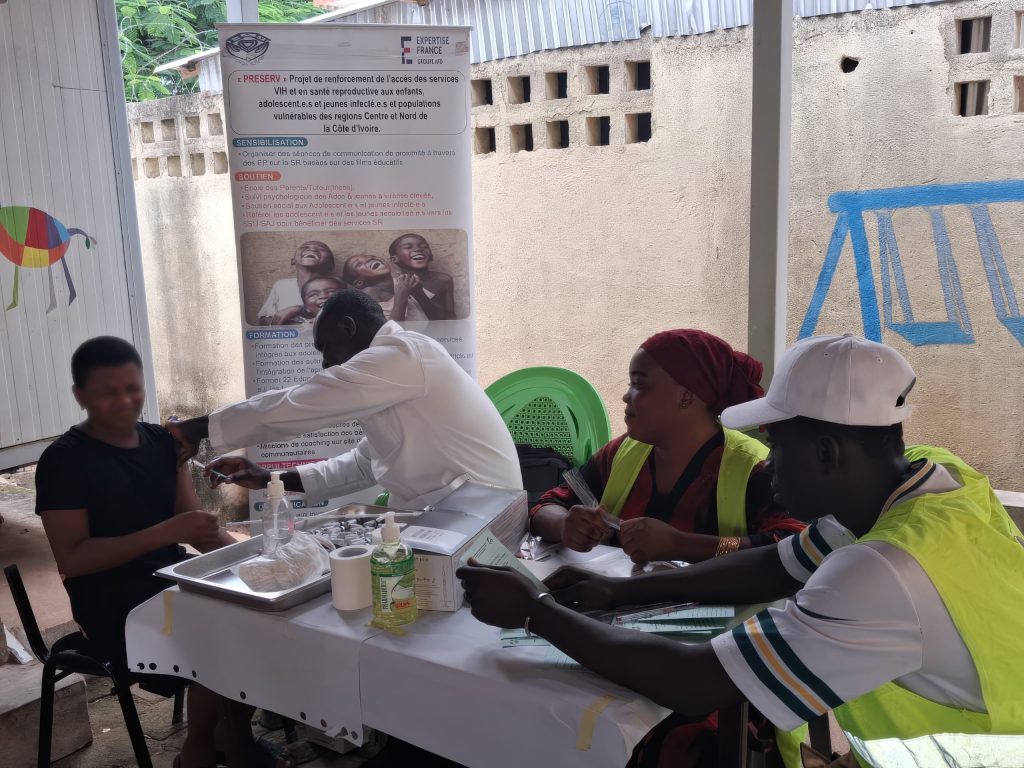
“A young person living with HIV cannot carry the weight of their treatment alone”
In Côte d’Ivoire, PRESERV 2 supports children, adolescents, and young people living with HIV by combining clinical follow-up, psychosocial support, sexual and reproductive health, and support for their families. The “family approach” developed by Centre SAS aims to jointly mobilise health providers, siblings, psychologists, and peer educators trained in sexual and reproductive health.
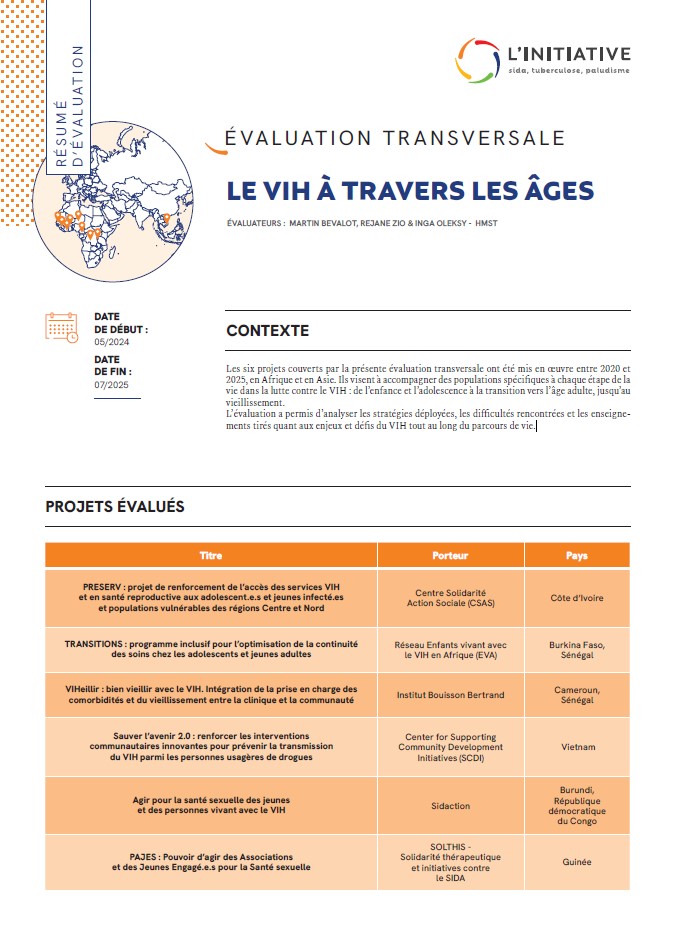
HIV across the ages: adapting responses to life journeys
A cross-cutting evaluation of six projects supported by L’Initiative examines how needs evolve from childhood through to old age, and highlights the importance of adapting care provision, psychosocial support, and advocacy to each stage of life.
Breaking down the barriers that keep people from care
Discrimination, violence, precarity, administrative status, or fear of judgement can keep some people away from health services for good. Addressing these obstacles is an integral part of promoting sexual health, so that everyone can access care.
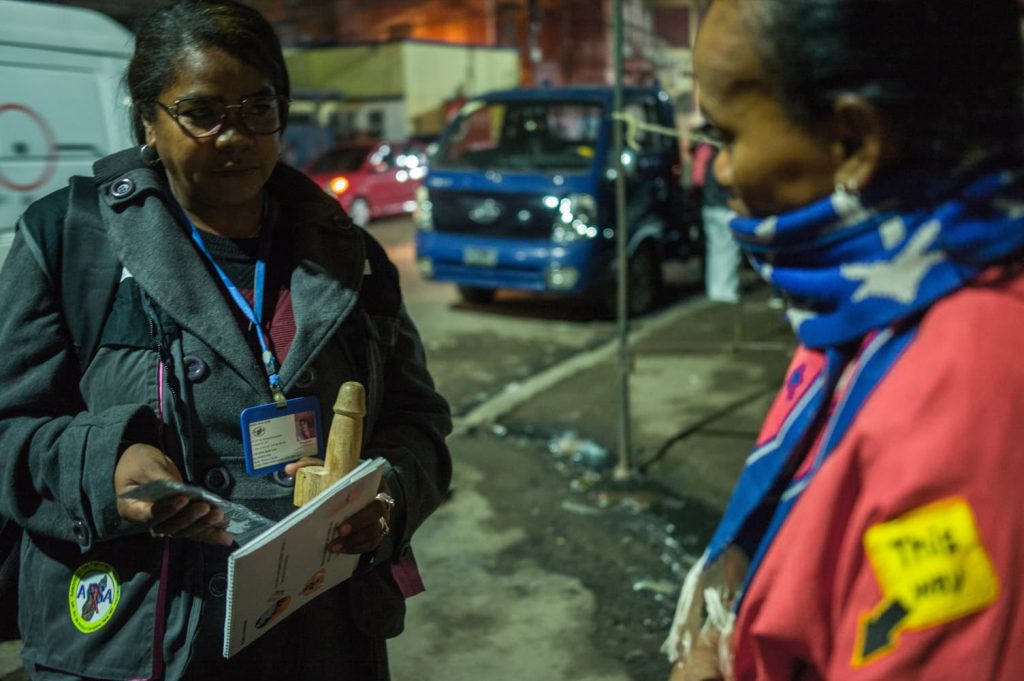
Working with and for sex workers
Sex workers are particularly exposed to factors that undermine their sexual health: stigma, violence, precarity, or stockouts of health products. In Benin, Cameroon, Côte d’Ivoire, Ethiopia, and Madagascar, the approaches differ, but they share the same principle: acting with the people concerned rather than on their behalf.
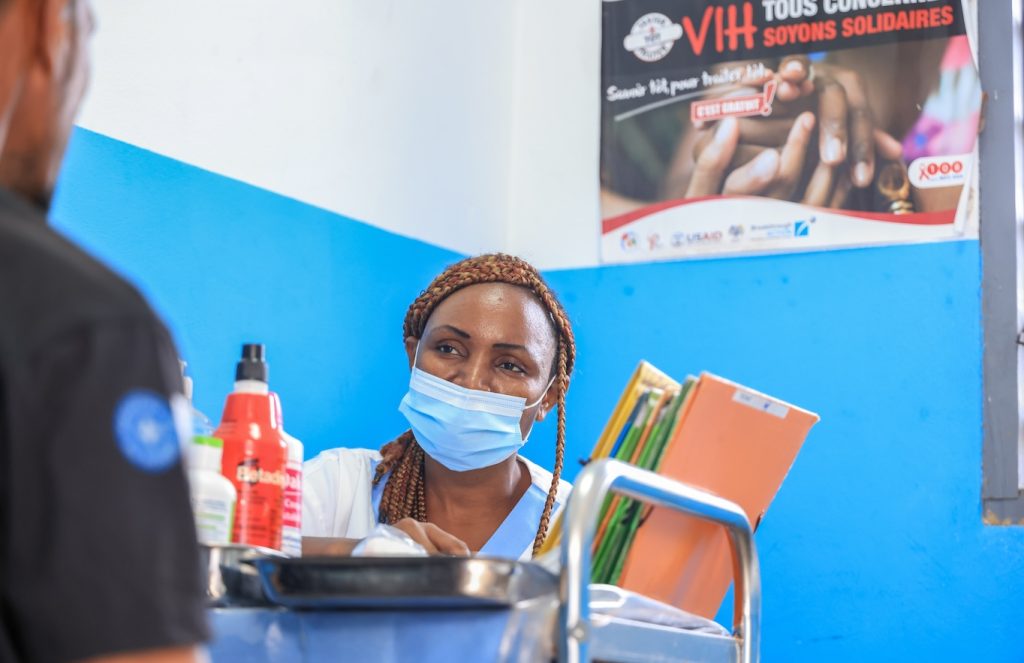
When online hate threatens access to care: the anti-woubi crisis in Côte d’Ivoire
A wave of hatred that began on social media quickly had concrete health consequences, including fear of leaving home and the interruption of community activities, which made access to prevention and treatment more difficult. Isabelle Kouamé, of UNAIDS Côte d’Ivoire, discusses the response led together with community organisations.
Making communities key players in sexual health
Improving sexual health also means recognising individuals and community organisations as full partners in health responses. Their knowledge of local realities, their ability to reach populations, and their role in advocacy all help drive change in services and public policy.
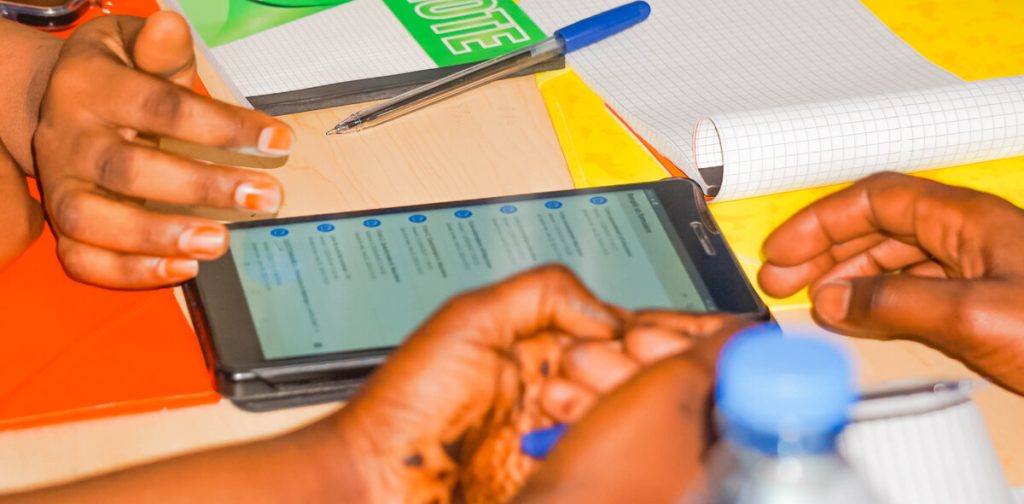
Community data for a better understanding of needs
Through FORSS2, L’Initiative supports the development of community observatories in several countries across the MENA region, to document access to HIV services and give community actors the means to bring their findings to decision-makers.
Health policies built with the people concerned
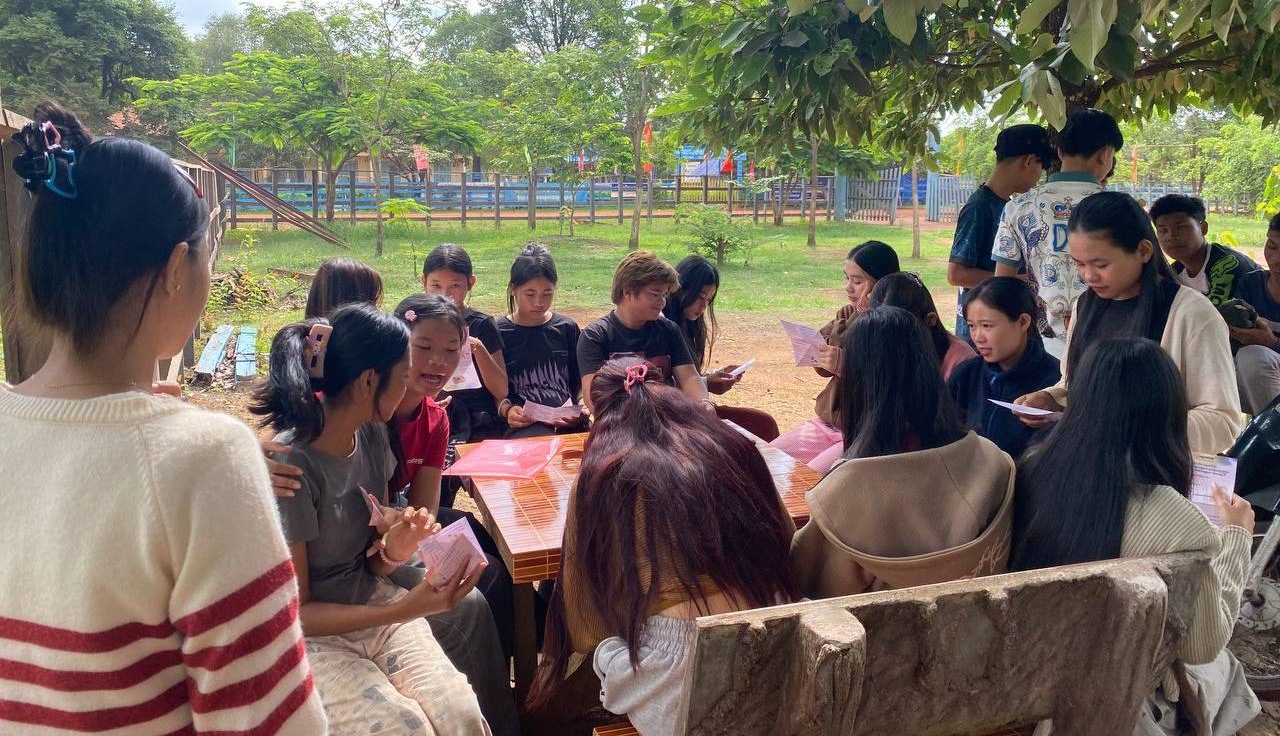
In Cambodia, REGENERATE strengthens the advocacy capacity and leadership of community organisations to better integrate gender and sexual rights issues into health strategies. The national platform it has established helped bring these issues into the country’s Funding Request to the Global Fund’s Grant Cycle 8.
Sexual health, a right for everyone
Preventing infections, getting screened, accessing contraception, looking after one’s reproductive health, receiving reliable information, or being able to live and talk about one’s sexuality without fear: sexual health covers many different realities. The interventions supported by L’Initiative show that there is no single answer. It rests on accessible, appropriate services, on communities able to act, on trained professionals, and on the effective protection of rights. World Sexual Health Day is an opportunity to remember that access to sexual health is not a privilege: it is a matter of the right to health.