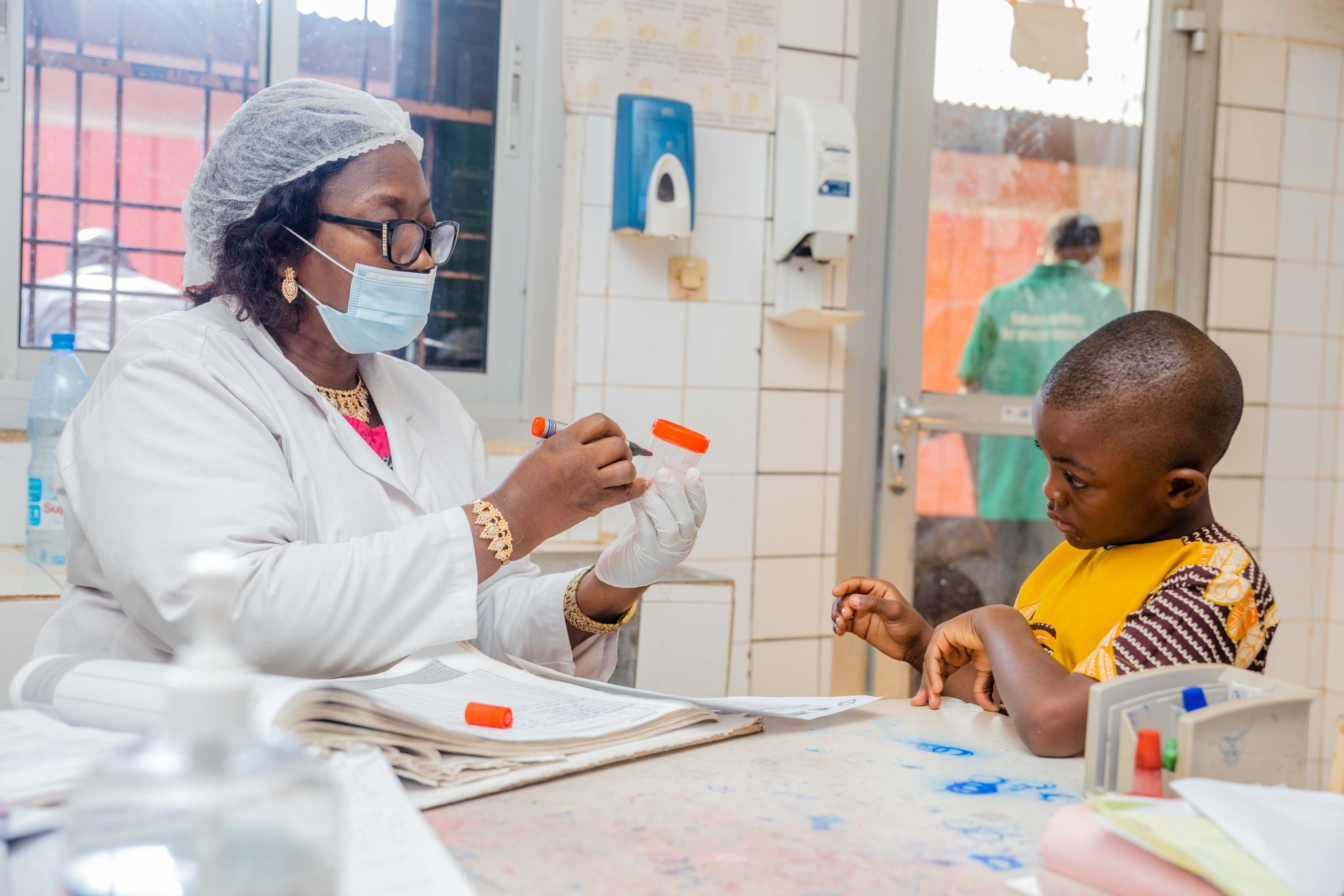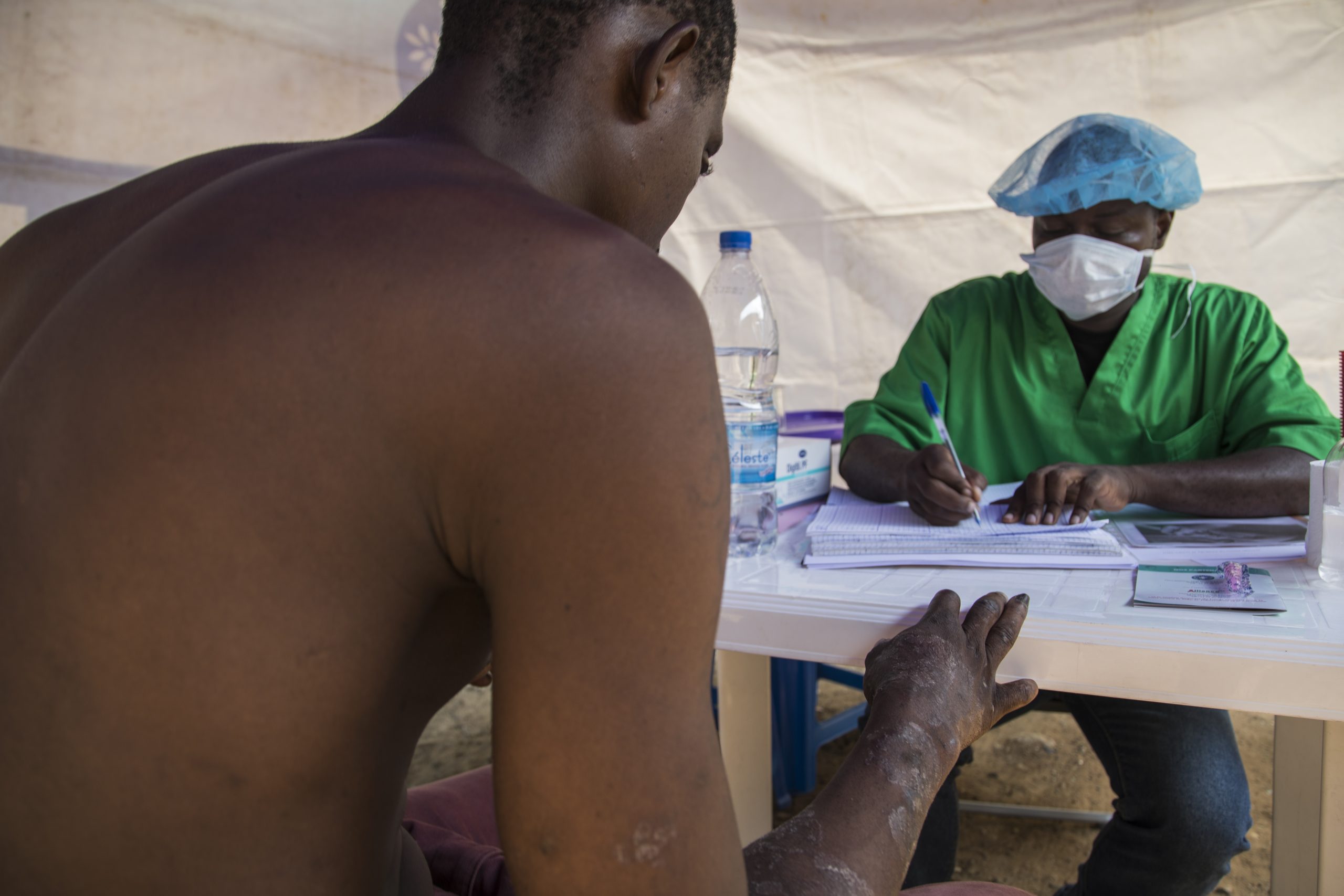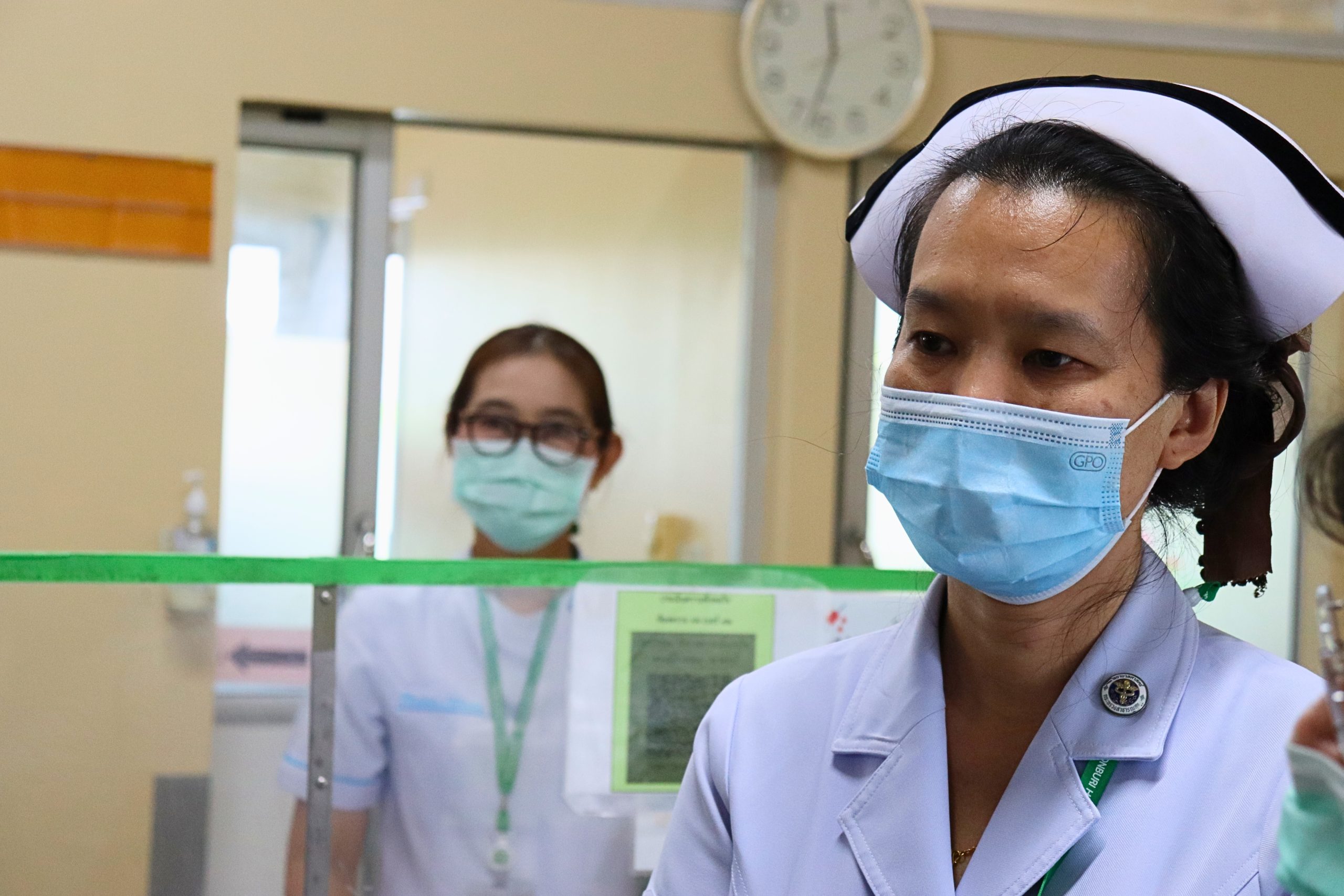
In five African countries, OSCAR-TB aims to optimise the use of new short-course all-oral treatments for drug-resistant tuberculosis, ensuring their efficacy and safety, preventing resistance and informing national strategies.
Context
Since 2024, new six-month, all-oral treatment regimens have been recommended for multidrug-resistant or rifampicin-resistant tuberculosis (MDR/RR-TB). Their efficacy and safety have been demonstrated in clinical trials, but scaling them up within national programmes poses significant challenges in health systems characterised by decentralised care, uneven infrastructure, limited pharmacovigilance and insufficient human resources. Defining safe and equitable strategies for their introduction is therefore essential to preserve the effectiveness of these treatments, ensure access for all and prevent the emergence of new drug resistance.
Description
OSCAR-TB is an implementation research project. Working with national stakeholders, it aims to define and evaluate strategies for the safe use of shorter treatment regimens through a mixed-methods cohort study (quantitative, qualitative and economic), involving patients recruited over an 18-month period and followed for up to six months after completing treatment. The project is structured around four areas of intervention:
- Analyse and engage: making use of existing programme data and organising national dialogues to define introduction strategies tailored to each context;
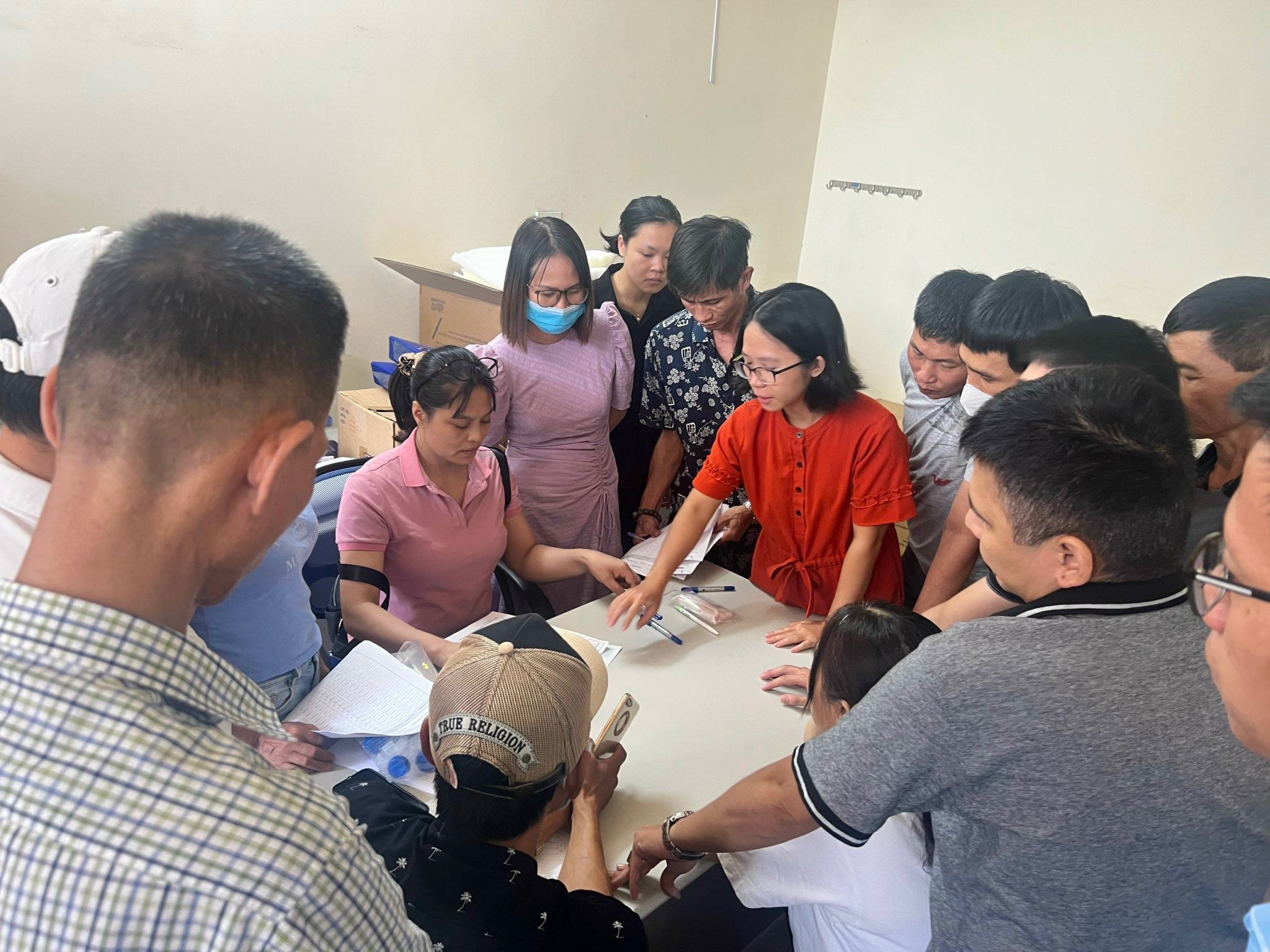
- Train and evaluate: providing training in adverse event monitoring, followed by five cohort studies assessing efficacy, safety, feasibility, acceptability and costs;
- Monitor drug resistance: establishing regional molecular surveillance of drug resistance through the Supranational Reference Laboratory (SRL) in Cotonou;
- Integrate gender considerations: identifying and addressing gender-related barriers to ensure equitable access to treatment and treatment success.
Impact
OSCAR-TB aims to generate strategic evidence to support the safe and effective introduction of short-course all-oral treatments for MDR/RR-TB in West and Central Africa. Complementing Global Fund financing, it strengthens the capacities of National Tuberculosis Programmes (NTPs) and lays the foundations for sustainable regional drug-resistance surveillance. Shared with the 27 member programmes of the WARN/CARN-TB network—which covers nearly 30% of the regional MDR/RR-TB burden—its findings are intended to foster a harmonised, evidence-based response.