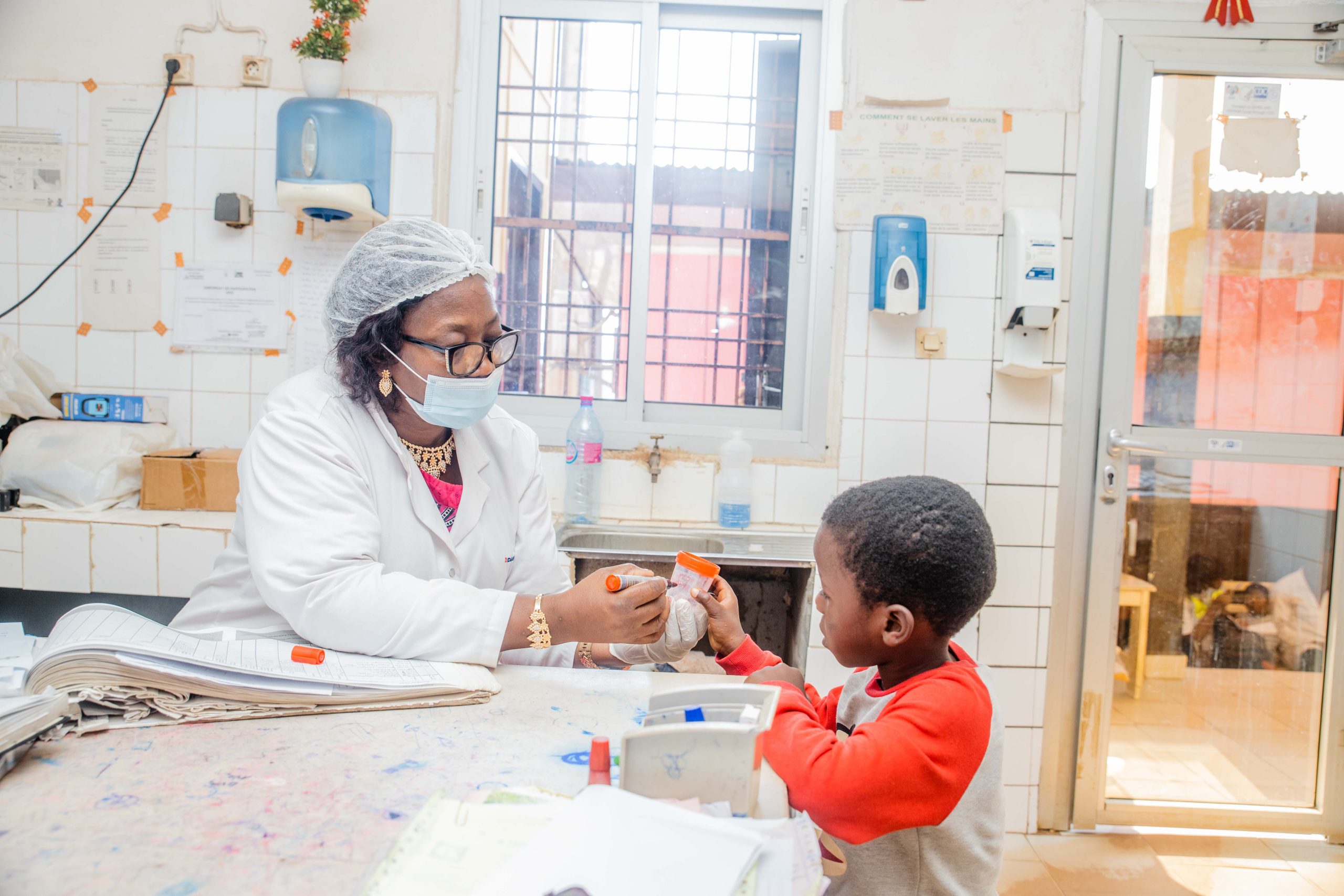
In Senegal, PREV-IN-CARE aims to sustainably improve the prevention and integrated management of tuberculosis, HIV, sexually transmitted infections (STIs) and viral hepatitis in prison settings, taking gender and human rights considerations into account.
Context
In Senegal, the prison healthcare system faces several major challenges, including overcrowding (an occupancy rate of 257% at the end of 2024), cramped living conditions in correctional facilities, limited healthcare provision and inadequate equipment. These factors contribute to the spread of tuberculosis, HIV, STIs and viral hepatitis. With only two doctors responsible for coordinating healthcare provision across 37 correctional facilities, the prison healthcare system struggles to adequately meet the needs of people in detention and ensure continuity of care after their release. The PREV-IN-CARE pilot project operates in three representative facilities: Rebeuss Remand Prison (men), Thiès Remand and Correctional Facility (mixed-gender) and Liberté 6 Women’s Remand Prison. Together, these facilities account for one-third of the country’s prison population.
Description
PREV-IN-CARE is based on a tripartite partnership between civil society, the justice sector and the health sector, and is structured around three areas of intervention:
- Integrated prevention and care: strengthening healthcare facilities and equipment (diagnostic equipment, ventilation systems and isolation rooms), expanding screening, ensuring continuity of care and follow-up after release, training staff and peer educators, and raising awareness among people in detention;
- Human rights, gender and protection of vulnerable populations: addressing the specific needs of women, girls and children living with their mothers in prison, providing psychosocial support, documenting and addressing gender-based violence, and advocating for alternatives to imprisonment for detainees with health conditions;
- Knowledge generation and dissemination: producing strategic data, notably through a knowledge, attitudes and practices (KAP) survey, to inform the planning processes of the DGAP and the Ministry of Health and Public Hygiene.
Impact
The project benefits more than 350 prison staff and approximately 4,600 people in detention. It aims to generate replicable and transferable lessons to support the nationwide rollout of integrated prison-based healthcare and inform public health and justice policies.