
Eamonn Murphy: “Without community leadership, there is no sustainable HIV response”
As international funding for HIV tightens and essential services for the most exposed populations face growing pressure, countries in Southeast Asia are being forced to rethink how they sustain their responses. With support from France through L’Initiative, UNAIDS is working with Cambodia, Lao PDR, Thailand and Vietnam to accelerate a shift toward more durable domestic financing, grounded in reliable evidence and stronger participation of community-led actors in funding decisions.
Six months after the project’s launch, early progress is visible and longer-term challenges are coming into focus. To understand what is at stake and what is changing on the ground, we spoke with Eamonn Murphy, UNAIDS Regional Director for Asia-Pacific, Eastern Europe and Central Asia, who oversees this work in the region.
Six months into implementation, what do you see as the main achievements of the project so far — and why do they matter for the sustainability of HIV responses in the region?
Eamonn Murphy : We launched just as the global HIV response ran into an unprecedented financing crisis. Governments and communities have demonstrated remarkable leadership in addressing their funding challenges this year. But without further action, the disruptions could easily derail prevention, treatment and rights. Our project with L’Initiative is built to help countries pivot toward more domestic financing, especially for the most underfunded essentials—key population programming and community-led services.
The early wins are about putting robust plans into action. All four countries now have sustainability planning moving at pace:
- Thailand is prioritizing the sustainability of community-led responses. This is critical to reaching the people most at risk.
- Vietnam is strategizing for provinces where budgets and access are decided.
- Cambodia is aligning with the evolving financing landscape, new global guidance and its upcoming Least Developed Country (LDC) graduation strategies.
- Lao PDR conducted a national sustainability assessment to anchor sustainability priorities.
Think of these roadmaps as a country’s flight plan: they chart the smartest course for funding, especially when external support dips. We’re also supporting countries to generate the evidence that makes smart spending possible.
This initiative builds on years of work already led by governments and communities to tailor programmatic choices. We are very grateful to the people and government of France for helping to catalyse and sustain this critical effort.
Several countries, including Vietnam and Thailand, are exploring new domestic financing options. What concrete steps have you observed?
Financing reform isn’t a light switch—it’s a system shift. It requires evidence, coalition-building with governments and communities and persistence. The scaffolding is in place. Across all four countries, governments are leading on sustainability roadmaps that explicitly address HIV financing—how to protect prevention, treatment and community services in national budgets.
For Thailand which already funds more than 90% of its HIV response, this project is helping them improve how resources flow to community providers. It also strategizes for additional sources of financing, including from the private sector. Vietnam had steadily grown domestic funding and is already covering treatment under social health insurance. They are now building HIV into broader health financing instruments and provincial budgets, so prevention services are also reliably funded where people actually seek care.
Across countries we are working with governments to shift the HIV response into long-term policy and budget planning. This is the only path to sustainability.
Strengthening community-led responses is a core ambition. How are you ensuring these organizations can actually sit at the financing table?
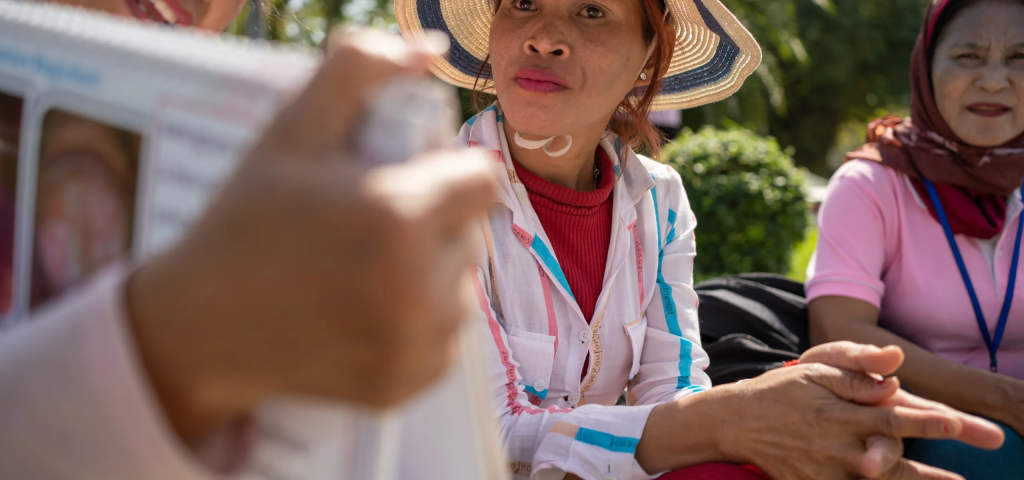
There is no sustainable HIV response without community leadership. Yet many community organizations rely on external grants and feel funding shocks first.
With partners we are documenting real unit costs for community-led services so planners can include them in national resource needs and social contracting. This work has begun in Cambodia and Lao PDR. We are also helping civil society organizations build capacity to access domestic public funds, private sector support and local mechanisms. This reduces reliance on single grants. Civil society leaders will receive health financing and budget advocacy training so they can engage on equal footing with planners and finance officials.
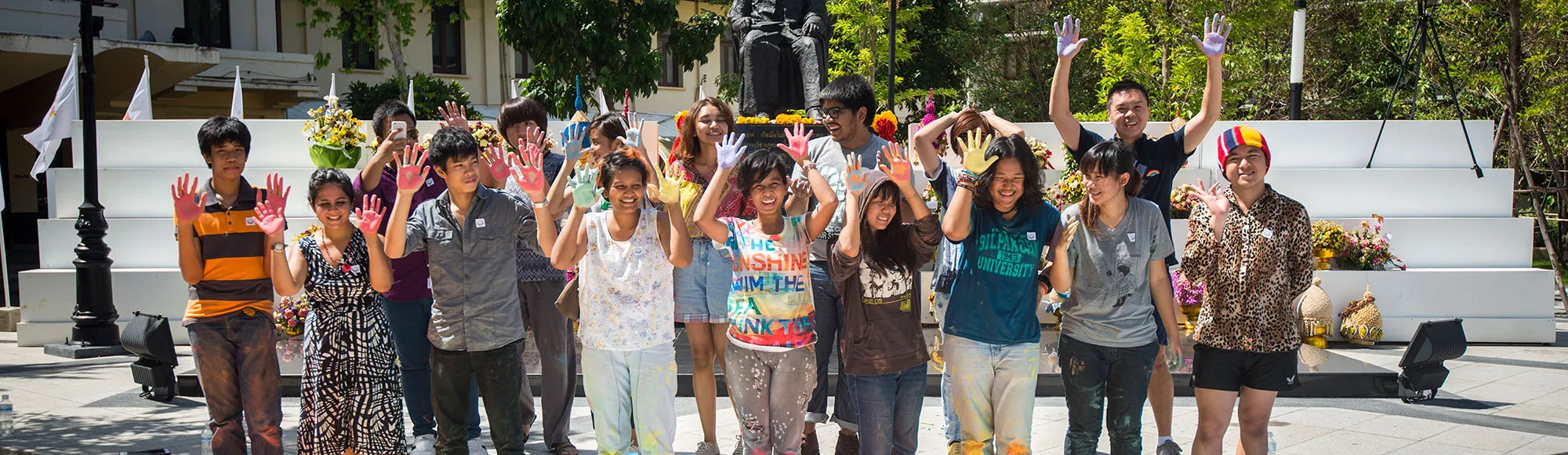
As the project will also facilitate south-south learning, we are keen to amplify the Thailand approach to ensuring communities have a seat at decision-making tables. Thailand started with a strong foundation as community members are a part of the National AIDS Committee as well as a sub-committee at the National Health Security Office (NHSO) focused on Universal Health Coverage. As part of this project the Thai NGO Coalition on AIDS (TNCA) and people living with HIV network are leading on a community sustainability roadmap. Already Thai civil society organizations are engaging domestic funding channels, while building capacity and pathways to shape the response and access resources more effectively.
Looking ahead, what are the main risks or priorities for the next phase — politically, programmatically or financially — to secure lasting impact beyond the project’s duration?
Three major risks stand out. First, sudden drops in external funding that disrupt core programmes—especially prevention and services for key populations and communities. Second, political turnover that stalls reforms. Third, policy and programme choices that are not keeping pace with the data. Even when epidemic and financial analyses show which interventions deliver the best value, key populations can remain underfunded for a number of complex reasons. Countries are sometimes slow to adopt and scale proven, cost-efficient innovations. The project seeks to address these risks by contributing to five key transformations:
- anchoring reforms in national policies, provincial plans and medium-term budgets so they survive political change.
- accelerating domestic financing through social health insurance, provincial allocations and social contracting.
- keeping the evidence flowing—through costing, expenditure tracking and modelling—to guide every dollar to where it prevents the most infections.
- supporting communities to lead, not just implement, with their services properly budgeted and safeguarded.
- securing continued external funding to protect gains while countries transition to increased domestic financing.
With the clock ticking towards ending AIDS by 2030 in Asia-Pacific, momentum is building. Our shared responsibility is to turn today’s pressures into drivers of resilience and lasting impact.