
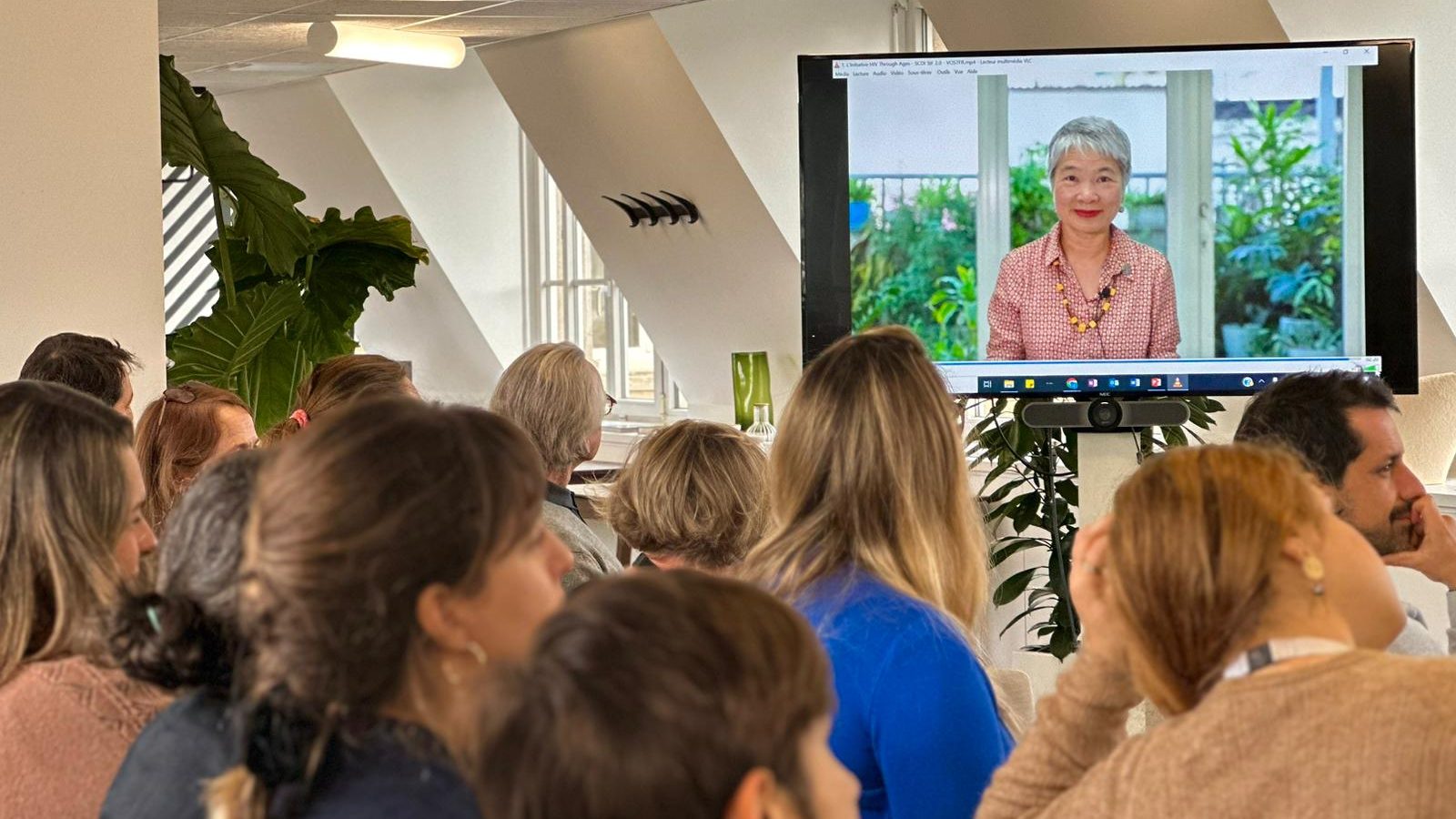
“HIV Across the Ages” — Crossed Perspectives and Lessons Learned
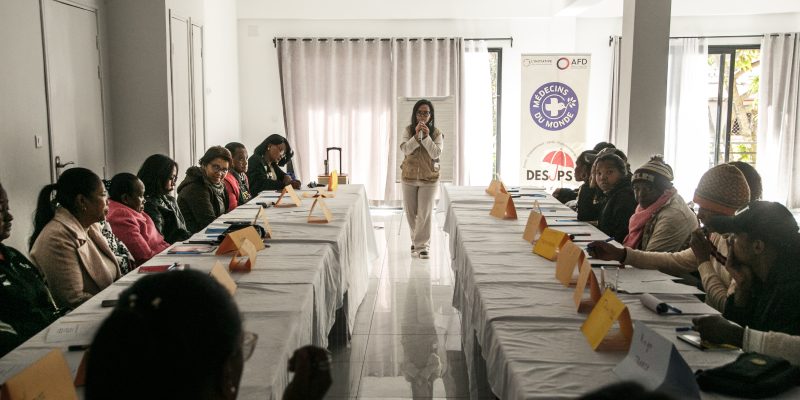
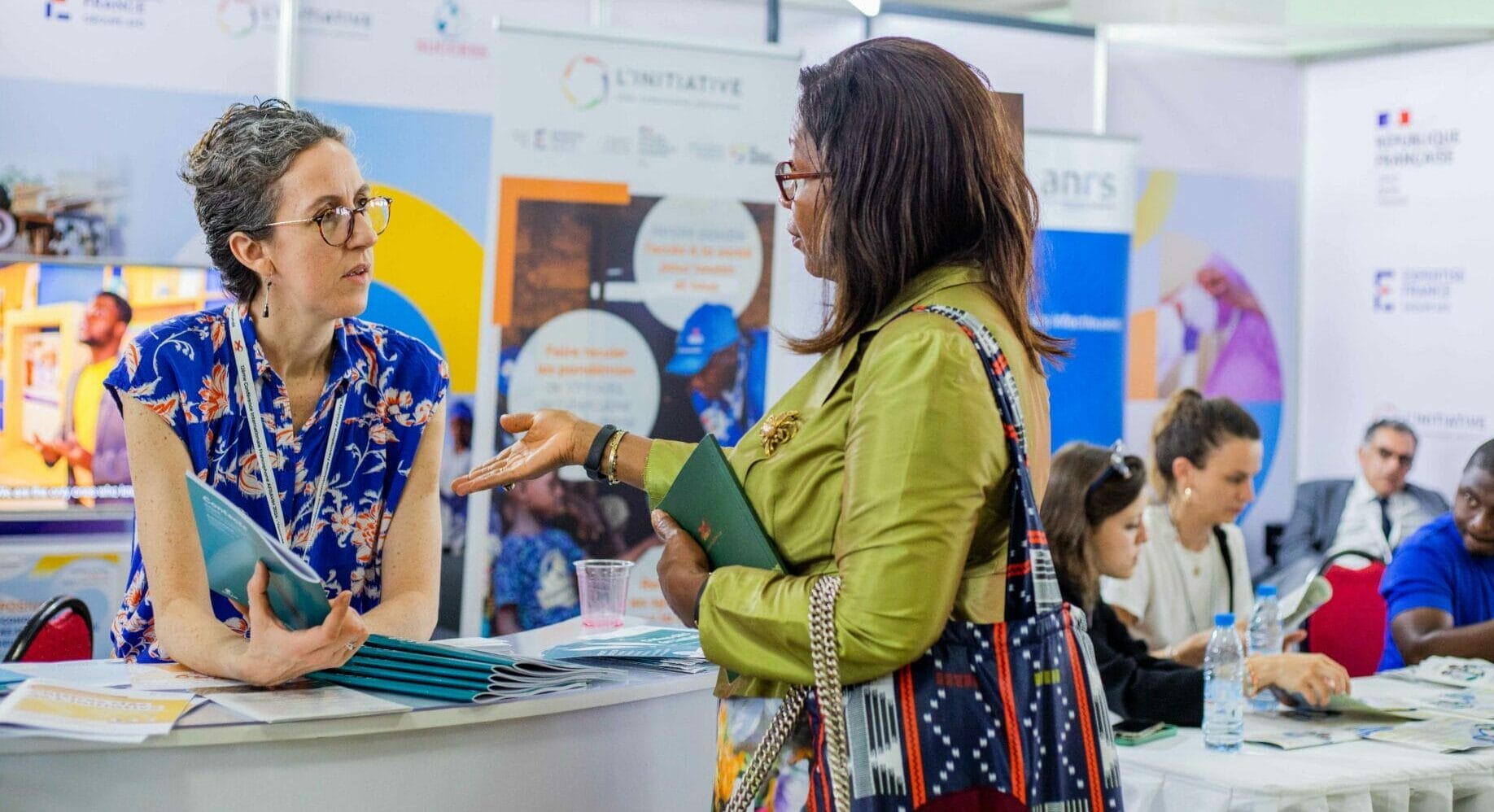
On World AIDS Day, L’Initiative — Expertise France brought together around one hundred stakeholders — national programmes, civil-society organisations and partners — to present the results of a cross-cutting evaluation conducted by HMST. The evaluation covered six projects working with populations at different life stages across eight countries. Beyond numbers, the event made visible life trajectories with HIV: childhood, adolescence, adulthood and ageing.
As Éric Fleutelot, Technical Director of Expertise France’s Major Pandemics unit, pointed out, celebrating World AIDS Day on 1 December also means acknowledging a major shift: thanks to treatment, ageing with HIV is now possible. This welcome advance nevertheless requires adapting policies and programmes to new challenges — comorbidities, social isolation, psychosocial needs — and explicitly including all age groups in prevention and care.
Adapting responses by age: a principle and specific needs
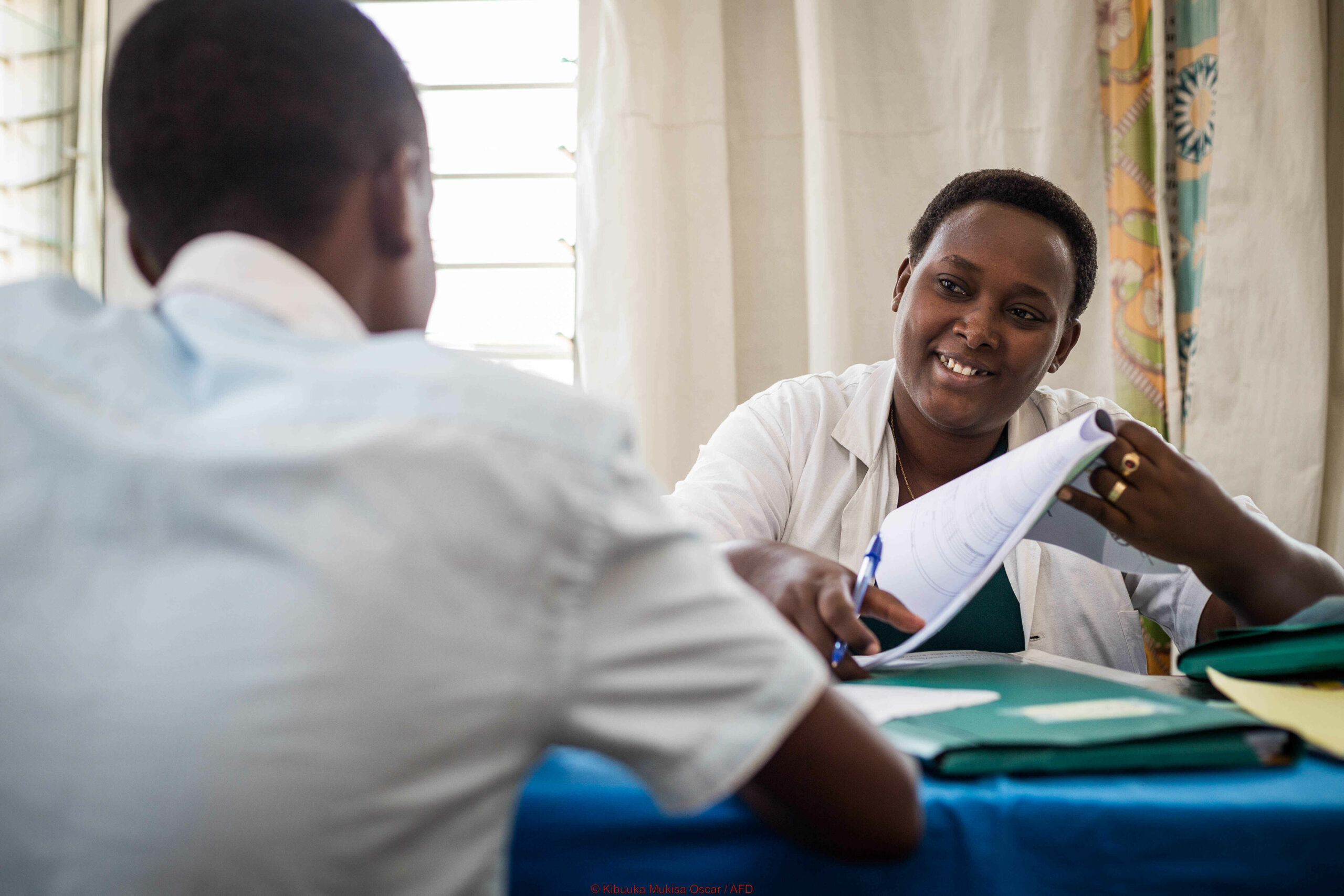
The cross-cutting evaluation analysed deployed strategies, encountered challenges and lessons learned regarding HIV across the life course. It confirms a clear operational principle: the HIV response requires age-differentiated approaches. The needs of a child, an adolescent, a young adult or an older person differ — tailored prevention, disclosure support, psychosocial accompaniment, comorbidity management — and demand bespoke care pathways.
Field testimonials, videos showcasing successes and panel debates highlighted these differences and the practices that work.
The importance of community and proximity
The restitution underlined that local solutions led by communities themselves are often the most effective. As Nguyễn Minh Trang, harm-reduction lead for the DREAMH project (continuation of the “Saving the Future” initiatives), noted in the interview: “We observed convincing results: peer-led screening was accepted, community support helped retention in care, and nearly 80% of people showed clinical improvement after one year.”
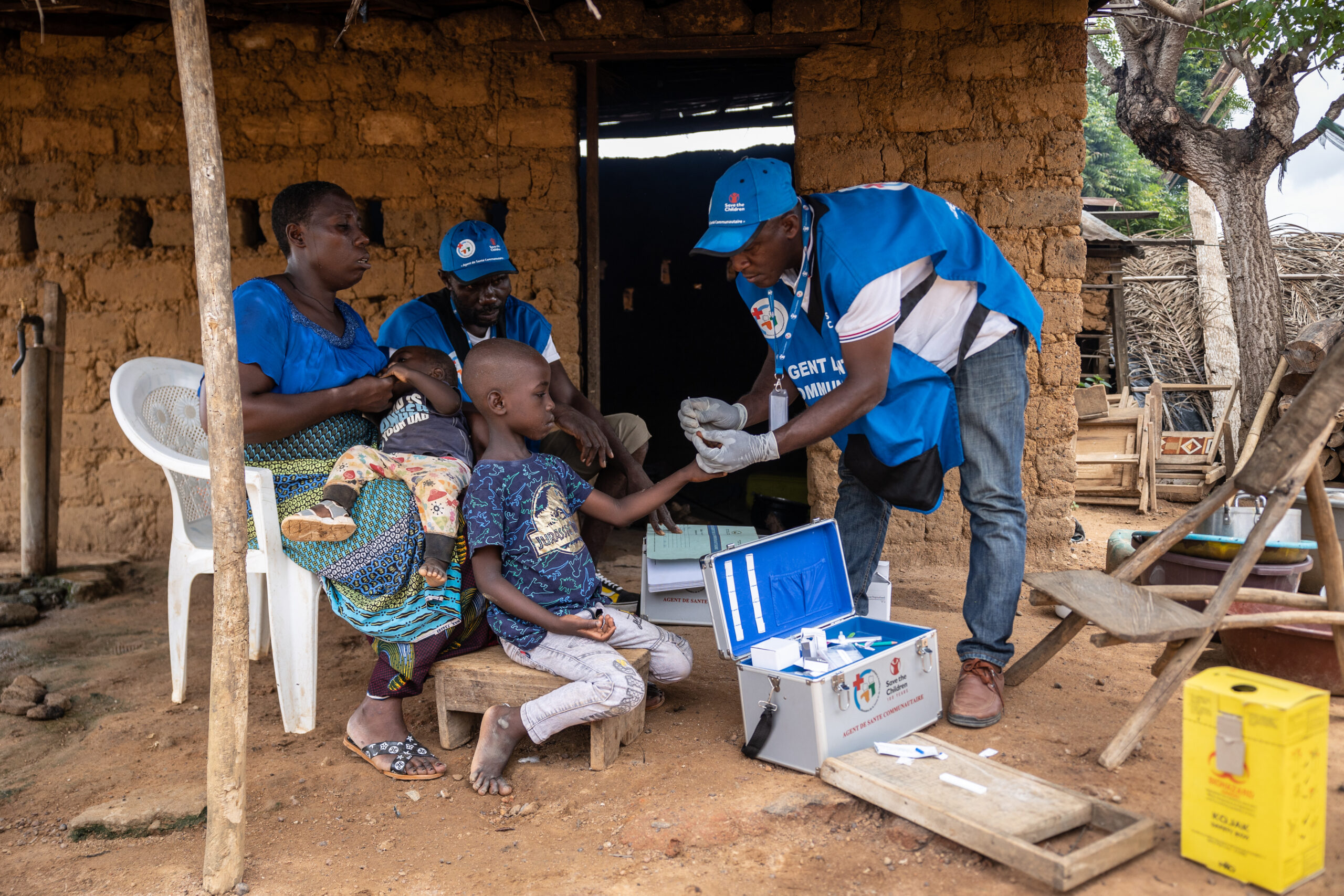
Community actions — prevention, testing, care, psychosocial support, peer accompaniment — strengthen adherence, reduce care interruptions and facilitate referral to public services.
A cornerstone of the HIV response, sexual and reproductive health remains too often taboo at all ages: parents reluctant to talk about sexuality with their children, the invisibility of older adults’ sexuality…
The PAJES project (Solthis, Guinea) developed the G Qui Ose app, co-designed with young people, offering a confidential space (quizzes, videos, alerts about gender-based violence, signposting to services). Formats match user habits — mobile, interactive — improving access to information and referral to appropriate care.
Reducing risks by addressing mental-health needs
Mental health is a major determinant: it influences engagement in testing, prevention and access to care, and affects people’s quality of life. Dr Oanh Thi Hai Khuat (SCDI, Vietnam) emphasised that mental-health problems reduce treatment adherence and increase social and health risks.
“Thanks to the Saving the Future project, supported by L’Initiative — Expertise France, we developed and tested adapted community interventions: awareness-raising, screening, psychological support, trauma care and referral to professional services,” Dr Oanh Thi Hai Khuat said at the event.
Ageing with HIV: new challenges, new approaches
The meeting highlighted a group often overlooked: older people living with HIV.
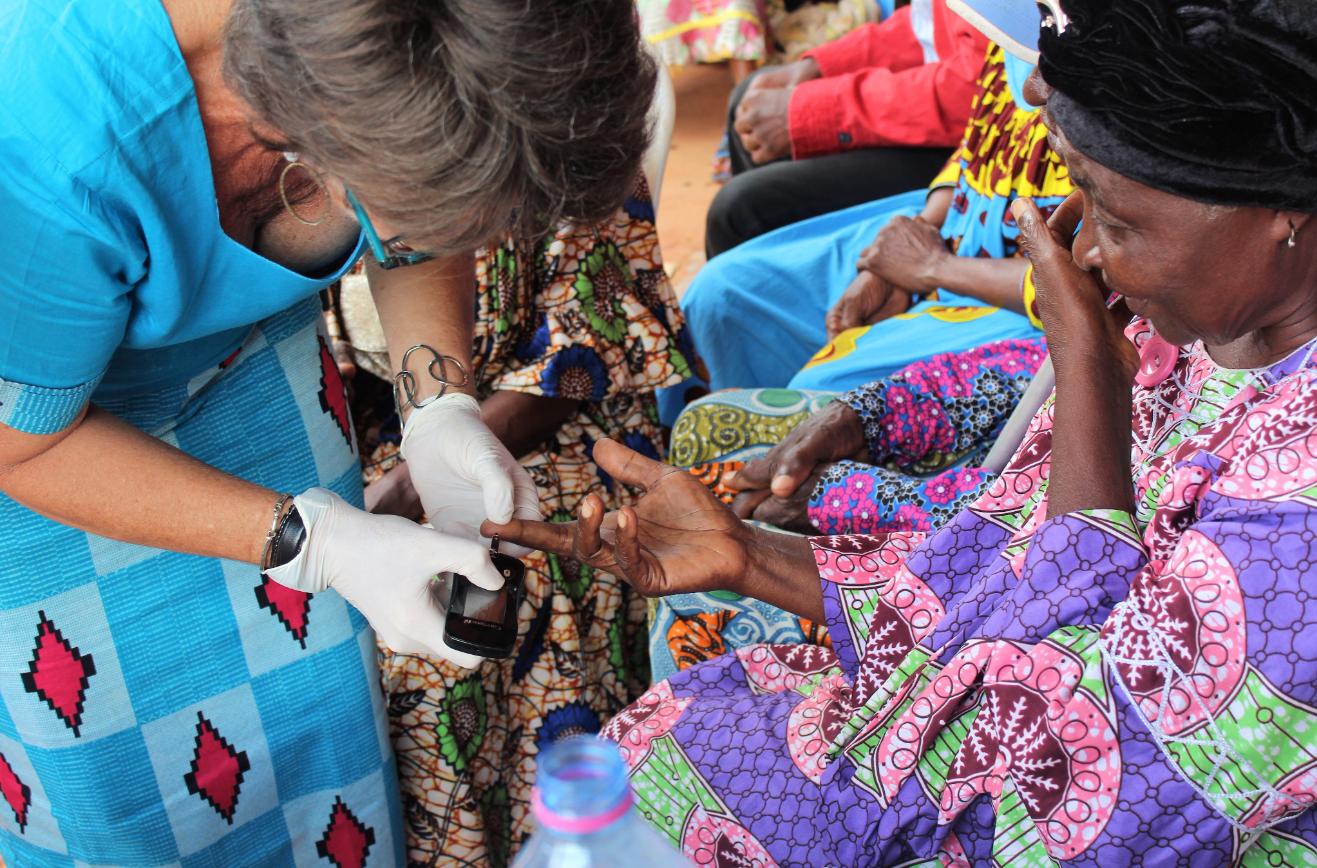
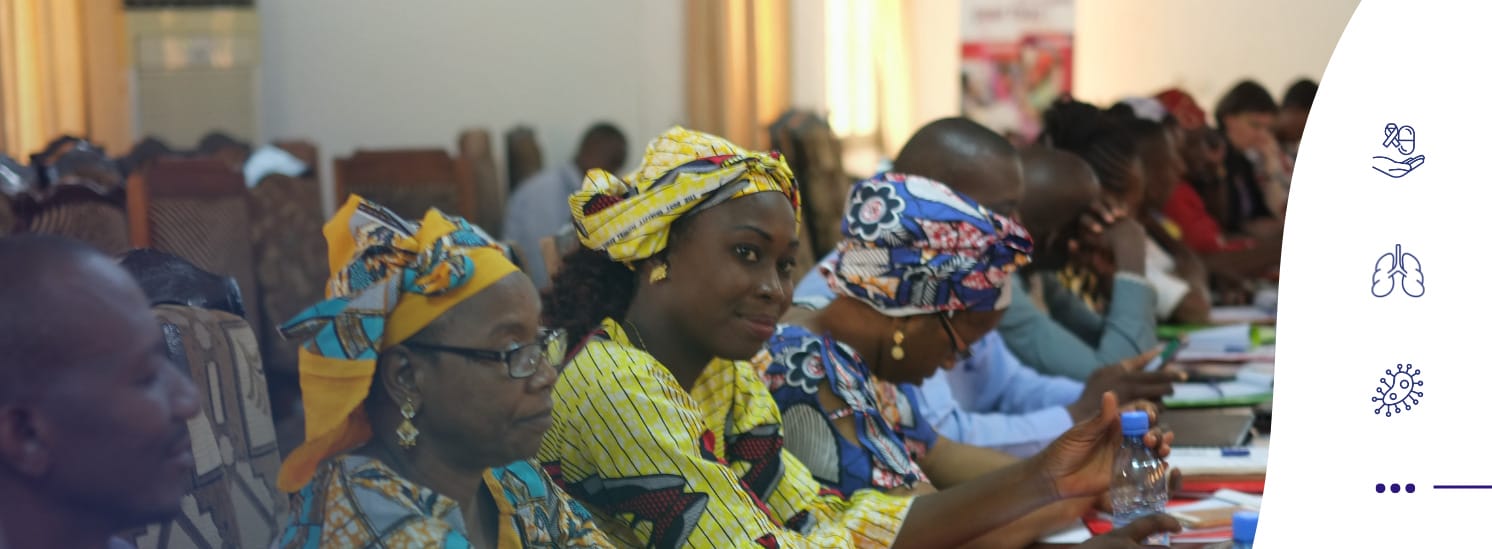
While longevity with HIV is a major success, it brings new challenges: comorbidities, isolation, economic hardship… To ensure these issues are heard, the VIHeillir project supported the organisation of an International Day of Older Persons in Cameroon, where a theatrical performance staged by elders raised a collective call for recognition and policies that account for ageing with HIV.
At the event, testimony from Nanga Botté Edgar Charles illustrated the concrete impact of VIHeillir: treatment for his hepatitis C, financial support and an improved quality of life, which gave him “hope for the future.”
The roundtable showed that effective solutions exist: they combine community interventions, institutionalisation of care continuity, adapted digital tools, integration of mental health and the added value of intergenerational dynamics. Through the testimonies of actors from across age groups, the event reiterated that involving affected people is essential.
“Nothing for us without us”: young and older people alike are best placed to know their specific needs and to advocate for their inclusion.