
INTEGRES-TB: when seasonal malaria chemoprevention becomes a window to detect paediatric tuberculosis
Taking advantage of the Seasonal Malaria Chemoprevention (SMC) campaign — a time when community workers meet thousands of children — the INTEGRES-TB project bets on strengthening the fight against paediatric tuberculosis (TB). Pilot research carried out in northern Cameroon demonstrates the feasibility of the approach, but also underlines that true integration requires training, supervision and logistics. This project is a precursor to the GC8 discussions, which focus on the targeted integration of HIV, tuberculosis and malaria services into primary health systems and other services. INTEGRES-TB provides concrete proof that integration is not only possible but represents a real opportunity to improve coordination, service efficiency and impact for beneficiaries.
Turning a community campaign into an opportunity for integrated care
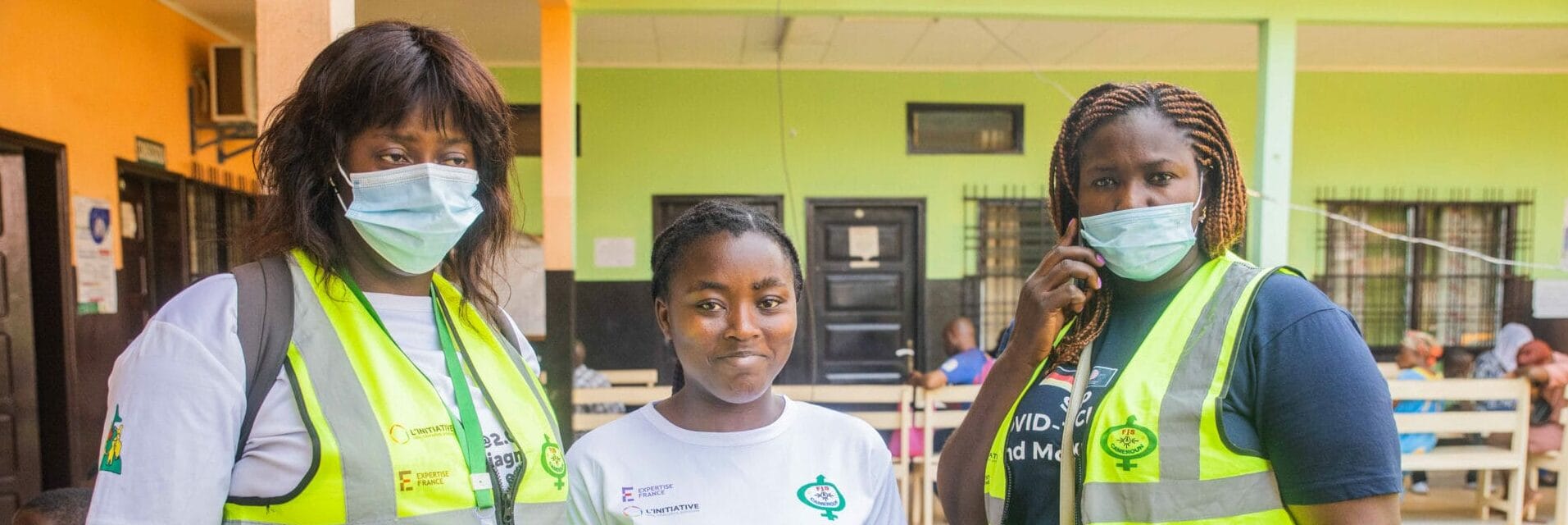
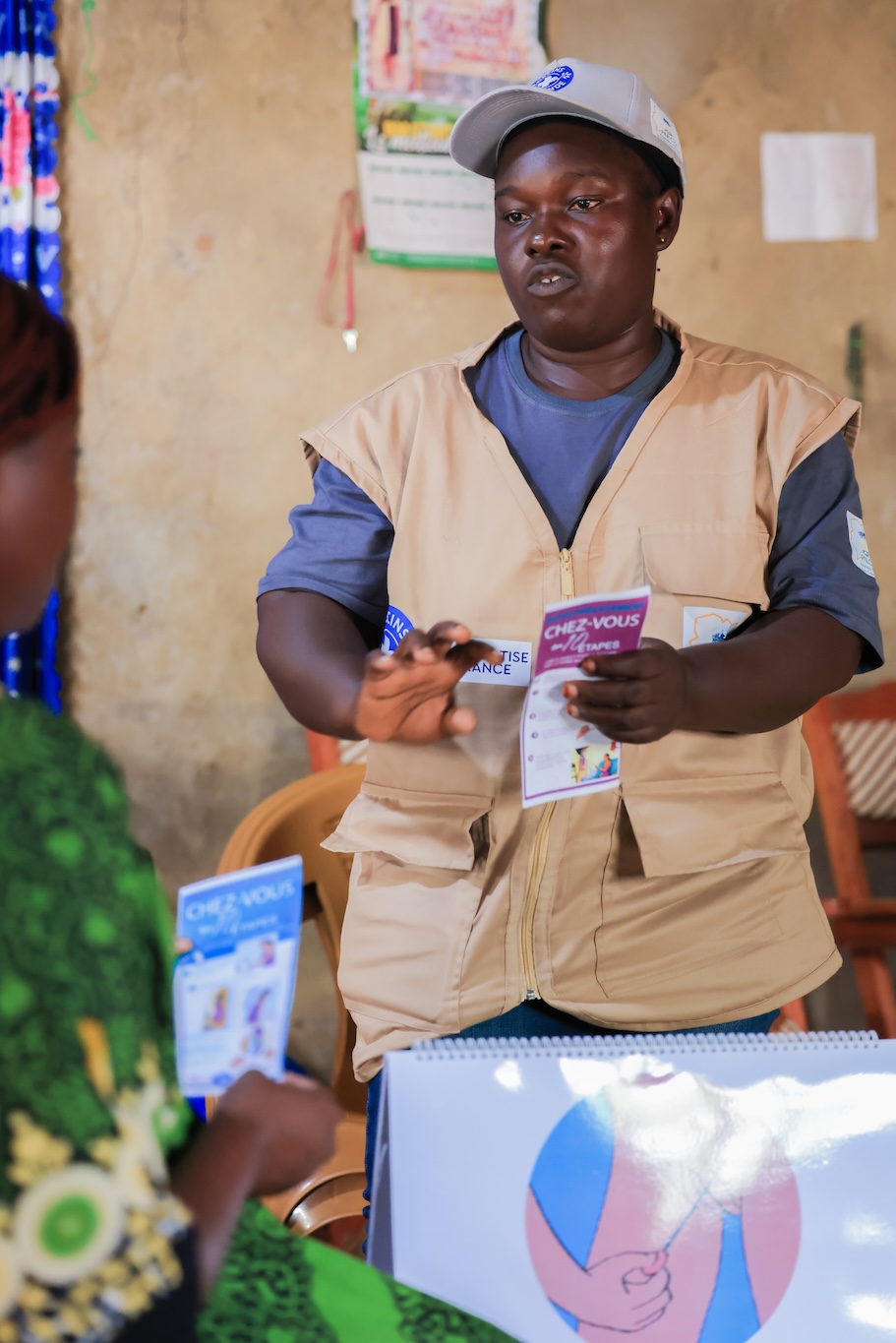
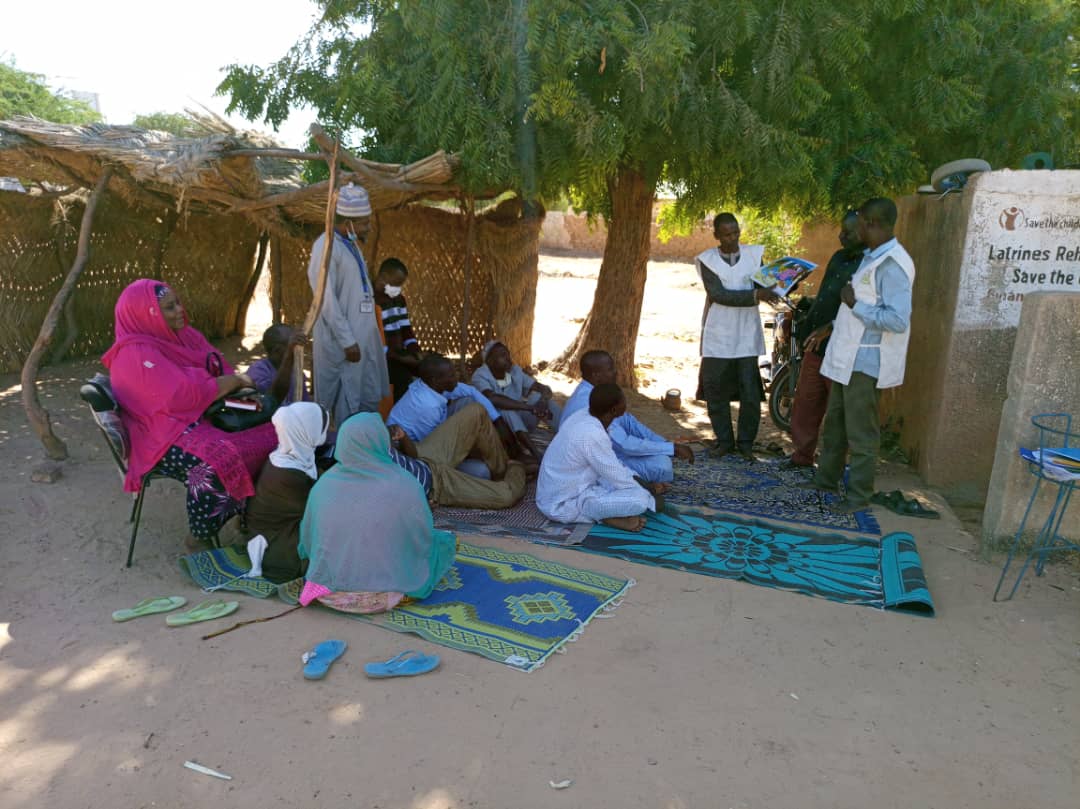
Paediatric tuberculosis is often “invisible”: symptoms are discreet, collecting samples is difficult and access to imaging is limited. INTEGRES-TB offers a concrete response: it uses the SMC campaign — the operation that each year brings community agents into contact with children under five — to also ask targeted TB screening questions and to refer presumptive cases. Led in Cameroon by IRD together with Epicentre, the Chantal Biya Foundation Mother-and-Child Centre, the National Tuberculosis Control Programme (PNLT) and the National Malaria Control Programme (PNLP), the project aims to document — through operational research — how this community campaign can be transformed into an opportunity for integrated care.
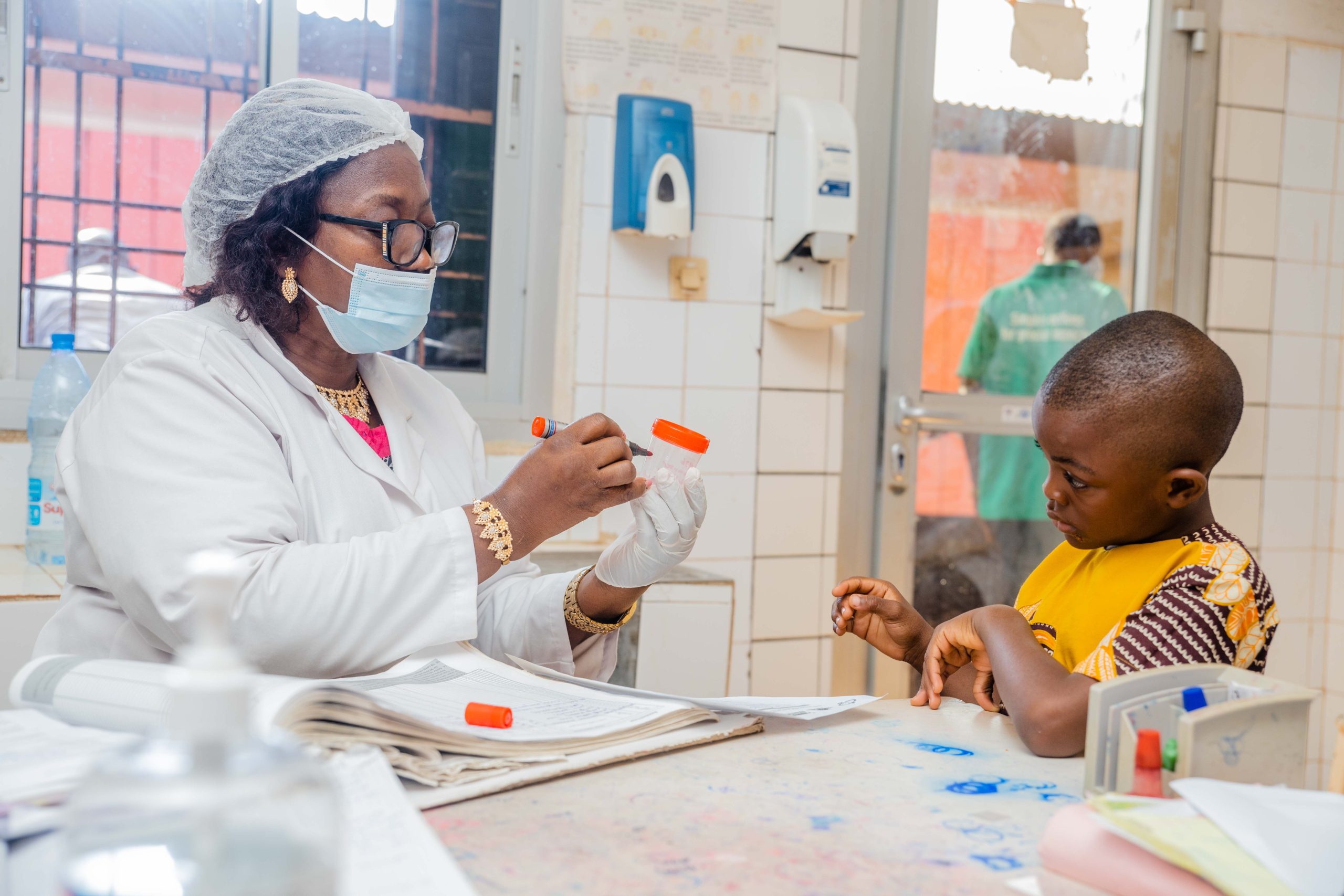
The pilot carried out in Garoua was revealing: of 13,208 children seen over two SMC cycles, 148 (1.1%) were identified as presumptive TB cases, with a screening coverage of 82% in the first cycle — demonstrating that a mass campaign can widen the gateway to diagnosis. These cases, mostly flagged on the basis of a single symptom — cough — were referred to diagnostic centres for confirmation. The figures demonstrate the contribution of SMC to broaden access to diagnosis, but they also highlight the limits of symptom-based screening in children.
An innovative approach that carries challenges
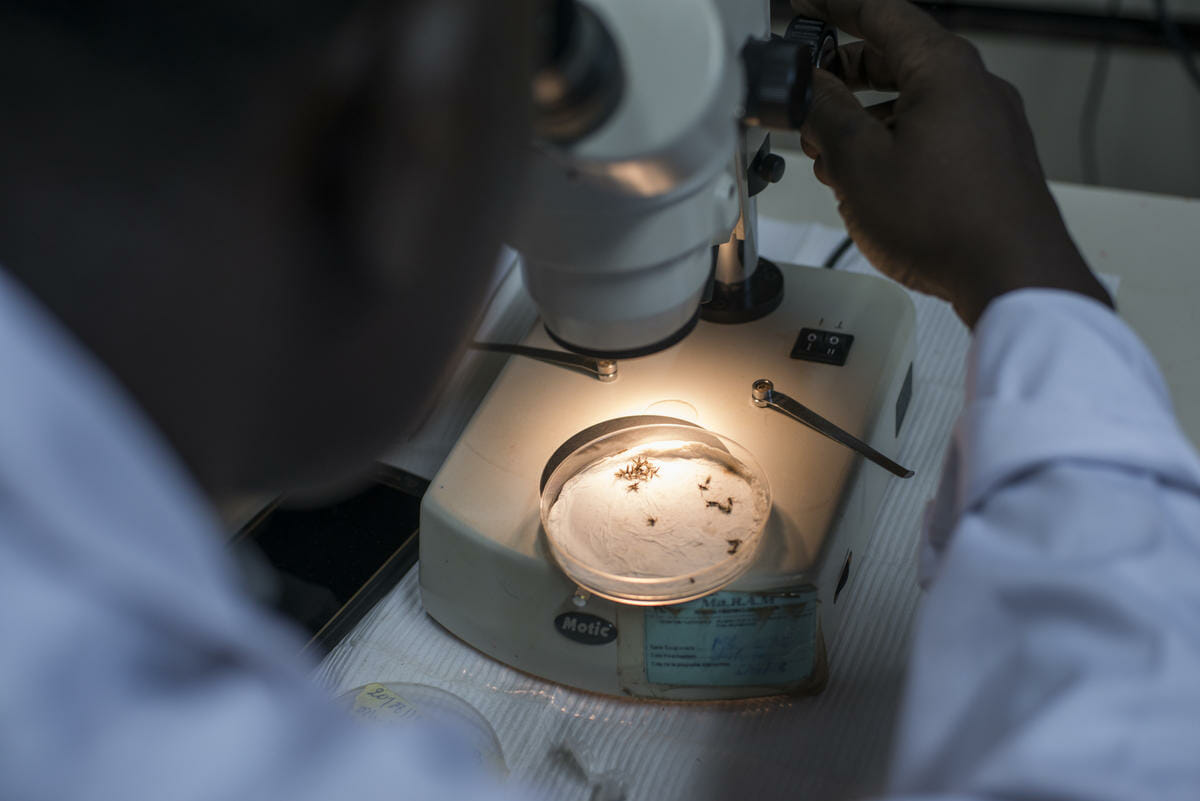
The project’s approach leads to an analysis of the whole health chain. The assessment of 73 health facilities (FOSA) revealed strengths (electricity often available, presence of community agents) but also major weaknesses: lack of paediatric scales, limited laboratory capacity, inadequate transport and preservation of specimens, and restricted access to radiography. To respond, INTEGRES-TB selected 19 health training centres and 9 tuberculosis treatment centres to deploy the full decision-making and treatment algorithm, plus 45 centres for triage, supported by training modules, the OneImpact monitoring tool — which will also document gender-related barriers — and a network of 20 clinical mentors ready for operational rollout.
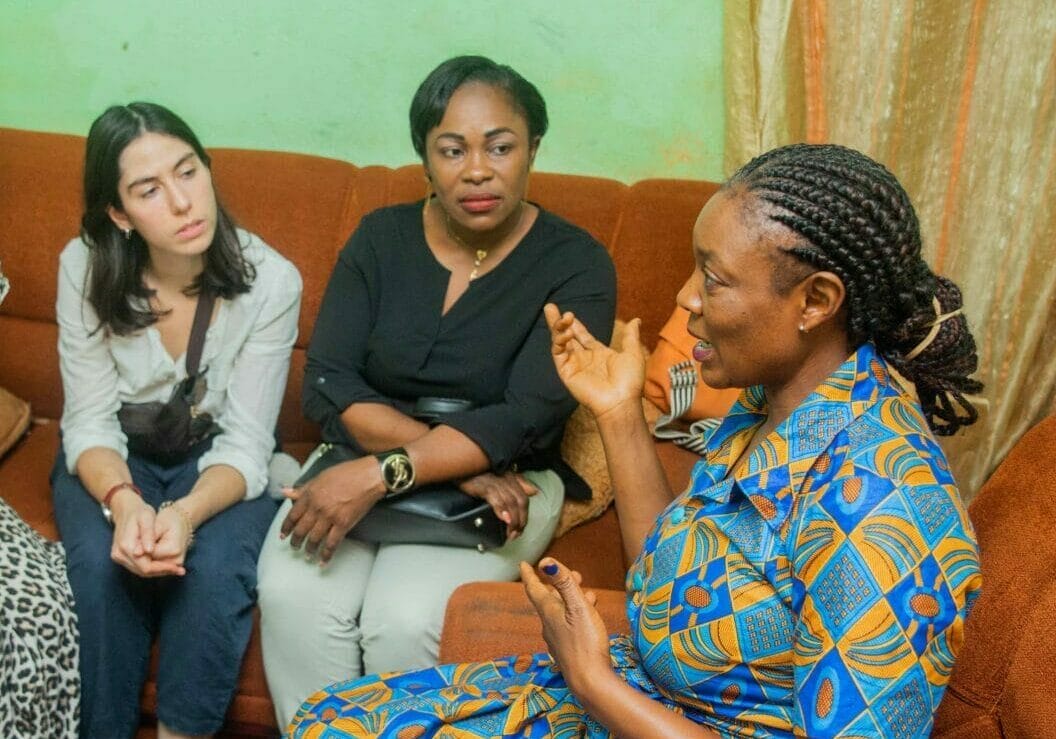
Formative research confirmed that integration is timely and acceptable to families and workers, but its quality will depend on the time devoted to screening (workload and lack of time threaten screening quality), the practical training of mobilisers, and active local supervision. In addition, gender-related issues (availability of parents, notably mothers, and reluctance regarding male staff) require adapted messaging and context-specific responses.
The coming months will assess scale-up potential and refine tools and methods ahead of any wider deployment.