
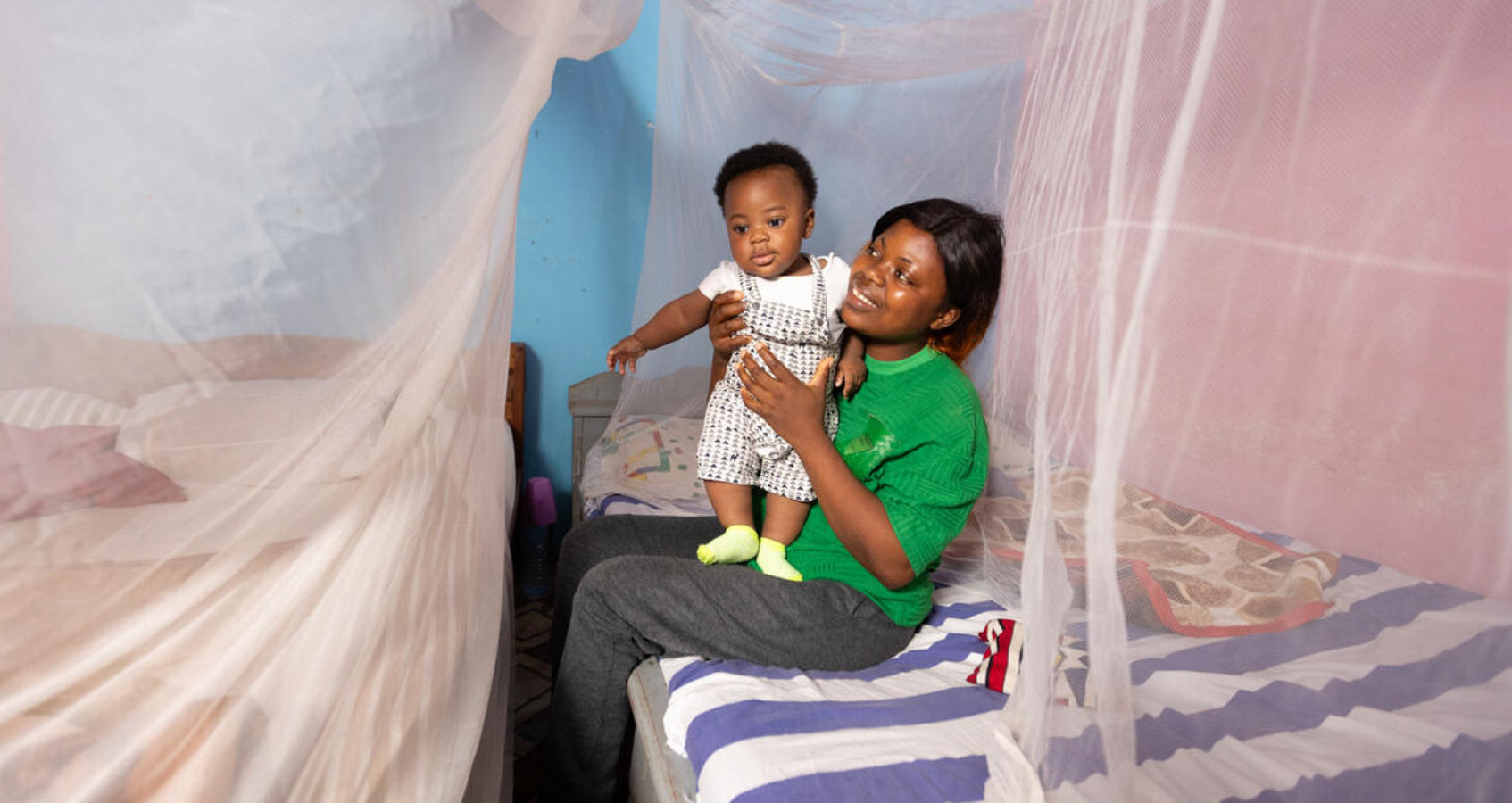
Supporting women’s rights, leadership and health
Gender inequalities remain a major determinant of health. A look back at L’Initiative – Expertise France’s support: sexual and reproductive health and rights (SRHR) services, community-based approaches, a focus on key and vulnerable populations, and women’s leadership.

≈380,000 people
benefited from sexual and reproductive health and rights services in 2024 thanks to supported projects.

111 interventions
between 2021 and 2025 incorporated measures to tackle gender-related health inequalities.

€193.48 million
invested between 2021 and 2025 in projects addressing gender inequalities.
Women’s leadership and strengthening civil society organisations
Strengthening women-led organisations and promoting women’s leadership are concrete levers to prevent illness, increase access to care and bolster local resilience. Through the SOFIA mechanism and the Jeunes en Vigie project, L’Initiative supports organisational structuring, professional development and civic monitoring so that civil society organisations become durable partners and individuals become active health actors.
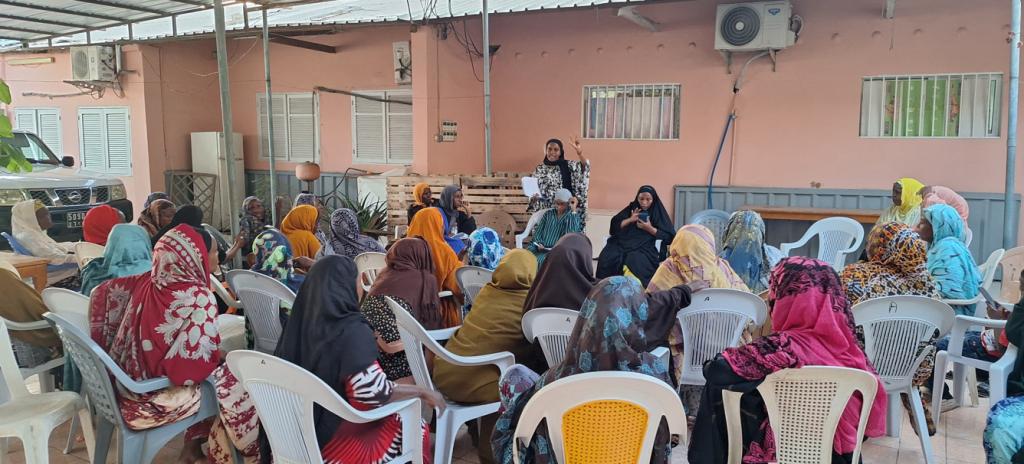
Women’s empowerment and leadership are transforming care — L’Initiative’s SOFIA support
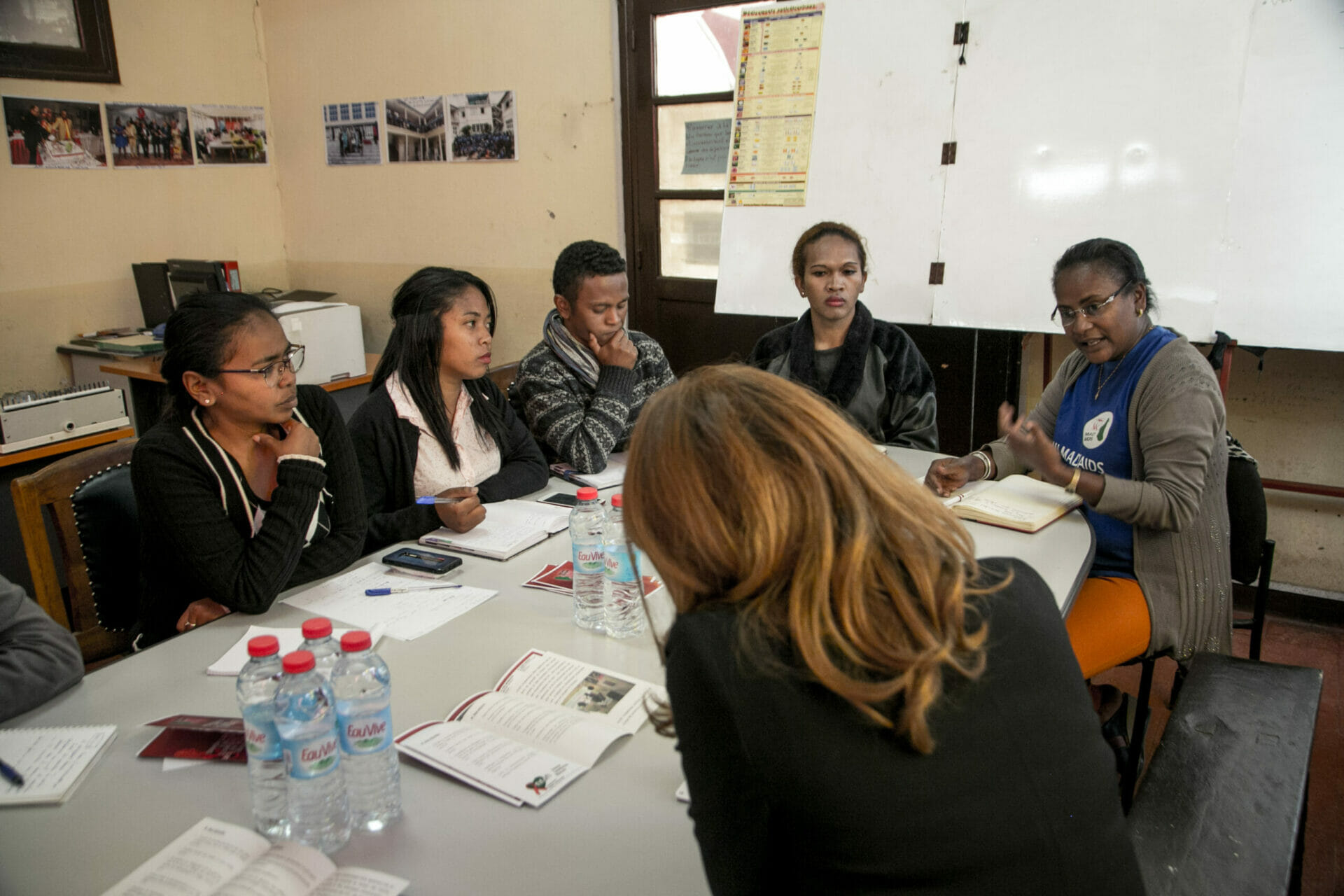
SOFIA is L’Initiative’s facility supporting the scaling-up of medium-sized civil society organisations that contribute to a stronger response to pandemics. Among the supported organisations, Solidarité Féminine focuses on women living with HIV in Djibouti, while Association Solidarité defends sex workers in Benin. Medina Mohamed, president of Solidarité Féminine, and Yvette, accountant-secretary and activist at Association Solidarité, both reach the same conclusion: women’s empowerment and leadership are transforming prevention and access to care.
Jeunes en Vigie: national ownership, civic monitoring and feminist health in Senegal, with Jane Medor
Following an initial pilot phase run by Equipop, the Jeunes en Vigie project is now operating under the Senegalese organisation Jeunesse et Développement to strengthen young people’s civic monitoring of access to reproductive health services. Jeunes en Vigie highlights the power of women’s leadership: trained young female auditors embedded in their communities are changing the relationship between youth and health providers and are driving advocacy for rights-based reproductive health. Interview with Jane Medor, Programme and Resource Mobilisation Officer at Jeunesse et Développement.
Reproductive health, maternity and local care
L’Initiative works to strengthen maternal care pathways through local services, midwife training, integration of mental health needs, and coordinated referral pathways between community actors and specialist centres.
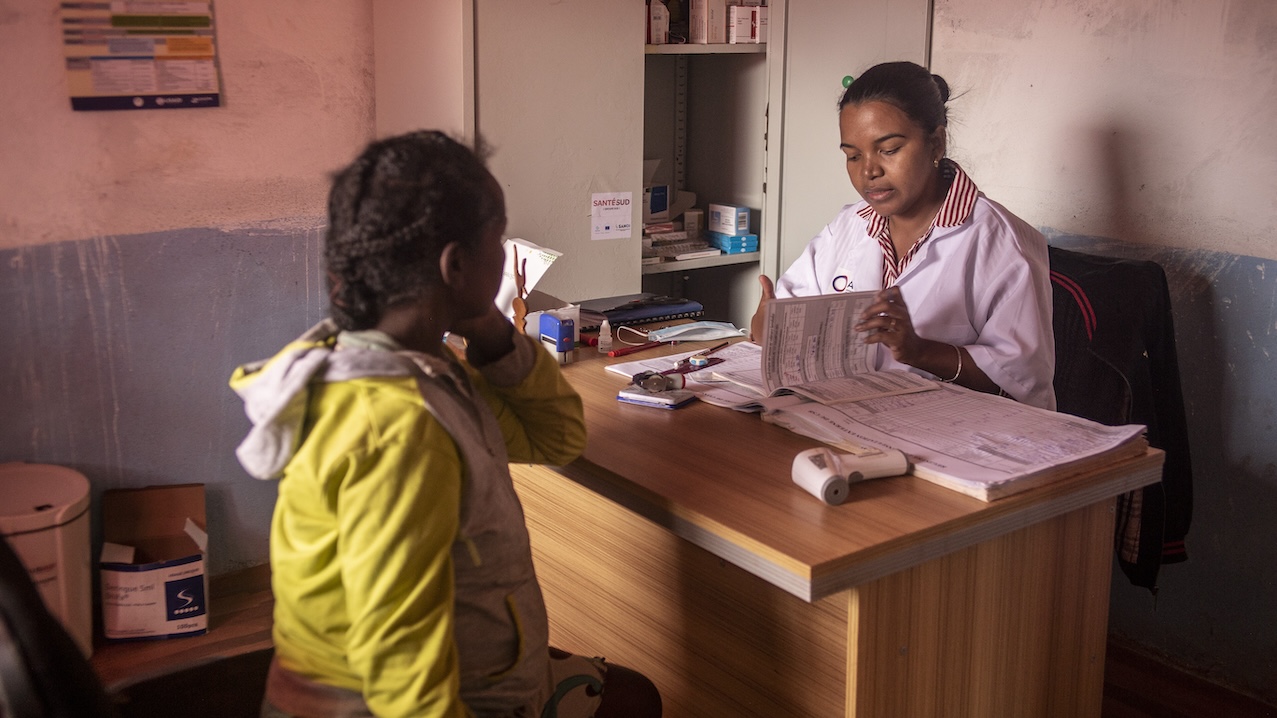
PluriElles — alongside a community midwife in Madagascar
In Madagascar, more than three quarters of the population live in rural areas where healthcare provision is insufficient. Led by Santé Sud and funded by L’Initiative, the PluriElles project addresses this gap. It plans to install 12 new community midwives and strengthen 18 others initially supported by the “Bien Naître” project. Objectives: bring antenatal consultations, safe deliveries and prevention and care for HIV, malaria, tuberculosis and cervical cancer closer to the people who need them most.
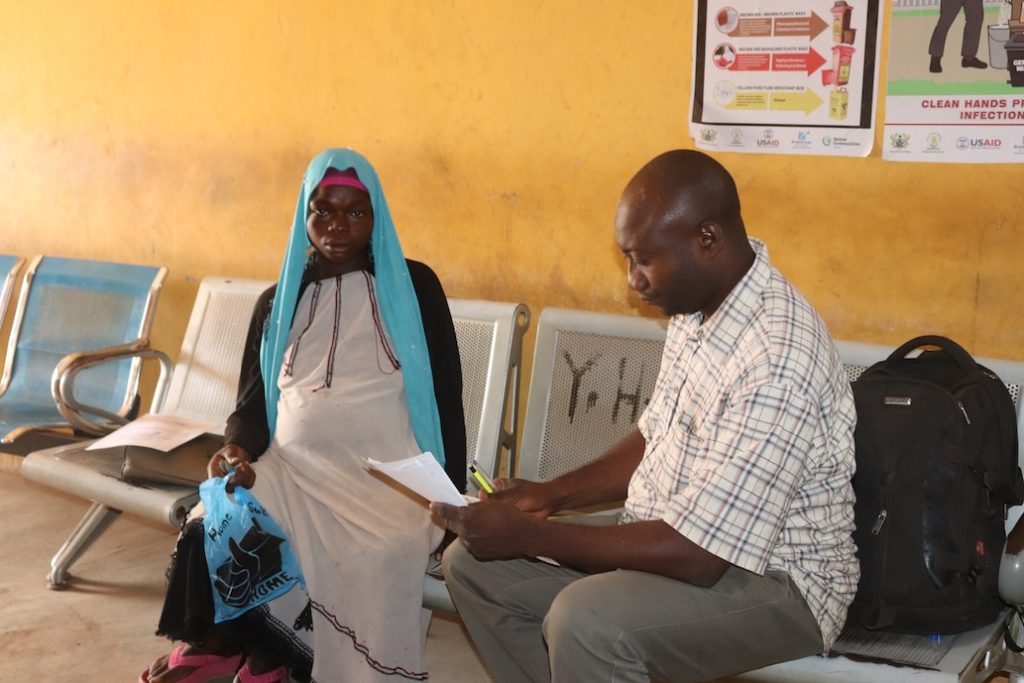
Improving maternal and child health for the most vulnerable women in Ghana
In Ghana, only a minority of people with mental health needs can access care and treatment. These mental health challenges, coupled with other barriers to care, prevent many women and girls from accessing essential maternal and child health services. Implemented by BasicNeeds, the project seeks to strengthen community health systems to better integrate person-centred services for HIV, tuberculosis and sexual and reproductive health, with a focus on the most vulnerable women and adolescents. BasicNeeds Executive Director Peter Badimak Yaro explains the context, approach and implementation.
Fighting for the right to healthcare for all
Health is a universal right. Stigma, administrative and social barriers, violence and interruptions in health product supplies still exclude thousands of people from accessing care. This section illustrates L’Initiative’s support for the health of sex workers and migrants.
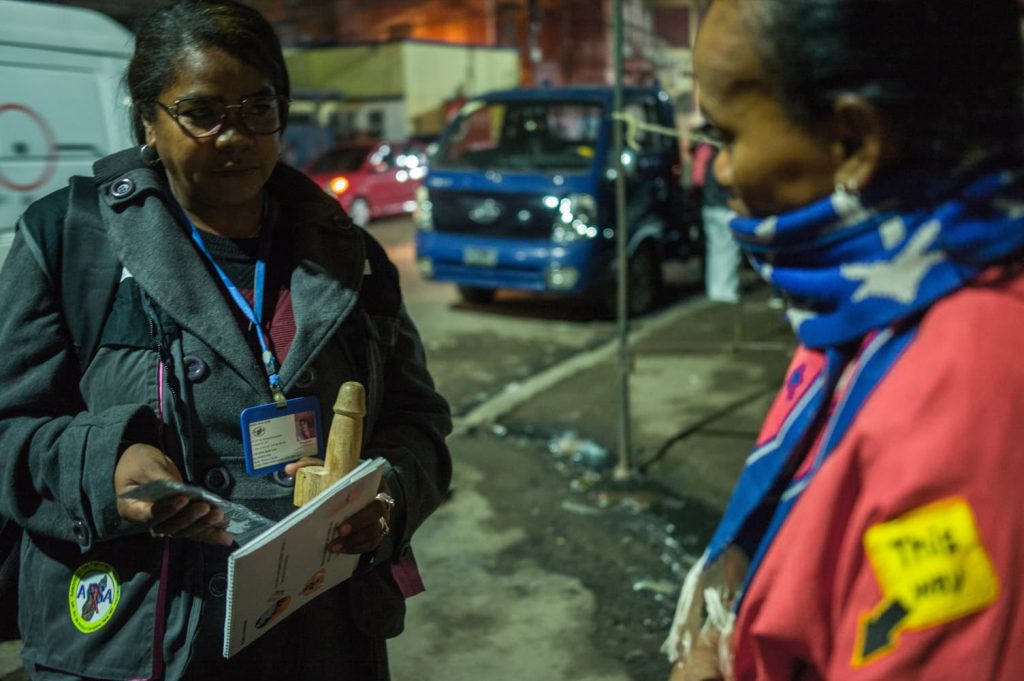
Working with and for sex workers — L’Initiative’s approach
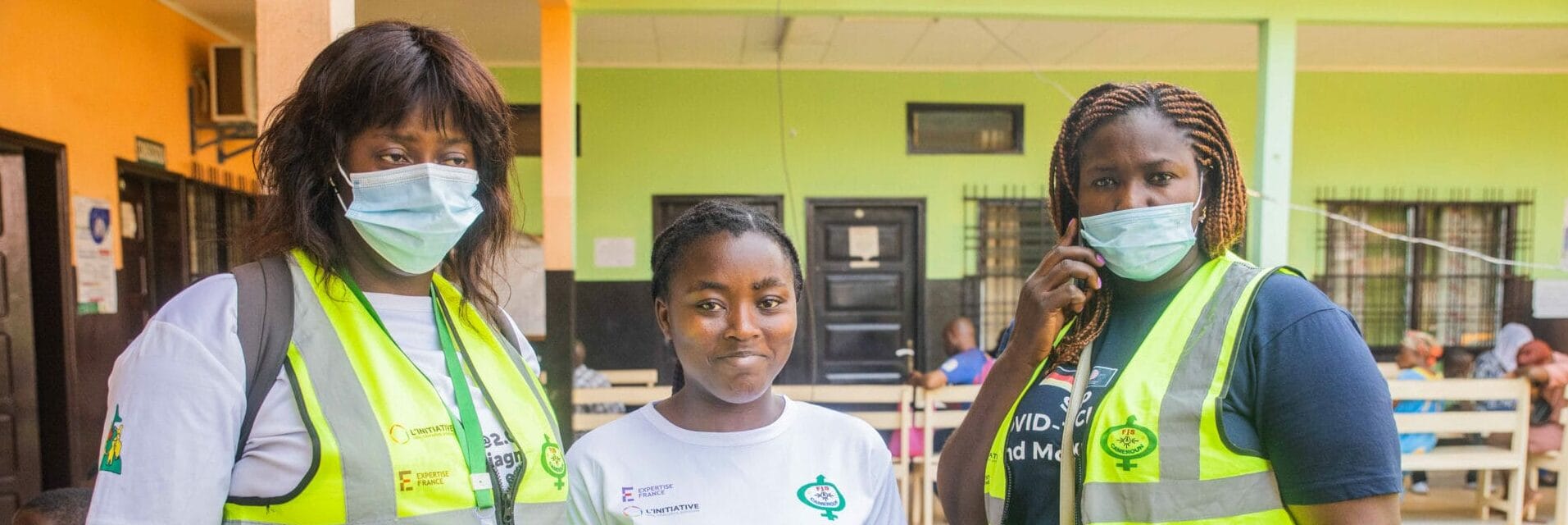
Stigma, invisibility, violence and interruptions in health supplies … sex workers remain among the populations most exposed to pandemics. For L’Initiative, tackling these challenges requires a cross-cutting approach that combines community support, organisational strengthening, securing services and advocacy — a thread that runs through supported actions in Benin, Cameroon, Côte d’Ivoire, Ethiopia and Madagascar.
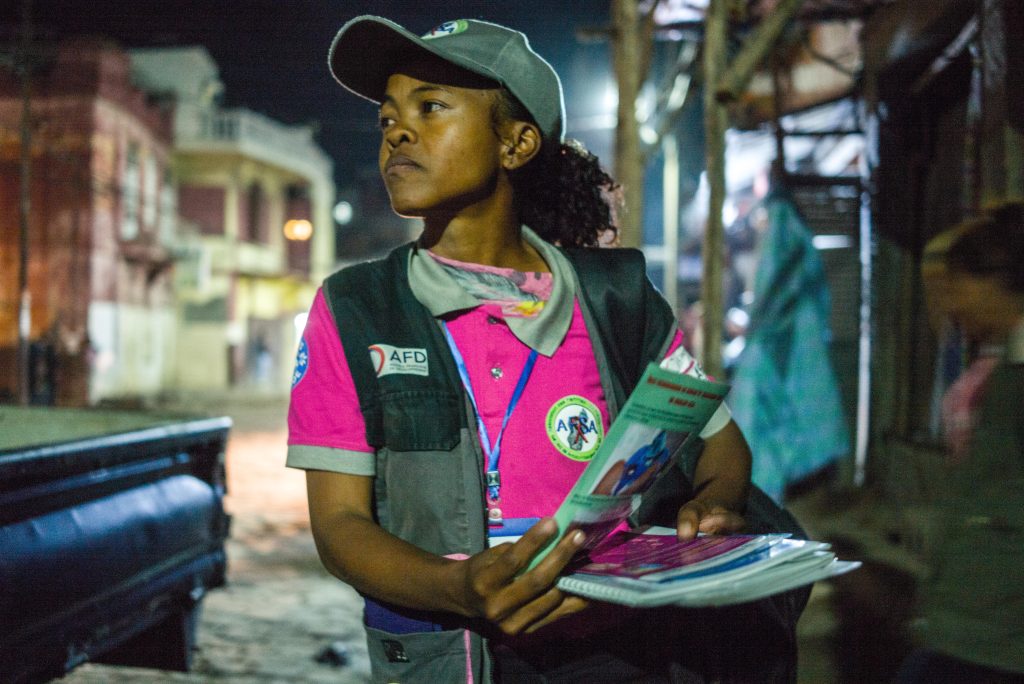
Accompanying to strengthen health and rights: immersion in the daily lives of peer educator sex workers
In Madagascar, Mandaniaina and Masinjaka, both sex workers, are peer educators as part of the DESPS project led by Médecins du Monde and supported by L’Initiative. Trained to support their peers, they run night outreach rounds and take part in self-defence workshops, forging the trust that is essential to removing barriers to access to care and rights.
The challenge of access to healthcare for Burmese migrant women on the Thai border
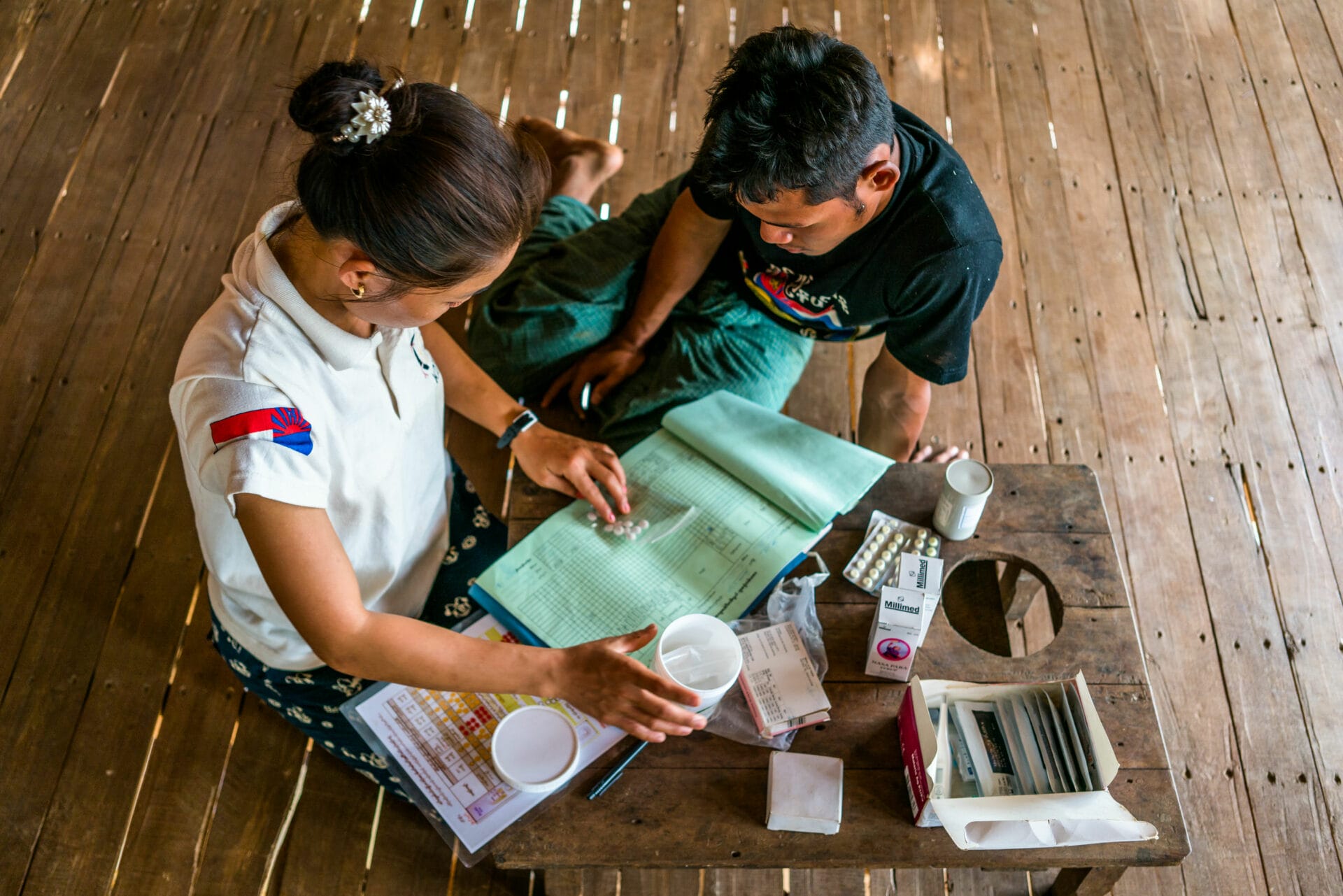
Along the Myanmar–Thailand border, hundreds of thousands of migrants have no access to the Thai health system. Among them, women face specific needs and barriers. The documentary “Myanmar–Thailand: caring beyond borders” showcases two L’Initiative-supported projects in the region that facilitate medical care for these vulnerable populations.
Talking global health and gender
Considering gender in global health policy is essential. While undeniable progress has been made over recent decades in global health, inequalities between men and women persist, particularly in health.
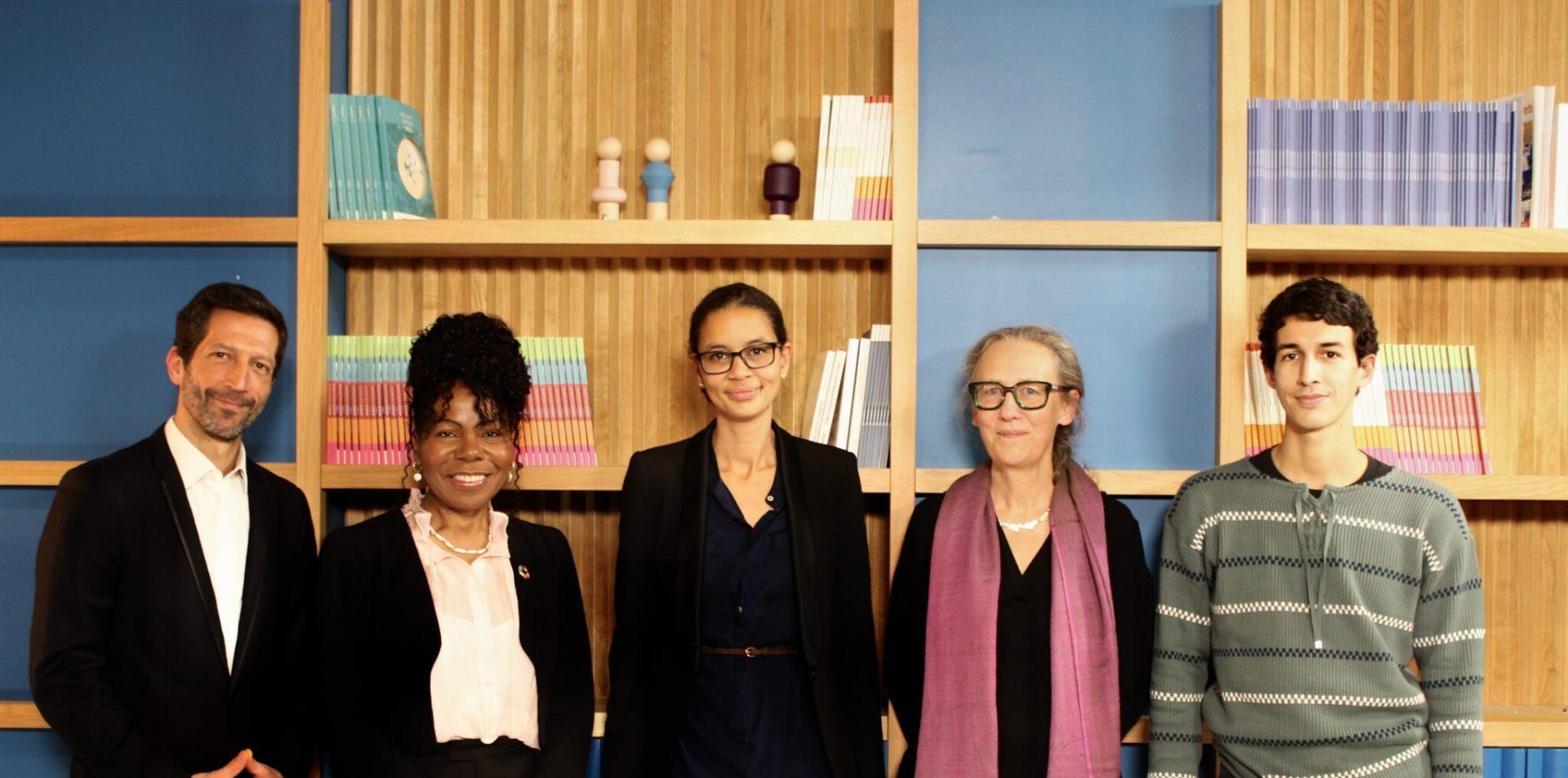
Expertise France devoted one of its “Rendez-Vous de l’Expertise” to this topic.