
PluriElles — immersion alongside a community midwife in Madagascar
In Madagascar, more than three quarters of the population live in rural areas, where healthcare provision is insufficient. Led by Santé Sud and funded by Expertise France through L’Initiative, the PluriElles project responds to this gap. It plans to place 12 new community midwives and to reinforce 18 others initially supported by the “Bien Naître” project. Objectives: bring antenatal consultations, safe deliveries and the fight against HIV, malaria, tuberculosis and cervical cancer closer to the people who need them most.
A profession that saves lives
“One holiday, I was in a village with no health centre and no midwife. A pregnant woman gave birth there, but the delivery was difficult and the baby did not survive. That moment stayed with me and I decided to become a midwife to try to save lives,” says Mihaja Nantsoina Nomena Fitiavana Raharinjato, head of a Community Birth Clinic (CBC), to the camera. Her story is not an anecdote: it is the very raison d’être of PluriElles.
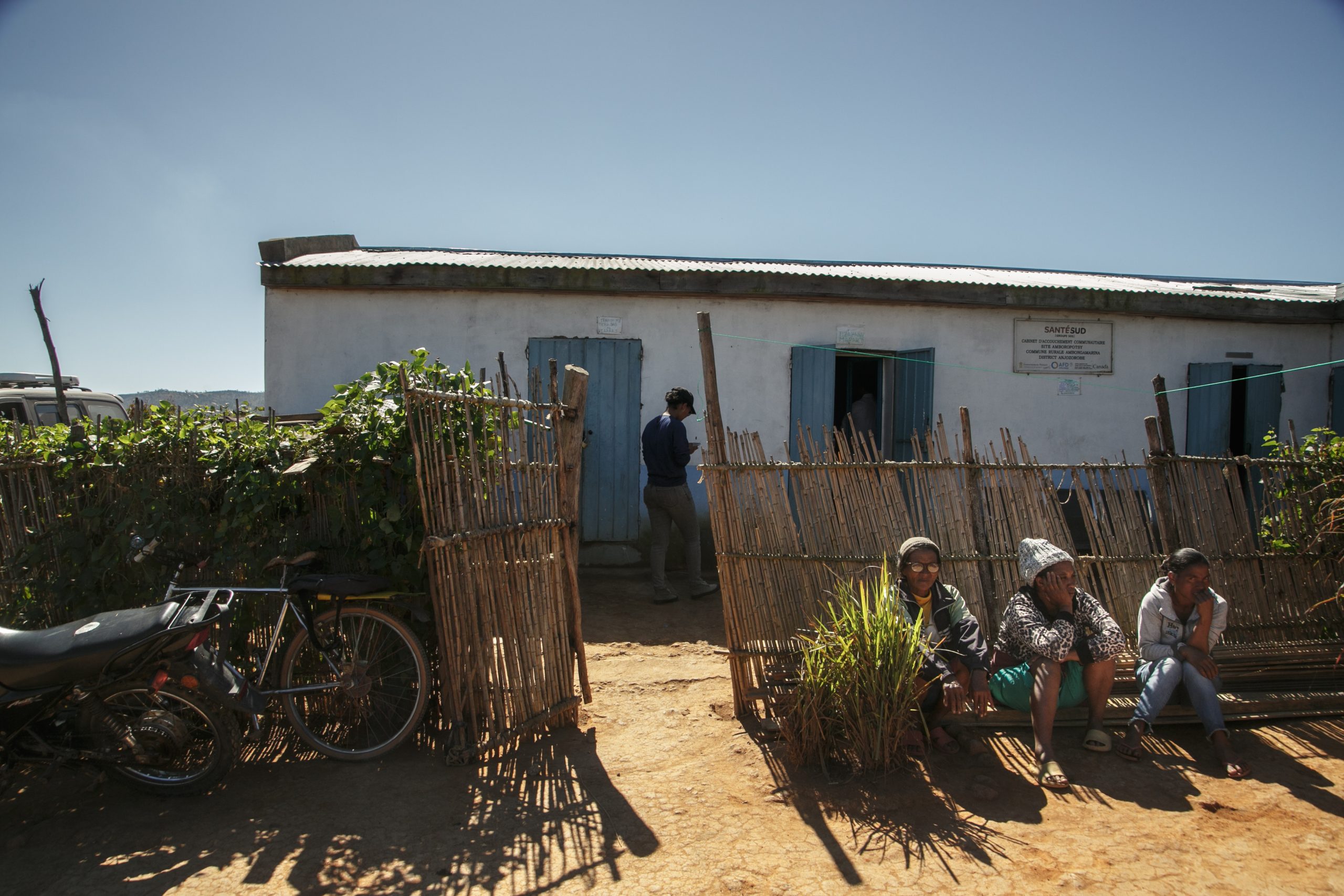
About 110 km from Antananarivo, between rice fields and hills, her clinic is open. Working in private practice after standard midwifery training and further in-service training financed by the PluriElles project and delivered by the NGO Santé Sud, Mihaja received a “starter medicine kit”supplied by the “Bien Naître” project, supported by the Agence Française de Développement, the Princely Government of Monaco and Synergie Renouvelable. Thanks to her clinic, village life has changed: previously women had to travel long distances to give birth; today, as Mihaja explains, “it is nearby, it makes people’s lives easier and is a huge relief.”
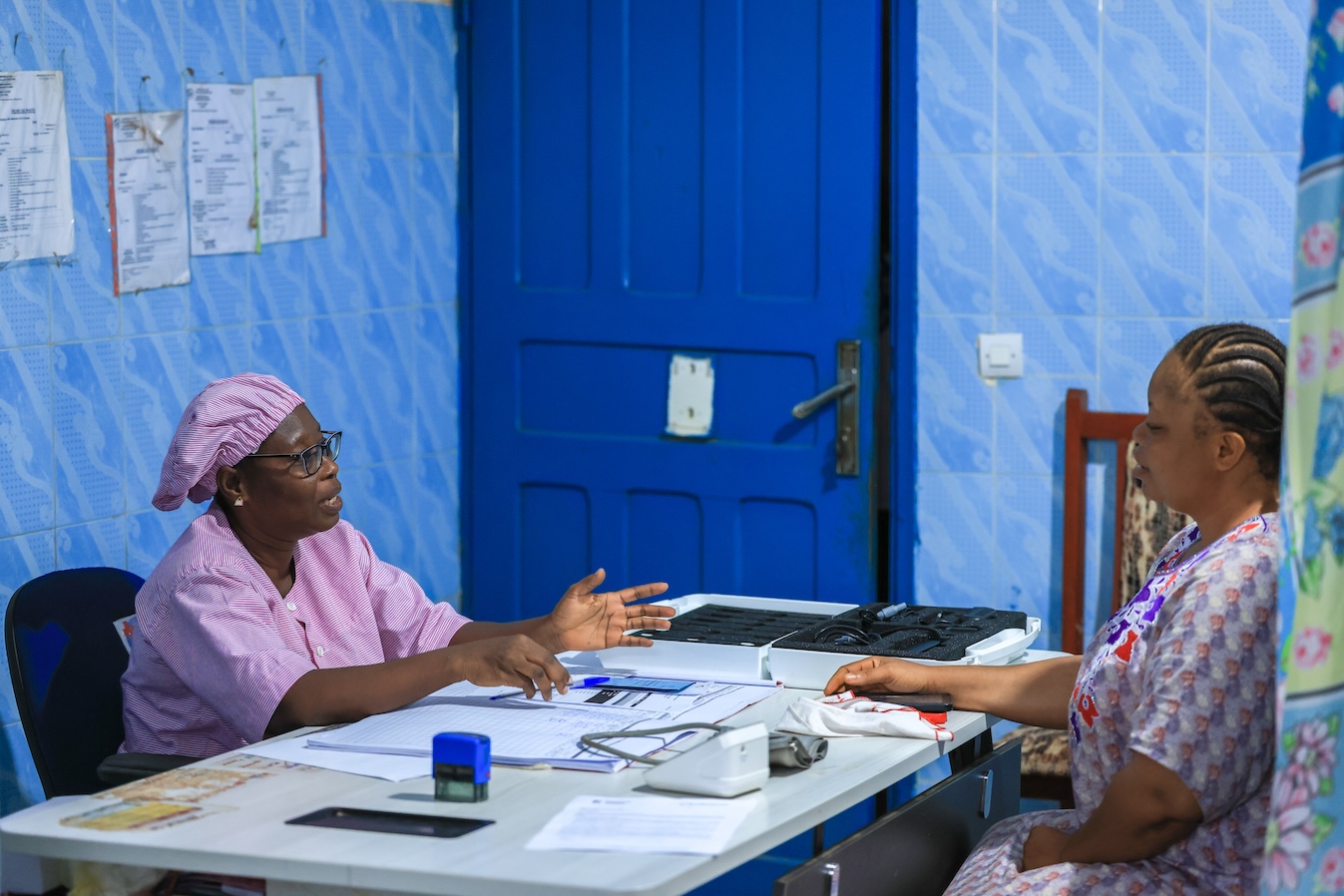
The Amboropotsy Community Birth Clinic is not just a delivery point. It is a multipurpose facility — antenatal consultations, family planning, vaccinations, postnatal follow-up and care for sick patients — which also offers services related to HIV, tuberculosis, malaria and cervical cancer. The project has thus made localised care a tangible response to the challenges faced by the local population.
Training to support: skills and knowledge
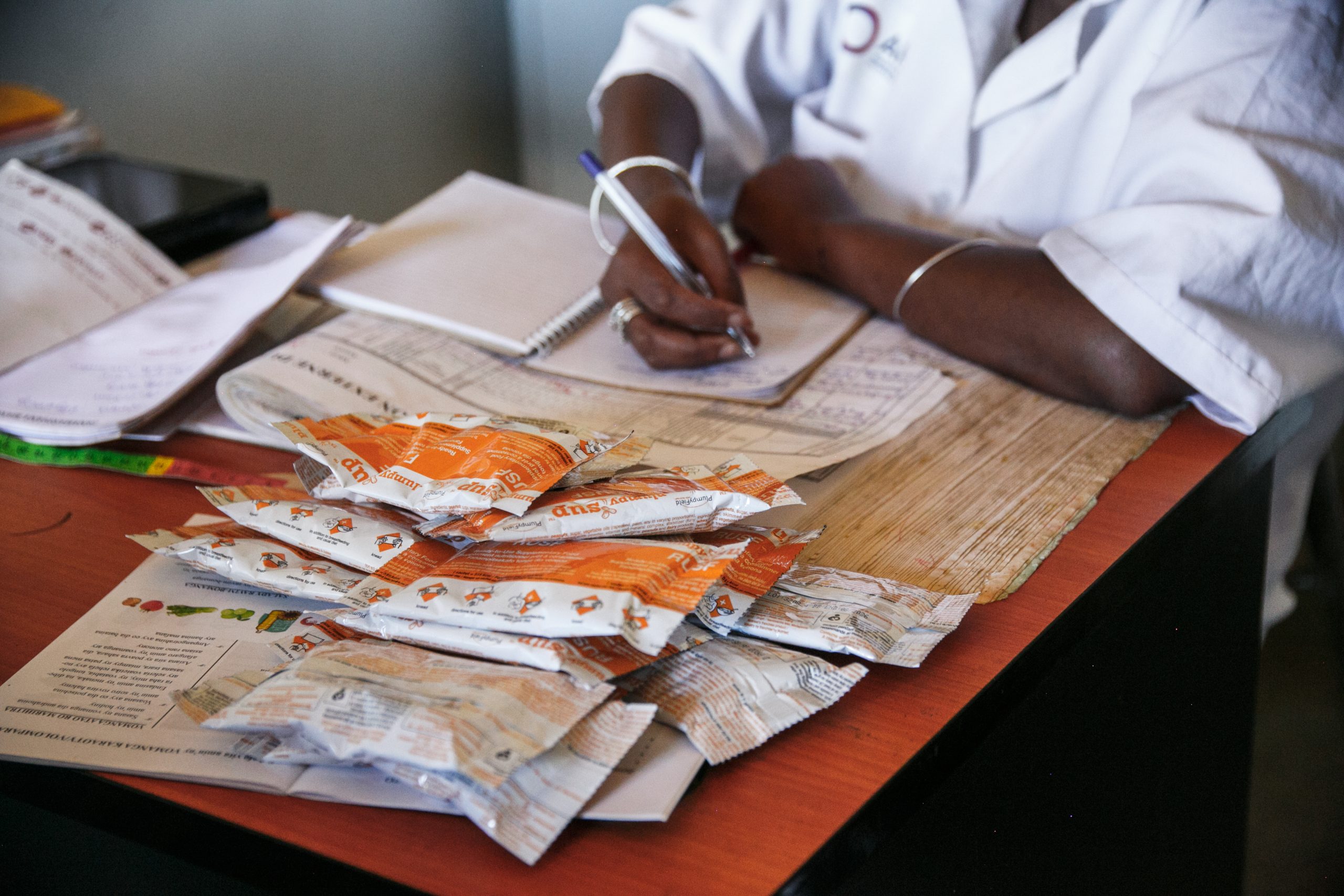
On a daily basis the clinic is where life-saving practices are applied. During a follow-up visit, Dr Jemima Raherimalala, project officer at Santé Sud, reiterates the protocols: “Rasazy [common term for ‘midwife’], have you already prepared the disinfection solutions?” she asks. “It is really important to clean thoroughly to reduce the risk of healthcare-associated infection, for your patients and for you.”
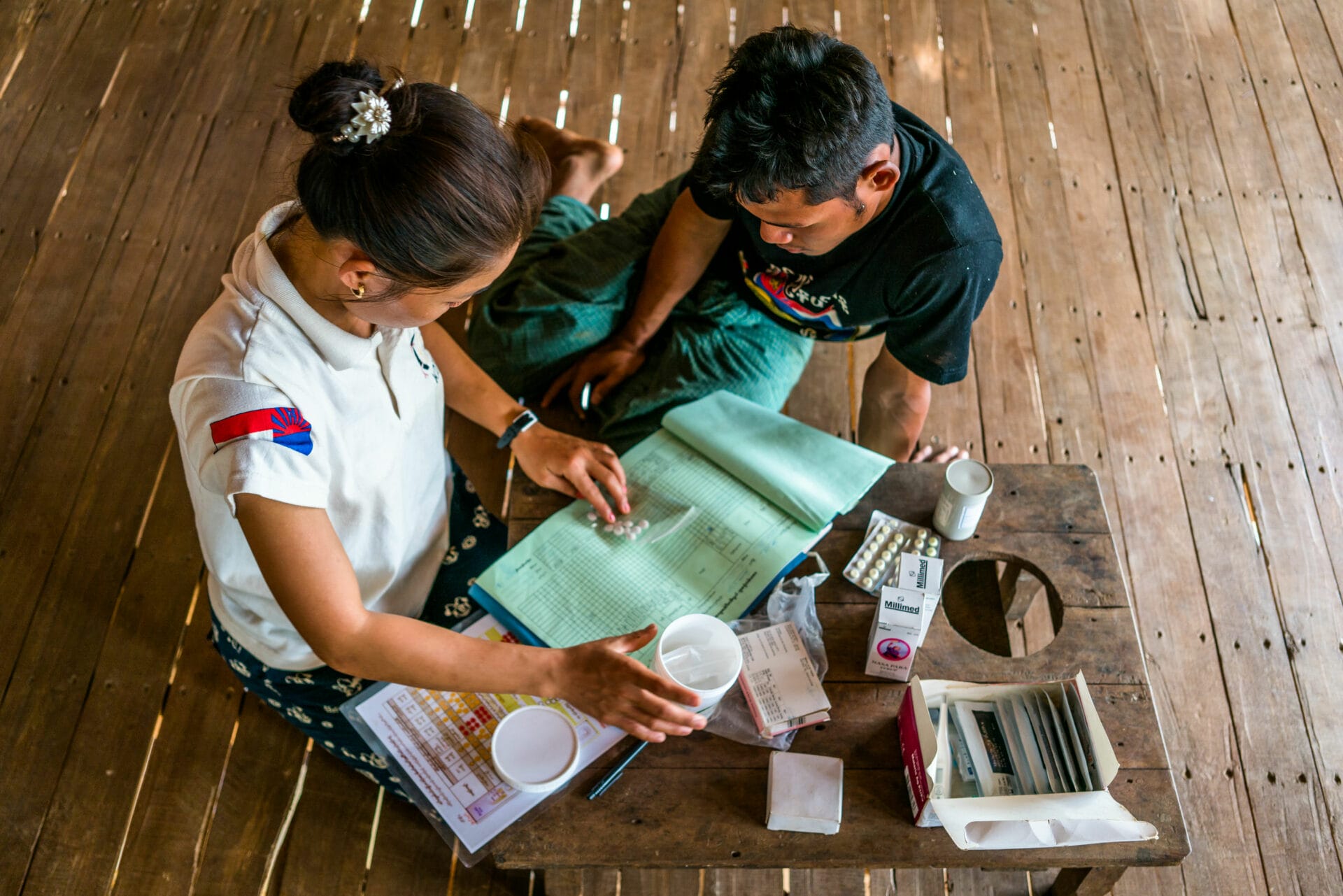
These exchanges illustrate PluriElles’ approach: training multi-skilled midwives able to provide maternity services but also first-line care, disease prevention and control, clinic management and coordination with the affiliated Primary Health Centre (Centre de Santé de Base — CSB). Training covers concrete topics — HIV/AIDS, cervical cancer, malaria, tuberculosis — and, above all, local ownership: “once these trainings are completed, it is up to the midwife to make what she has learned her own and to put it into practice at her workplace.”
In the field, practice matches rhetoric: services, equipment and quality management structure a health service that is understood and recognised by the community.
A viable community model: economy, peers and impact
PluriElles relies on a local economy and shared governance. Community Birth Clinics are set up or rehabilitated with material support from Santé Sud and the mobilisation of the community.
Care and services are fee-based, but requests for medical advice are free. The model sets a community-negotiated price so that consultations, deliveries and other procedures remain affordable. Solidarity mechanisms exist (agricultural barter, savings groups) to protect the most vulnerable and ensure the sustainability of the midwife’s private practice.
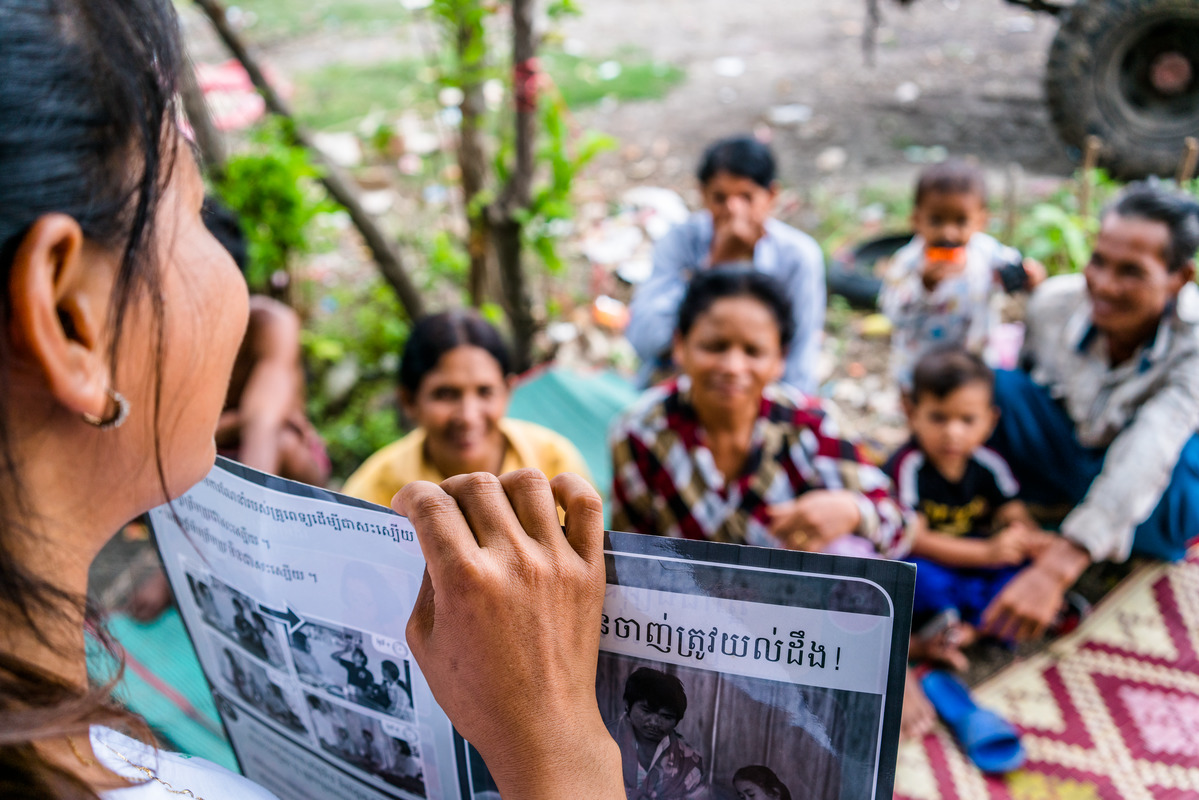
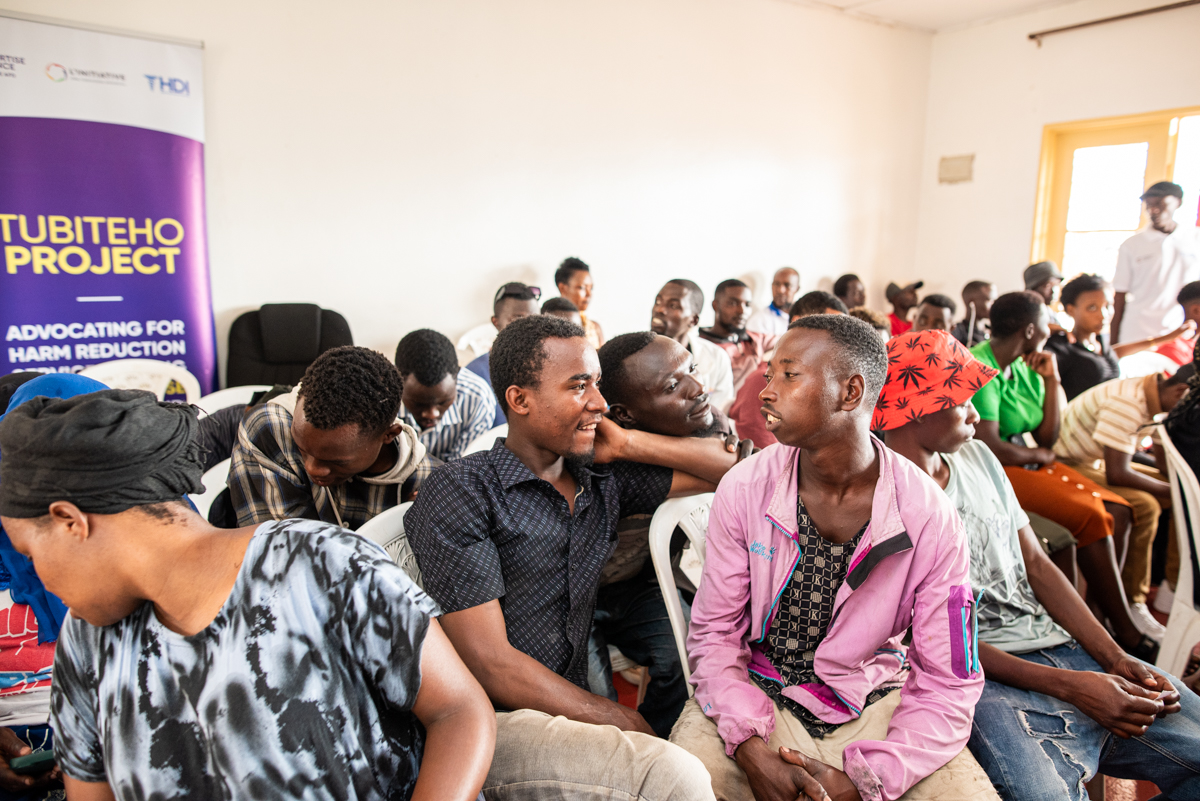
The role of mobilisers and young peer educators trained by the local association network MAD’AIDS is central: door-to-door visits and community outreach make possible conversations on subjects long considered taboo — HIV, cervical cancer, and sexual and reproductive health.
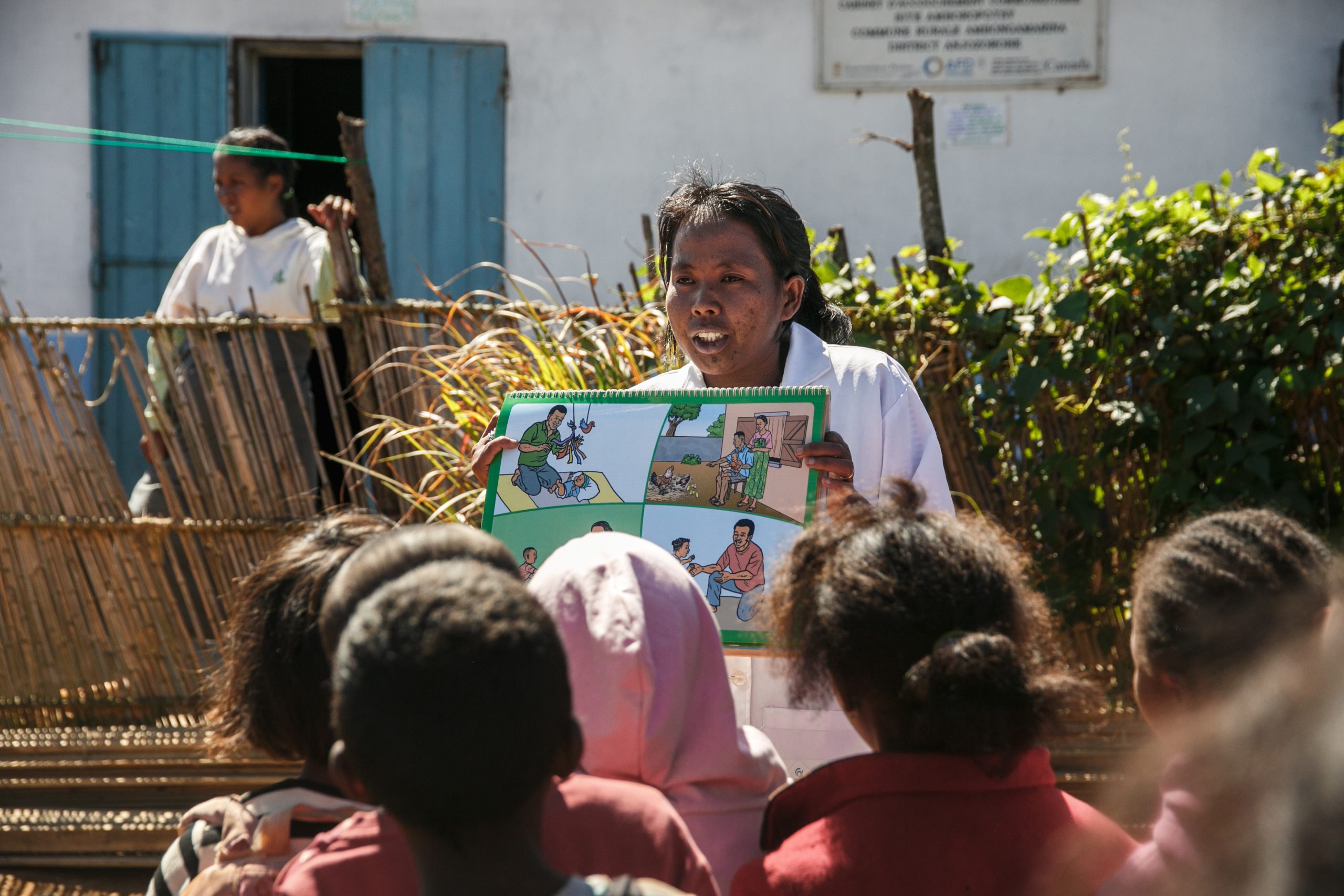
“Our goal is to work in collaboration with the midwife, because the topic of HIV we are addressing is still very new for the population,” explains Rasoavahiny Harisoa, a community agent.
The planned figures confirm the ambition: the project aims to place 12 new midwives in the DIANA region and to strengthen 18 others in Analamanga, to increase by 10% the pregnancies followed and the safe deliveries in targeted areas; 11,300 HIV tests, 15,000 malaria tests and 2,000 cervical cancer screenings are planned.
Acting for proximity and dignity
PluriElles embodies an integrated, gender-sensitive response rooted in the community. By bringing the midwife closer to the village, training her and providing start-up equipment and medicines, the project gives rural populations access to quality care.
Images of training, safe deliveries, community outreach and testimonies: watch the report “PluriElles: promoting sexual and reproductive health and rights in rural areas” to continue this immersion.