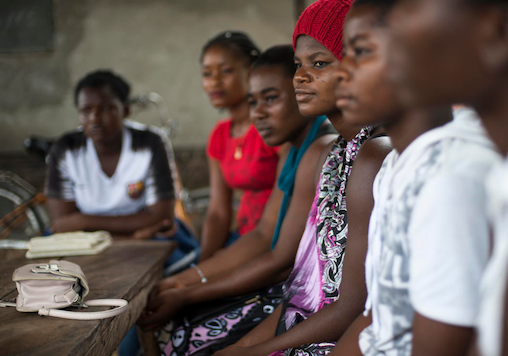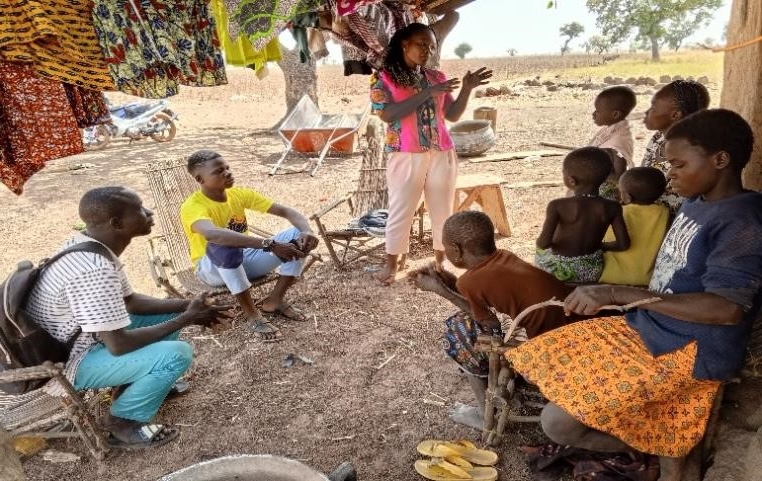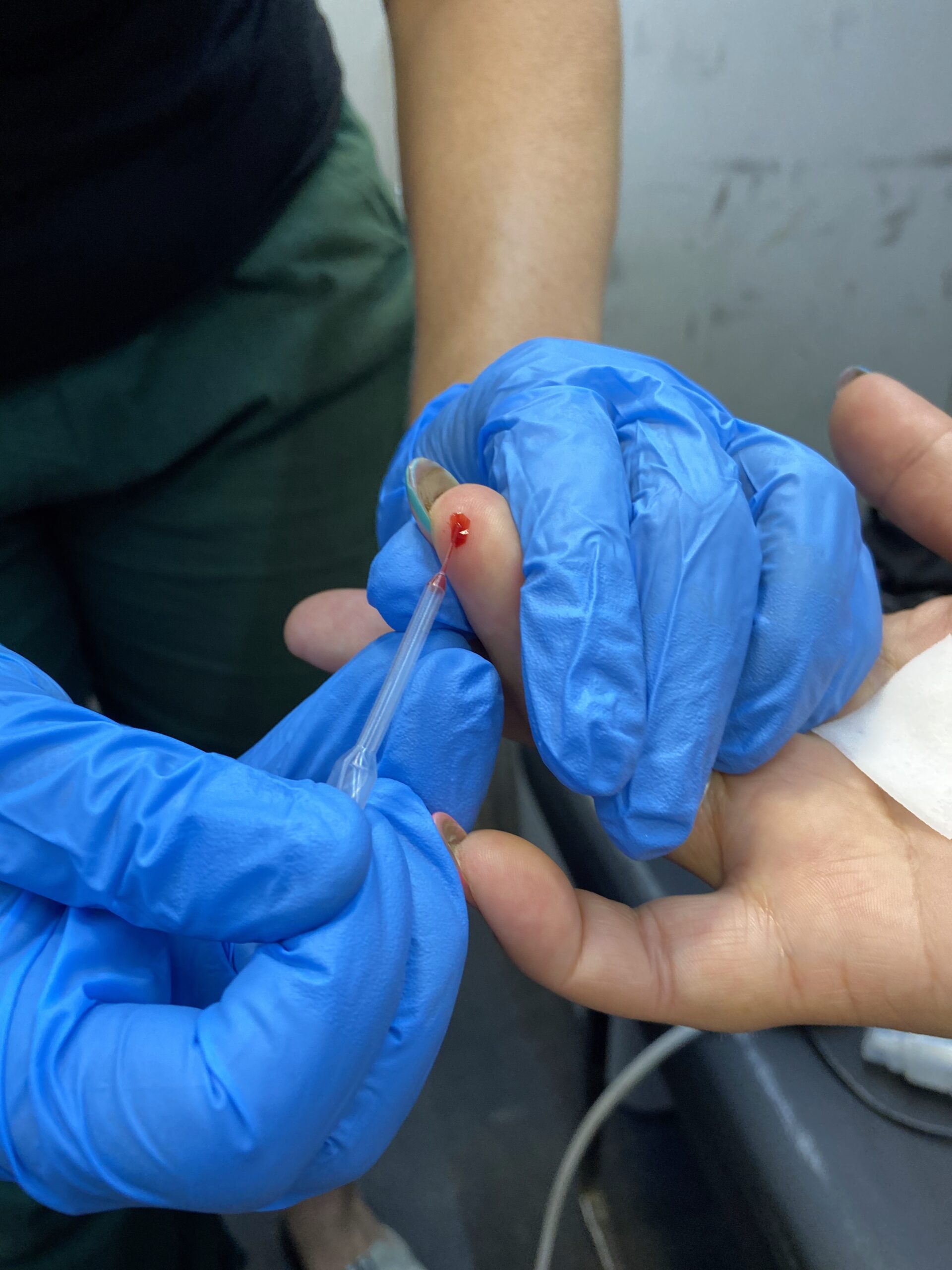

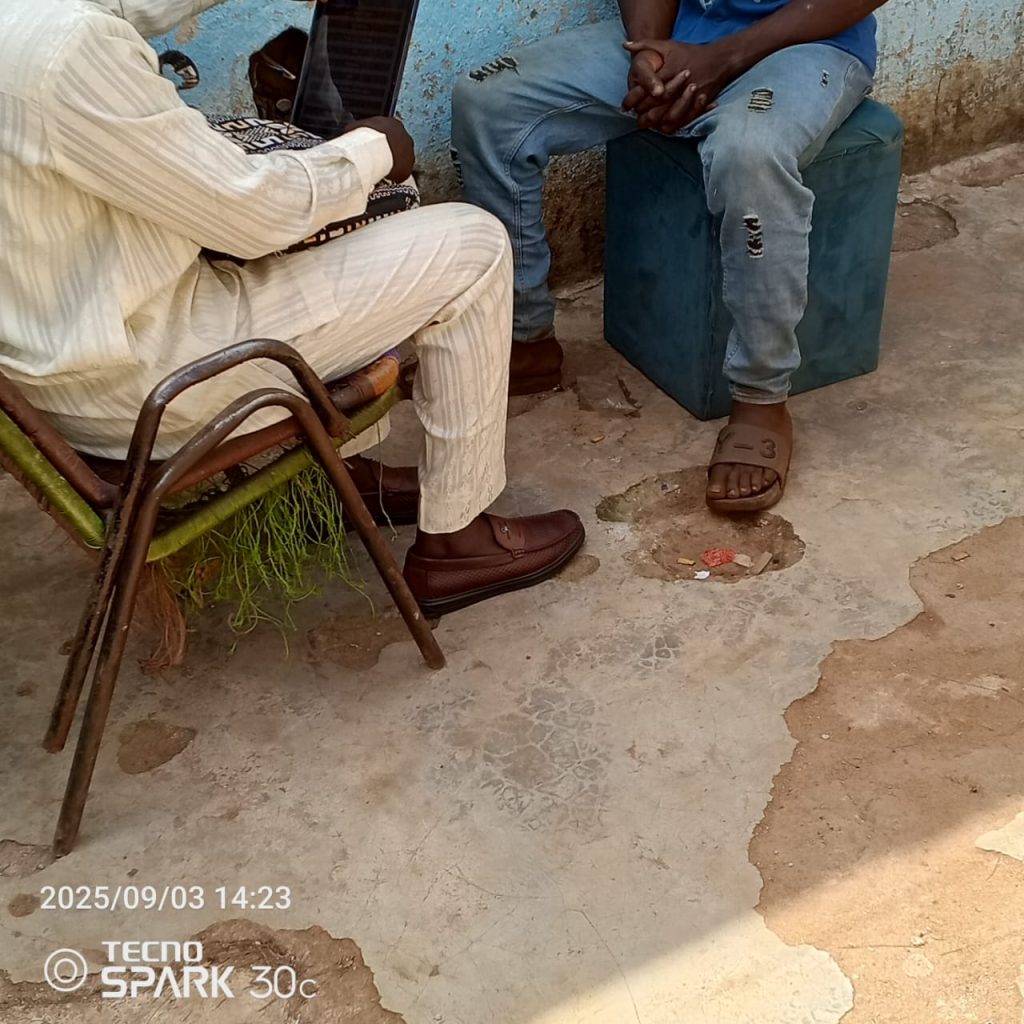
The Community Cascades project strengthened the role of associations and peer educators in the HIV response in Morocco, Mali (until 03/2023) and Romania by improving testing, care follow-up and community accountability.
Contexte
In Mali, Morocco and Romania, PLHIV (People Living with HIV) associations and community organizations play a key role in testing, care support and retention. However, their data-collection and analysis practices remain fragmented, limiting their advocacy and influence. The “Community Cascades” model provides a harmonized framework to measure and improve intervention outcomes in alignment with national cascades and UNAIDS 95-95-95 targets.
Description
The Community Cascades project aims to demonstrate and reinforce the community contribution to access to testing and retention in care for key populations. Implemented across three distinct contexts, it is organised around three pillars:
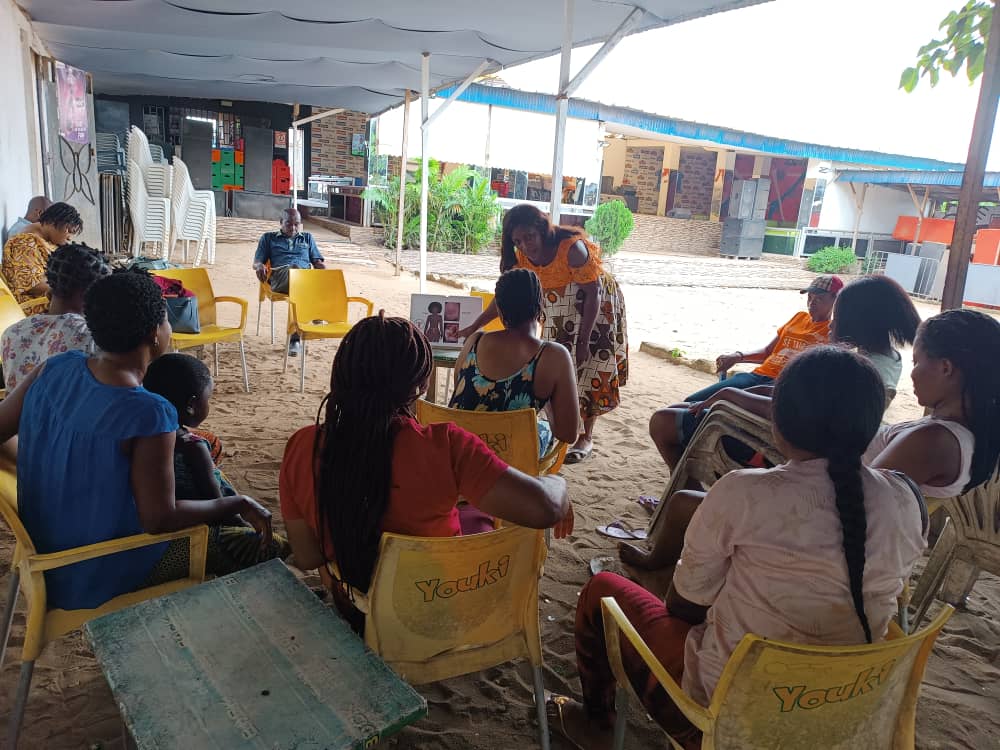
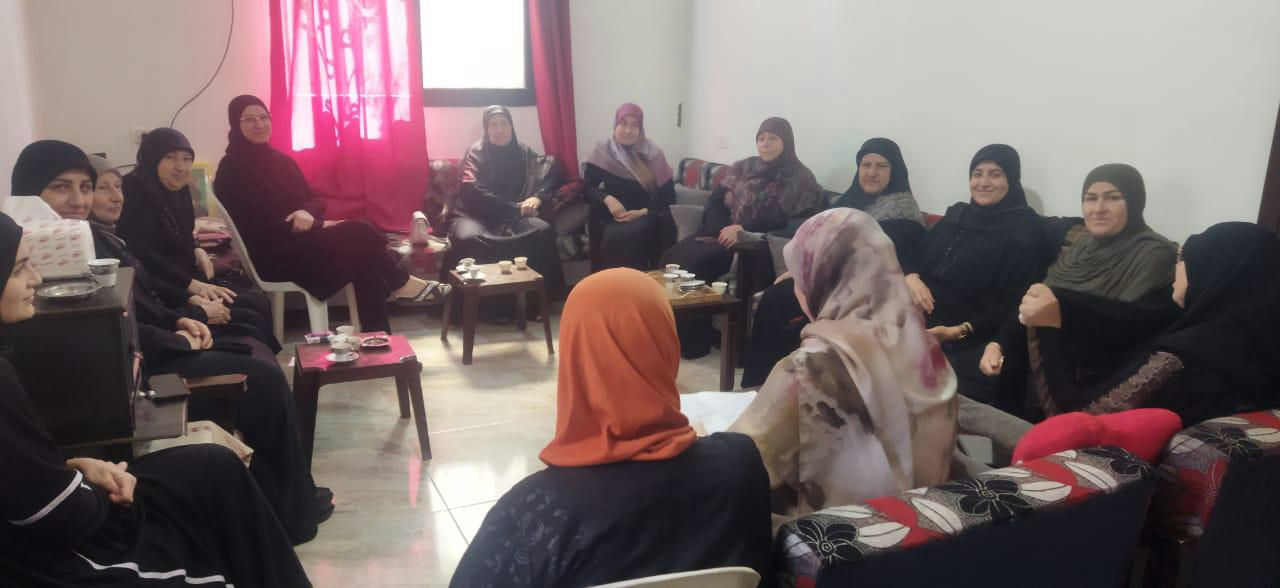
- Participatory assessment — recruitment and training of national evaluators, qualitative surveys and diagnostics of local practices;
- Monitoring & evaluation strengthening — adaptation of tools, peer training and support for organisations;
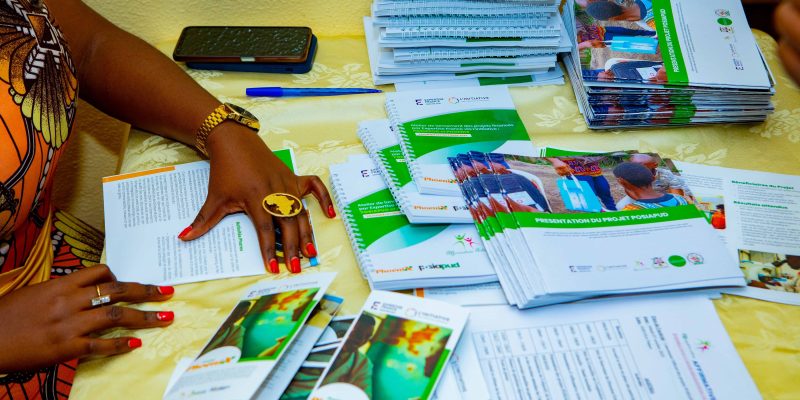
- Capitalization & advocacy — integrating community cascades into national systems through methodological guides, regional dissemination and experience sharing.
Impact
The project highlighted the communities’ contribution to the HIV response, identified gaps in care pathways and proposed appropriate solutions. More than 2,000 PLHIV were monitored via a strategic information system co-developed with community organizations and used by over 60 staff members. Over 200 actors took part in capacity-building activities and tool co-development.
This now-recognized approach provides a replicable reference and strengthens the legitimacy of communities as essential actors in the HIV response.