
This project evaluates the feasibility, acceptability, cost, and impact of seasonal malaria chemoprevention (SMC) delivered at home by community health workers to children under two, compared with delivery via the Expanded Programme on Immunisation.
Contexte
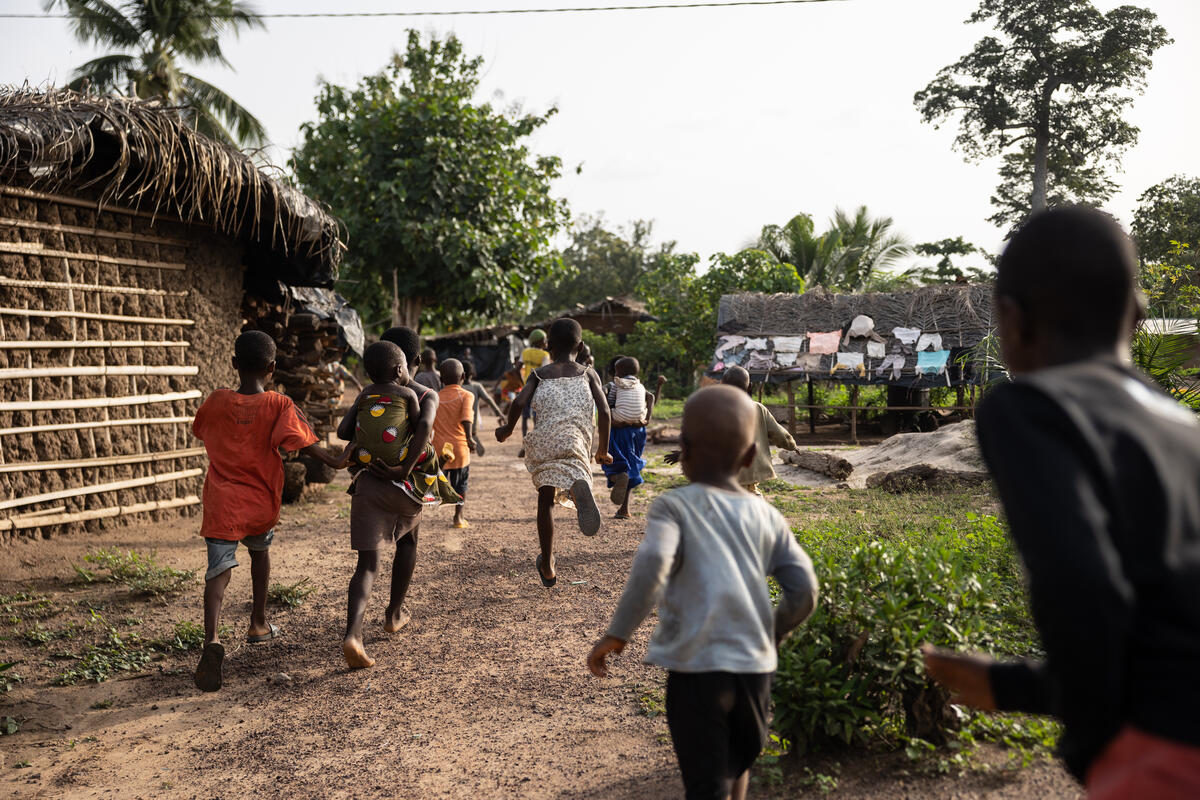
Malaria remains the leading cause of death among children under five in sub‑Saharan Africa. Despite WHO recommendations and proven efficacy, perennial malaria chemoprevention (PMC) is under‑utilised in areas of moderate to high perennial transmission. Delivery through the Expanded Programme on Immunisation (EPI) also faces low coverage and adherence, failing to provide optimal protection during children’s second year of life. Distance to health centres and women’s limited autonomy—requiring household head permission—further restrict access to PMC.
Description
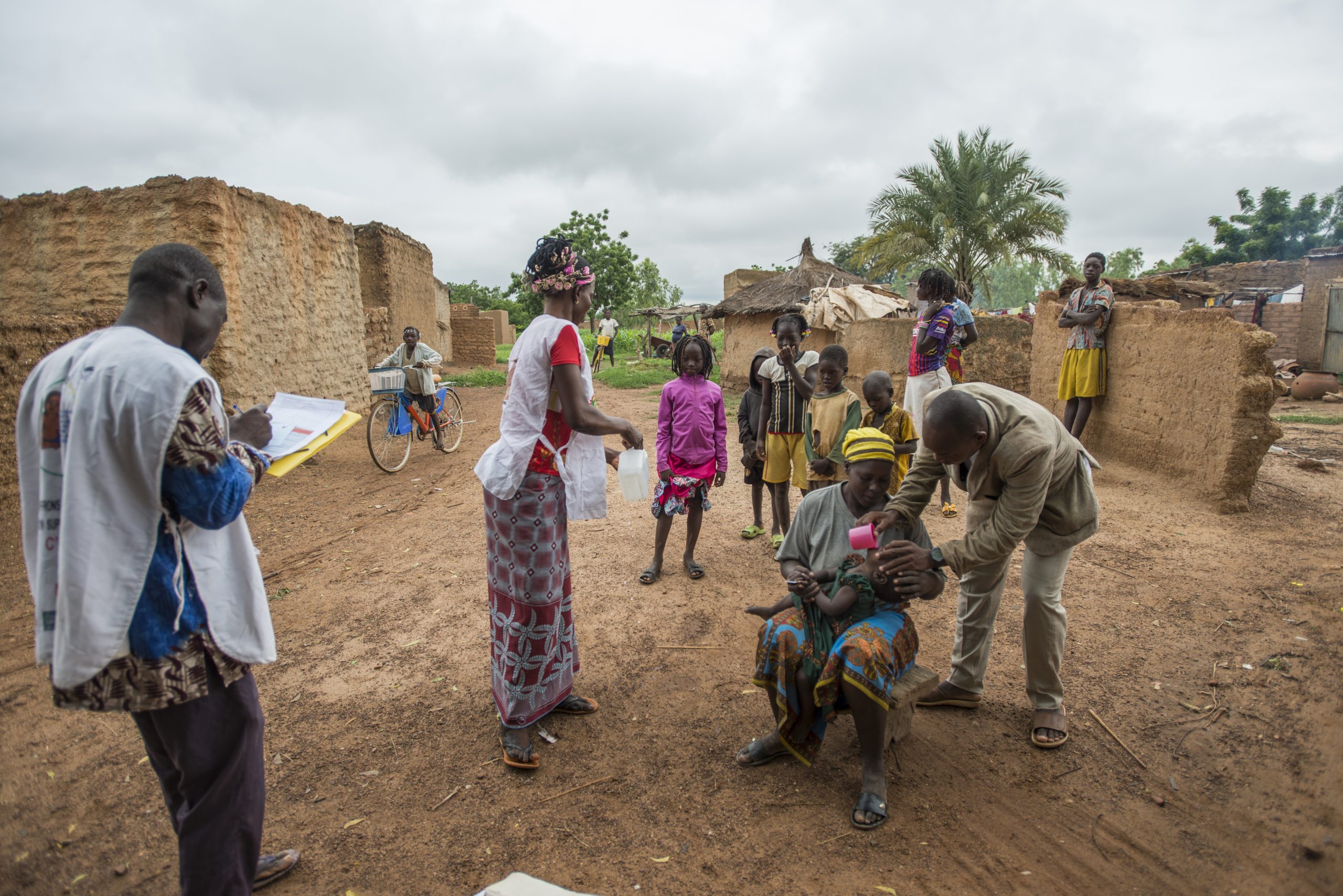
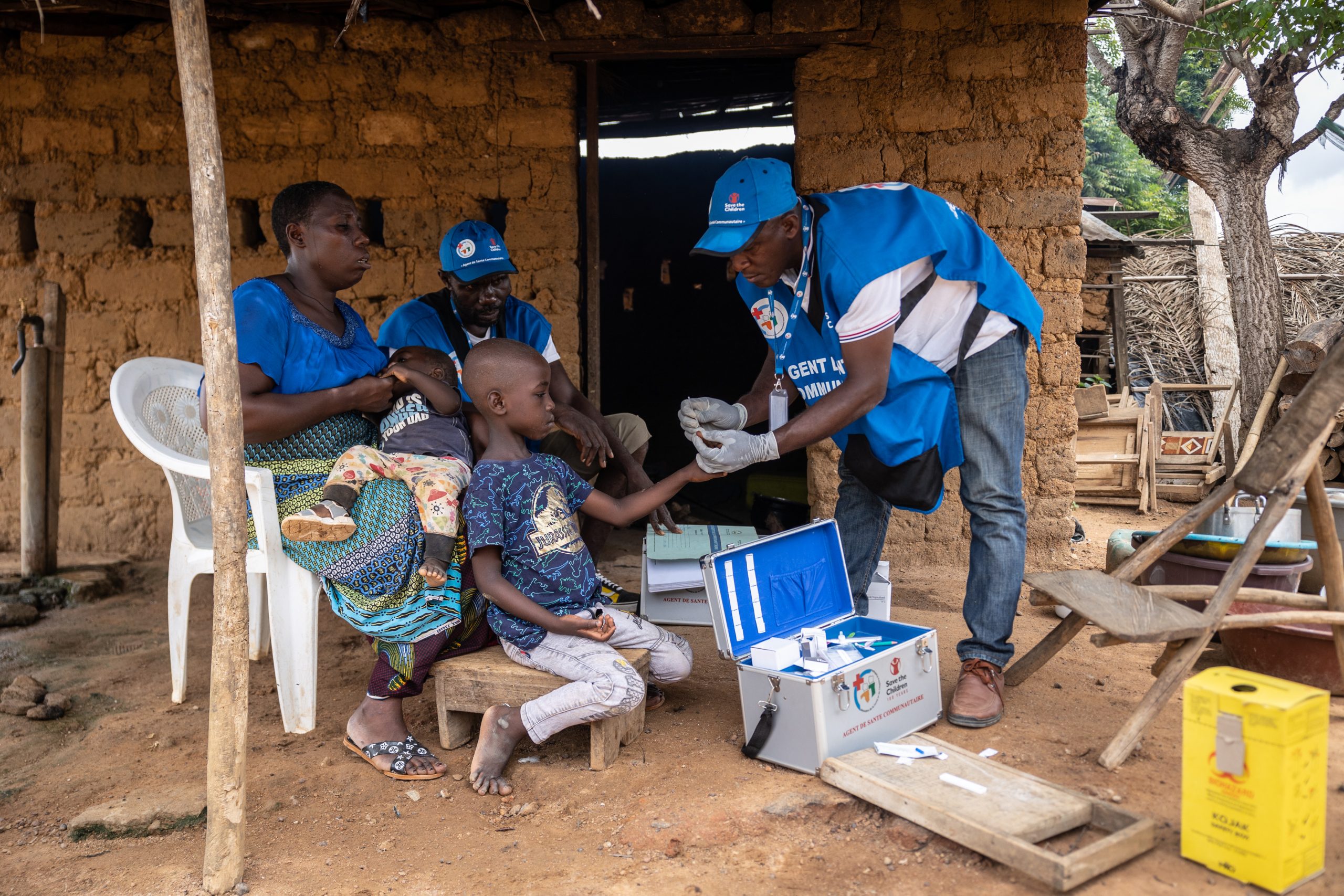
The COMBINE project aims to evaluate the feasibility, acceptability, cost, and impact of a community‑based PMC strategy (C‑PMC) implemented alongside the national strategy, which relies solely on the EPI (five doses in Côte d’Ivoire and four in Togo). The study population comprises children under two in two districts per country: one intervention district and one control district. In the intervention district, C‑PMC will be administered by community health workers (CHWs) during quarterly home visits, in addition to EPI, allowing children to receive up to nine doses before age two. CHWs will be trained to educate families—especially household heads—on the benefits of PMC and vaccination, while promoting mothers’ autonomy in child‑care decisions. The primary outcome is PMC coverage, defined as the proportion of children receiving at least five doses in Côte d’Ivoire and at least four doses in Togo.
Impact
COMBINE‑PMC aims to generate evidence on the feasibility, acceptability, operational effectiveness, and cost‑effectiveness of community‑based PMC, while promoting gender equity. The results will guide the national malaria control programmes of Côte d’Ivoire and Togo in their child‑focused malaria responses, inform WHO recommendations, and influence malaria policies in other African countries.