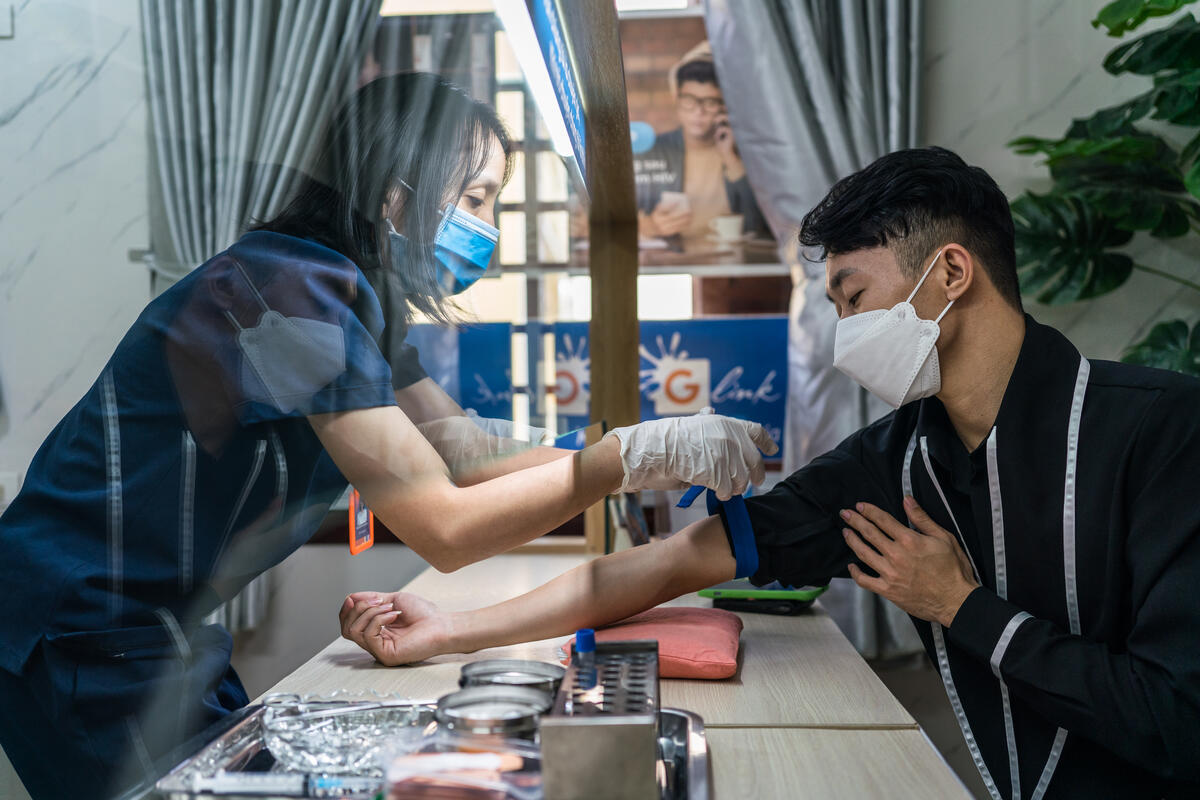

This project aims to improve mental health of people living with and affected by HIV by strengthening the capacity of community health system in Vietnam.
Contexte
Mental health disorders are significantly more common among key populations than in the general population, yet remain under-diagnosed and under-treated. For people living with HIV (PLHIV), mental health issues are linked to delayed access to care, poor treatment adherence, viral non-suppression and lower quality of life. In Vietnam, mental health care suffers from a lack of trained professionals, limited services at the community level, and chronic underinvestment. Since 2014, SCDI has pioneered community-led models for people who inject drugs and other vulnerable groups. DREAMH builds on this experience to improve mental health outcomes among key populations—men who have sex with men, transgender people, sex workers, people who use drugs, and PLHIV—through accessible, community-driven and gender-sensitive interventions.
Description
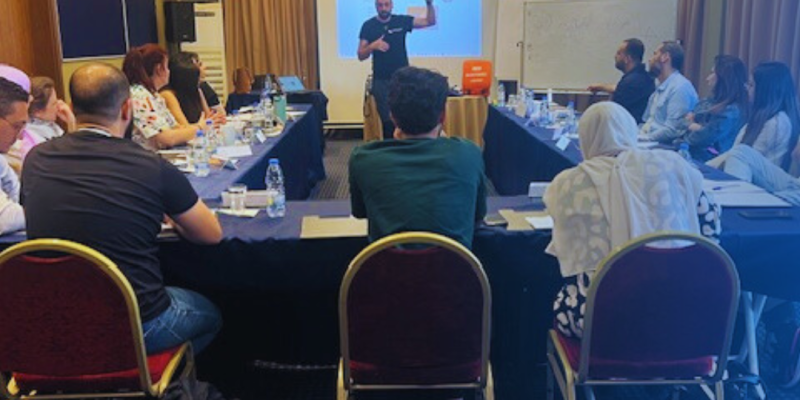
DREAMH scales up access to quality mental health services by empowering community-based organizations (CBOs) in six provinces with high concentrations of key populations (Hanoi, Hai Phong, Ninh Binh, Thai Binh, Nghe An, and Ho Chi Minh City). The project adapts and implements a community-driven model of mental health care tailored to the diverse realities and identities of key populations. Activities include the development of standardized screening tools, technical guidelines, and intervention packages; training for peer outreach workers and mental health professionals; and the establishment of referral pathways between CBOs and public psychiatric services. This approach ensures that mental health care is accessible, gender-responsive, and embedded within the broader community health response to HIV.
Impact
The project supports 20 CBOs of people living with HIV and key populations. It mobilizes 100 peer outreach workers—including cisgender men, cisgender women, transgender and non-binary individuals—and around 80 community health collaborators. It also trains 25 psychiatrists in six provinces to deliver inclusive care. In total, DREAMH reaches 21,000 individuals, including 7,000 men who have sex with men, 980 transgender people, 3,620 sex workers, 1,750 PLHIV and 7,650 people who use drugs. It reinforces community-led care and strengthens referral systems to ensure better mental health and wellbeing for key populations.