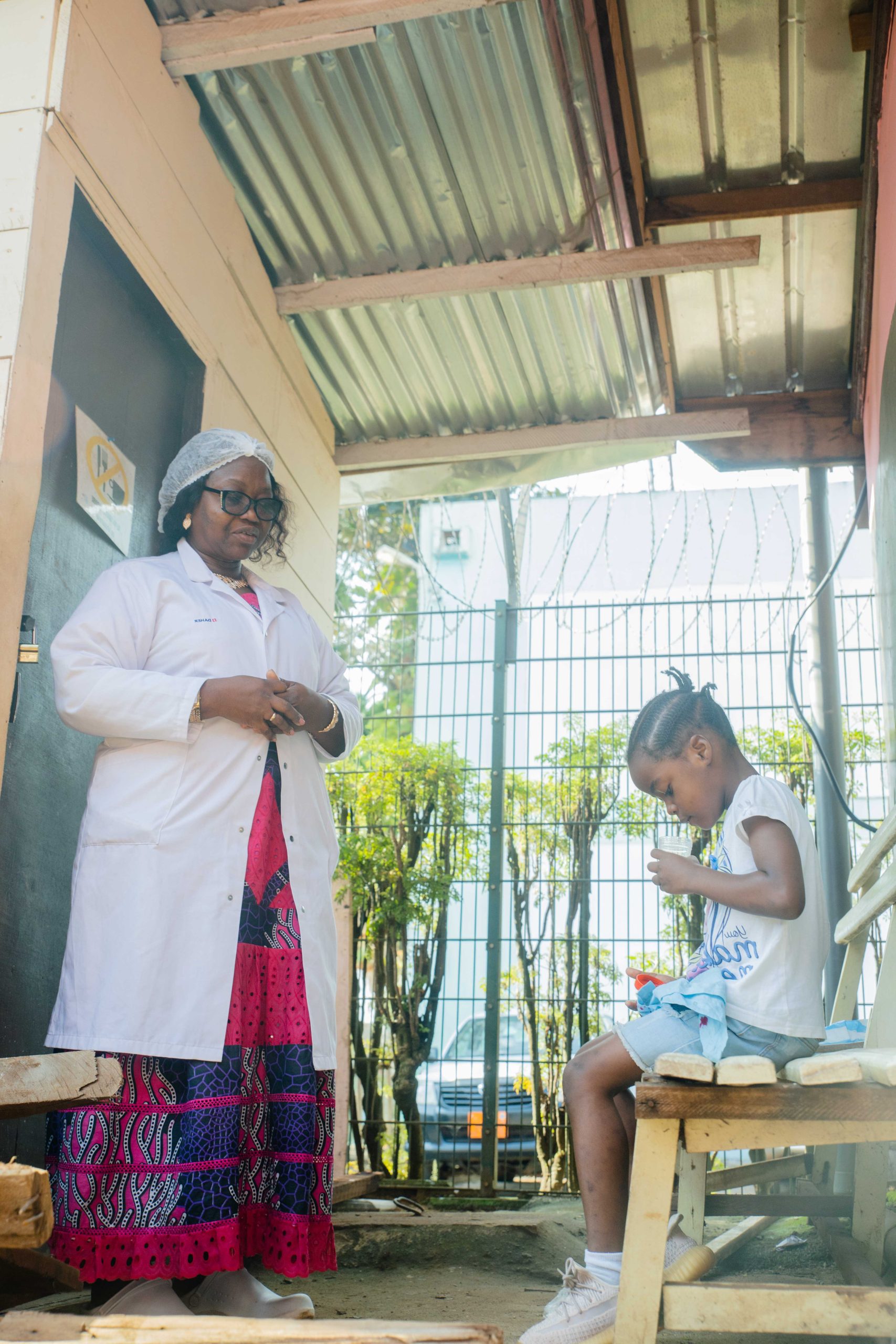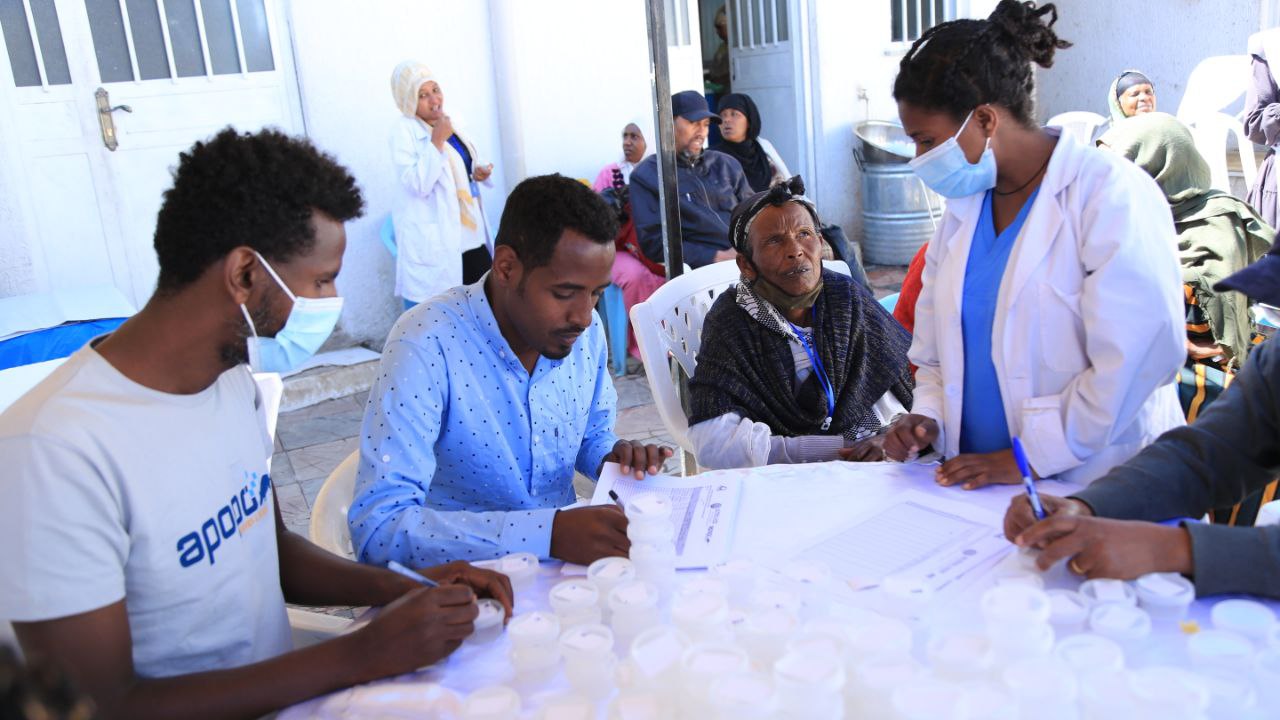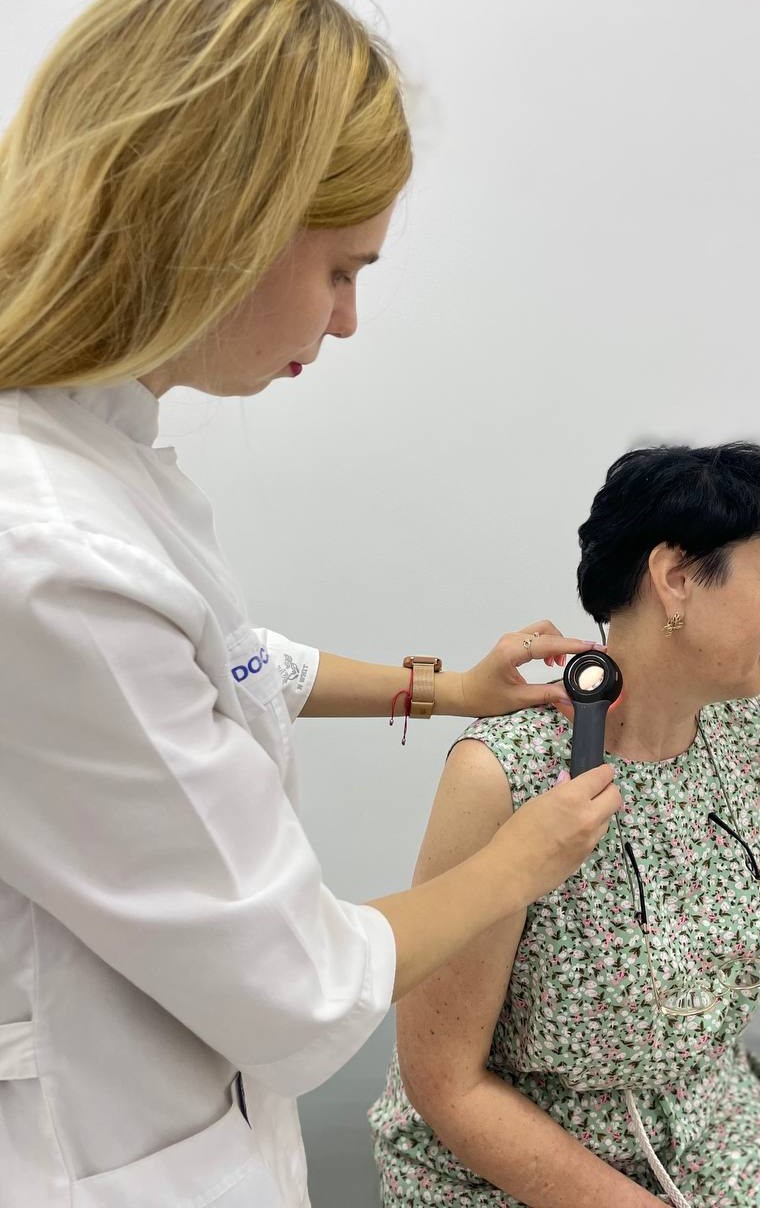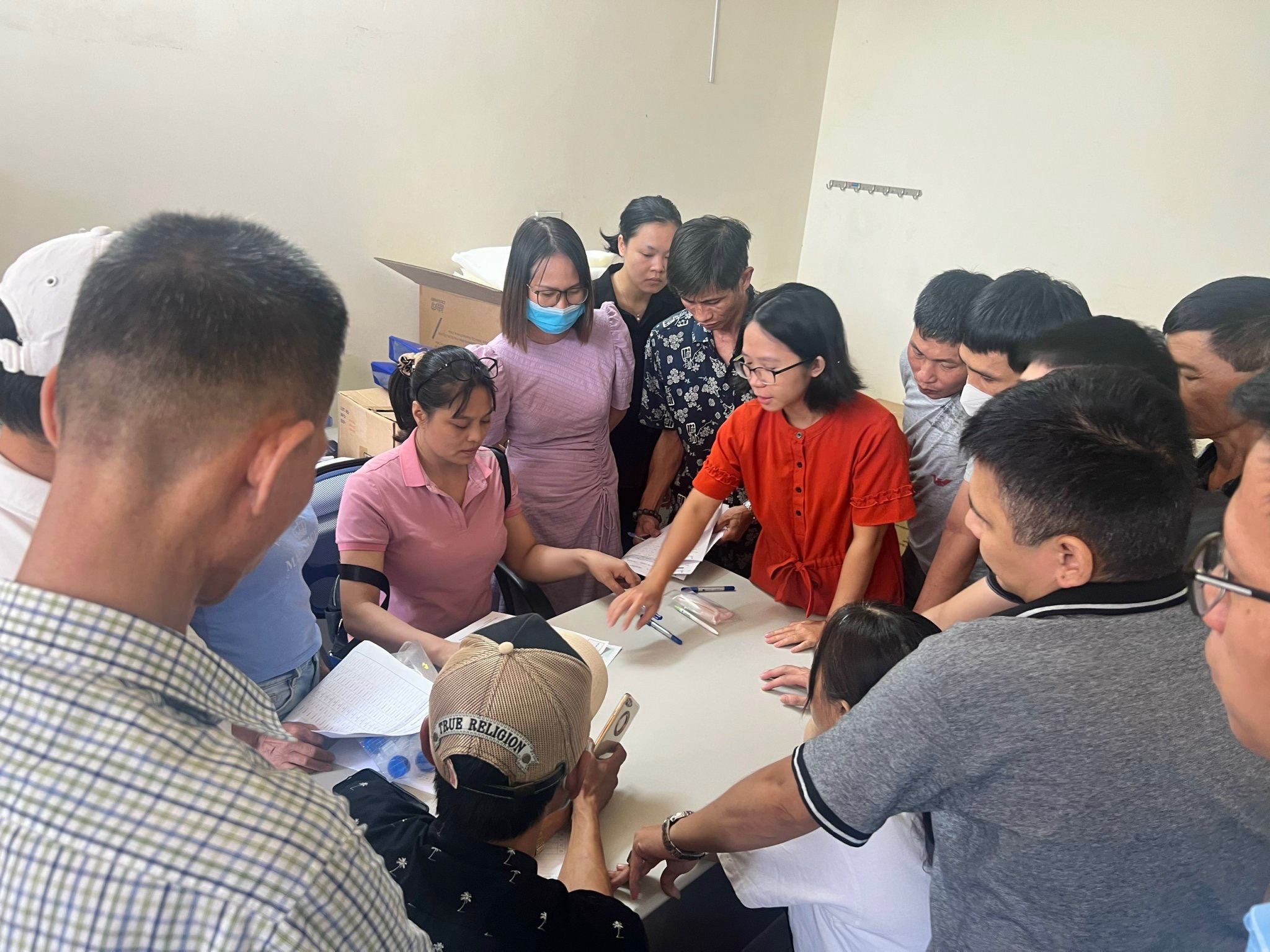

Free TB aims to strengthen screening, diagnosis and access to treatment for children under five in Bo District through a decentralized, community-based and gender-sensitive approach to reduce mortality and diagnostic delays.
Context
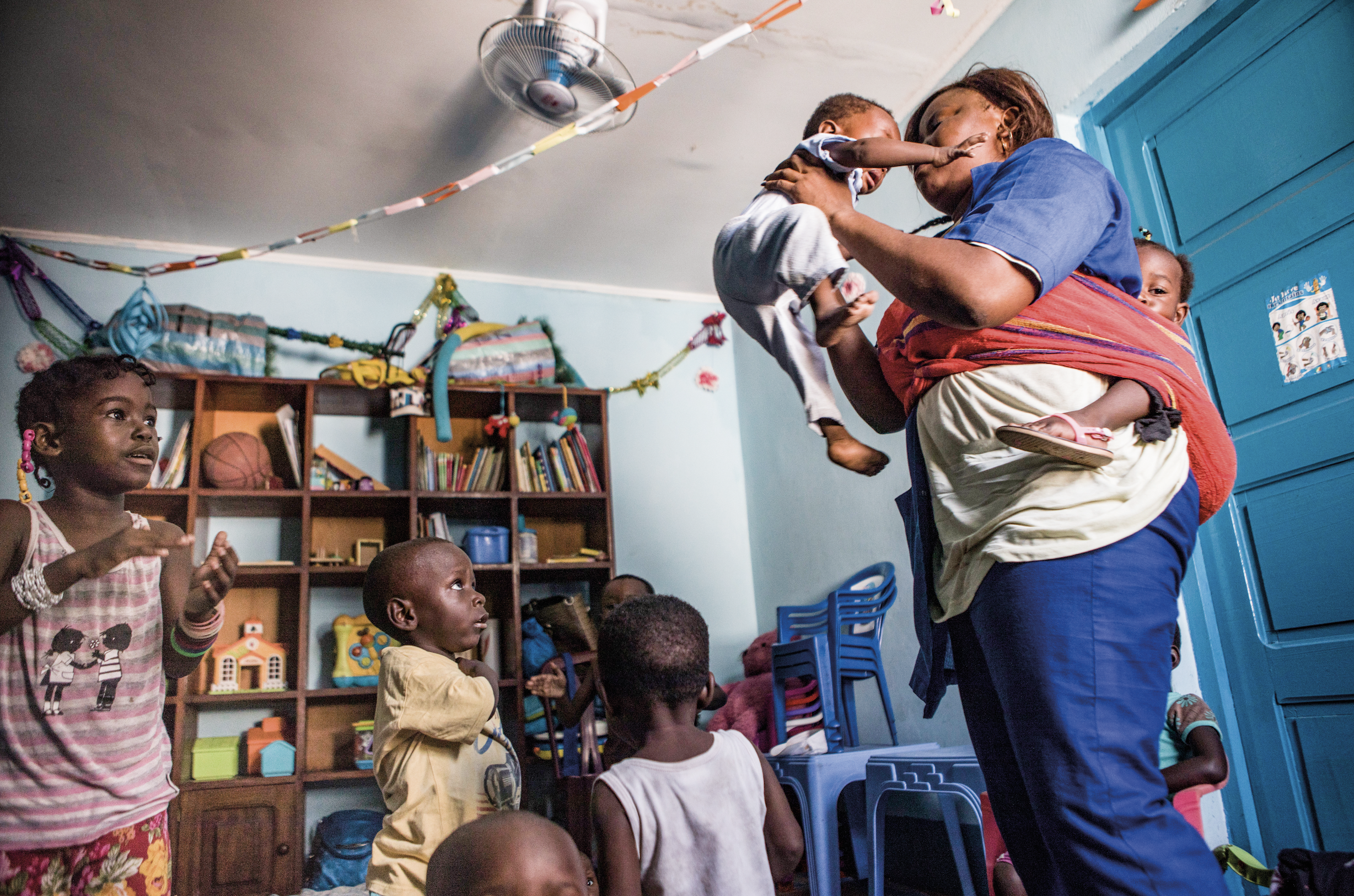
Sierra Leone is among the 30 high-TB-burden countries (incidence ≈ 298/100,000); tuberculosis remains the sixth leading cause of mortality. Children under five are particularly vulnerable: they account for a substantial share of TB-related deaths yet are scarcely screened and rarely receive preventive treatment. Pediatric diagnosis is complex; frontline health workers lack training and tools, and socio-economic barriers, malnutrition, stigma and transport costs impede access to care. The TB-Speed project demonstrated the value of decentralized screening. Free TB Project builds on those gains to address identified gaps (referral pathways, community component, gender dimension, and continuity of services).
Description
To improve diagnosis, access to treatment and prevention, Free TB implements a decentralized operational strategy covering the entire care continuum and sensitive to gender-related determinants of health:
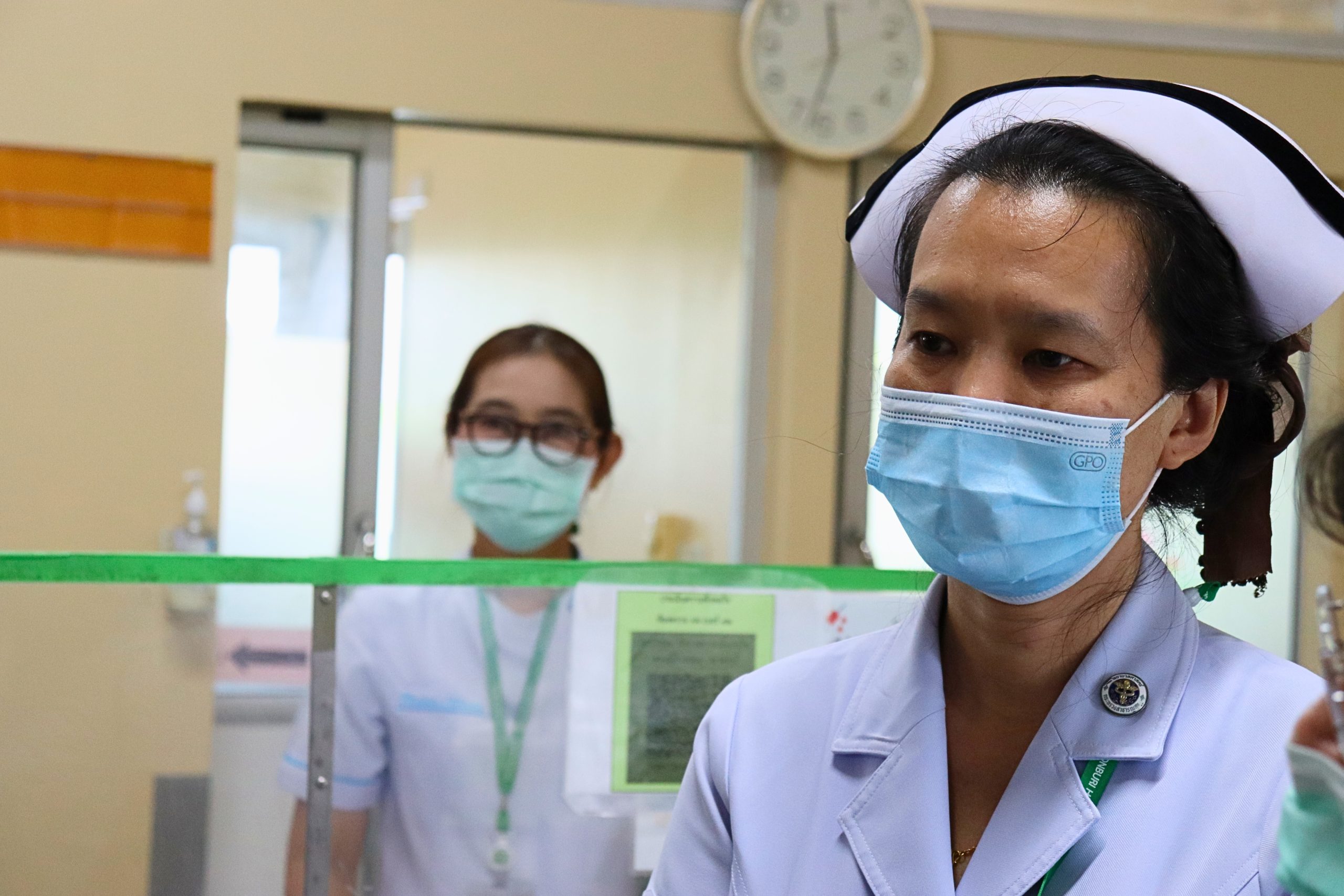
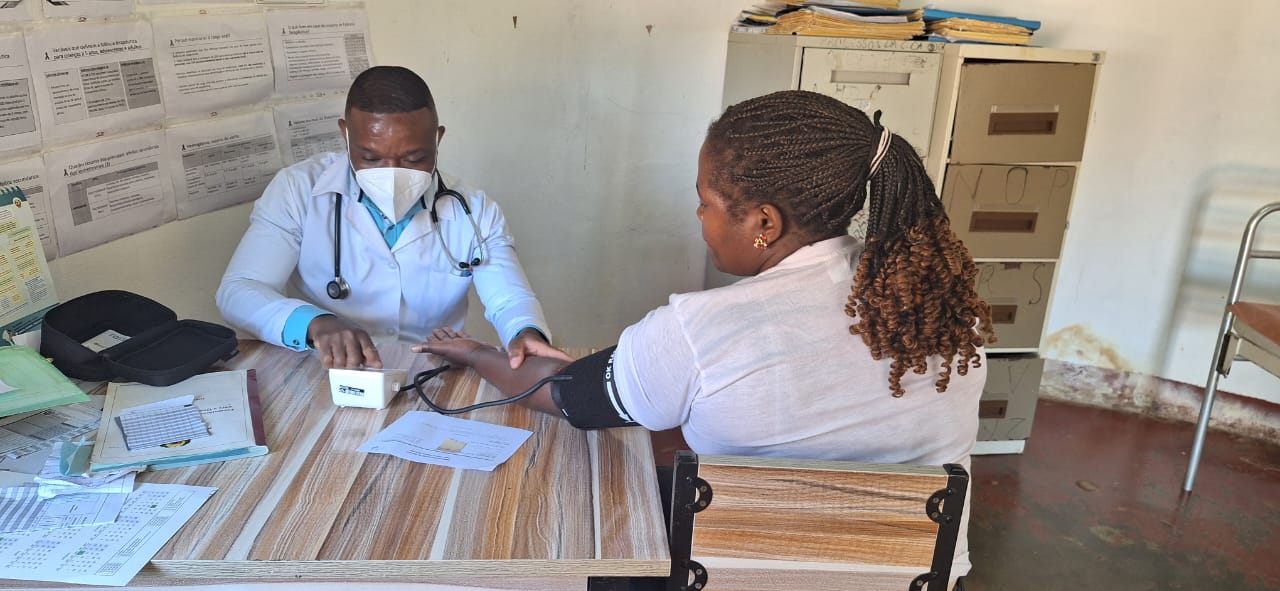
- Capacity strengthening and comprehensive diagnostic access at the district hospital: training sessions for health personnel on pediatric tuberculosis, screening and referral of suspected cases;
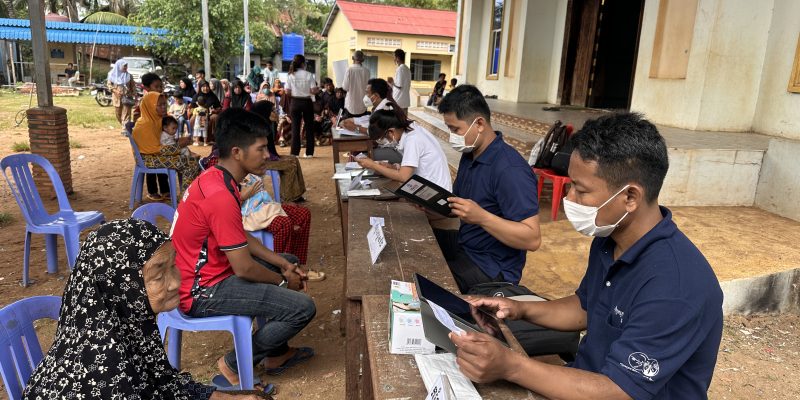
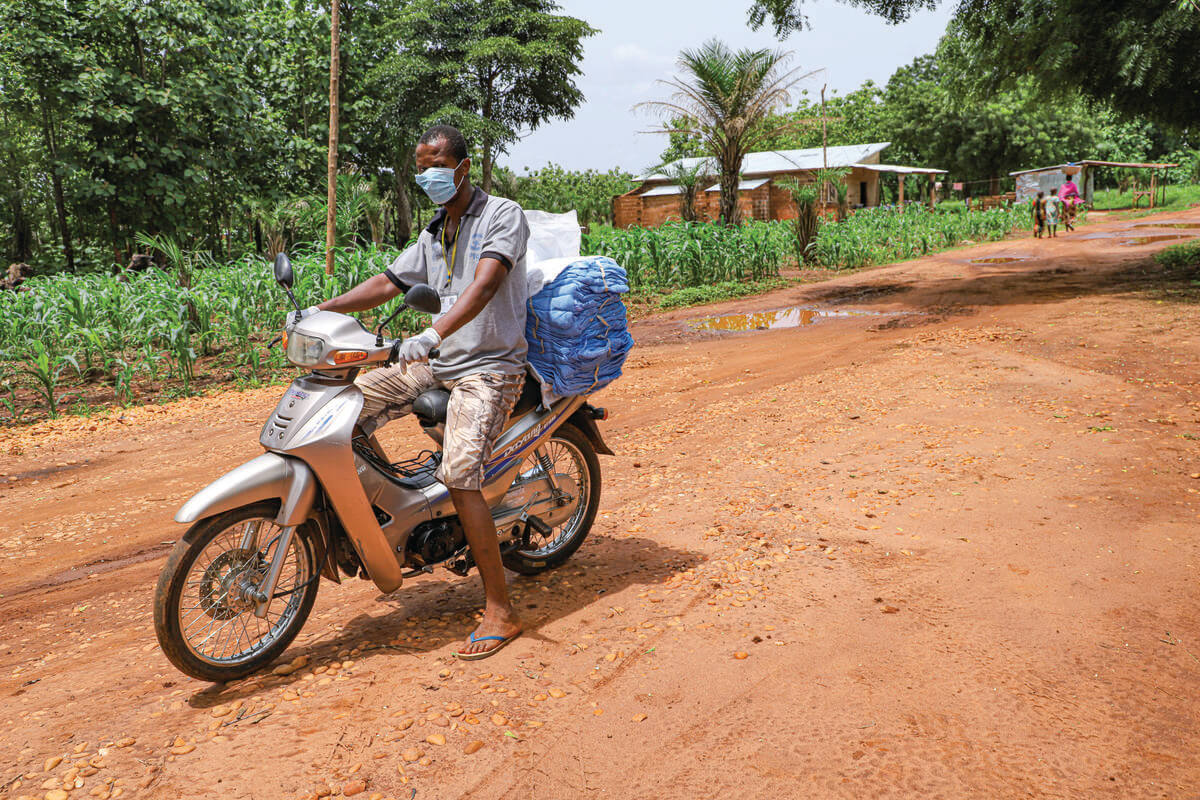
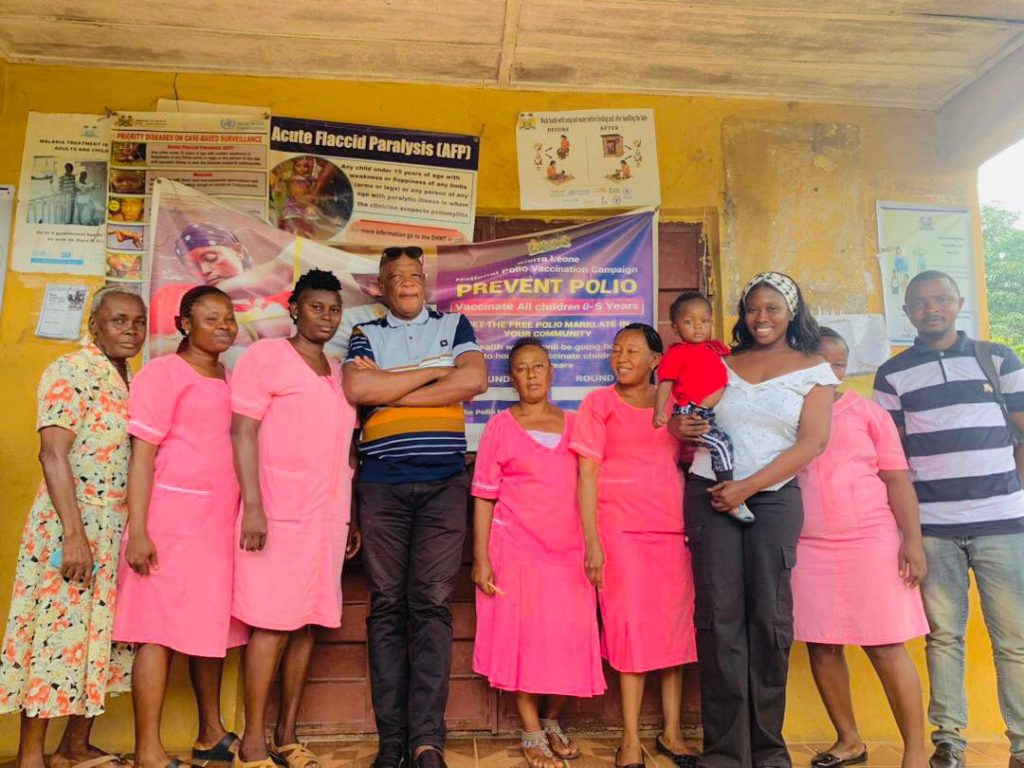
- Community outreach: a community component to improve mobilisation, early identification of at-risk children, family support and patient follow-up. This also aims to reduce stigma and remove barriers to care;
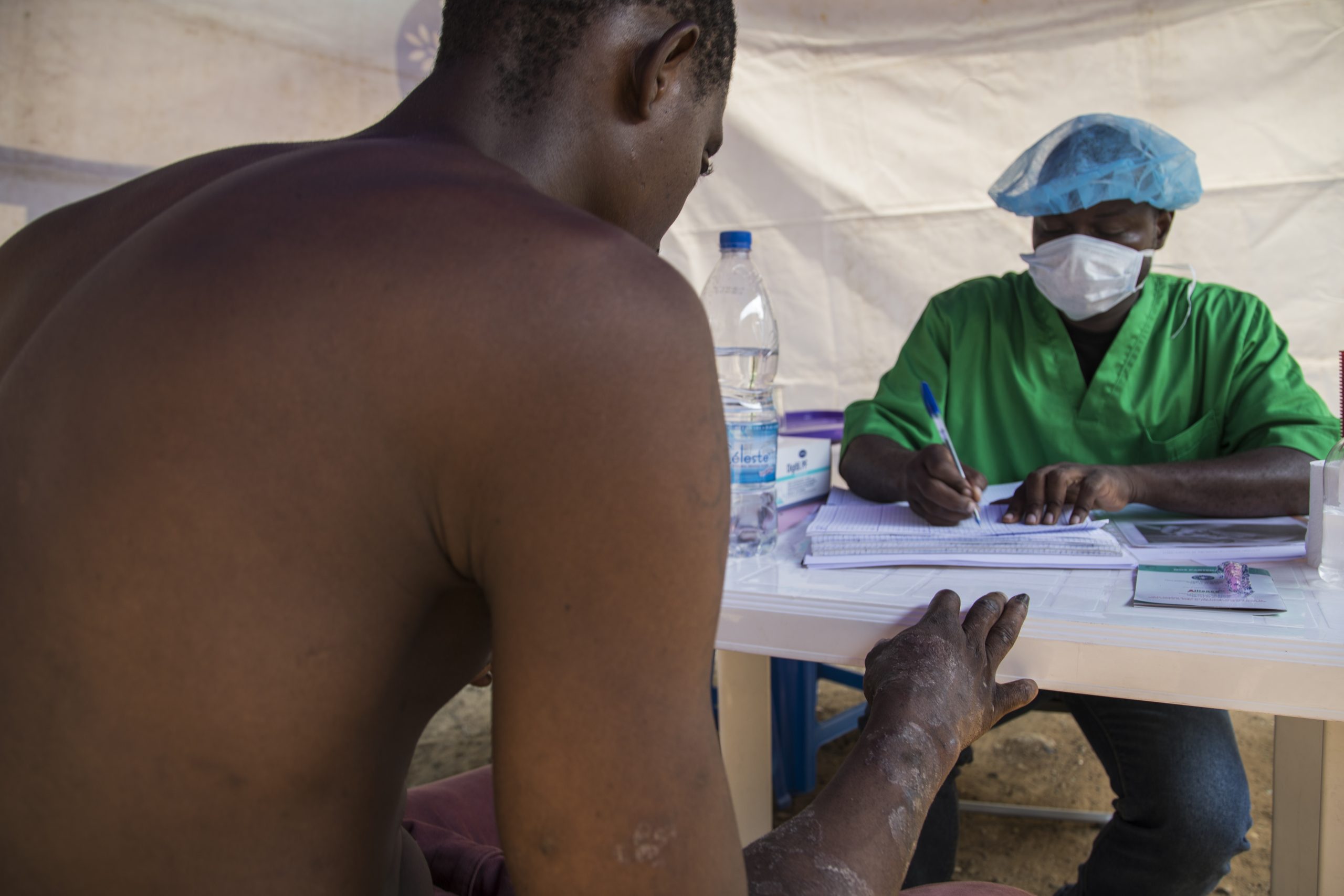
- Systematic screening at facility entry points.
Impact
The project aims to screen 70,875 children attending health facilities for tuberculosis; to refer more than 1,205 children with suggestive symptoms to hospitals for comprehensive diagnosis; to treat and follow over 229 children diagnosed with TB; and to provide preventive treatment to 1,337 child contacts of TB cases.
In addition, the project seeks to build lasting capacity among local teams using a decentralized, replicable model for national integration.