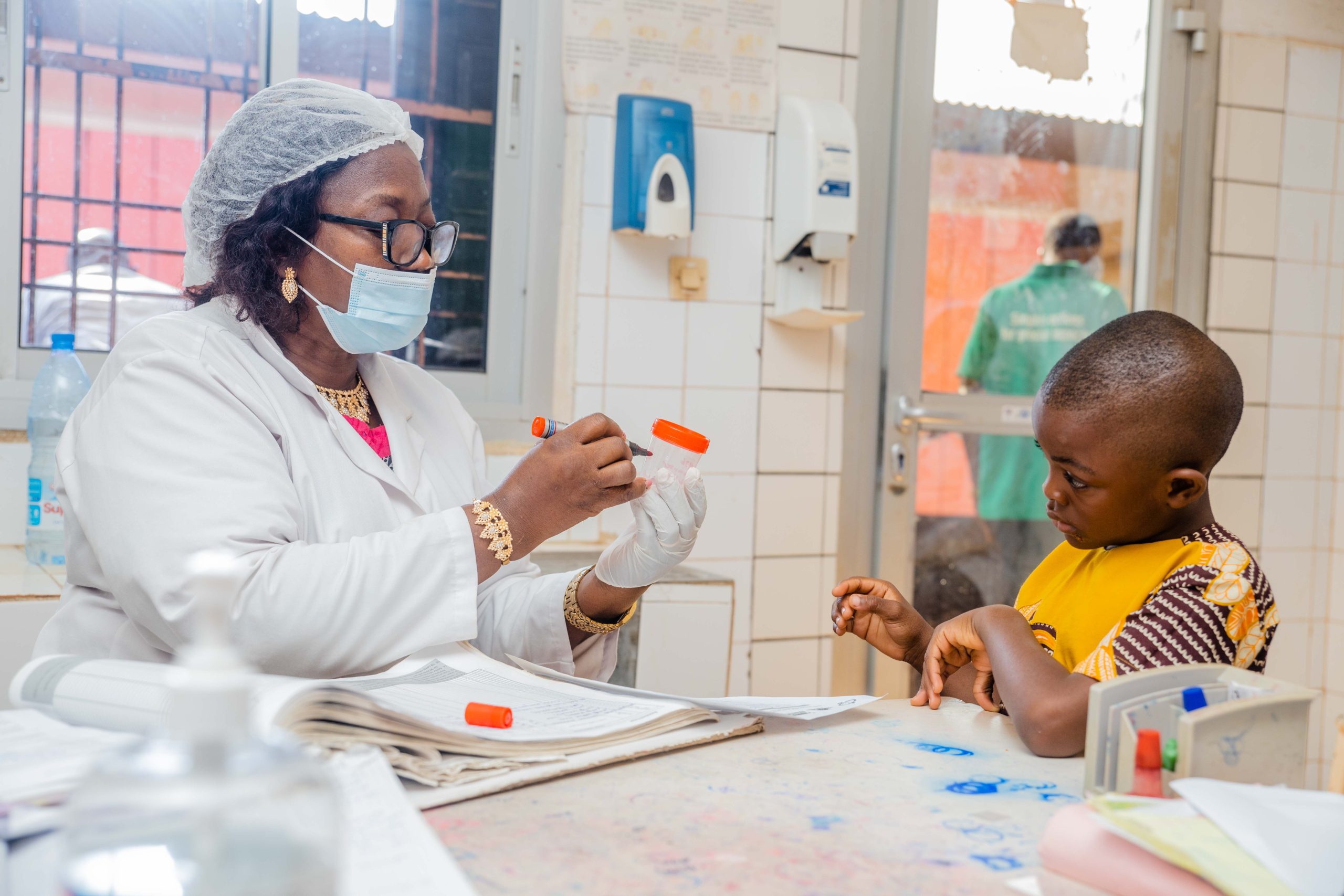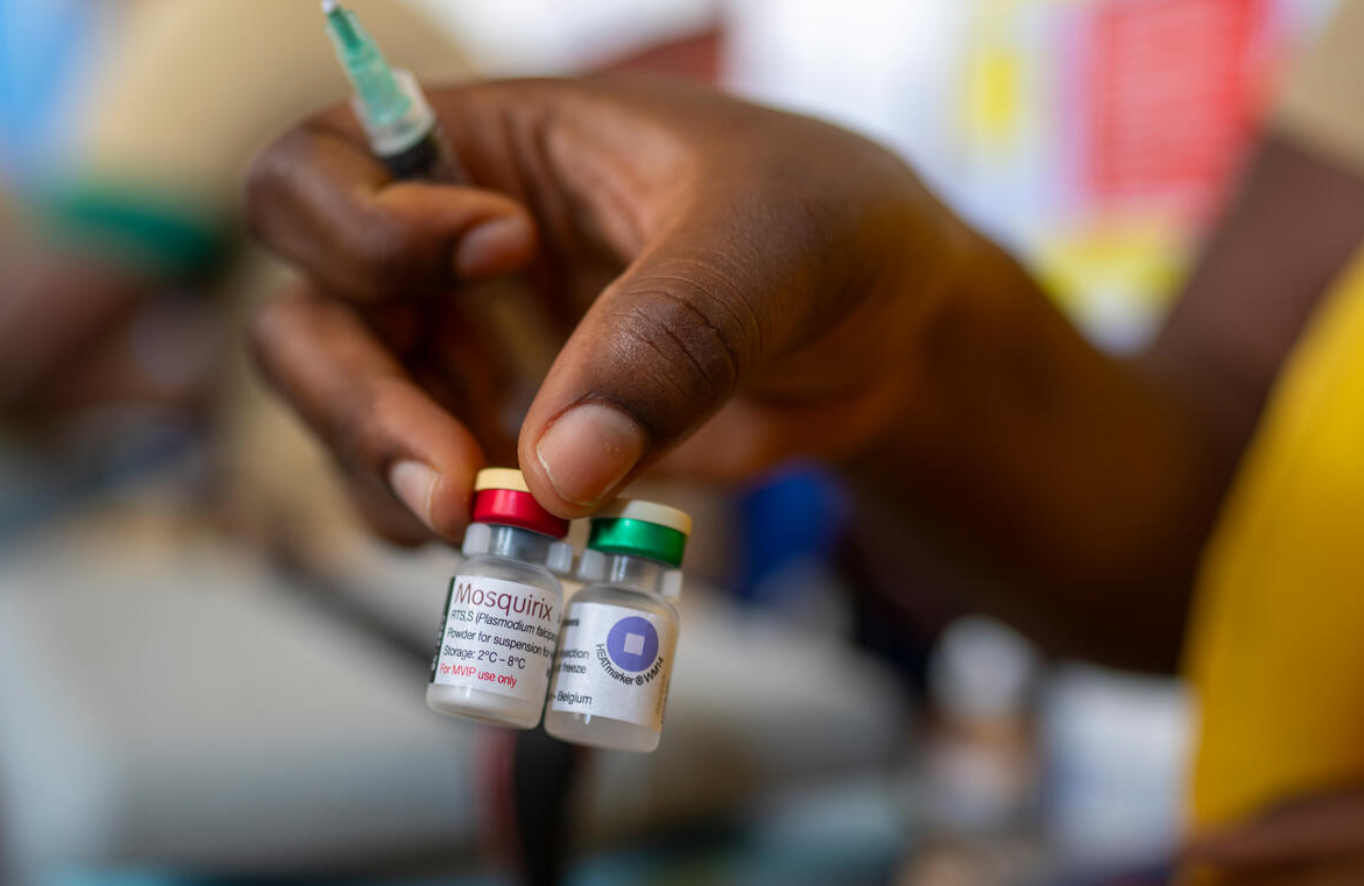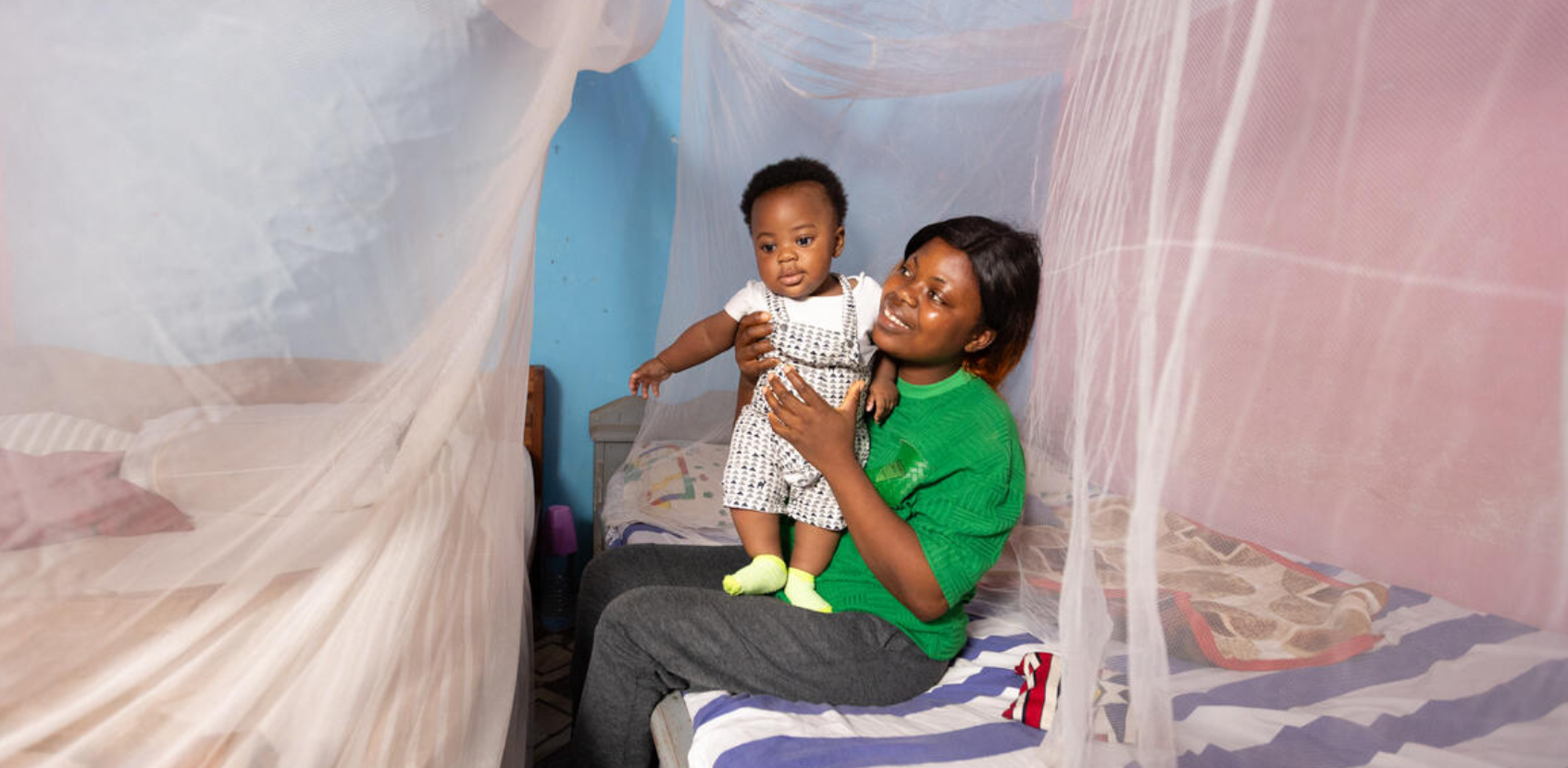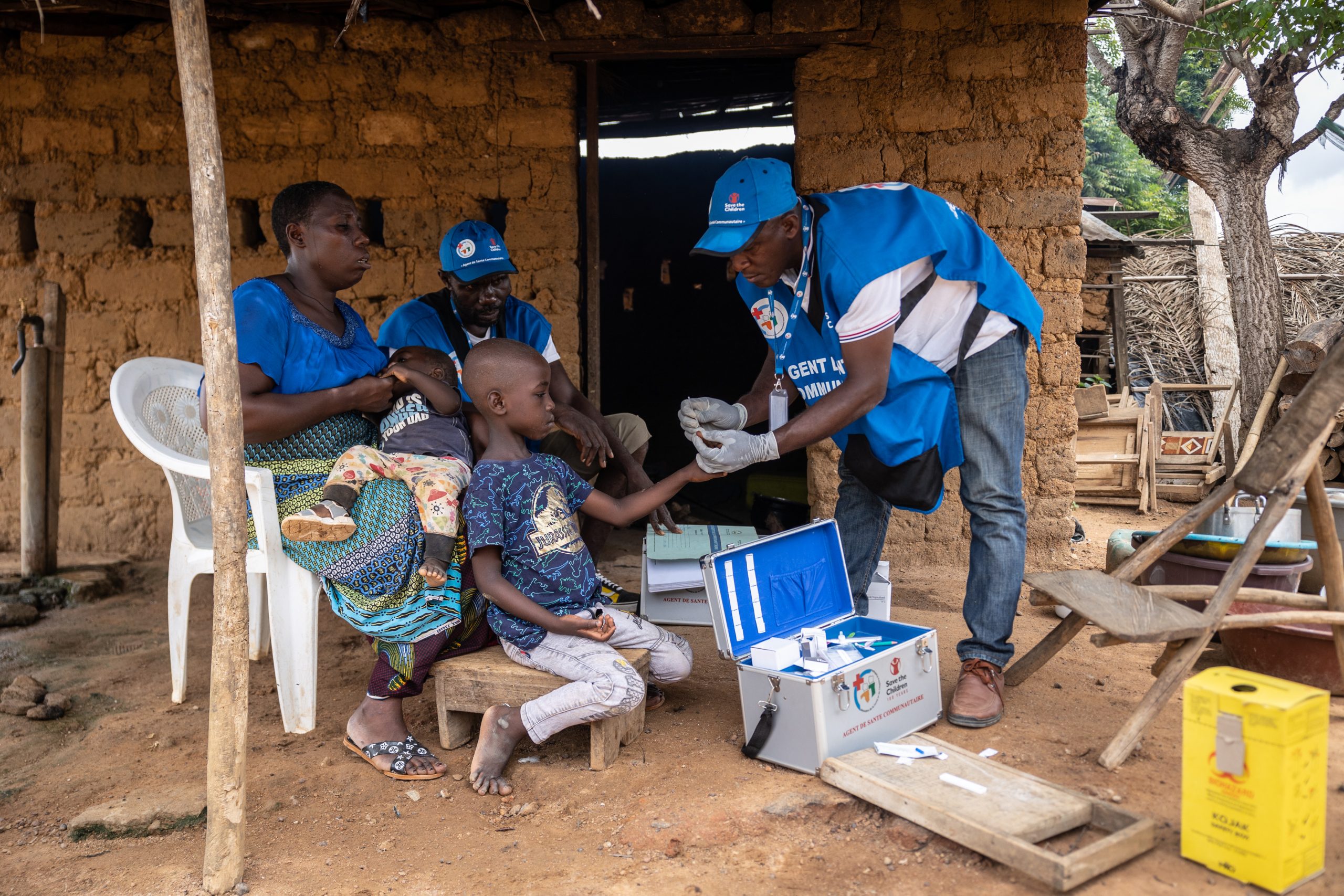

Against malaria, the INTEGREVAC project will generate data on the acceptability, implementation and cost‑effectiveness of seasonal administration of the R21/Matrix‑M vaccine integrated into SMC for children under five, versus the routine strategy.
Contexte
The resurgence of malaria and the limitations of current control methods justify the adoption of new vaccines—RTS,S and R21/Matrix‑M—that promise better infection control. Seasonal malaria chemoprevention (SMC) provides monthly contact with children at peak transmission; integrating R21 into SMC could optimise coverage, reduce logistical costs and boost protective impact. Yet real‑world data are lacking to guide national recommendations.
Description
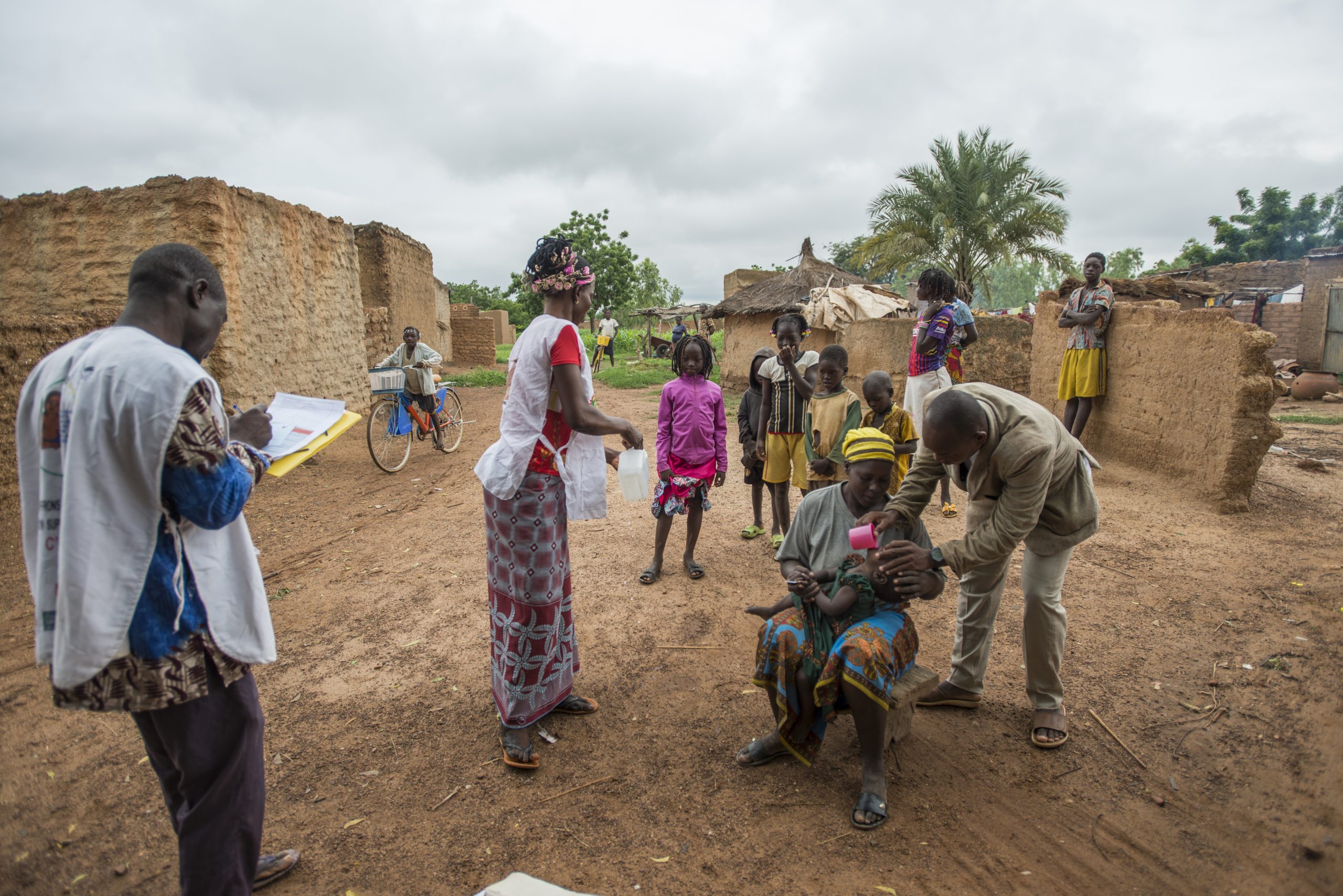
The project comprises a series of nested studies within a cluster‑randomized trial conducted in Chad (Moïssala and Dembo districts) aimed at comparing two vaccination strategies: one (the “routine” strategy) relying on the Expanded Programme on Immunisation, and the other integrating vaccination during SMC campaigns (the “integrated” strategy). The trial will compare the strategies in terms of vaccine and SMC coverage, pharmacovigilance, and clinical efficacy. INTEGREVAC will focus on several complementary research areas:
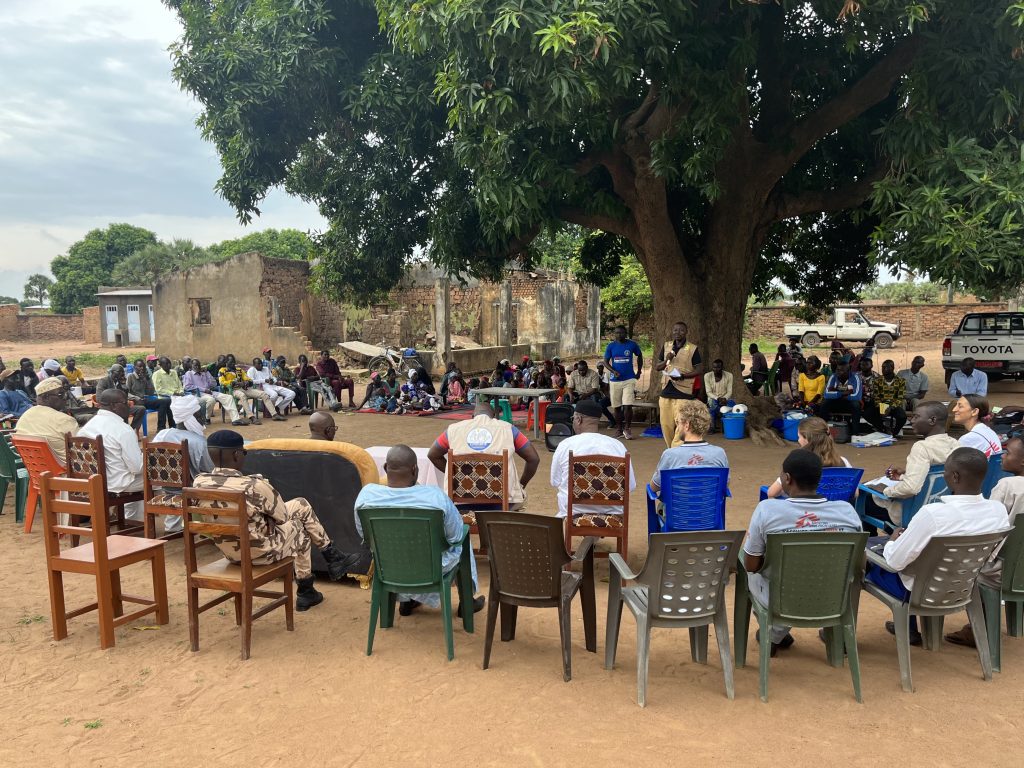
- Social sciences: Qualitative surveys on the implementation, acceptability, and operational feasibility (barriers and facilitators) of the vaccination strategies, conducted among families, caregivers, and decision‑makers;
- Health economics: Collection of direct and indirect costs related to the vaccination strategies, modelling the cost‑effectiveness ratio at the local level and extrapolating nationally;
- Modelling: Clinical impact of SMC with or without R21 vaccination, at local and sub‑national levels.
Participants include vaccinated children and their families, healthcare professionals, health authorities, programme managers, policy‑makers, and funders.
Impact
INTEGREVAC will produce crucial data on the operational feasibility, acceptability and cost‑effectiveness of two seasonal vaccination strategies. These findings are intended to inform policy‑making and funding decisions at both national and international levels.