
The project deploys a modular package of prevention, screening, training and advocacy to improve vulnerable populations’ access to sexual and reproductive health (HIV, sexually transmitted infections, anal health, cervical cancer screening) in Lebanon and to reduce institutional and social stigma.
Contexte
Lebanon has been experiencing a systemic crisis since 2019 (the COVID-19 pandemic, the port explosion, economic collapse, regional conflict), which has severely weakened the health system and increased precarity: multidimensional poverty at very high levels, approximately 2.7 million refugees and recent displacements. HIV and sexual and reproductive health (SRH) services remain concentrated in Beirut, access outside the capital is limited, and the legal framework (criminalisation of homosexuality, sex work and drug use) and stigma hinder access for key populations (men who have sex with men (MSM), person who provides sex work, people who use drugs, detainees and LGBTQIA+). Phase 1 (2022–2024) demonstrated the impact of community approaches (10,710 vulnerable people reached, 5,000 HIV tests performed, digital tools and institutional partnerships set up); Phase 2 aims to scale up and sustain these gains across five governorates (Beirut, Mount Lebanon, Bekaa, South, Akkar).
Description
Passerelle Santé 2 deploys seven complementary modules:
- Clinical SRH and HIV services (consultations, screenings, care, Pap smears, diagnosis and prevention of cervical cancer, preferential-rate vaccination against hepatitis and human papillomavirus);
- Mobile units and digital navigation (“Ask Me”) to provide anonymous, local access;
- Enhanced psychosocial support and case management (REAct);
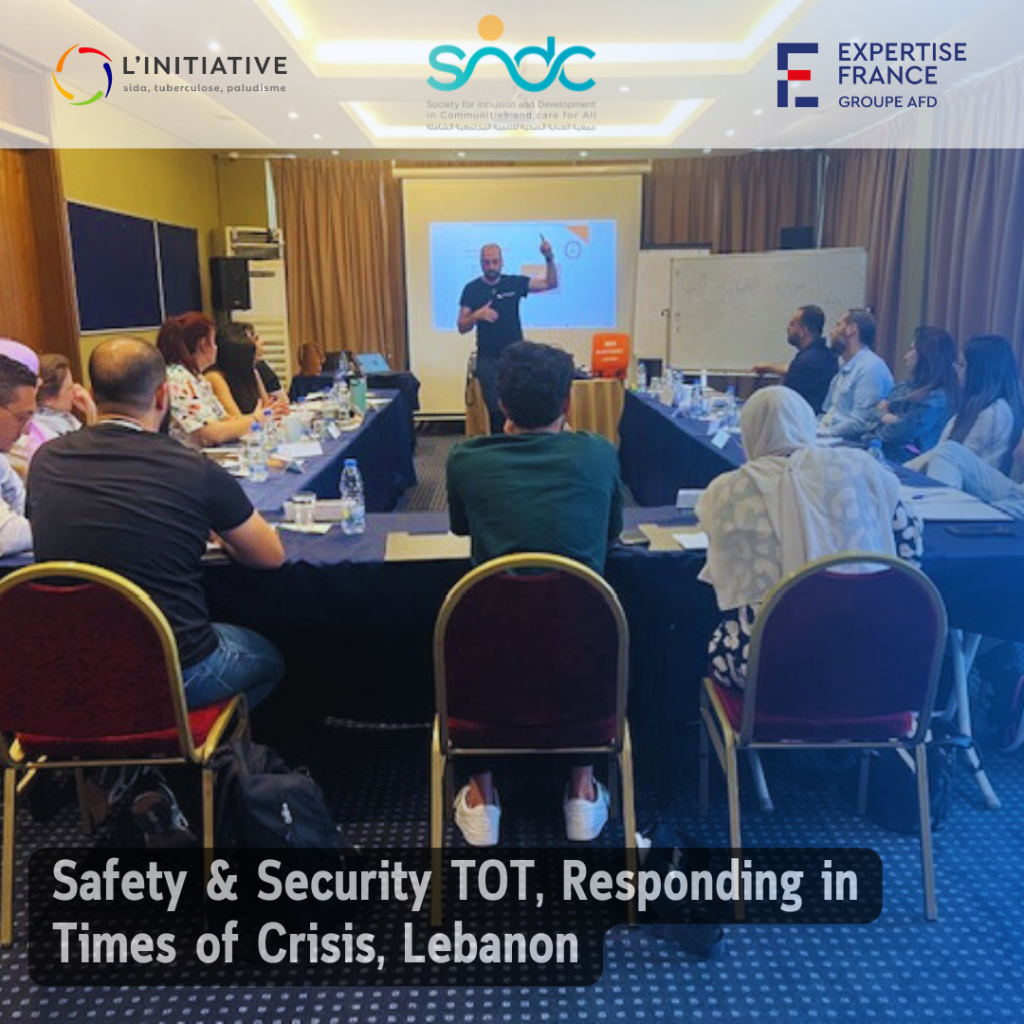
- Training of 200 providers, development of an online course for the law enforcement academy and prison modules;
- Anti-discrimination policy: strengthening 10 centres;
- Empowerment of vulnerable populations (VP) (peer support, socio-professional integration) and involvement of key population representatives to evaluate services;
- Institutional advocacy to combat discrimination against vulnerable populations.
Impact
By improving access to health services and creating a more enabling environment within care centres, the project targets 30,000 beneficiaries from vulnerable populations, with lasting improvements in their health and well-being — for example, an estimated 6,000 HIV/STI screenings. Training for over 400 people (providers, health centre staff and law enforcement personnel) aims to progressively reduce stigma and discrimination against vulnerable populations.