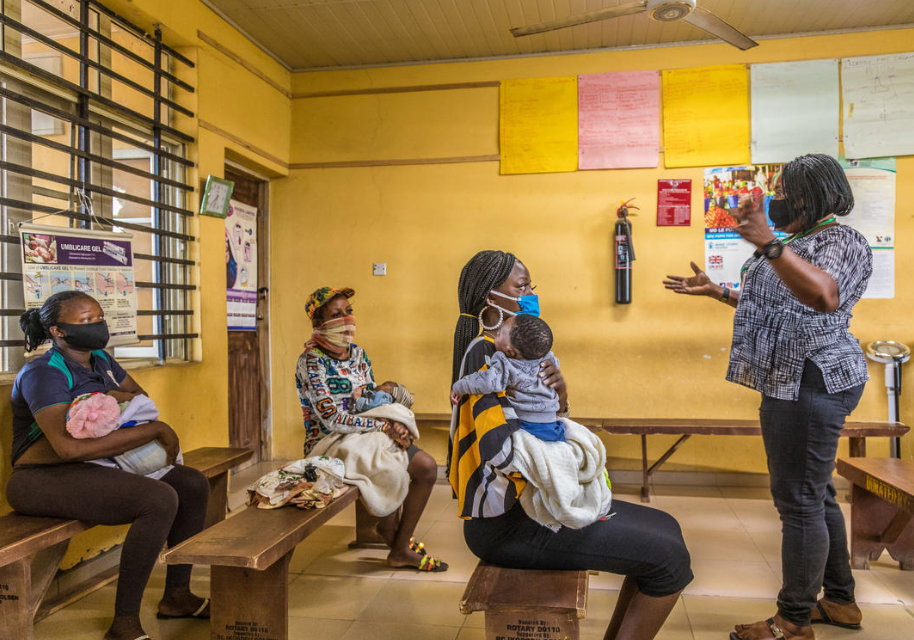

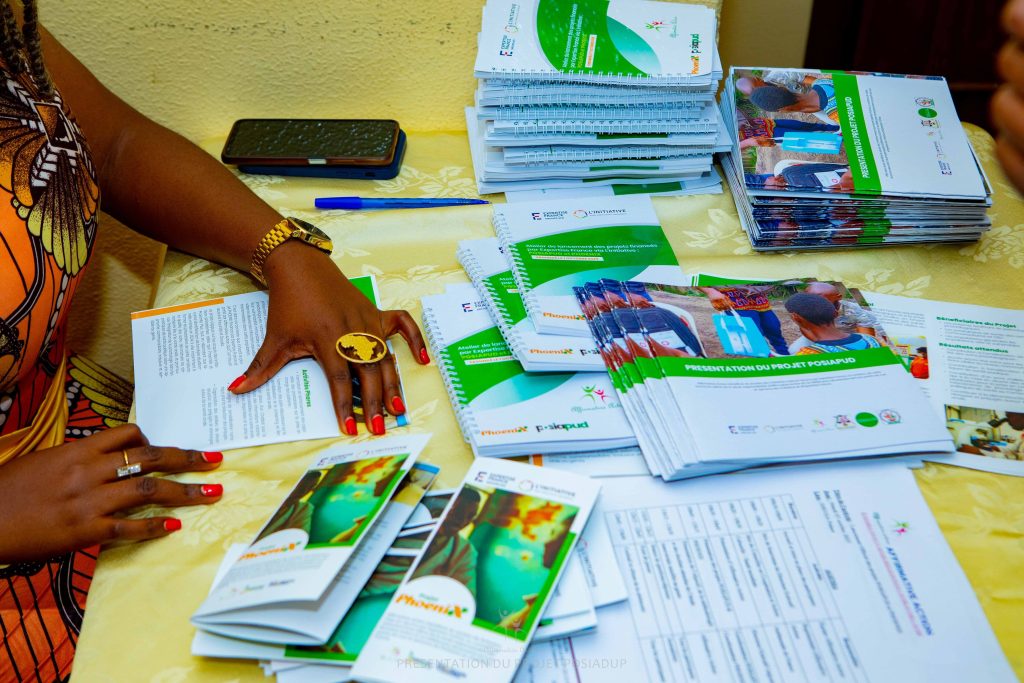
To improve access to proctological care in Yaoundé and Douala, the PHOENIX project is developing a service package aimed at improving the management of anal conditions while addressing gender disparities and vulnerabilities.
Context
In Cameroon, HIV prevalence remains high among key and vulnerable populations. These groups face multiple structural and social barriers that limit their access to healthcare, particularly in the field of anal and proctological health. In this context—where proctology is still poorly integrated into the Cameroonian health system—proctological services are essential, notably because of the high incidence of anal conditions among key populations. Previous projects, including “Proximité” and “Proximité Plus,” have demonstrated the effectiveness of a community-based approach to improve the management of proctological conditions. The PHOENIX project builds on this momentum.
Description
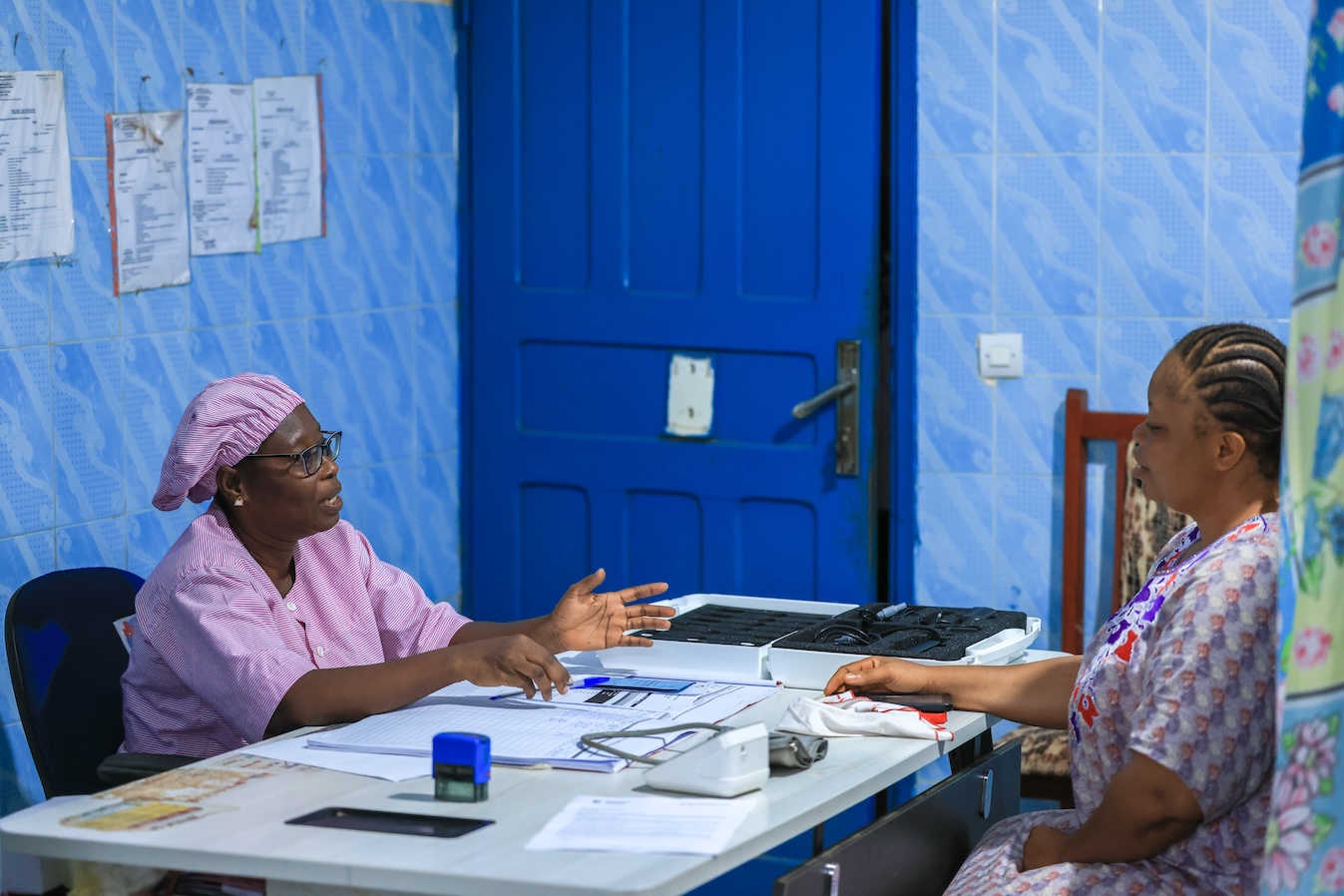
To improve equitable and inclusive access to proctological care for vulnerable populations, the project implements a package of complementary actions: strengthening the technical capacities of health providers; equipping community structures; digitizing the patient pathway (information chatbot and appointment booking); and conducting awareness campaigns to dismantle stereotypes around anal health. The project relies on a network of seven Community-Based Organizations (CBOs), with support from local health authorities and partner hospitals, to ensure effective coordination between community and medical actors.
Impact
PHOENIX aims to deliver proctological consultations to over 2,000 beneficiaries, train 26 peer educators in community screening and prevention, and train 10 doctors and nurses from the project’s care centres.
The PHOENIX project seeks to:
- sustainably consolidate community-based management of anal conditions;
- promote better integration of anal health into public policies while reducing related stigma and discrimination;
- strengthen local capacities and the autonomy of partner CBOs, thereby building a lasting network of local care services for the most vulnerable communities.