
REPAIR aims to recognise and value the essential commitment of peer educators as human resources for health in the fight against HIV, hepatitis and tuberculosis through institutionalisation, training and regional advocacy.
Contexte
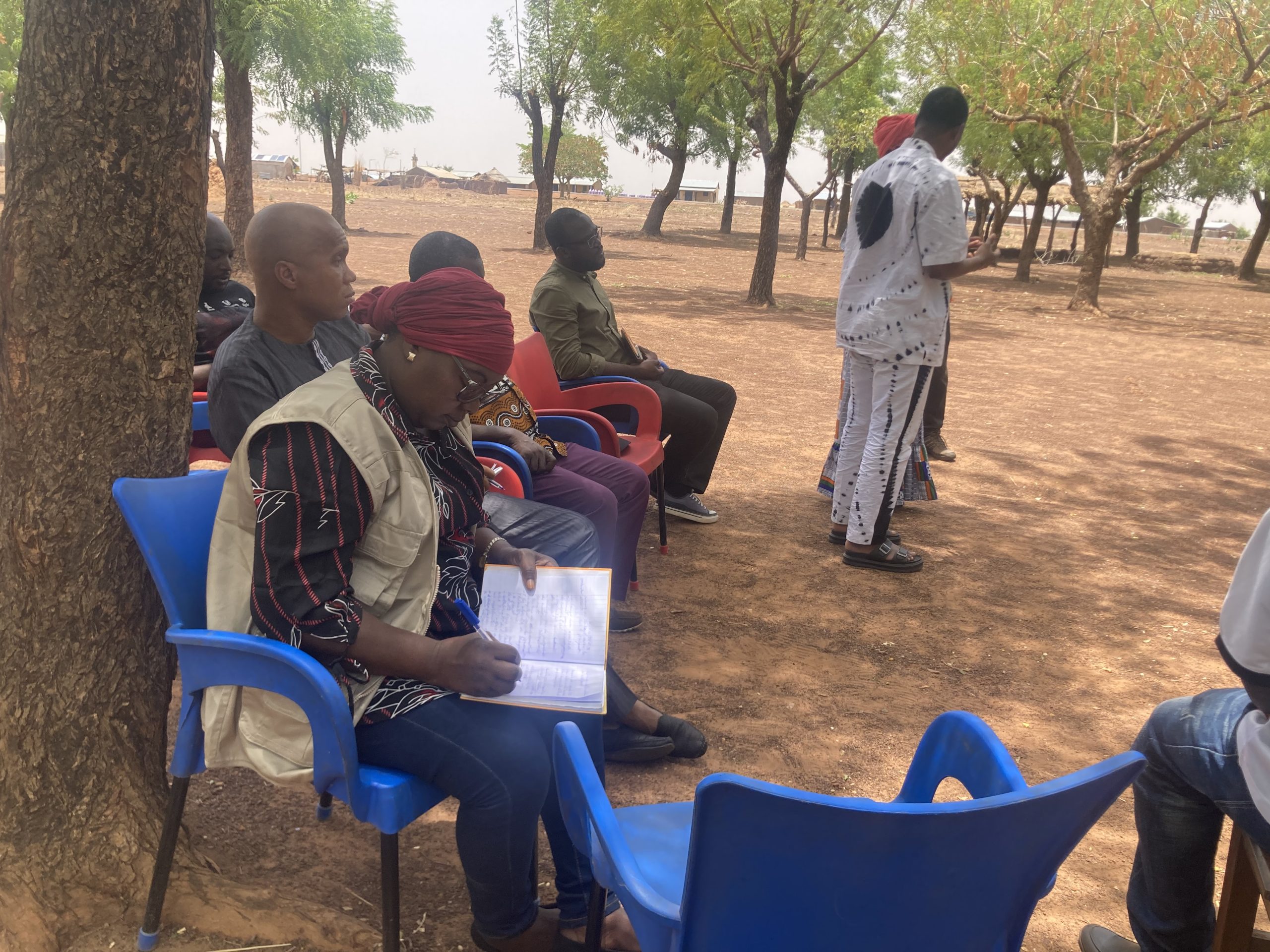
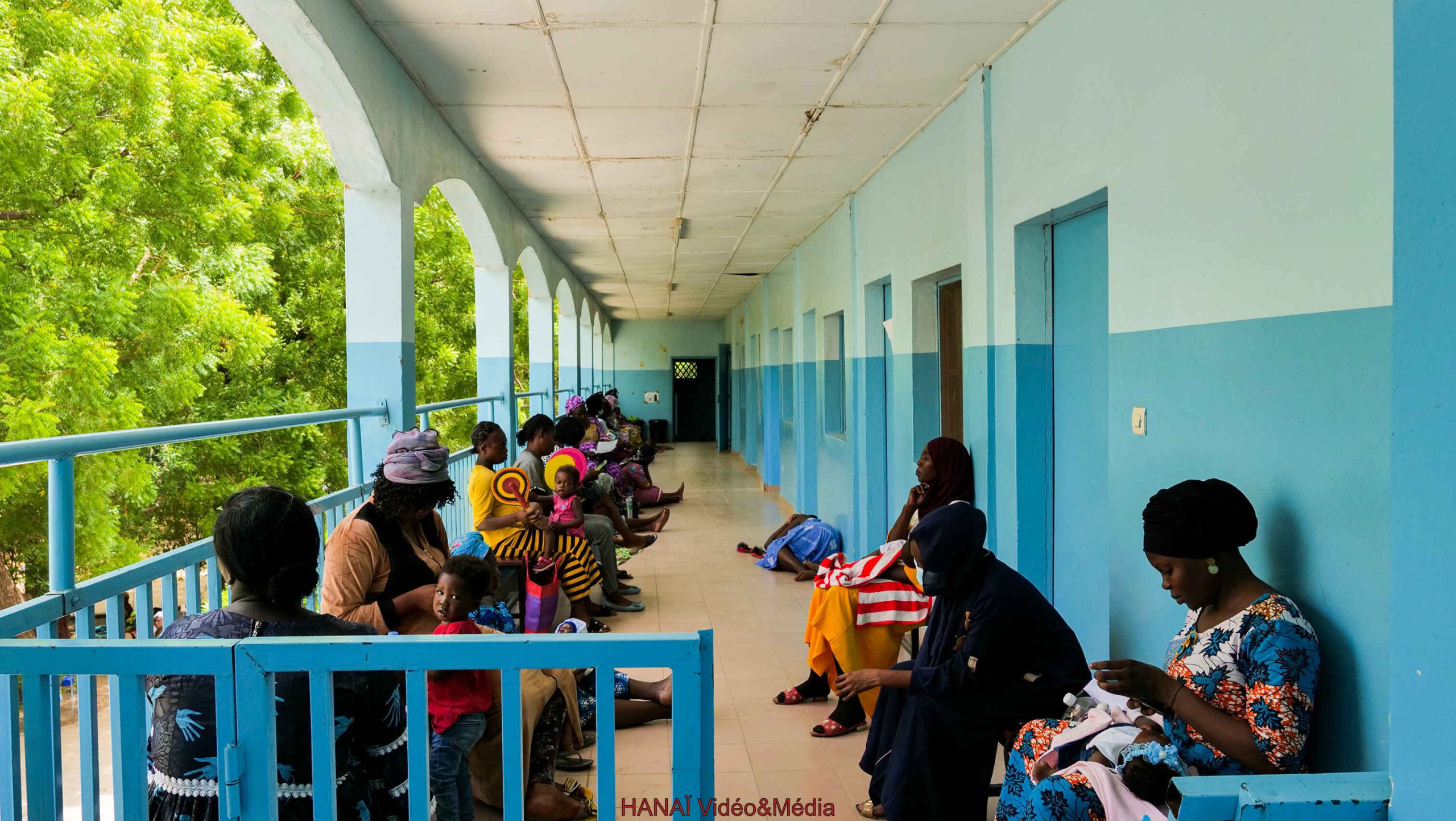
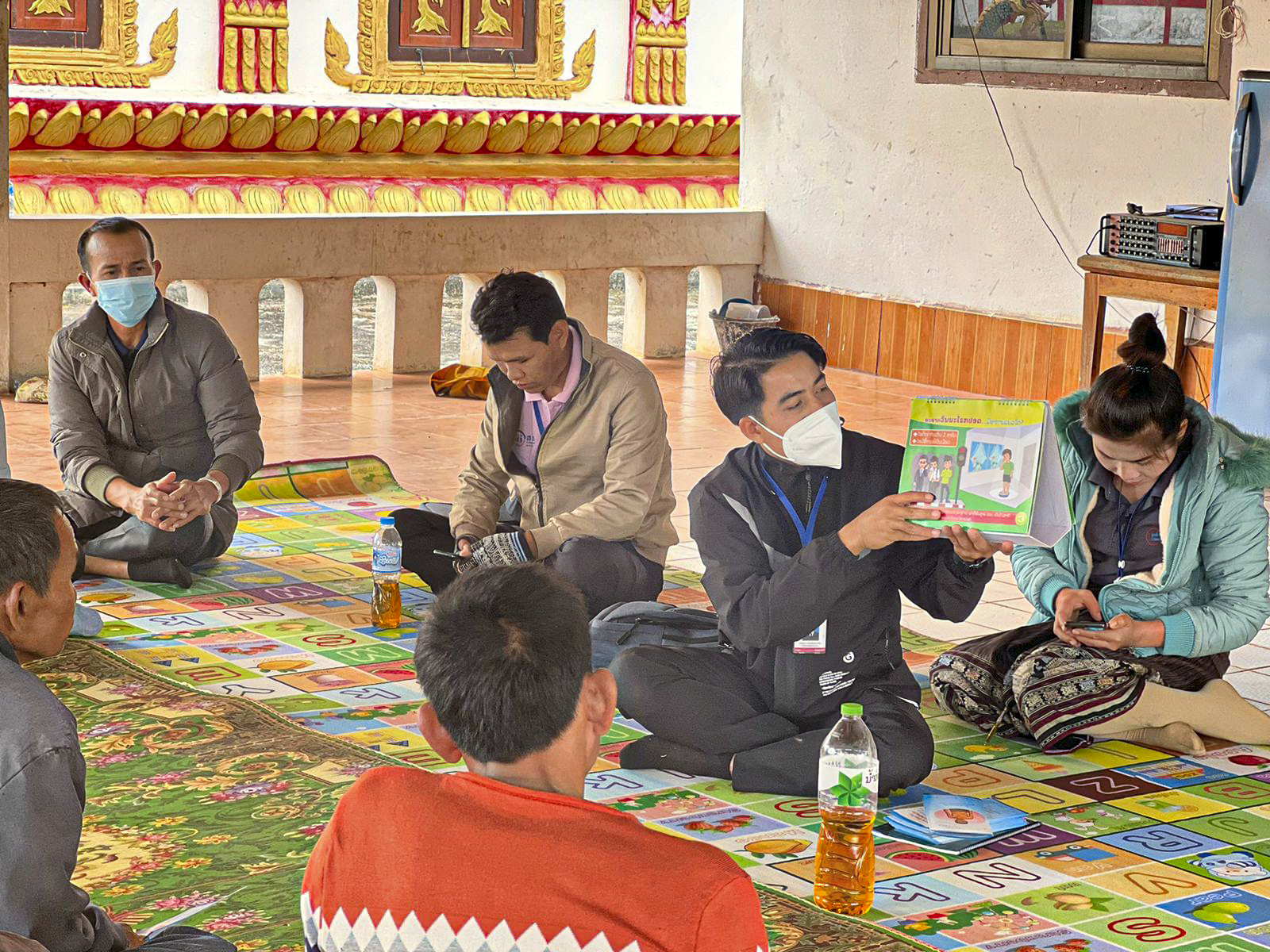
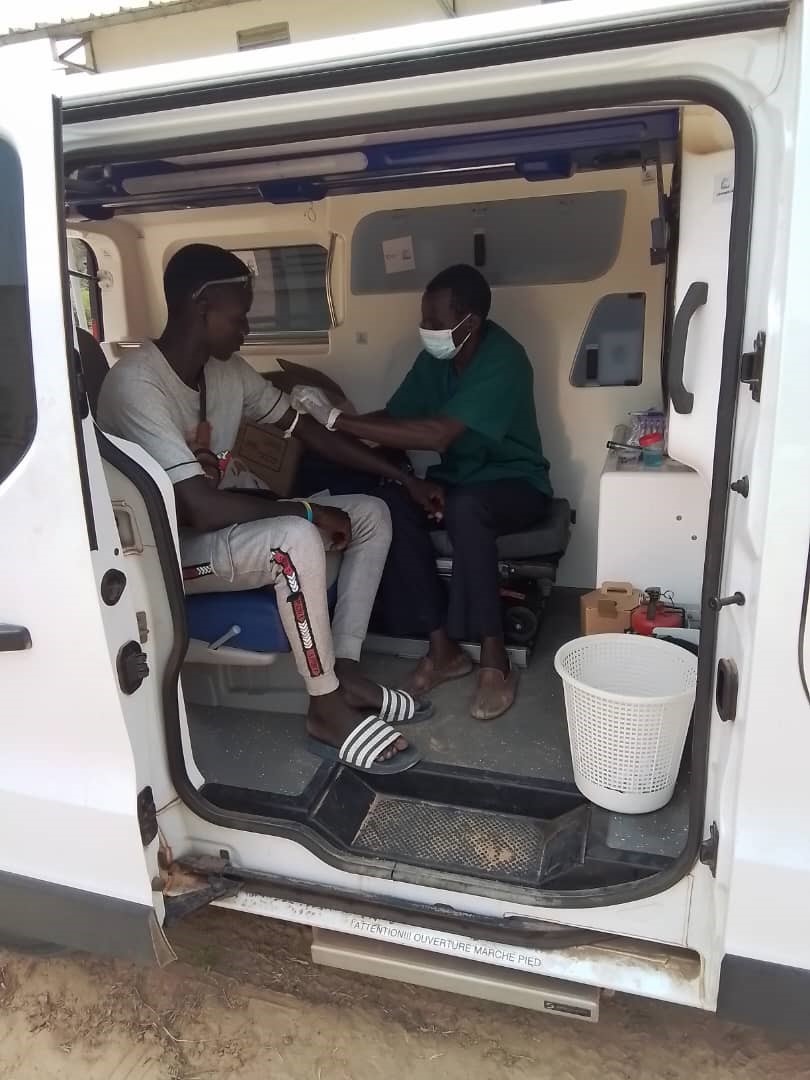
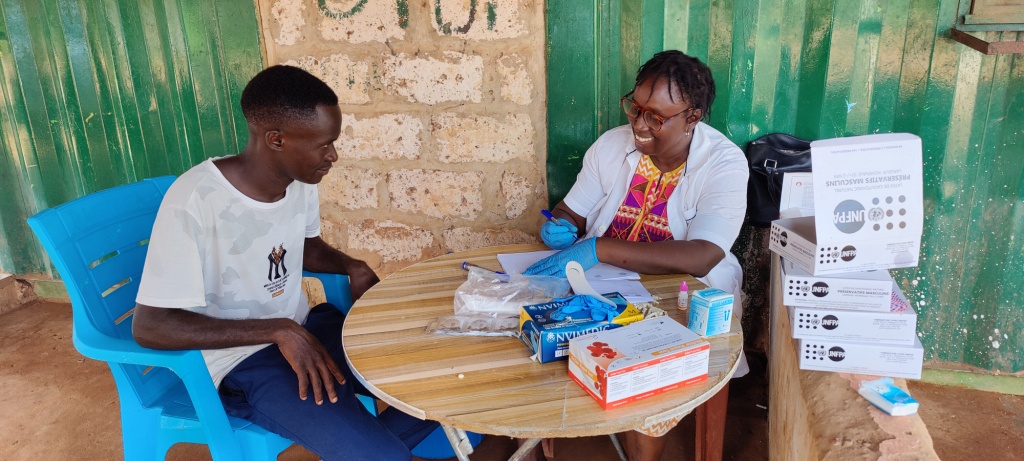
Peer educators (PEs) fill gaps in health systems by reaching the most vulnerable key populations. Yet their status remains precarious: lack of legal recognition, unequal pay and insufficient social protection. In Burundi and Senegal, despite initiatives such as the development of community reference frameworks in Burundi and the integration of mediators into the civil service in Senegal, the absence of a clear legal framework hampers their effectiveness and the sustainability of community health programmes, especially for women PEs who face gender-based violence.
Description
The REPAIR project aims to establish a political and legal framework to recognise, value and sustain the engagement of PEs as human resources for health in Burundi and Senegal. The intervention is structured around three pillars:
- Institutionalisation: establishing a recognition framework for PEs through ongoing dialogue between institutional actors and civil society.
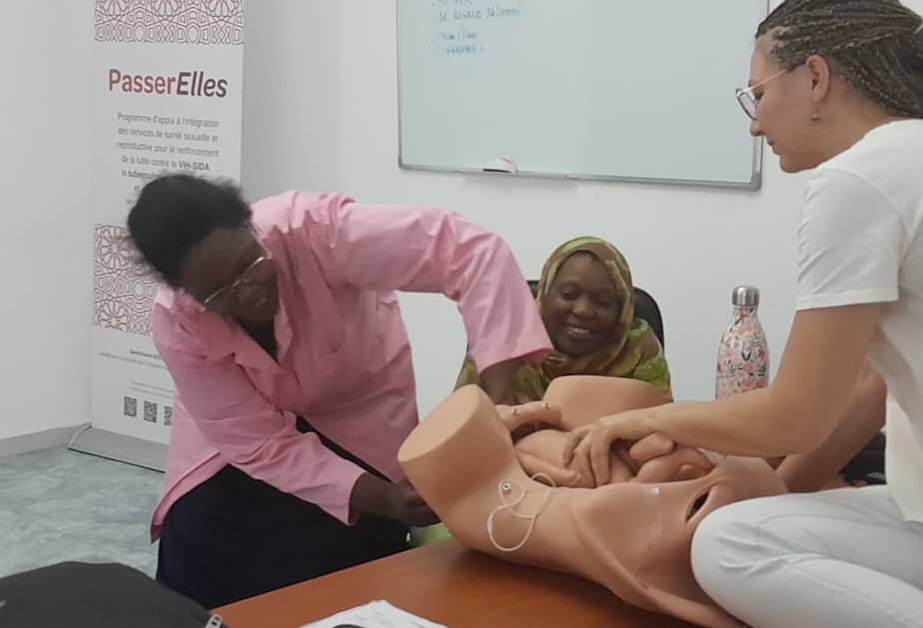
- Skills and reward enhancement: developing career paths, rolling out certified and adapted training programmes that are gender-sensitive, and proposing a fair remuneration framework along with associated professional social protections.
- Knowledge capture and regional advocacy: documenting the role, quality of life and cost-effectiveness impact of peer education through operational research, and disseminating best practices via Coalition PLUS regional platforms to promote a replicable model across West and Central Africre.
Impact
The project seeks to sustainably improve PEs’ working conditions and safety, strengthening their commitment and effectiveness in the fight against HIV, hepatitis and tuberculosis. By promoting equitable access to care for key populations and generating evidence on return on investment, the project aims to support other countries in adopting a durable legal framework for peer education.