
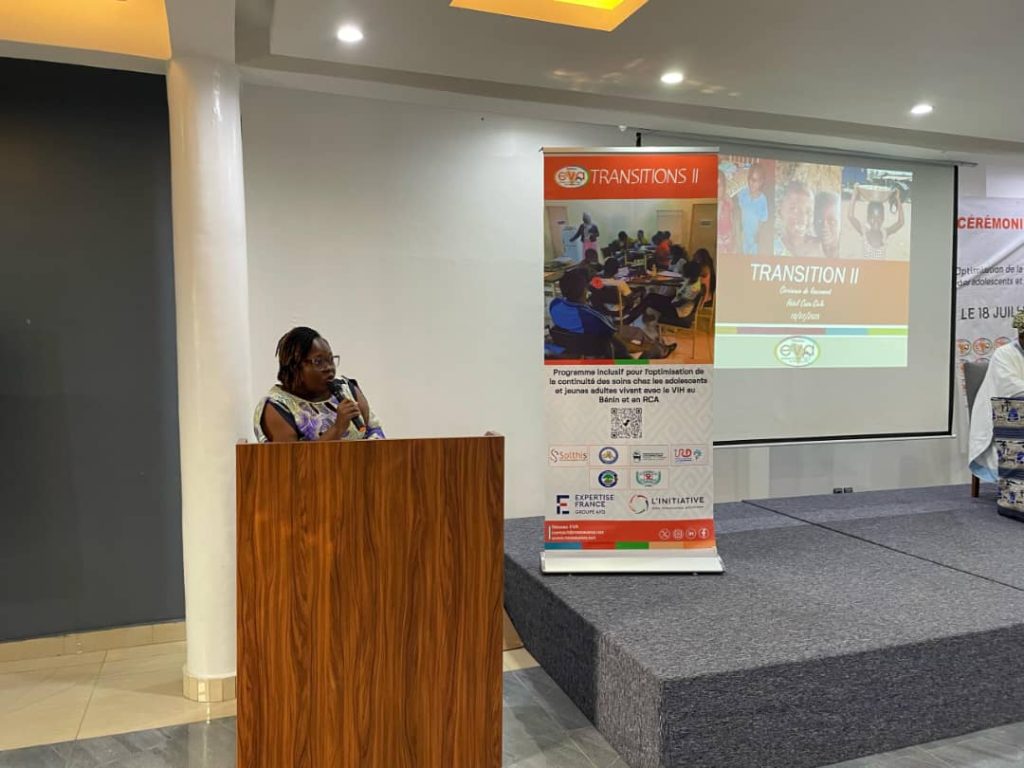
TRANSITIONS II is a regional project of the EVA Network (Children and HIV in Africa) aimed at improving retention in care for adolescents living with HIV in West and Central Africa, building on the achievements of the TRANSITIONS I project (2020–2024).
Context
Despite progress in the fight against HIV, adolescents and young adults living with HIV (AYALWHIV) remain vulnerable and insufficiently cared for. In West and Central Africa, this population experiences limited access to and weak anchoring in care, and is often invisible in public policy. Transitions to adult services are frequently late and poorly supported, causing difficulties adapting to adult services and sometimes leading patients to return to paediatric care. Tailored, integrated solutions are urgently needed. The TRANSITIONS I project, funded by L’Initiative from 2020 to 2024 in Senegal and Burkina Faso, developed an effective and replicable model. Building on these results and taking into account sexual and reproductive health and the psychosocial challenges faced by these young people, TRANSITIONS II extends the approach to two new countries: Benin and the Central African Republic (CAR).
Description
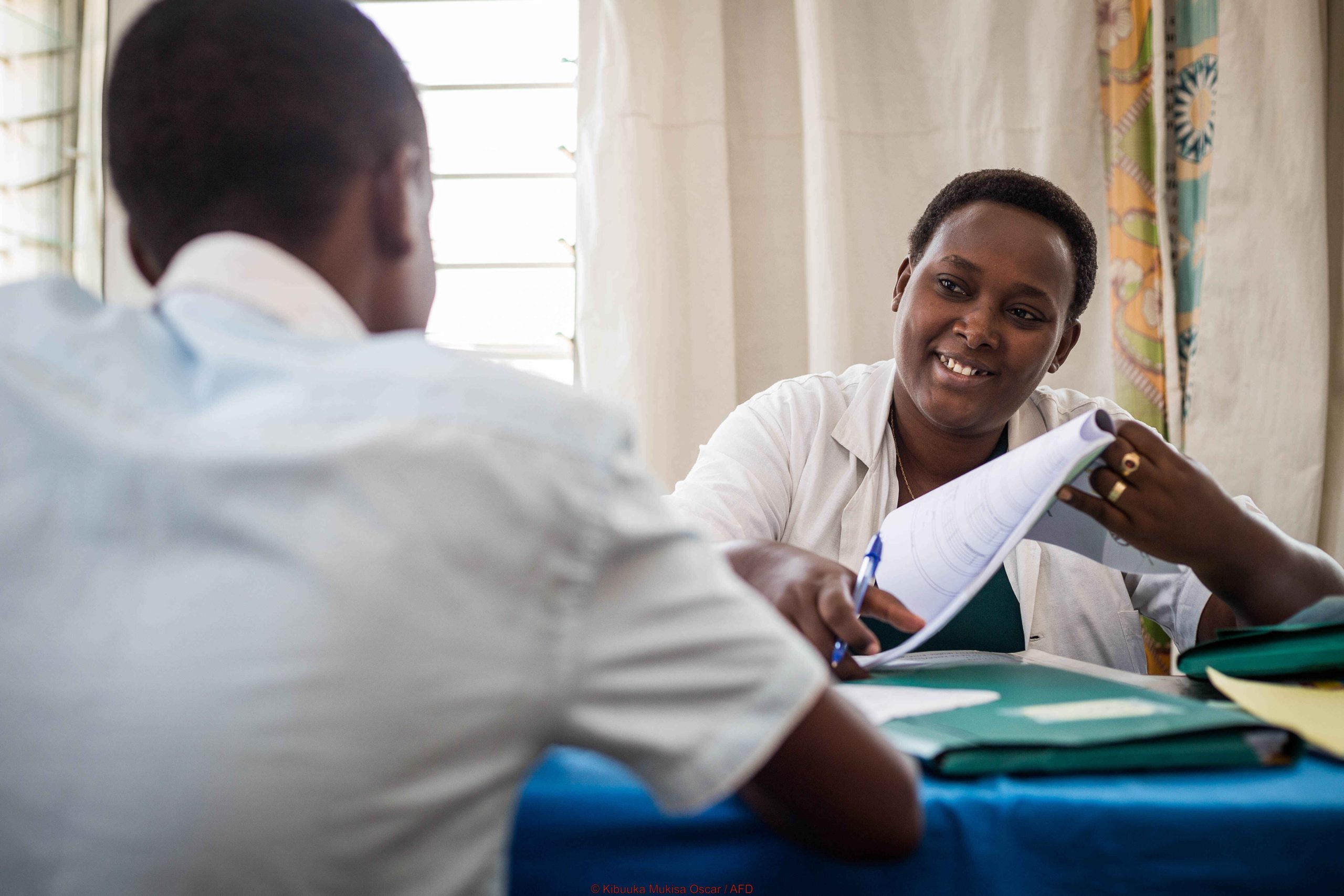
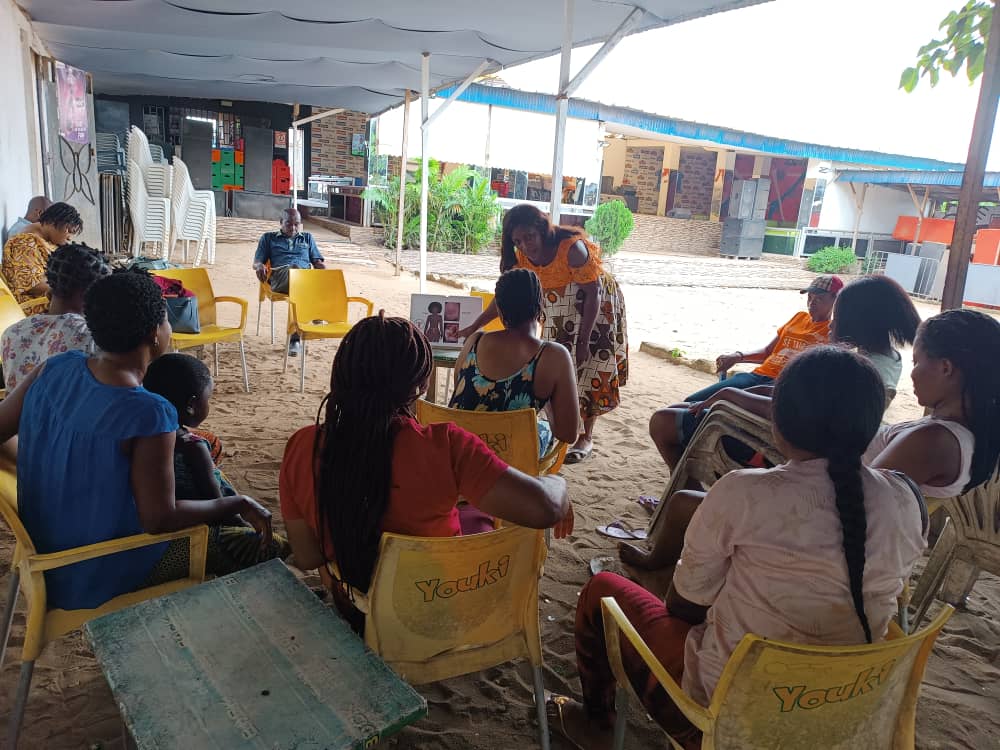
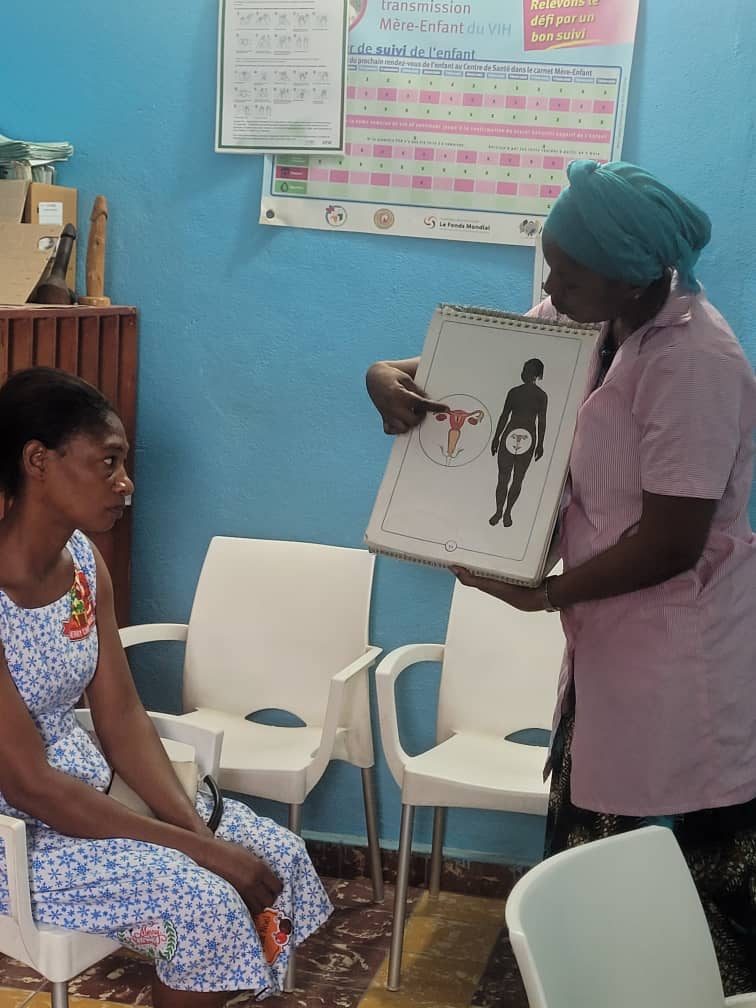
TRANSITIONS II offers an integrated three-phase response: adaptation and implementation of the PACTE, empowering and enabling AYALWHIV, and strengthening advocacy with AYALWHIV. The PACTE is a coordinated, supported transition process to move AYALWHIV from paediatric to adult care. It also aims to strengthen the capacities of health professionals and peer educators to better address the specific needs of young people, notably in sexual and reproductive health. The project also seeks to build AYALWHIV advocacy capacities to support changes in public policy that respond to their specific needs and situations. The project is being implemented at 13 care sites (10 in Benin, 3 in CAR).
Impact
TRANSITIONS II directly targets 607 adolescents and young adults living with HIV, 50 healthcare workers and more than 50 peer educators, and indirectly benefits over 26,000 young people living with HIV. It aims to provide structured support for AYALWHIV during the transition to adult care, improve access to sexual and reproductive health services, and strengthen their agency. At the regional level, the project seeks to contribute to a collective momentum for more inclusive, differentiated health responses for young people living with HIV.