
REACH Ethiopia: Fighting TB in Pastoralist Communities
Tuberculosis hits pastoral communities in Afar, Ethiopia, particularly hard. Nomadic lifestlyes, limited access to healthcare and diagnostic gaps often mean the disease undetected until it reaches an advanced stage. The REACH Ethiopia project brings together community volunteers, AI-assisted mobile radiography, strengthened laboratories and local advocacy to detect tuberculosis earlier and connect patients to treatment. Since 2023, it has been developing a model adapted to pastoral realities.
Going to the patients
In the Afar region, the fight against tuberculosis faces a unique geographic and social reality. Pastoral communities often live far from health centres and move regularly with the seasons and their herds. Health infrastructure is scarce, diagnostic capacity remains limited, and misconceptions about the disease can delay care-seeking.
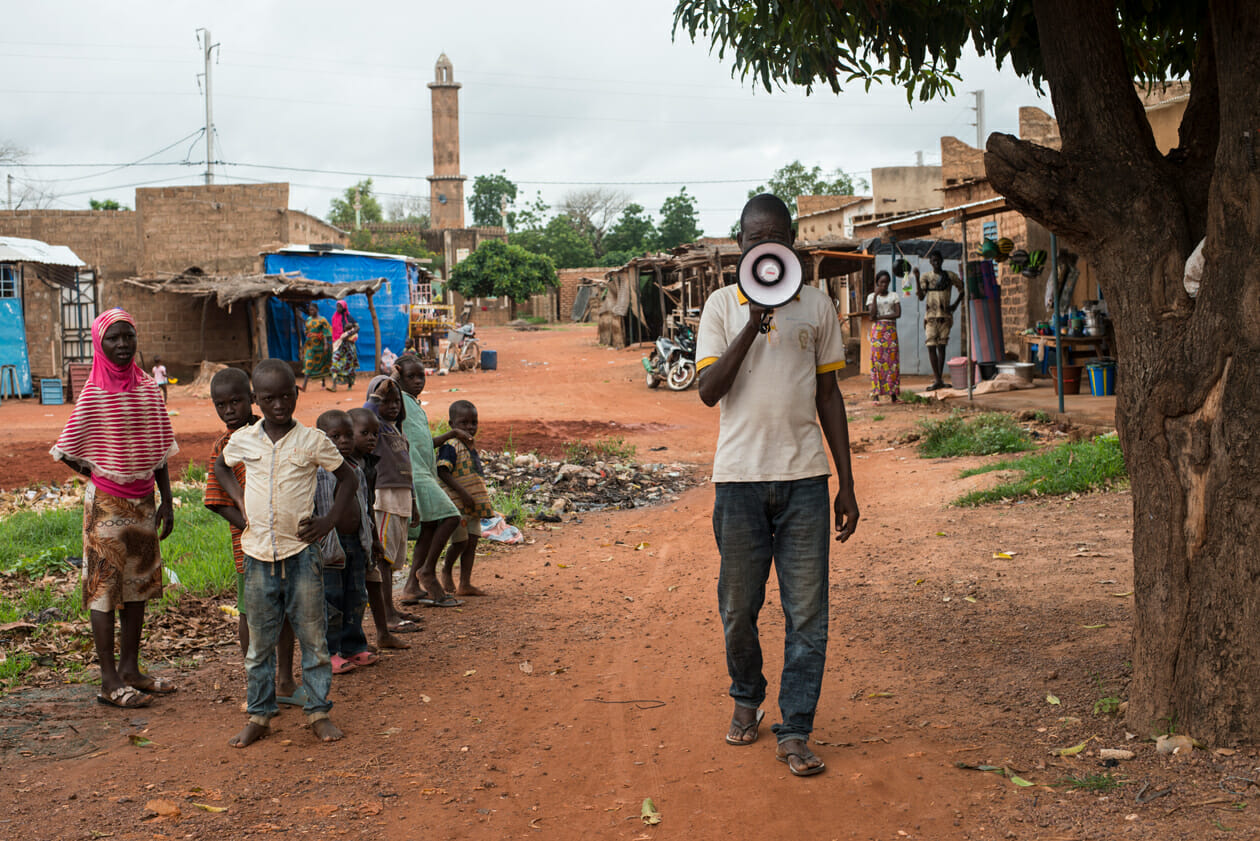
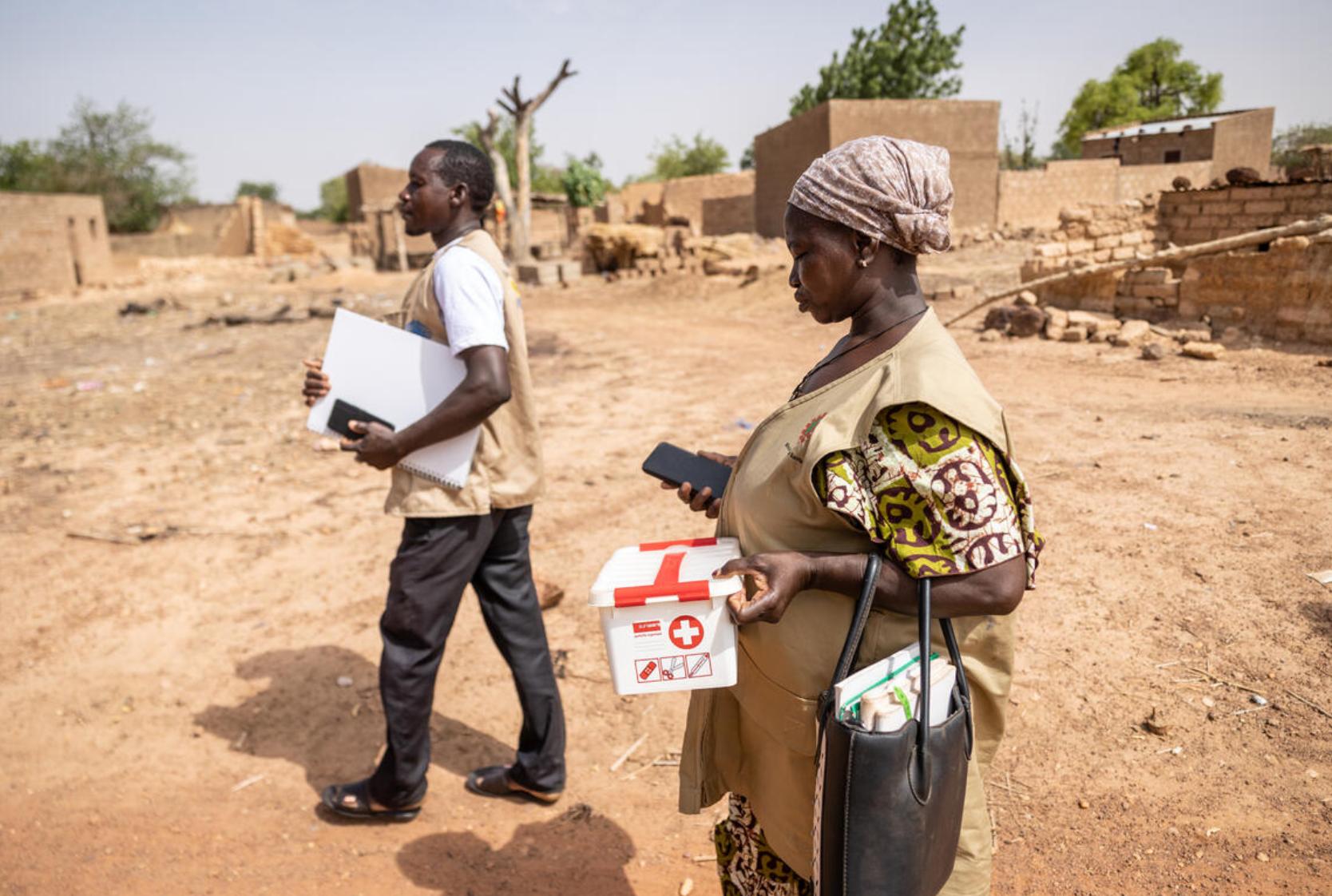
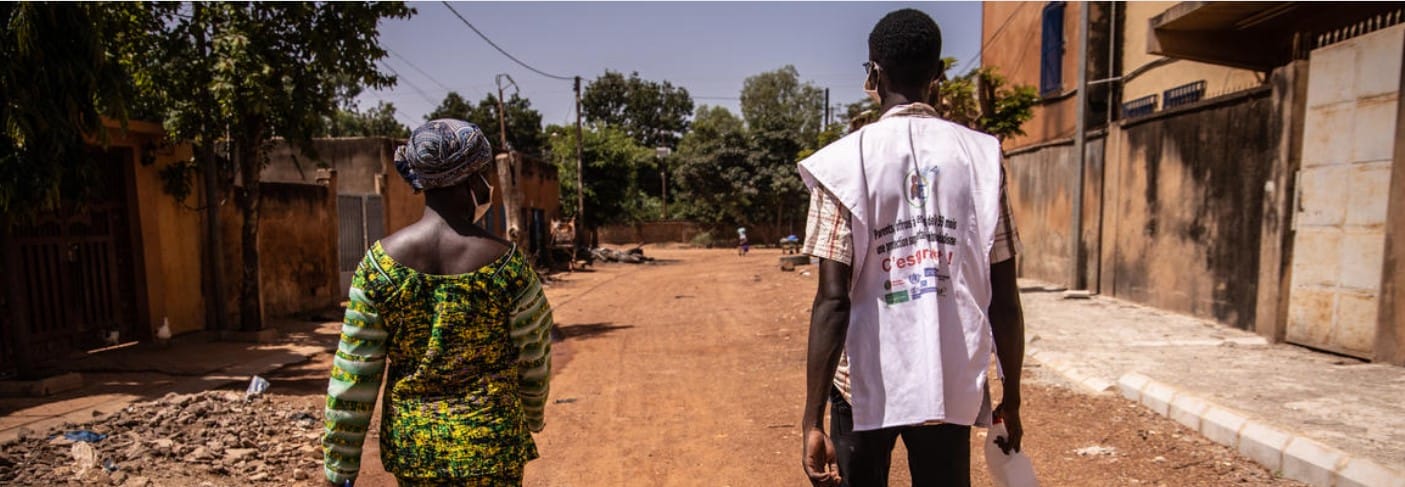
Launched in 2023 with support from L’Initiative, REACH Ethiopia aims to reduce tuberculosis incidence and mortality by bringing screening and treatment closer to the most exposed populations, in close coordination with the ministry and the regional health agency. At the heart of this effort are community volunteers trained to raise awareness, identify symptoms and refer people for diagnosis, helping to break health isolation and promoting earlier screening.
Detect earlier to treat better
Since the project began, this community mobilization has led to a substantial increase in screening. Nearly 313,000 people have already benefited from the project, including 249,652 reached through awareness activities, 62,042 through TB screening services, and 1,284 individuals who received TB treatment in the intervention areas. Between July to December 2025 alone, more than 24,000 people were screened through community campaigns, door-to-door visits and awareness activities conducted in pastoral villages.
These efforts identified several hundred people with symptoms compatible with tuberculosis and referred them to diagnostic centres. Confirmed cases were promptly started on treatment, directly contributing to reducing diagnostic delays — one of the main drivers of transmission.
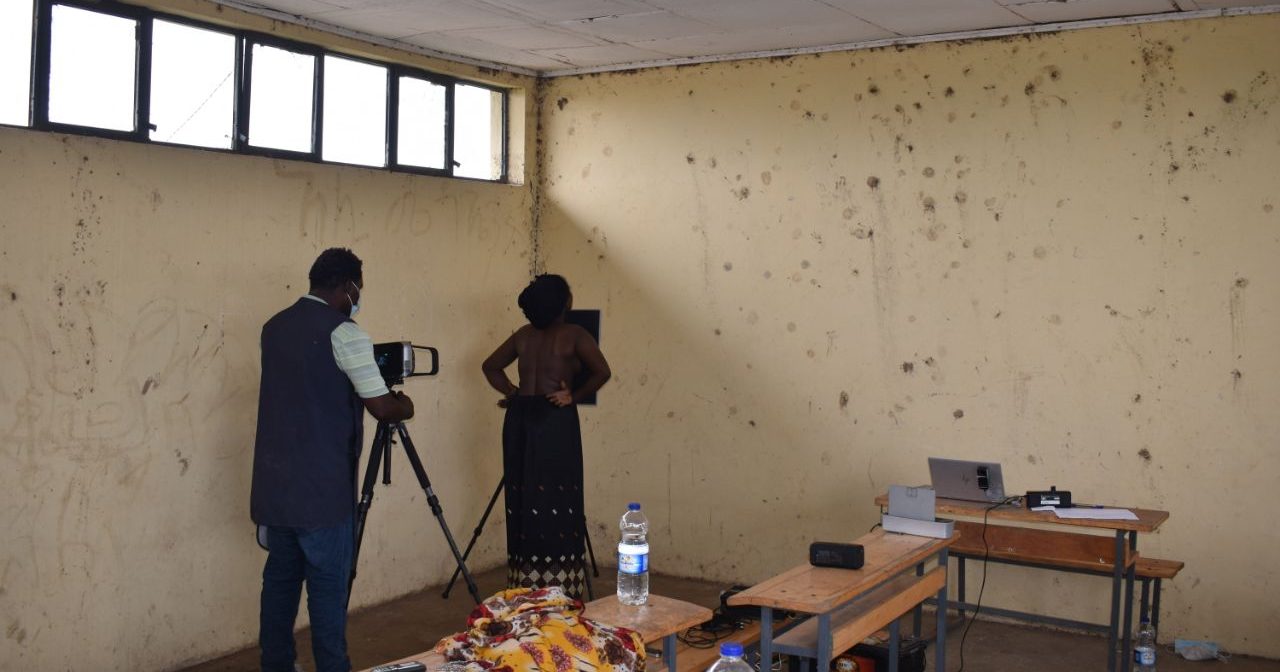
The project is also testing new approaches to improve detection in contexts where access to laboratories remains limited. For example, AI-assisted mobile radiography campaigns have been deployed to rapidly analyse chest images and identify suspected cases.
Strengthening local capacities for the long term
Screening alone is not enough: diagnoses must be confirmed and patients supported throughout treatment. Strengthening the capacity of the local health system is therefore another essential dimension of the project.
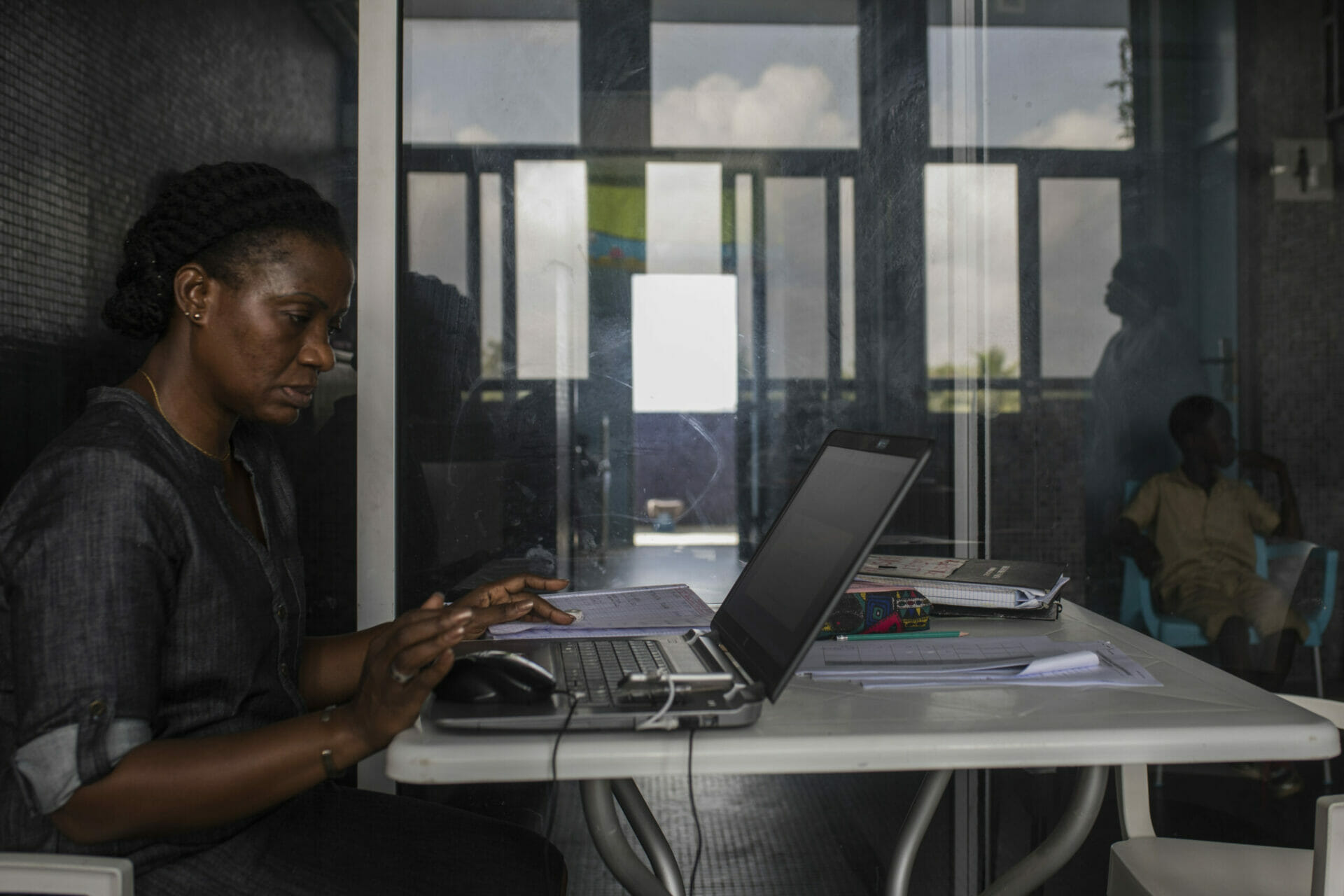
REACH Ethiopia has upgraded laboratory equipment and skills, improved sample transport system and deployed a mobile diagnostic unit. The project also supports the development of centres able to initiate treatment for drug-resistant forms of tuberculosis, sparing patients long journeys to access care. Together, these actions are gradually helping to build a more accessible and responsive care system.
A community approach that makes a difference
The project’s most significant transformation lies in the role given to local actors. Where community contribution to diagnosis had previously been limited, the structuring, training and supervision of volunteers have expanded local screening efforts.
In some areas, the project’s community network now accounts for a significant share of detected cases (about 30% between July and December 2025), demonstrating that investing in local human resources can greatly increase early detection and access to treatment.