
SHIFT-TB: finding TB early, treating it holistically
SHIFT-TB pairs population-wide active case finding with integrated screening and management of key risk factors (undernutrition, diabetes, HIV, tobacco, alcohol). By bringing diagnostics, data and referrals closer to communities, the project demonstrates how “TB is no longer just a health issue; it is also a social and economic determinant.” Sok Chamreun CHOUB, Executive Director of KHANA, explains the project’s logic, early results and operational research.
What is SHIFT-TB and why combine active case finding with risk-factor care?
Sok Chamreun CHOUB: SHIFT-TB is a four-year community-based programme that aims to strengthen Cambodia’s health system through integrated services addressing tuberculosis (TB) and its key risk factors, including diabetes, HIV, tobacco use, alcohol consumption, and undernutrition. Funded by L’Initiative – Expertise France, the programme aims to reach up to 40 health centers and 90 villages, covering a total population of approximately 95,521 people. The SHIFT-TB programme combines population-level active case finding with integrated risk-factor screening and management, promoting a one-stop service model at the community level.
Where does the project stand today?
Sok Chamreun CHOUB: By the end of February 2026, a total of 50,011 individuals were enumerated through the household census. Among them, 26,120 people participated in the population-wide TB active case finding screening, representing an average participation rate of 52%. The screening detected 199 cases of all forms of TB, corresponding to a yield of 0.8% among those screened. Of the 199 TB cases identified, 62 (31.2%) were asymptomatic TB cases.
Who is getting screened — and who remains hard to reach?
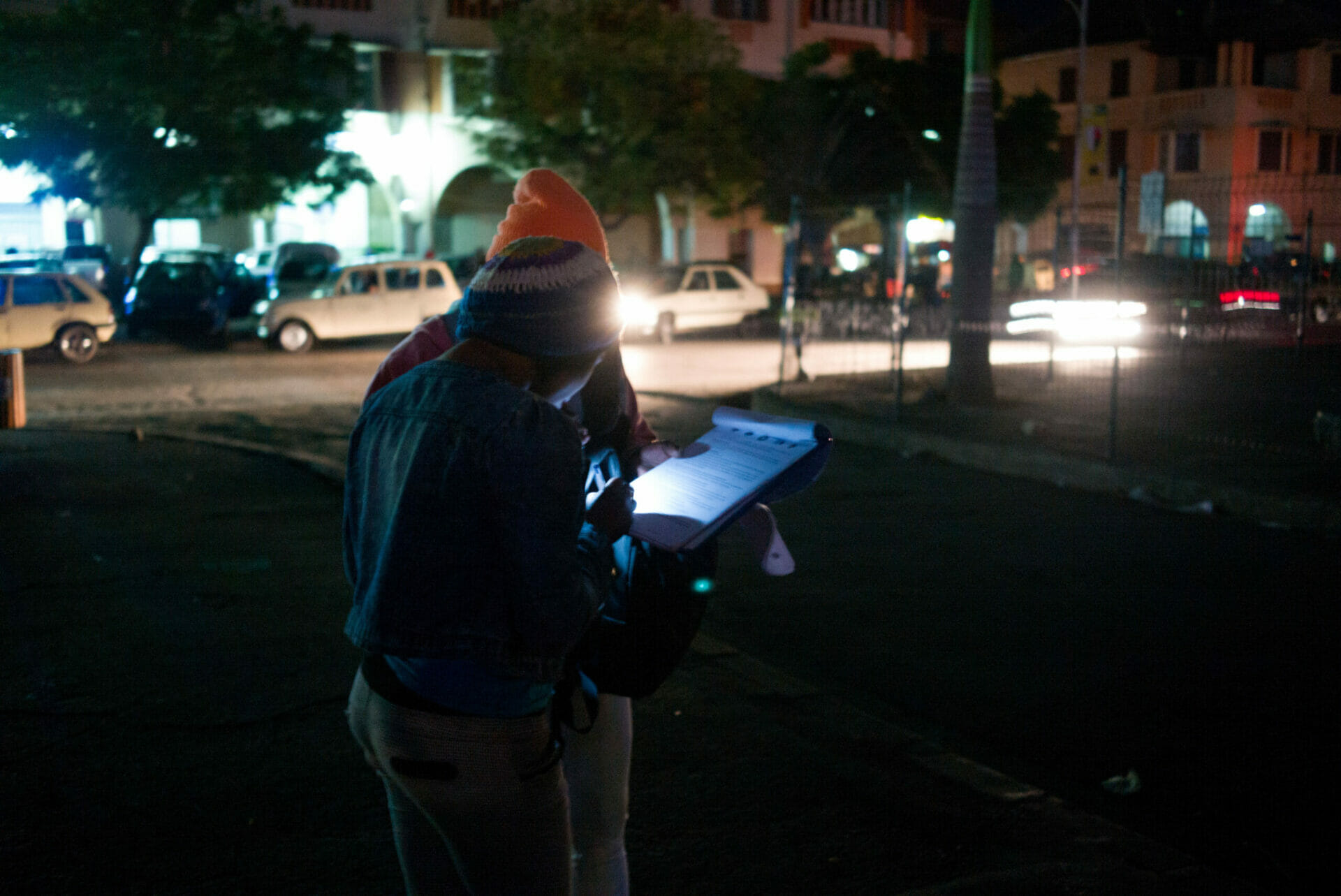
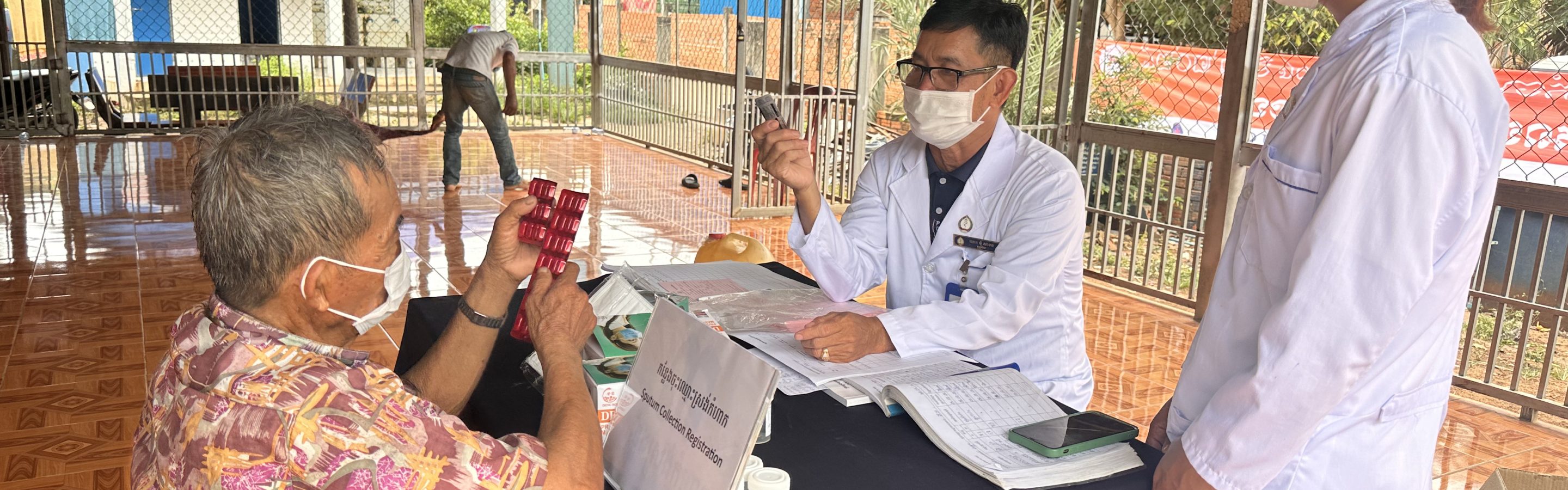
Sok Chamreun CHOUB: We learned that participation was lowest among people aged 20–39 years, followed by those aged 10–19 years, while male participation was also lower than that of females. To address this gap, the project adopted an implementer-wide approach, engaging all team members to monitor participation rates on a daily basis and conduct door-to-door follow-up with households, with expansion of working hours and weekend day. In addition, working hours were extended to include evenings and weekends. The team also provided free transportation for individuals facing difficulties accessing the screening sites, particularly people with disabilities, older adults, and women with young children.
How do tools like TB-MIS, CAD and GeneXpert change detection and care?
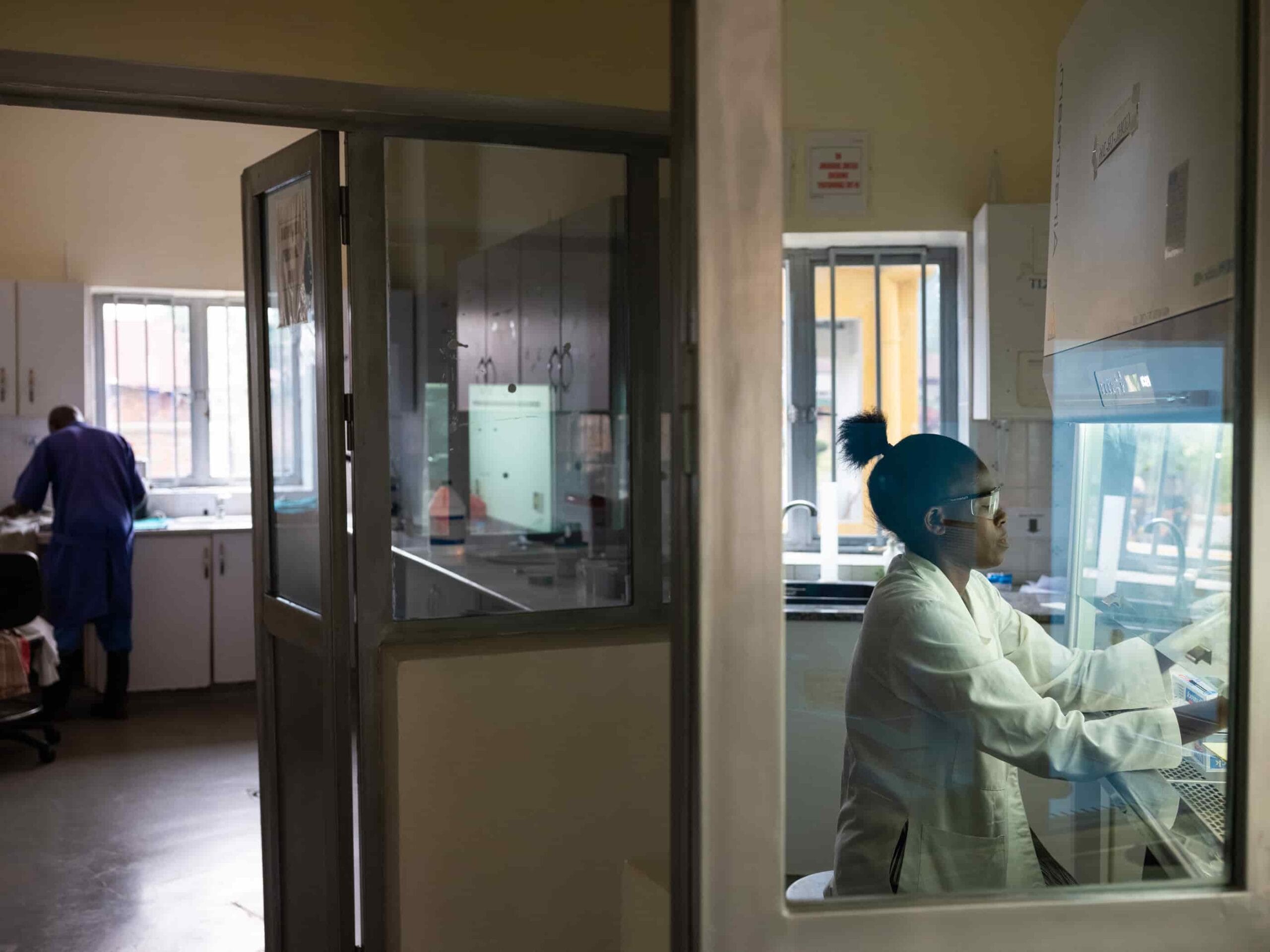
Sok Chamreun CHOUB: SHIFT-TB deployed essential TB screening and diagnostic tools closer to the community, typically during community screening events. These included digital CXR equipped with qXR artificial intelligence software from Qure.ai for rapid image interpretation, as well as GeneXpert machines for molecular testing and confirmation of TB. Health center staff responsible for the TB-MIS System were actively involved throughout the screening process. They entered the data into the TB-MIS system in real time, ensuring accurate documentation, proper case tracking, and timely reporting of results.
What operational research does SHIFT-TB run — and why does it matter?
Sok Chamreun CHOUB: The SHIFT-TB programme integrates operational research to generate practical evidence that can improve TB detection, childhood TB management, and integrated care for key risk factors such as undernutrition. The project includes several studies, including an evaluation of population-wide TB screening and studies on pediatric TB detection, such as diagnostic approaches for adolescents, TB among child household contacts, treatment decision algorithms, and TB lymphadenitis. These studies will assess key aspects such as care cascade outcomes; diagnostic performance, the effectiveness of nutrition interventions, and the feasibility and cost-effectiveness of integrated services delivered through community platforms and civil society engagement.
Why screen for risk factors alongside TB — and how are referrals organised?
Sok Chamreun CHOUB: The SHIFT-TB project implemented integrated screening for TB risk factors, including assessment of undernutrition and screening for abnormal blood pressure and blood glucose levels, alongside TB case finding. Participants identified as being at risk were referred by using a standardized project referral slip, which facilitated follow-up and service tracking. In addition, all bacteriologically confirmed TB cases were tested for HIV in accordance with national guidelines, ensuring early identification of TB/HIV co-infection and timely linkage to appropriate care and treatment services.