
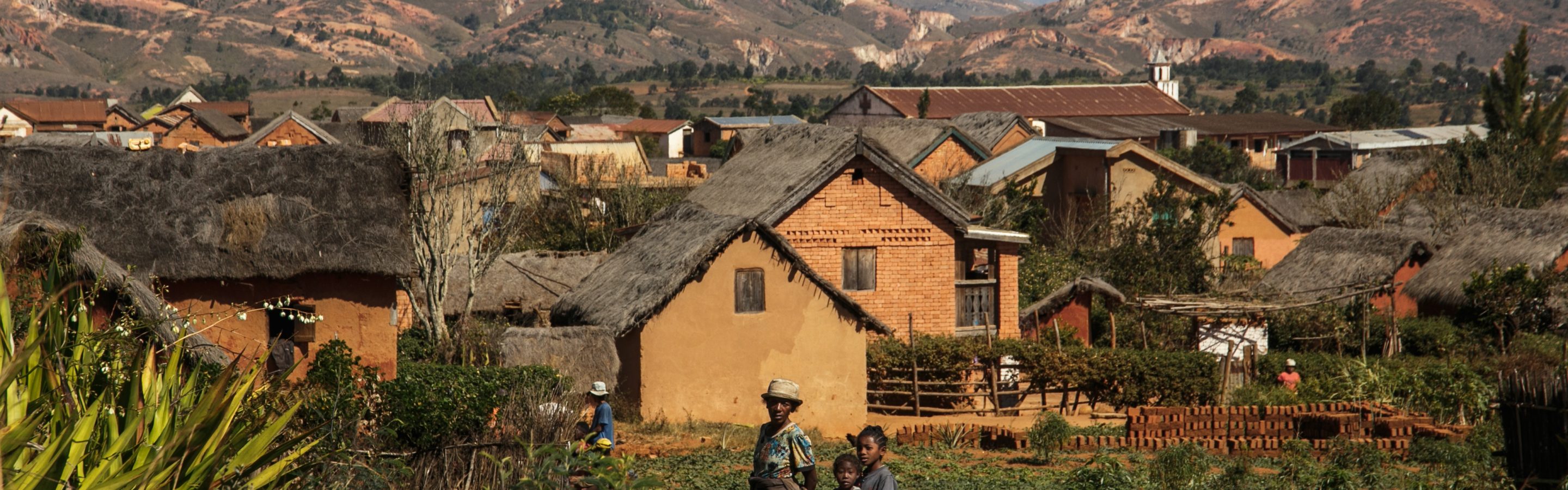
Supporting health in Madagascar with and for communities
Faced with a fragile health system, a worrying rise in HIV prevalence, the persistence of tuberculosis and a large number of malaria cases — notably among young children — L’Initiative supports health in Madagascar. It works with national and local partners, civil-society and community-based organisations through innovative projects and technical assistance, field activities, capacity strengthening and operational research, all guided by continuous learning.
In Madagascar,

€26 million
invested by L’Initiative between 2011 and 2025
Strengthening the national health system and regional coordination
Regional coordination, pandemic preparedness and strategic support. L’Initiative works with authorities and partners to anticipate and coordinate responses to health risks in the Indian Ocean region.
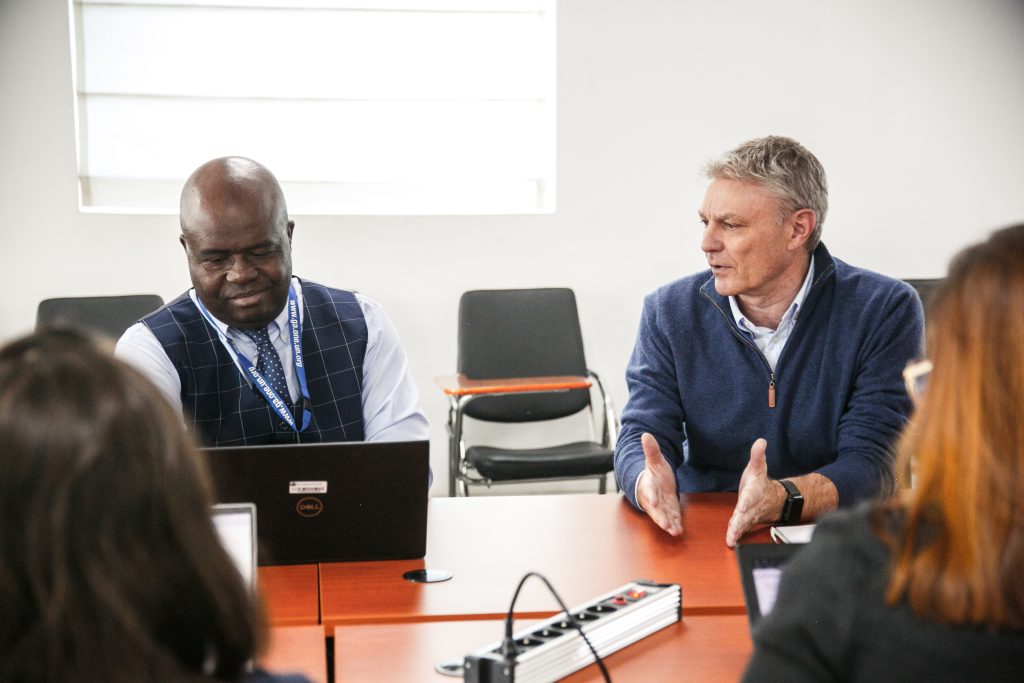
Responding to pandemics in the Indian Ocean, notably in Madagascar
Dr Christophe Vanhecke, who served as Regional Adviser for Global Health for the Indian Ocean from November 2021 until August 2025, reflects on regional coordination and the priorities for strengthening pandemic preparedness and response. The Regional Adviser for Global Health is tasked with advancing France’s global health strategy in four countries: the Comoros, Madagascar, Mauritius and the Seychelles.
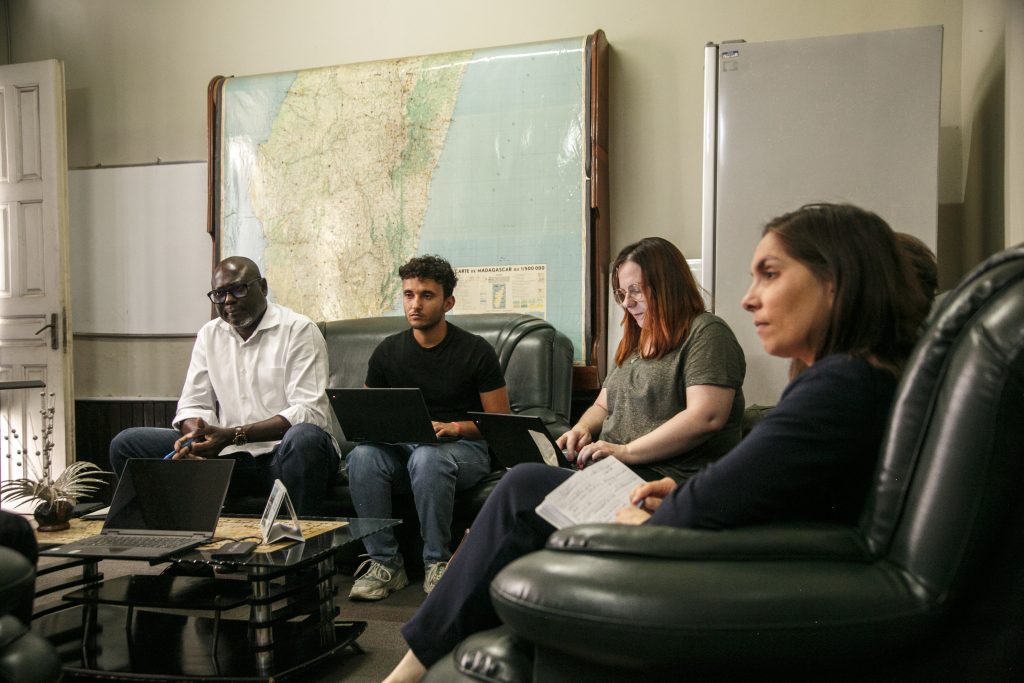
Responding to HIV in Madagascar
In Madagascar, where official HIV prevalence is estimated at 0.5% but is likely under-reported, L’Initiative is stepping up its support for the HIV response. Dr Christophe Vanhecke (Regional Adviser for Global Health for the Indian Ocean until August 2025) and Dr Kablan Prao Raimond, resident HIV expert, discuss the epidemic’s evolution, testing strategies and task-shifting approaches.
Bringing health services closer to people through primary care
Access to care in Madagascar is deeply unequal: more than three quarters of the population live in rural areas where facilities and health professionals are scarce, while the health system is underfunded. To bring services nearer to the most vulnerable, L’Initiative supports community-based primary care approaches that combine training, accompaniment and local anchoring — concrete responses that aim to reduce transmission and mortality, improve patient follow-up and strengthen territorial resilience to pandemics.
Improving access to sexual and reproductive health and rights services
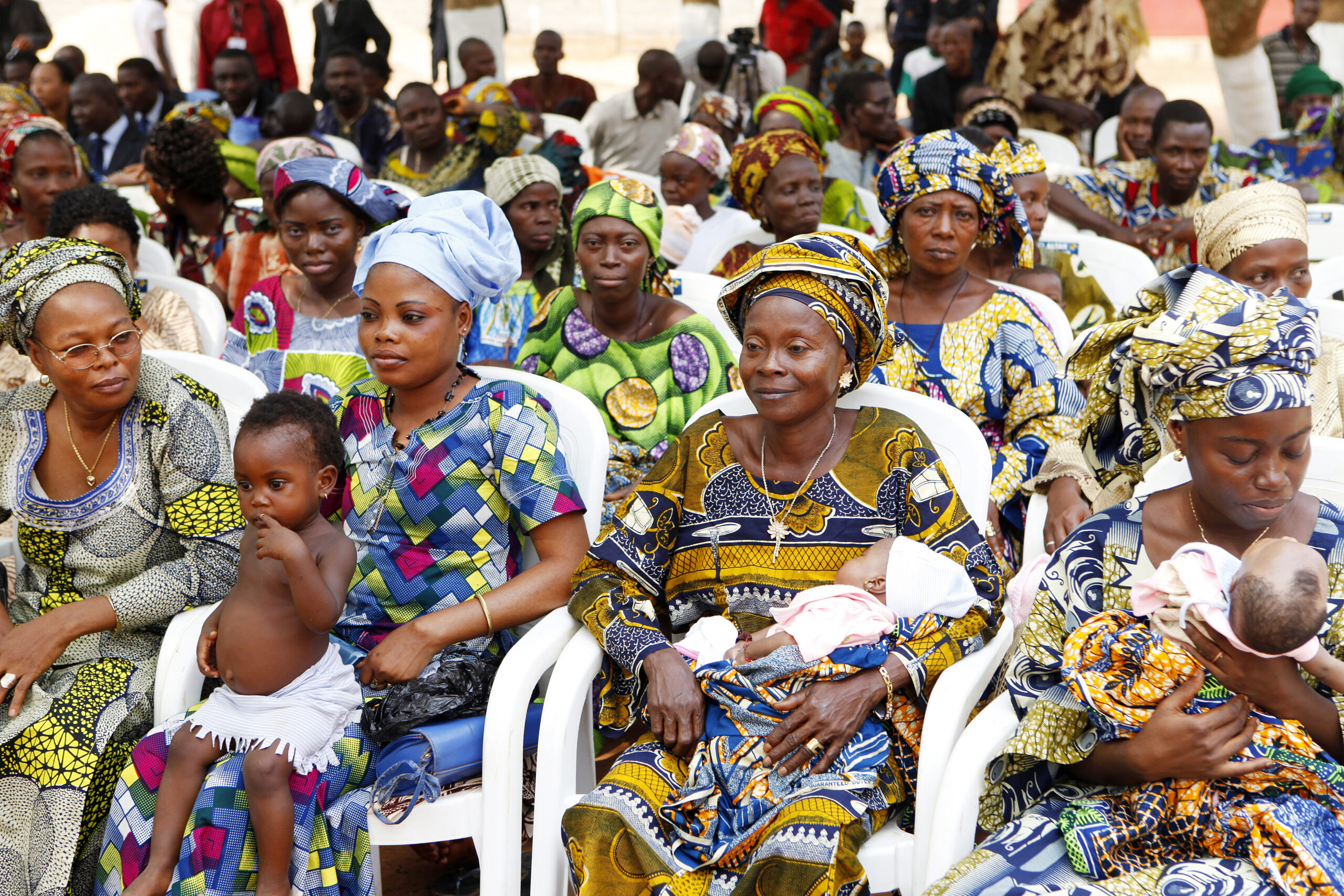
Inequalities in access to sexual and reproductive health and rights services are glaring: an uneven network of health facilities across the territory and limited knowledge about diseases and risks (HIV, cervical cancer) contribute to persistently high maternal and infant mortality rates. Led by Santé Sud and funded by Expertise France through L’Initiative, the PluriElles project addresses these gaps. It plans to deploy 12 new community midwives and to strengthen 18 others previously supported by the Bien Naître project.
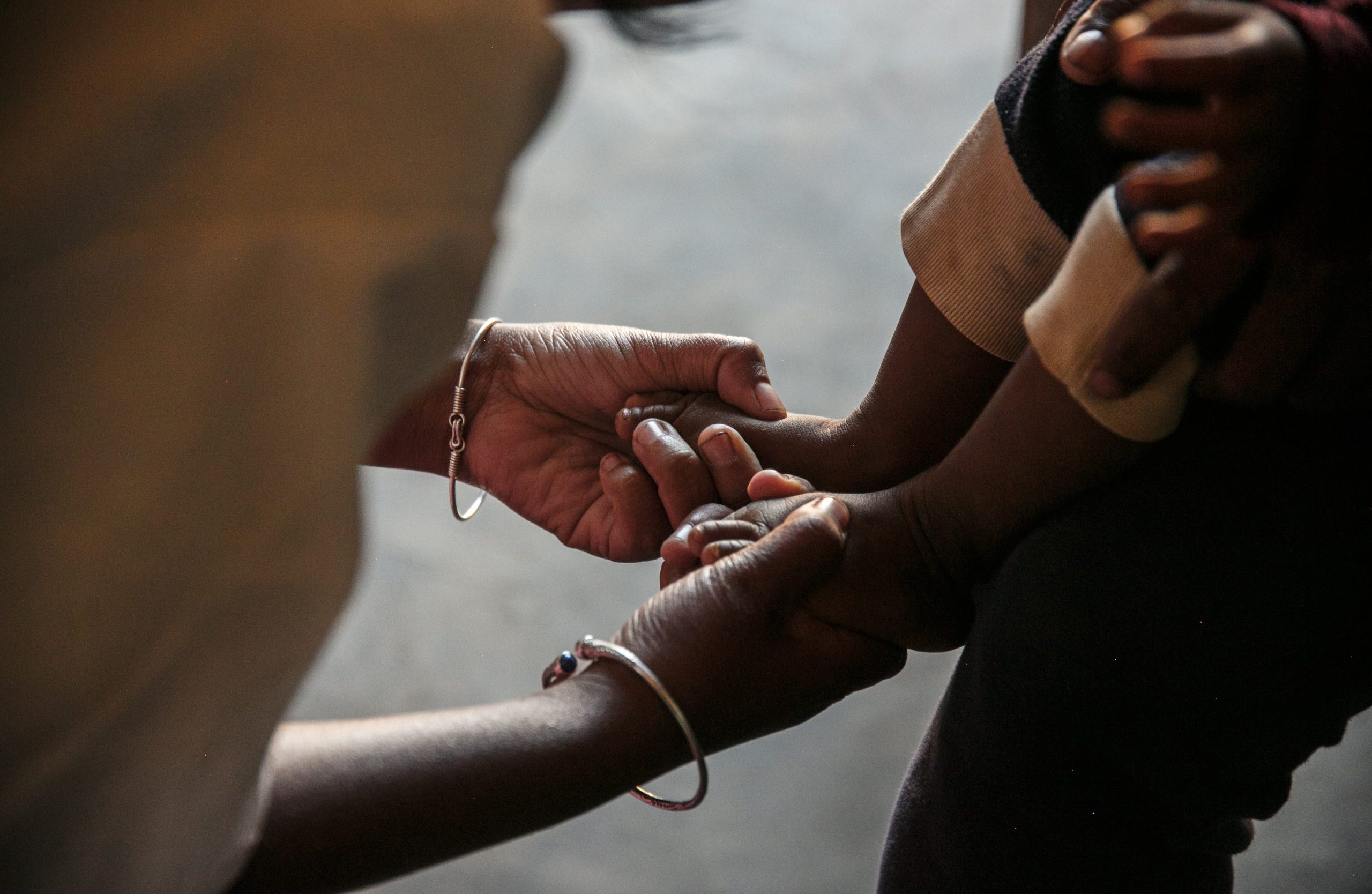
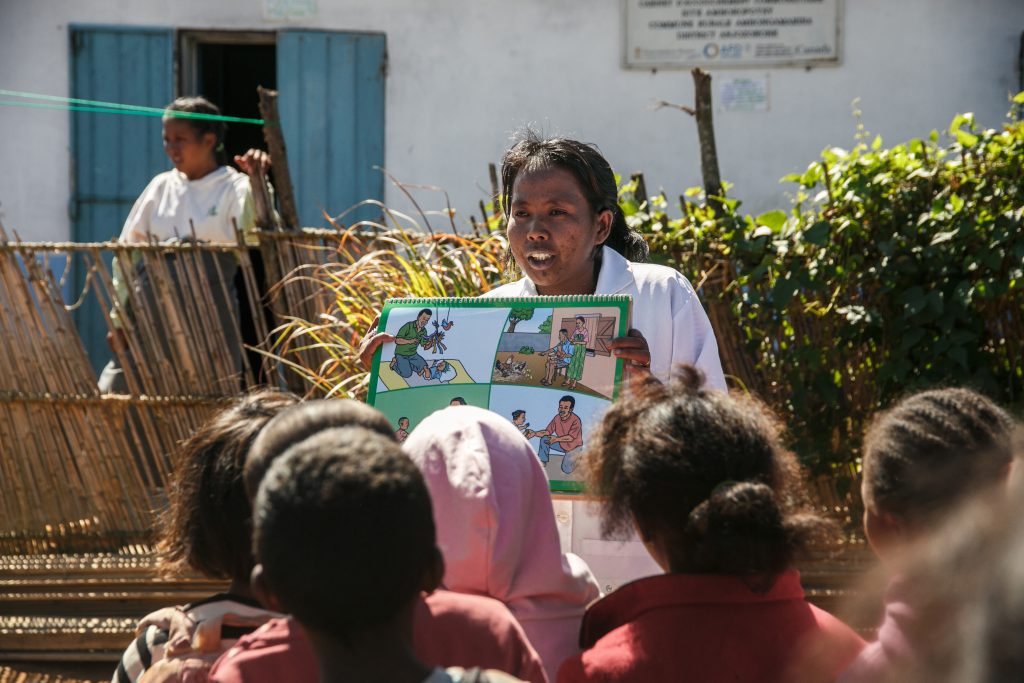
“One holiday, I was in a village with no health centre and no midwife. A pregnant woman gave birth there, but the delivery was difficult and the baby did not survive. That moment affected me deeply and I decided to become a midwife to try to save lives,” says Mihaja Nantsoina Nomena Fitiavana Raharinjato, head of a Community Birth Clinic (CBC) supported under PluriElles. Her story is not anecdotal: it is the project’s raison d’être. Immersion with Mihaja, a community midwife.
Understanding the healthcare pathway for survivors of sexual violence in Madagascar
Public health physician and recipient of the Françoise Barré-Sinoussi excellence scholarship supported by L’Initiative — Expertise France, Dr Sedera Rakotondrasoa discusses his study into the care pathway for survivors of sexual violence in the Analamanga region. His work highlights concrete obstacles — silence and self-censorship following trauma, fragmented services, indirect costs — and proposes operational solutions to make services more accessible.
Improving access to tuberculosis services
Tuberculosis thrives where extreme poverty and malnutrition weaken immune defences. In the poorest districts of Antananarivo, tuberculosis remains a silent shadow: despite free treatment, 8.5% of diagnosed and notified patients were lost to follow-up nationally. Poverty, malnutrition and stigmatisation — extremely precarious living conditions — hinder access to care. In this context, the RAITRA project, supported by L’Initiative since July 2021, focuses on including disadvantaged urban communities in TB screening and care. It relies on a network of community actors and on empowering local NGOs to strengthen TB, HIV and malaria prevention by building trust with patients, removing psychosocial barriers and ensuring optimal adherence to treatment protocols.
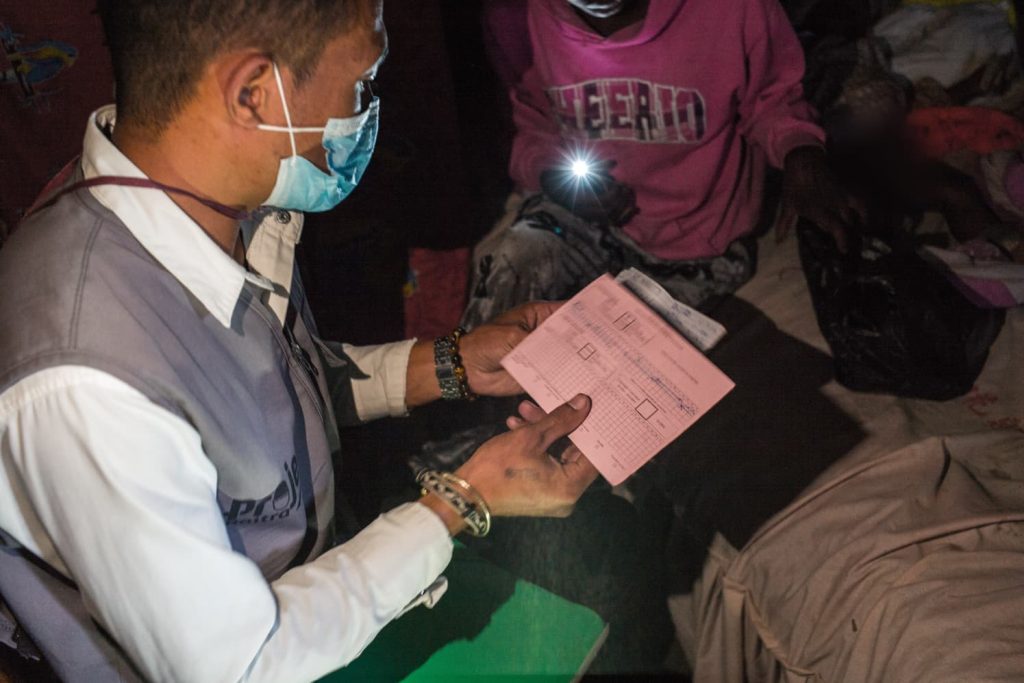
RAITRA: challenges, results and prospects for an inclusive fight against tuberculosis
Fanja Anselme RANAIVO and Thierry Martin COMOLET discuss the challenges met, the results achieved and RAITRA’s scale-up ambitions.
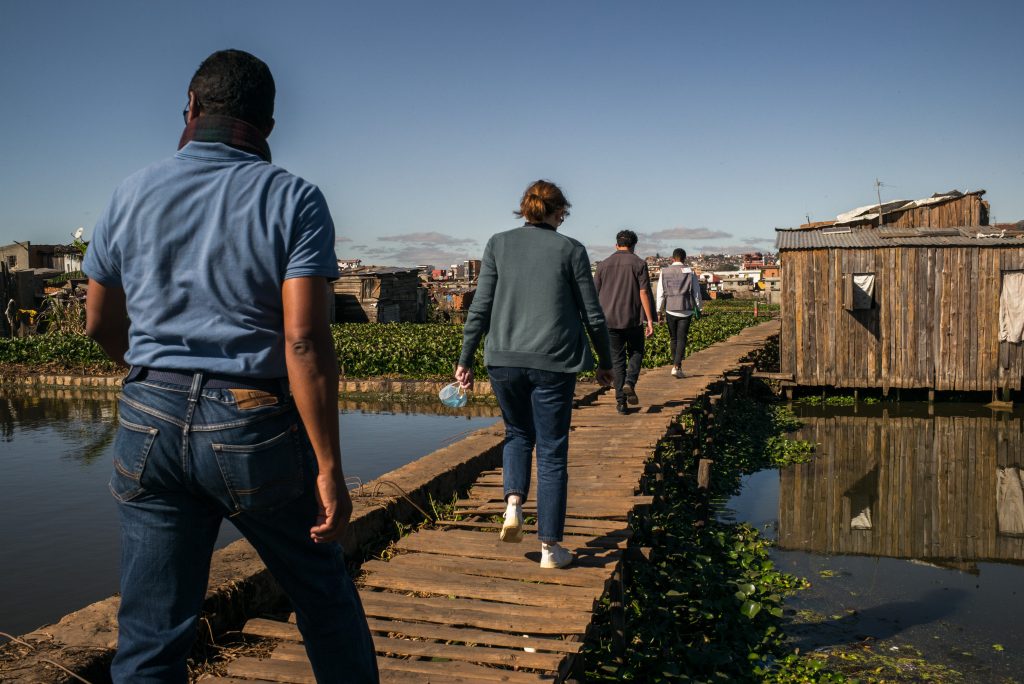
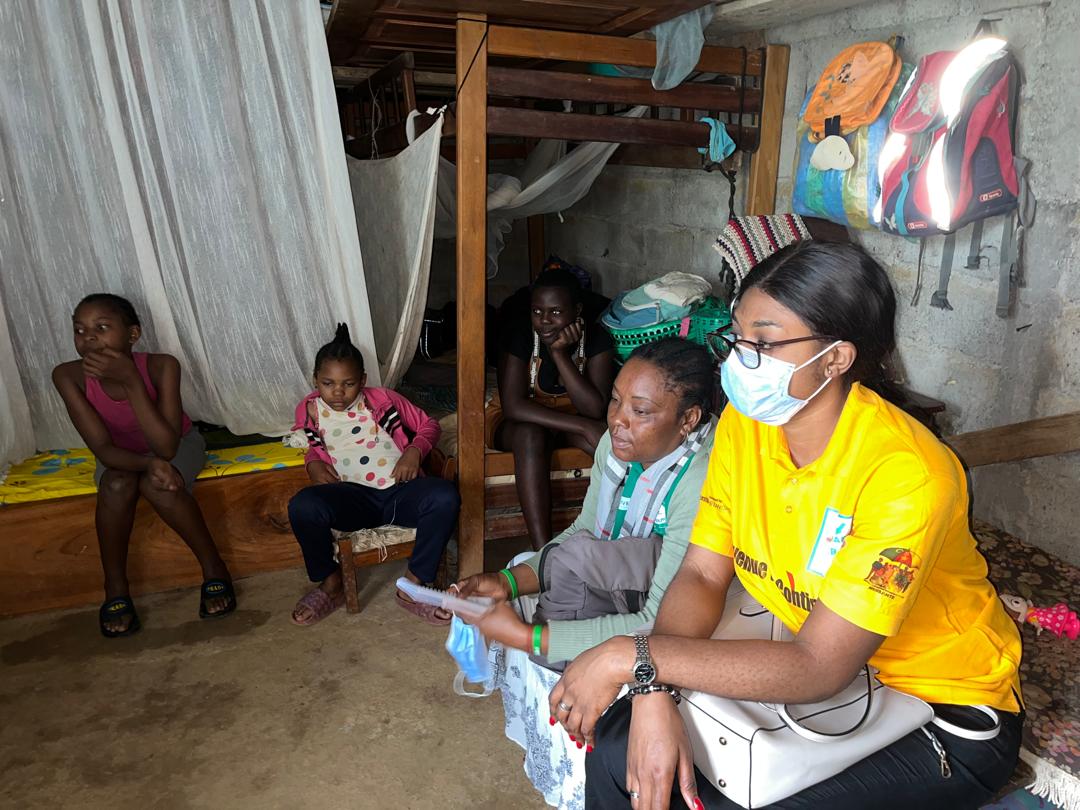
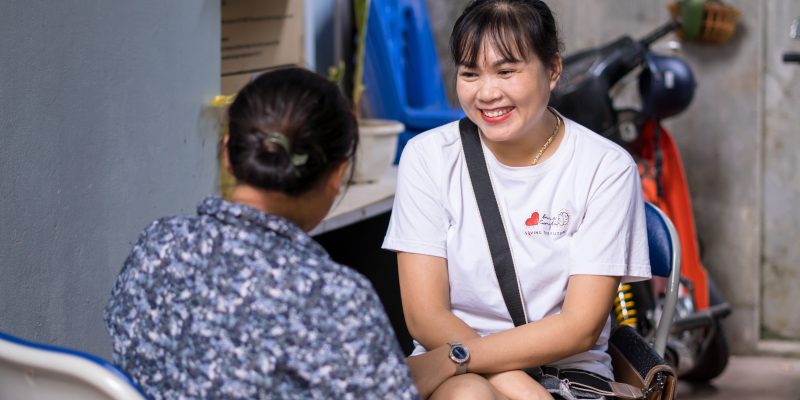
Immersion in a home visit: when support strengthens the care pathway
Immersion alongside a community health worker during a home visit — a true pillar of this innovative approach.
Strengthening the voice of communities and key populations
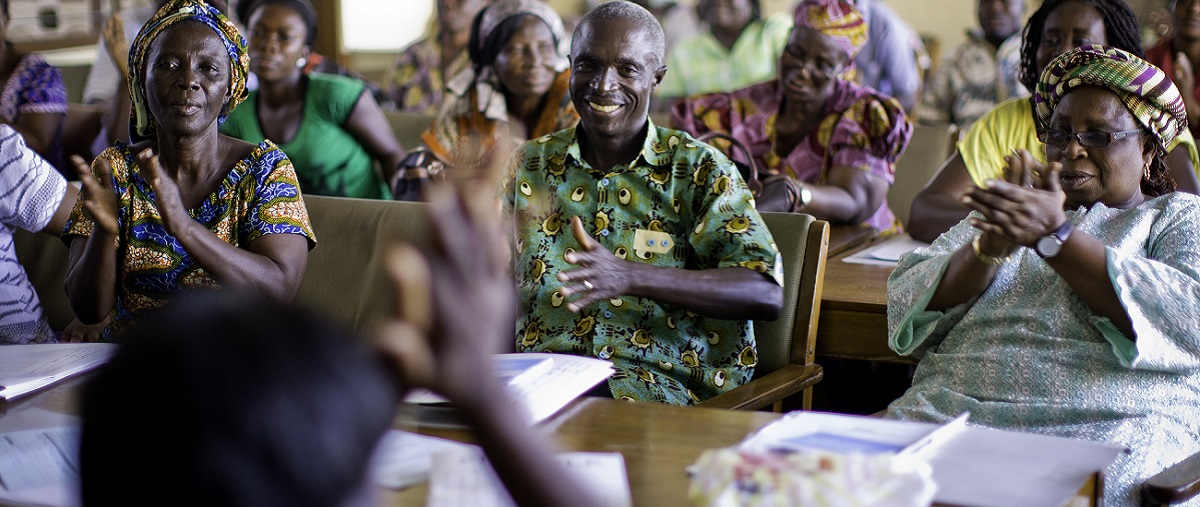
Communities play a central role in guaranteeing access to services, detecting stock-outs of health commodities and driving adapted prevention actions. The SYCAVI project set up a community monitoring mechanism that flags up service disruptions and enables evidence-based advocacy, while the creation of OPP Mada seeks to institutionalise and structure this community voice nationally. Alongside these mechanisms, the DESPS project implements a peer-based approach — outreach, prevention kits, workshops — that builds trust and facilitates access to care for sex workers.
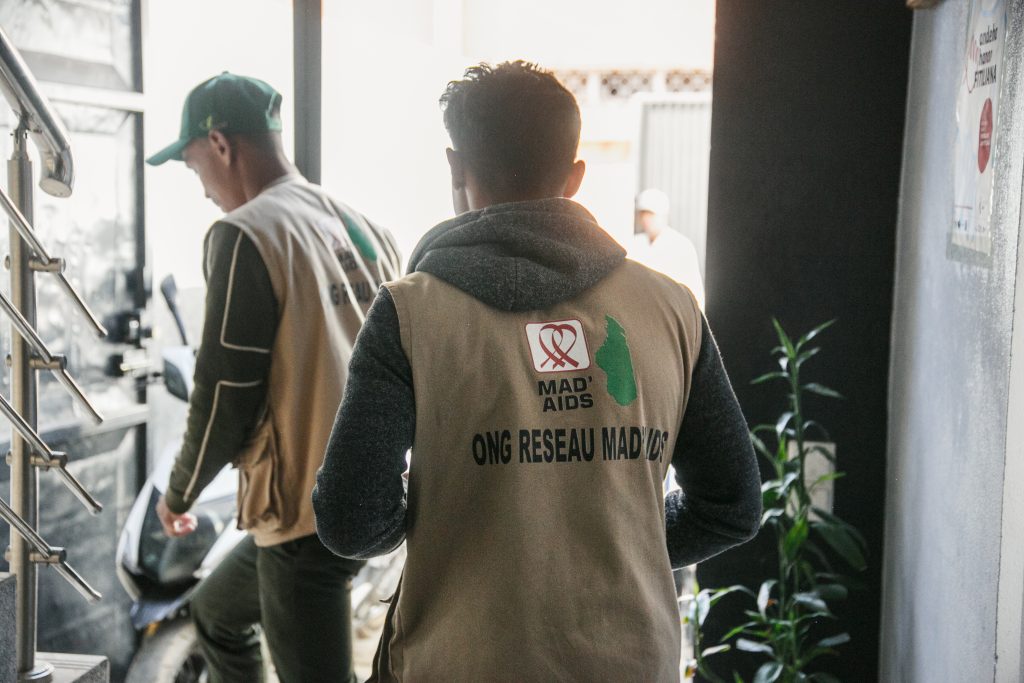
SYCAVI & OPP Mada: the voice of communities at the heart of the HIV response in Madagascar
Faced with structural challenges in the Malagasy health system, community organisations are joining forces to improve access to care for key populations and people living with HIV. The Système Communautaire d’Alerte sur le VIH (SYCAVI) project and the creation of the umbrella body OPP Mada embody this collective dynamic. Crossed perspectives with two committed figures: Ravélohanta Mananarisoa, medical coordinator of SYCAVI within AINGA-AIDES, and Johnson Firinga, founding president of MAD’AIDS and president of OPP Mada.
Supporting to strengthen health and rights: immersion in the daily lives of peer educators who are sex workers
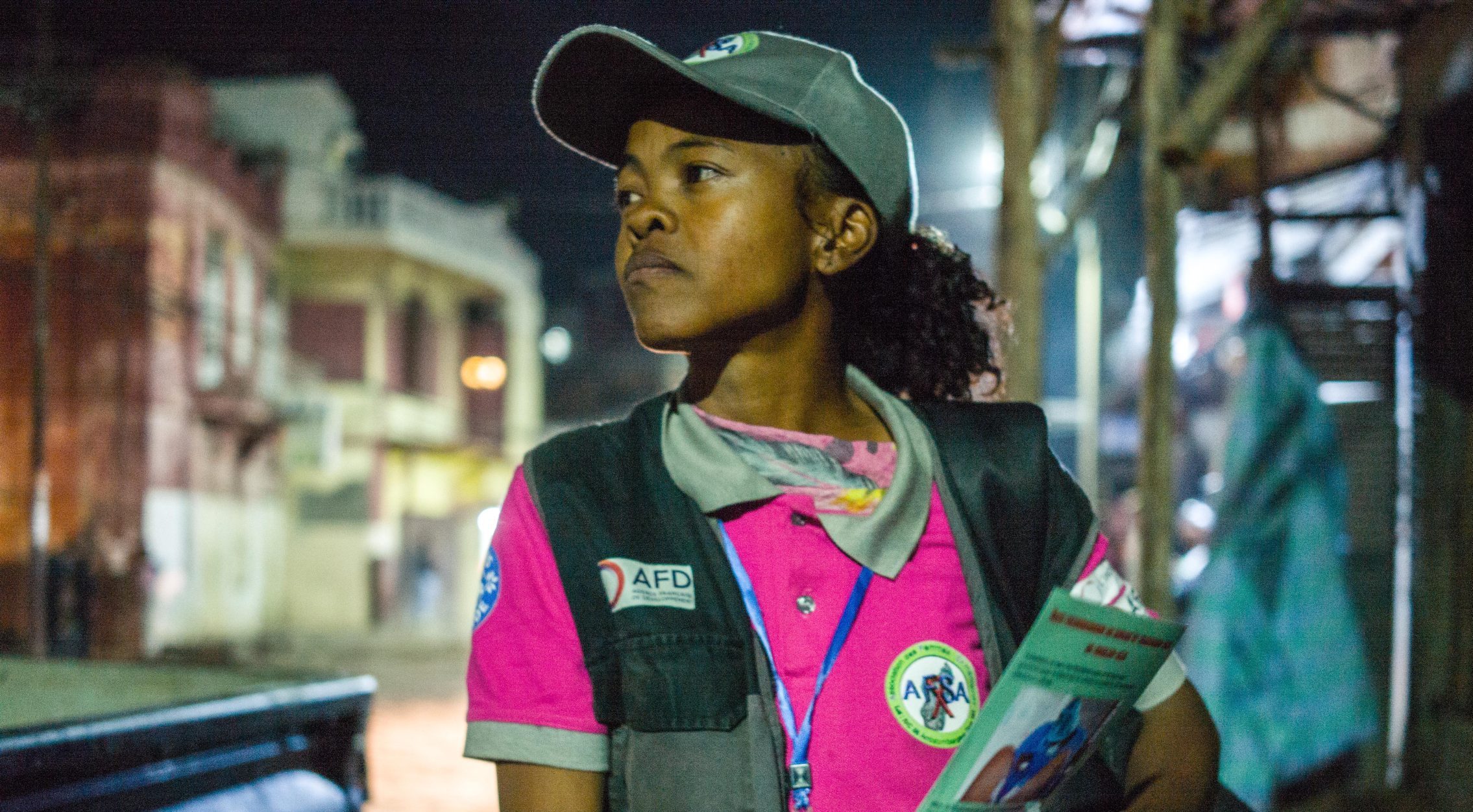
In Madagascar, sex work is widespread, with around 170,000 people practising the profession. Sex workers face sexual and reproductive health needs related to sexually transmitted infections and HIV. They frequently suffer violence and discrimination, exacerbated by a lack of resources and trust in institutions. The project “Droits, Empowerment et Santé des personnes Professionnelles du Sexe” (DESPS), led by Médecins du Monde, aims to improve sex workers’ access to sexual and reproductive health care in Madagascar by adopting a community-based empowerment approach and by strengthening demand and quality of services. Outreach, workshops and accompaniment: immersion in the project through testimonies by Mandaniaina and Masinjaka, sex workers and peer educators.
Geographic evaluation and lessons
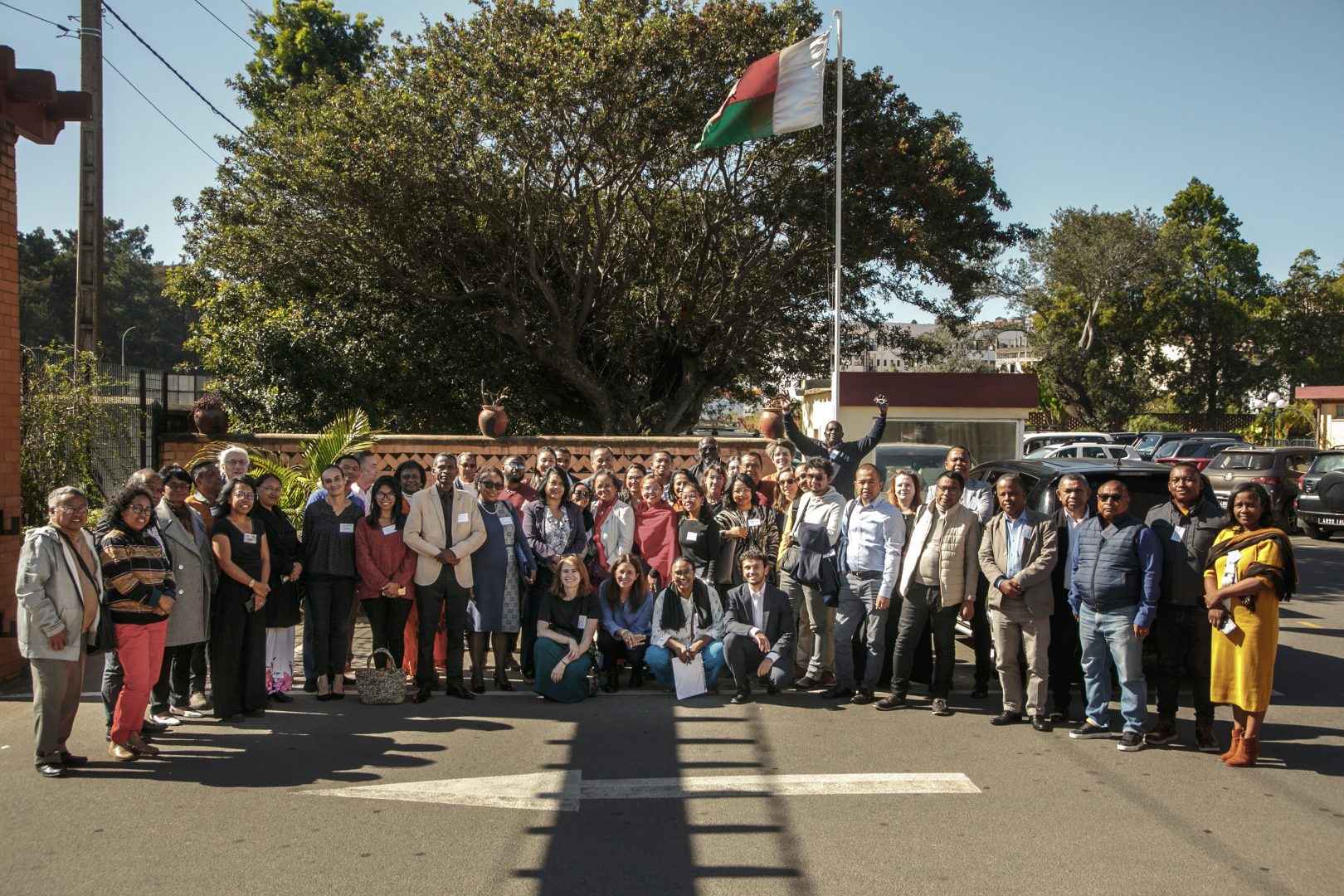
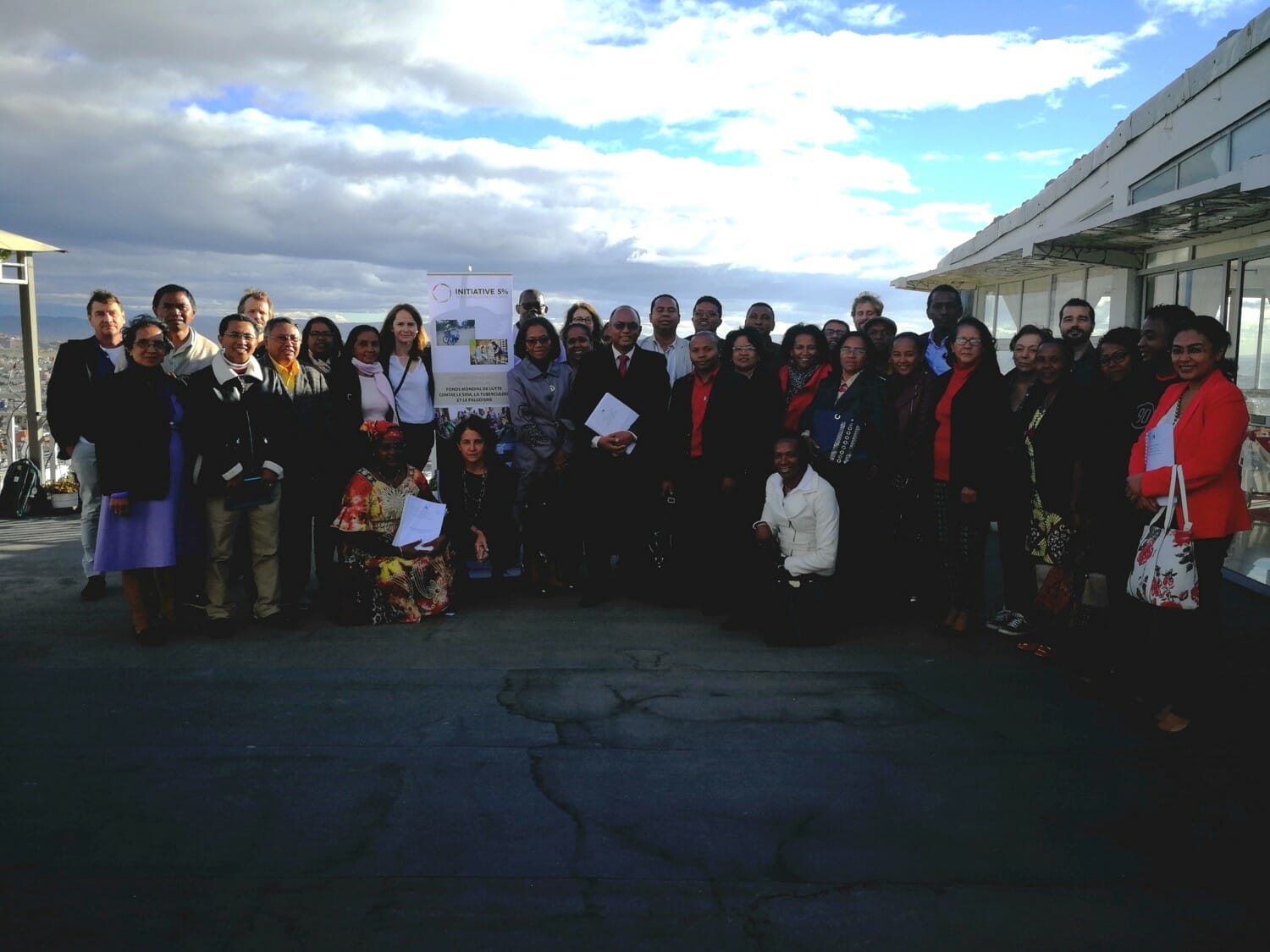
On 13 January 2026, L’Initiative — Expertise France organised the event “Lessons from the Field — Madagascar.” It served as a forum to present and discuss L’Initiative’s first geographic evaluation carried out in Madagascar: lessons learned, operational recommendations, video testimonies and perspectives from Malagasy civil society, with the aim of making learning a catalyst for concrete action.