
World AIDS Day: UNAIDS warns of major risks to the global HIV response
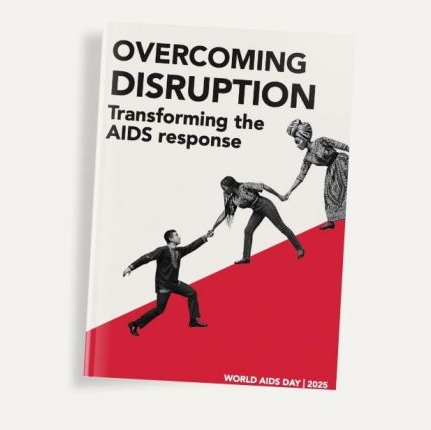
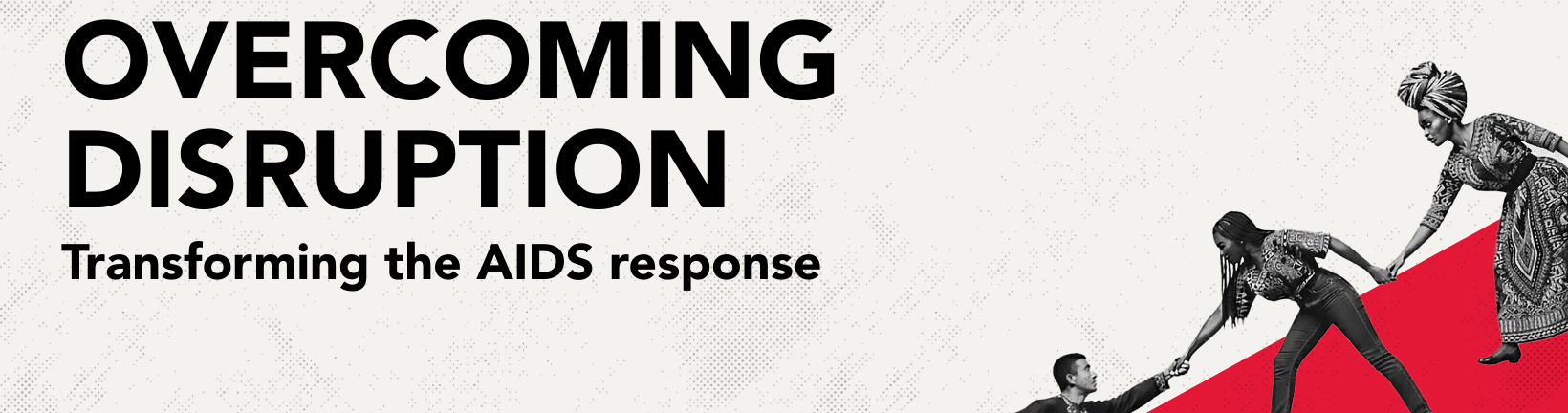
Ahead of World AIDS Day on 1 December, UNAIDS releases its report Overcoming Disruption – Transforming the AIDS Response. The agency highlights the growing threats facing the HIV response, as well as strong signs of resilience driven by countries and communities. Today, 40.8 million people are living with HIV: the epidemic is far from over.
The report released today delivers a clear message: the progress achieved in recent years is now under threat. In 2024, more than 9 million people living with HIV were still without access to treatment, and 1.3 million new infections were recorded. The abrupt reductions in international assistance observed in 2025 are exacerbating these vulnerabilities and jeopardizing essential prevention, testing and community-based support services. In several countries, entire programmes have had to close or significantly scale back their activities, leaving whole populations without services.
“The funding crisis has exposed the fragility of the progress we fought so hard to achieve,” warns Winnie Byanyima, Executive Director of UNAIDS. “Behind every data point in this report are people—babies and children missed for HIV screening or early HIV diagnosis, young women cut off from prevention support, and communities suddenly left without services and care. We cannot abandon them. We must overcome this disruption and transform the AIDS response.”
Funding cuts are particularly affecting prevention programmes for adolescent girls, young women and key populations, as well as services led by community-based organizations, which play a central role in access to care. The report also highlights a deterioration in the human rights environment: an increase in the number of countries criminalizing same-sex relationships or gender expression, growing restrictions on civil society, and heightened obstacles for organizations working with the most affected populations.
According to UNAIDS projections, if current funding levels persist, the global trajectory could lead to a major resurgence of infections, with up to 1.4 million new infections annually by 2030, undermining the achievement of global targets. More broadly, failure to meet the 2030 goals could result in several million additional infections by the end of the decade.
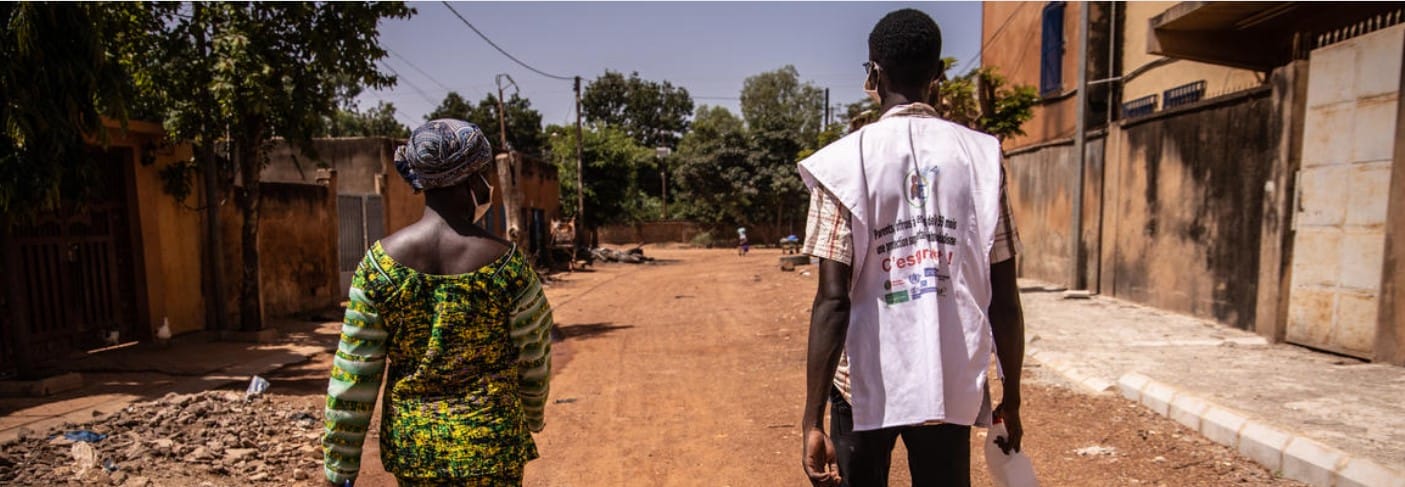
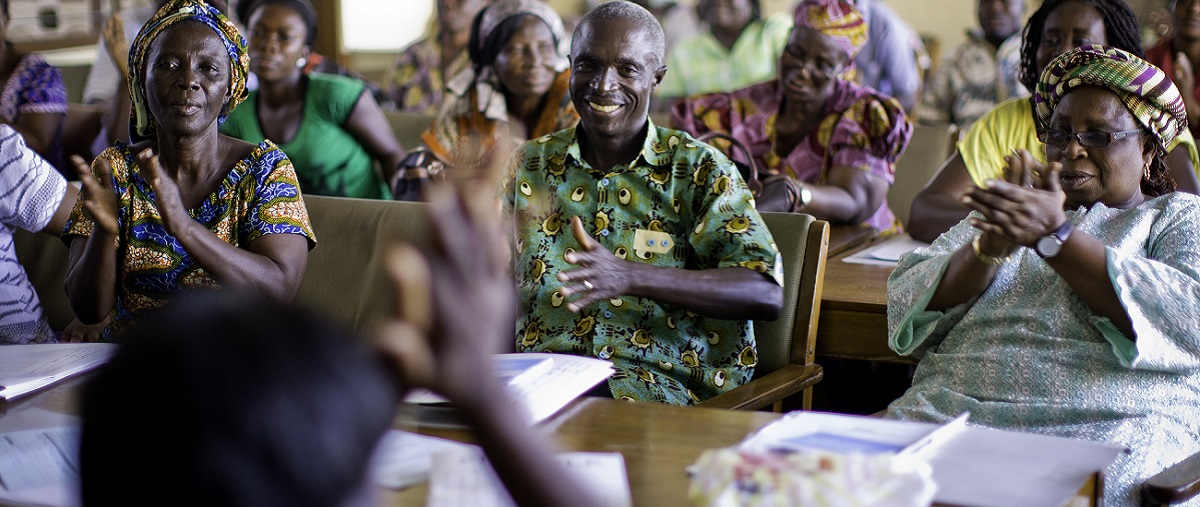
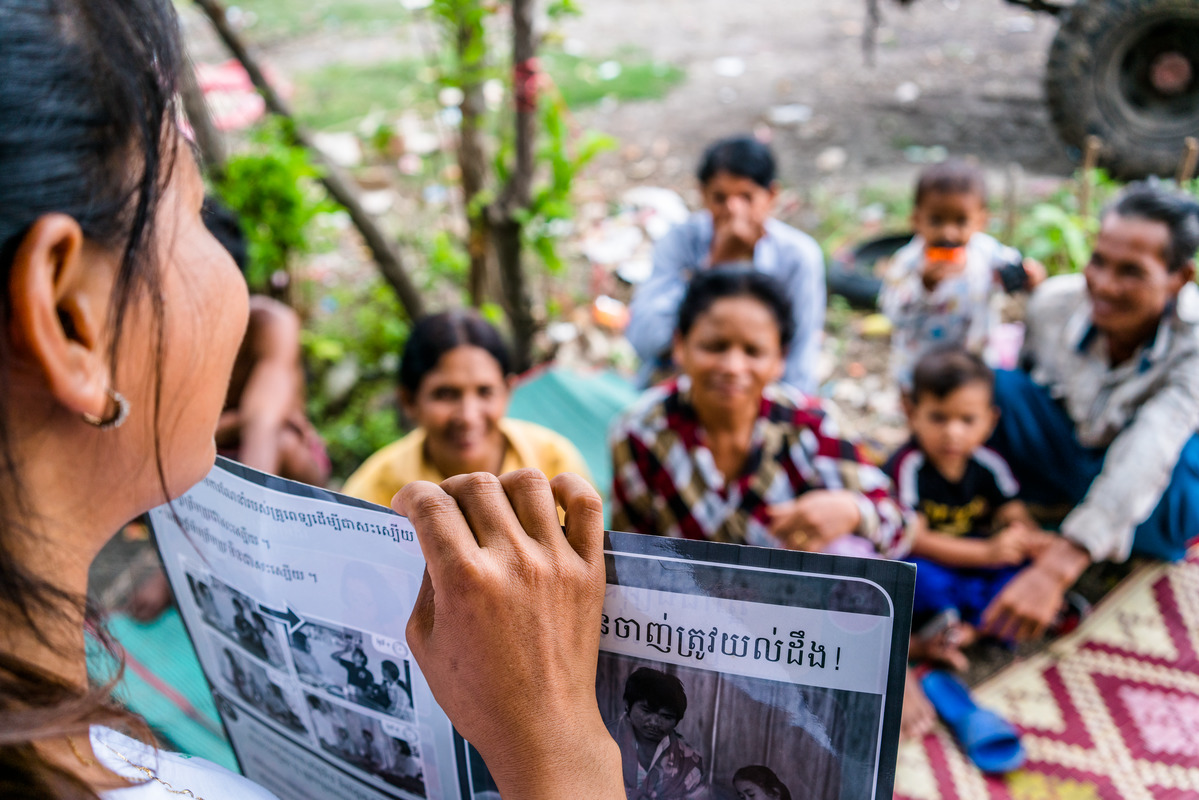
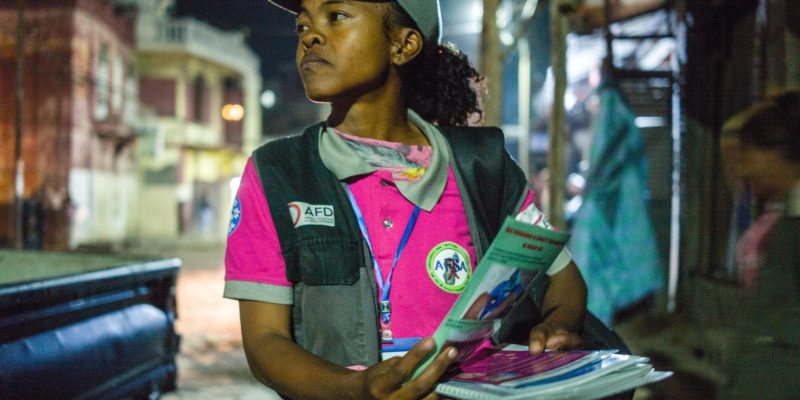
Despite this worrying context, the report also highlights important signs of resilience: continuity of treatment in several countries, strong mobilization of community-based organizations, national efforts to strengthen domestic resources, and renewed engagement from major donors such as the Global Fund and PEPFAR. The new Global AIDS Strategy 2026–2031 aims in particular to ensure access to treatment for 40 million people and enable 20 million people to use an effective prevention method by 2030.
Key takeaways from the report
- More than 9 million people living with HIV lacked access to treatment at the end of 2024.
- 1.3 million newly acquired HIV infections were recorded in 2024.
- Sharp reductions in international assistance in 2025 severely disrupted prevention and community-led services.
- Programmes most affected: adolescent girls and young women, key populations, community-led services.
- Up to 1.4 million newly acquired HIV infections annually by 2030 if current funding levels persist.
- Significant resilience in several countries in maintaining treatment continuity.
- Decisive role of community-based organisations in ensuring access to essential services.
- UNAIDS calls for strengthened international solidarity to meet the 2030 targets.
In light of the risks clearly identified in the report, strengthening international commitments and ensuring sustained support for community-led actors are essential to preserve achievements and prevent a resurgence of the epidemic. “This is our moment to choose,” Ms. Byanyima urged. “We can allow these shocks to undo decades of hard-won gains, or we can unite behind the shared vision of ending AIDS. Millions of lives depend on the choices we make today.”
L’Initiative reaffirms its commitment to working alongside partner countries and community-based actors to support sustainable responses, strengthen local capacities, and help maintain access to essential services in a global context marked by severe pressure on health systems.
Warn and adapt the response to HIV/AIDS
The international agency expert on HIV/AIDS highlights the growing threats facing the pandemic response, as well as strong signs of resilience driven by countries and communities.