Screening: the cornerstone of the fight against HIV
4 December 2025

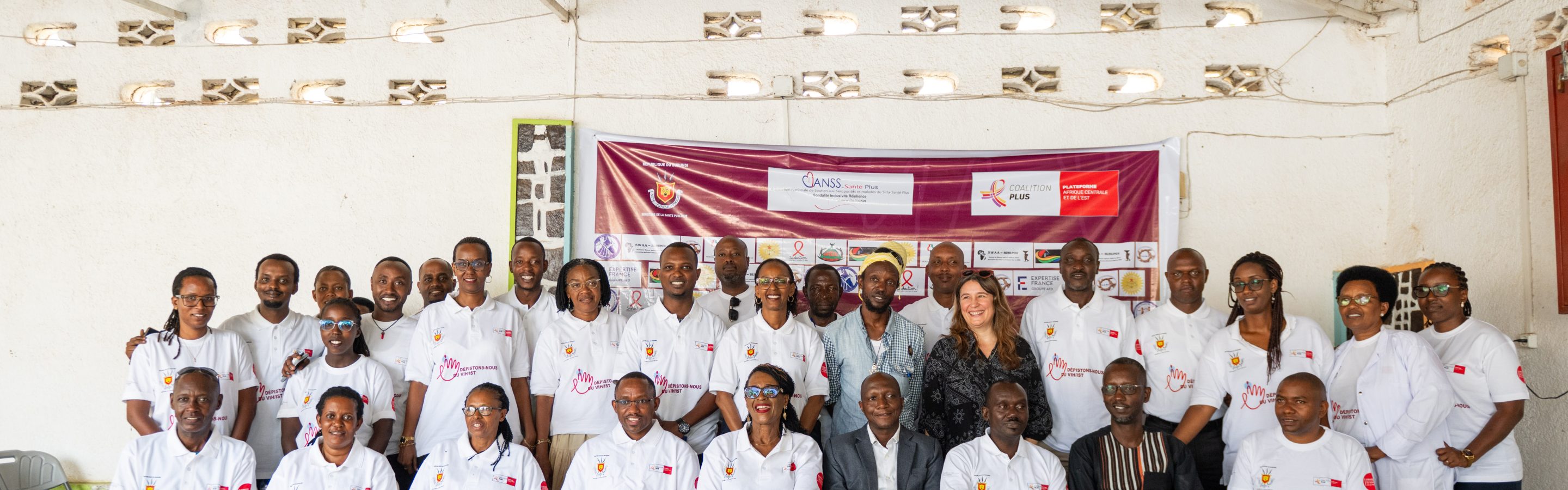
The visit began at the Turiho Center (“we are alive” in Kirundi), the first facility in Bujumbura to provide care and testing for people living with HIV (PLHIV), and which today follows more than 3,000 patients. This represents 50% of the entire active caseload of the National Association for the Support of Seropositive Persons and people living with AIDS (ANSS santé PLUS) — also supported by L’Initiative through the Success project, which focuses on cervical cancer prevention — whose activities we observed. On average, 120 people visit this welcoming and respectful space each day, with numbers rising to over 300 during the International Testing Week.

Some populations are particularly exposed to risk and are further marginalized or even criminalized for their practices or sexual orientation. For them, accessing healthcare without fear of denunciation is exceptional. This is notably the case for men who have sex with men (MSM), sex workers (SW), and people who inject drugs (PWID), who are 30 times more affected by HIV than the general population.

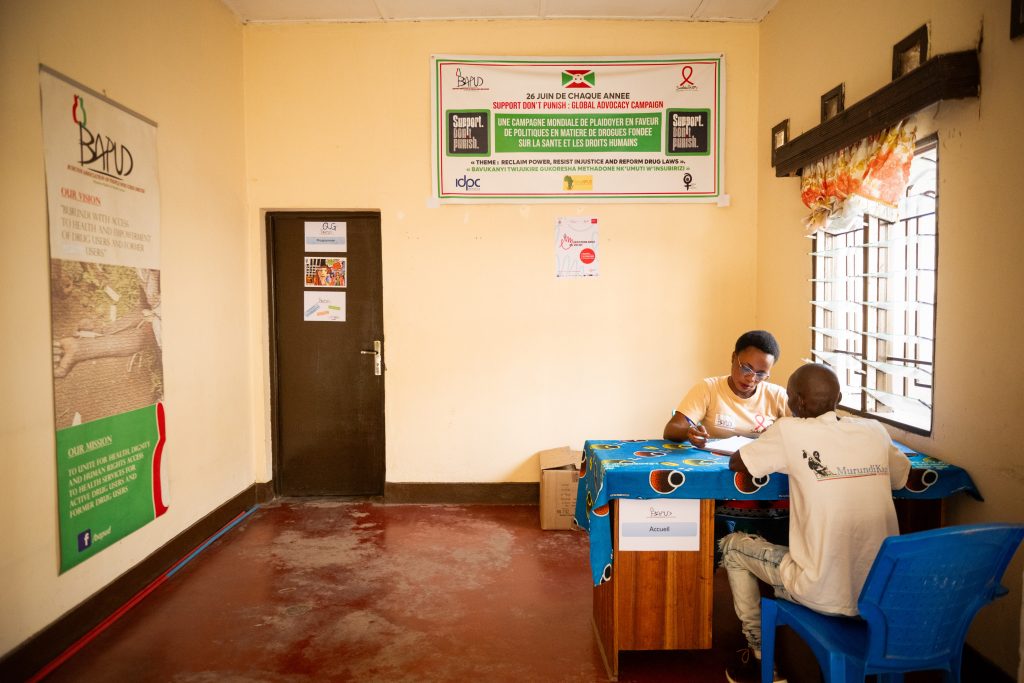
The community-based association BAPUD (Burundi Association of People Who Used Drugs), a partner of ITW, is dedicated to the latter group, offering services including opioid substitution therapy (OST). While 150 PWID currently benefit from this support, human needs collide with financial constraints: the waiting list already includes more than 300 additional people. The NGO Society for Women and AIDS in Africa (SWAA) — affiliated with a pan-African movement of women fighting HIV/AIDS — operates six antiretroviral therapy (ART) clinics and eight community sites, with a national active caseload of 4,200 PLHIV.
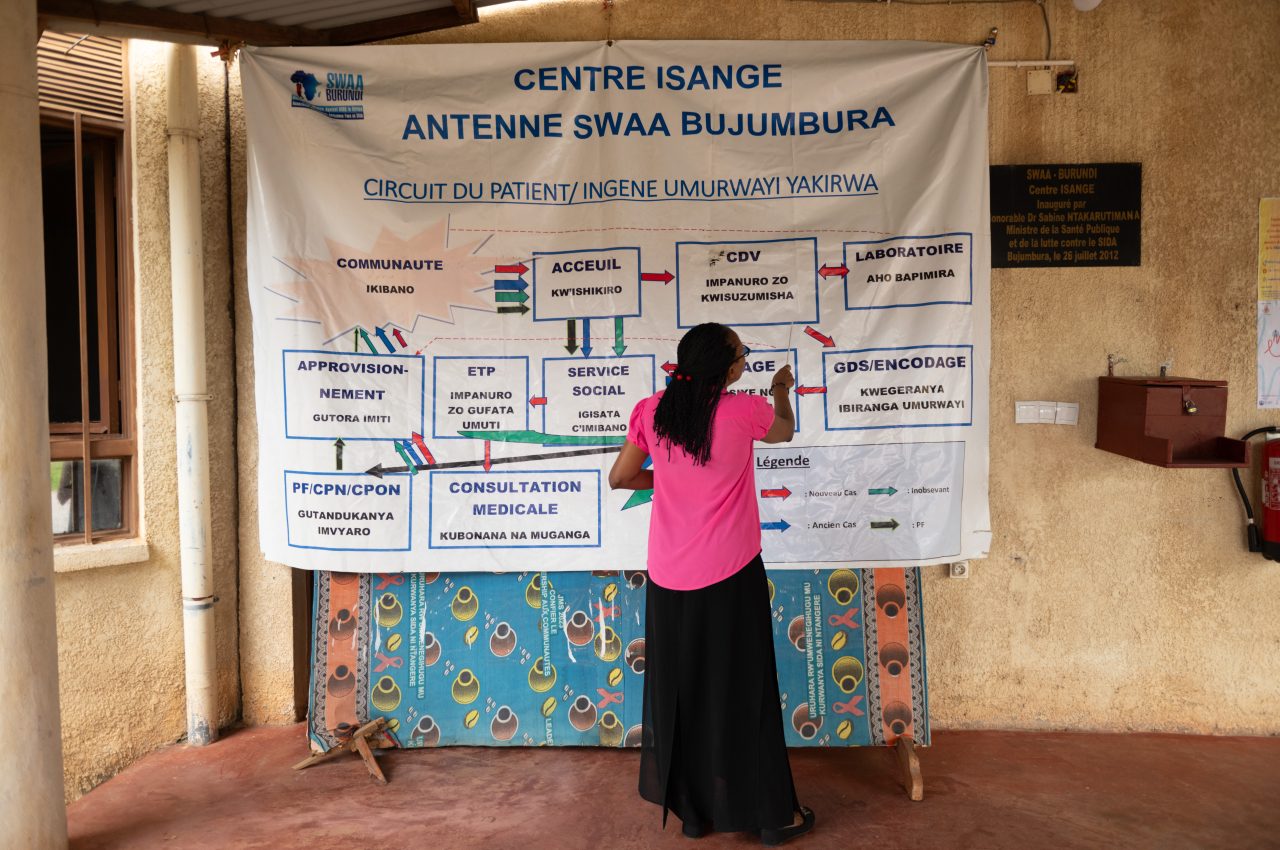
Burundi, le 19 novembre 2025 : Reportage pour Coalition Plus sur la prise en charge du VIH au Burundi. Visite de la clinique ARV Bujumbura de la SWAA Burundi, ONG de lutte contre le VIH/sida, affiliée à un mouvement panafricain de femmes pour la lutte contre le VIH/sida, la  SWAA – Internationale. 
Au Burundi, l’ONG compte 6 cliniques ARV et 8 sites communautaires avec une file active de 4200 personnes au niveau national dont 1 600 dans cette clinique. Ici, l’entrée de la clinique.
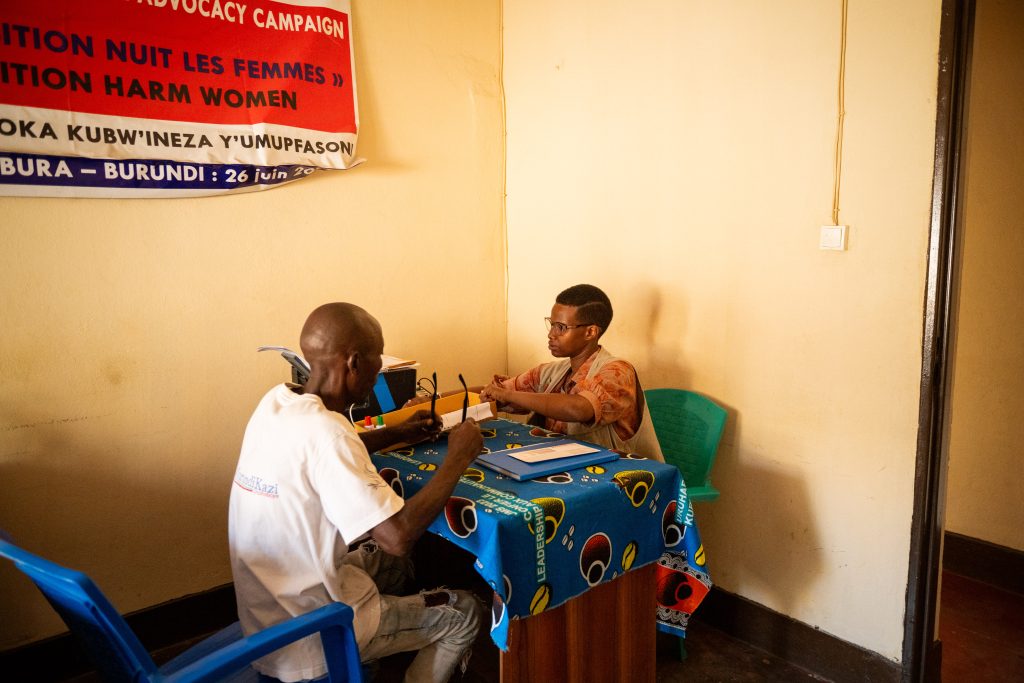
Sur l’image, la consultation avec Dia, psychologue et Denis, usager de drogue sous TSO (traitement de substitution aux opiacés) et aujourd’hui pair éducateur pour le centre.
Ici en présence de Isabelle, réceptionniste et Denis, usager de drogue sous TSO (traitement de substitution aux opiacés) et aujourd’hui pair éducateur pour le centre.
Reception area of the ART clinic run by the NGO SWAA in Bujumbura, Burundi. Then, immersion inside BAPUD. On the left, a consultation between Dia, psychologist, and Denis, a drug user on OST (opioid substitution therapy) and now a peer educator for the center. On the right, Denis speaks with Isabelle, the center’s receptionist.

In recent years, associations have had no choice but to drastically scale back their health services in Burundi, particularly due to budget cuts following the closure of the U.S. PEPFAR program and the end of USAID funding. Yet their work remains essential in this country of 12 million people which, despite significant progress, still has one person living with HIV out of every hundred, and a 12% rate of mother-to-child transmission (though none has been recorded at the Turiho Center in nearly seven years).
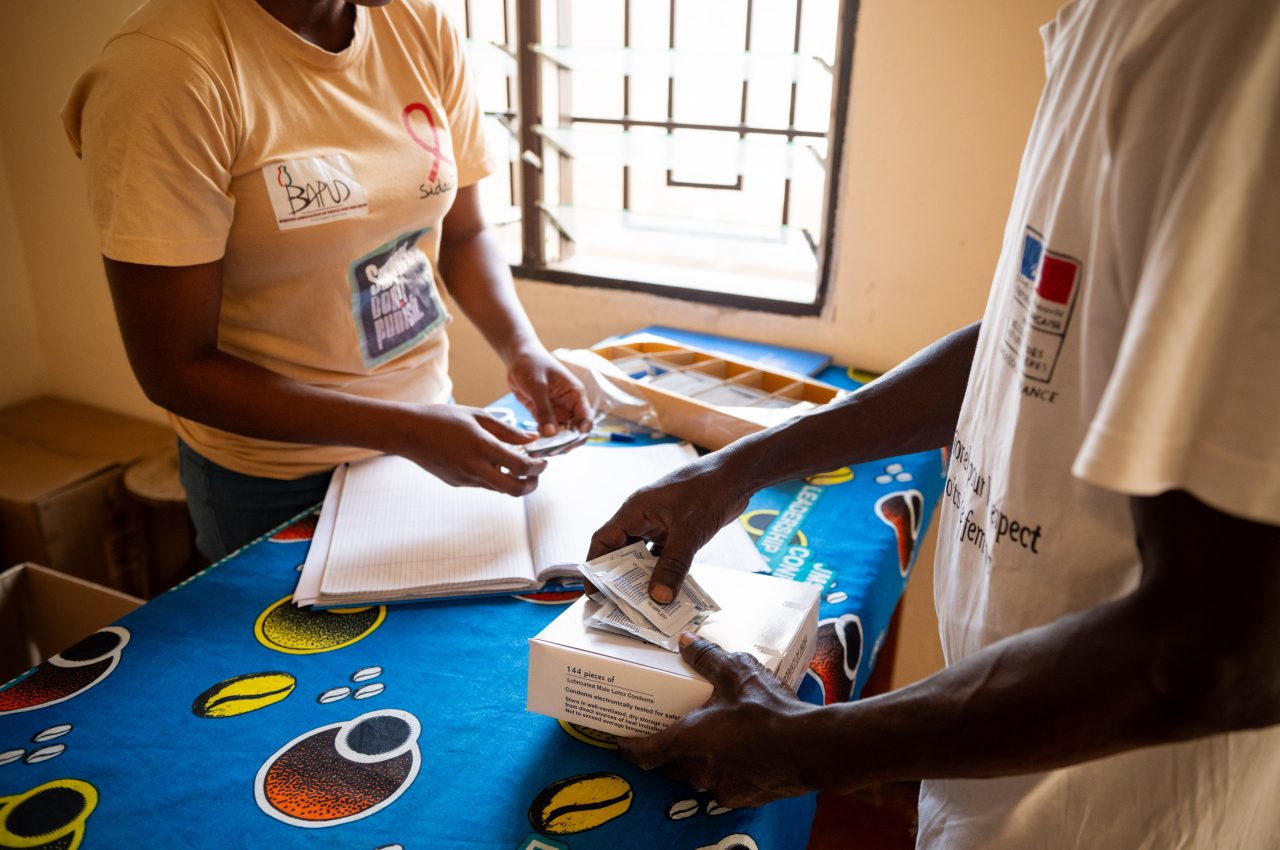
Bujumbura, Burundi, le 18 novembre 2025 : Reportage pour Coalition Plus sur la prise en charge du VIH au Burundi. Immersion au sein de BAPUD (Burundi Association of People who used drugs), association communautaire d’usagers de drogues. La file active de BAPUD est de 83 PVVIH, 150 UDI sous méthadone et liste d’attente de plus de 300 personnes. Sur l’image, distribution de préservatifs et gel à un pair éducateur du centre.
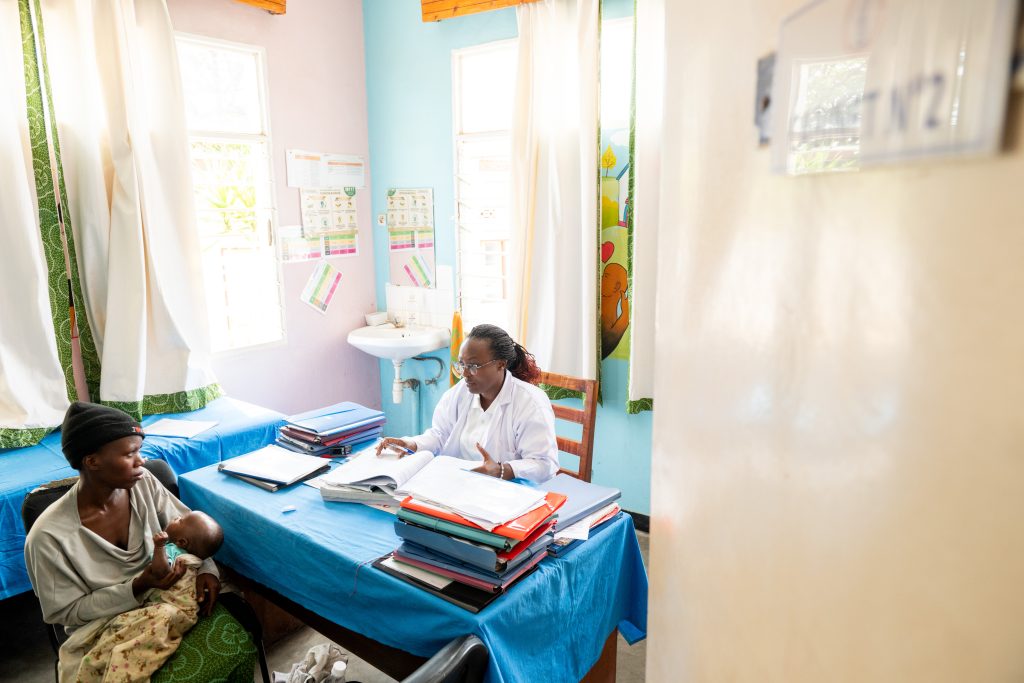
Consultation mère-enfant : avec Clelia, PVVIH de 23 ans et sa fille Bella, 5 mois en entretien avec la Docteur Evelyne Maniraho, médecin au centre depuis 2019.
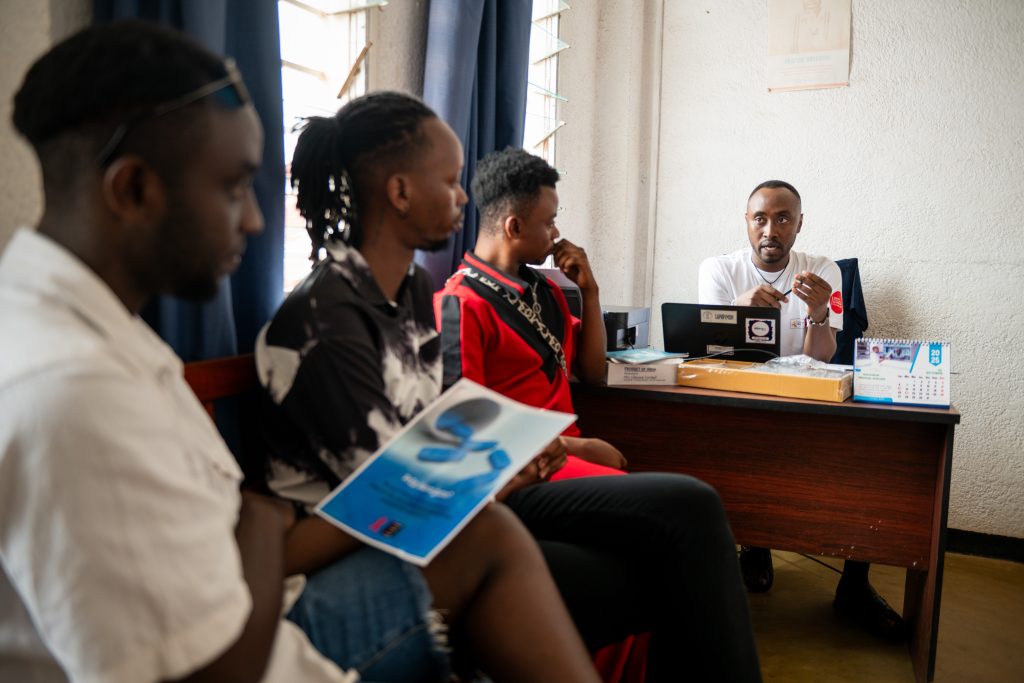
Bujumbura, Burundi, le 17 novembre 2025 : Reportage pour Coalition Plus sur la prise en charge du VIH au Burundi. Immersion auprès des équipes de l’Association Nationale de Soutien aux Séropositifs et malades du sida (ANSS santé PLUS) à l'antenne de Bujumbura centre Turiho. Sur l’image Thibaut, responsable du projet HSH assure une séance de sensibilisation communautaire. Il s’entretient avec (de G.à D.) Dacosta, 29 ans, Alvin, 27 ans et Lavy, 27 ans sur la PrEP.
At BAPUD in Bujumbura, distribution of condoms and lubricant to a peer educator from the center. In this association dedicated to supporting people who inject drugs, the active caseload includes 83 PLHIV, 150 PWID on methadone, and a waiting list of more than 300 people. In the two photos below, immersion with the teams of the National Association for the Support of Seropositive Persons and people living with AIDS (ANSS santé PLUS). On the left, Clélia, a 23-year-old woman living with HIV, and her 5-month-old daughter Bella attend a mother-and-child consultation with Dr Evelyne Maniraho at the Turiho Center (Bujumbura). On the right, Thibaut, manager of the MSM project, conducts a community awareness session. He speaks with (from left to right) Dacosta (29), Alvin (27), and Lavy (27) about PrEP.

Beyond screening, ITW mobilizes efforts around prevention and holistic support, not only for PLHIV but also for vulnerable patients. In 2024, 76 associations from 46 countries participated in the event, collectively testing nearly 85,000 people. Among them: 29% were sex workers, 23% men who have sex with men, 7.5% migrants, 5.5% PWID, and 3.8% incarcerated individuals. Of those who tested HIV-positive, 73% were referred to appropriate care structures.

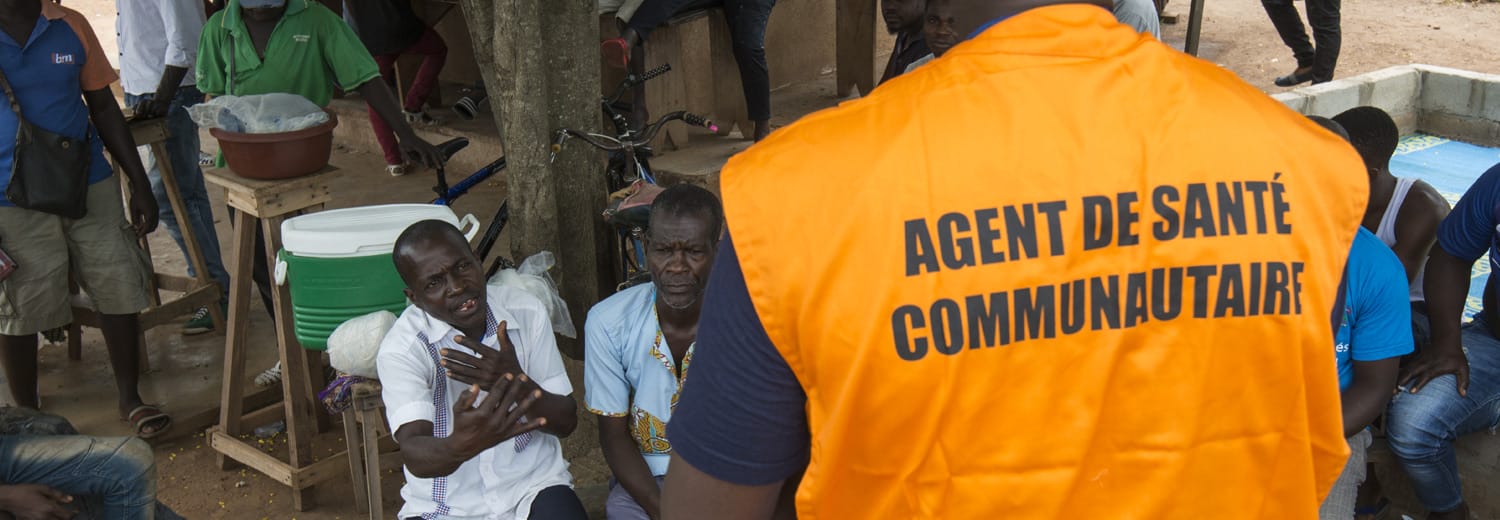
Within partner associations that make ITW a success, peer educators — trusted actors within hard-to-reach communities and part of those very communities themselves — maintain fragile links that sometimes hang by a thread due to insufficient resources.

As key contributors to community-based health services, they provide confidential and secure testing in a welcoming, non-judgmental environment. By multiplying access points — health centers, outreach activities, and self-testing — community-based action promotes early detection of STIs including HIV, hepatitis, and precancerous lesions. This represents a critical preventive measure, as women living with HIV are six times more likely to develop cervical cancer. Thanks to peer educators, beneficiaries receive appropriate care, helping to reduce transmission.
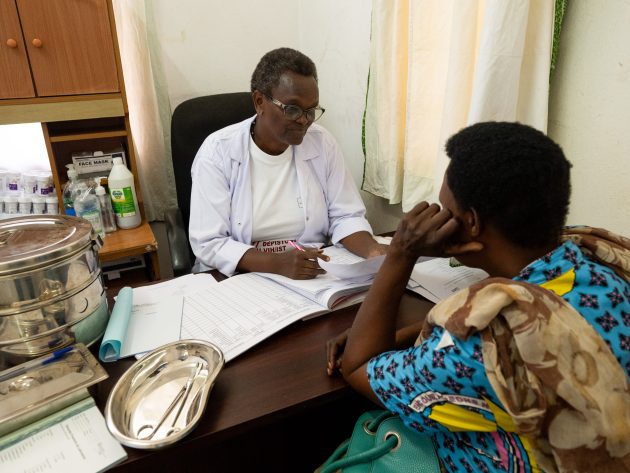
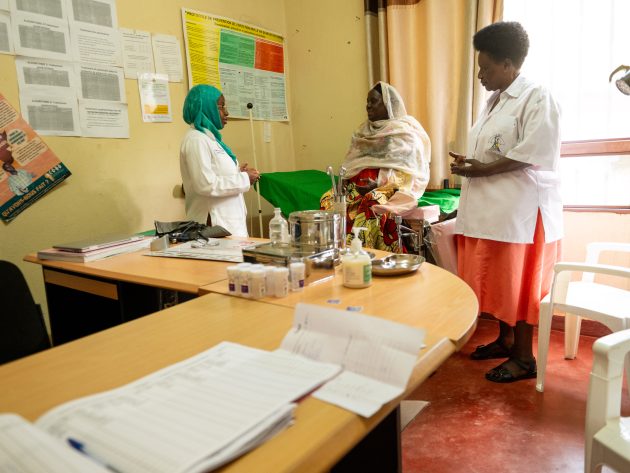
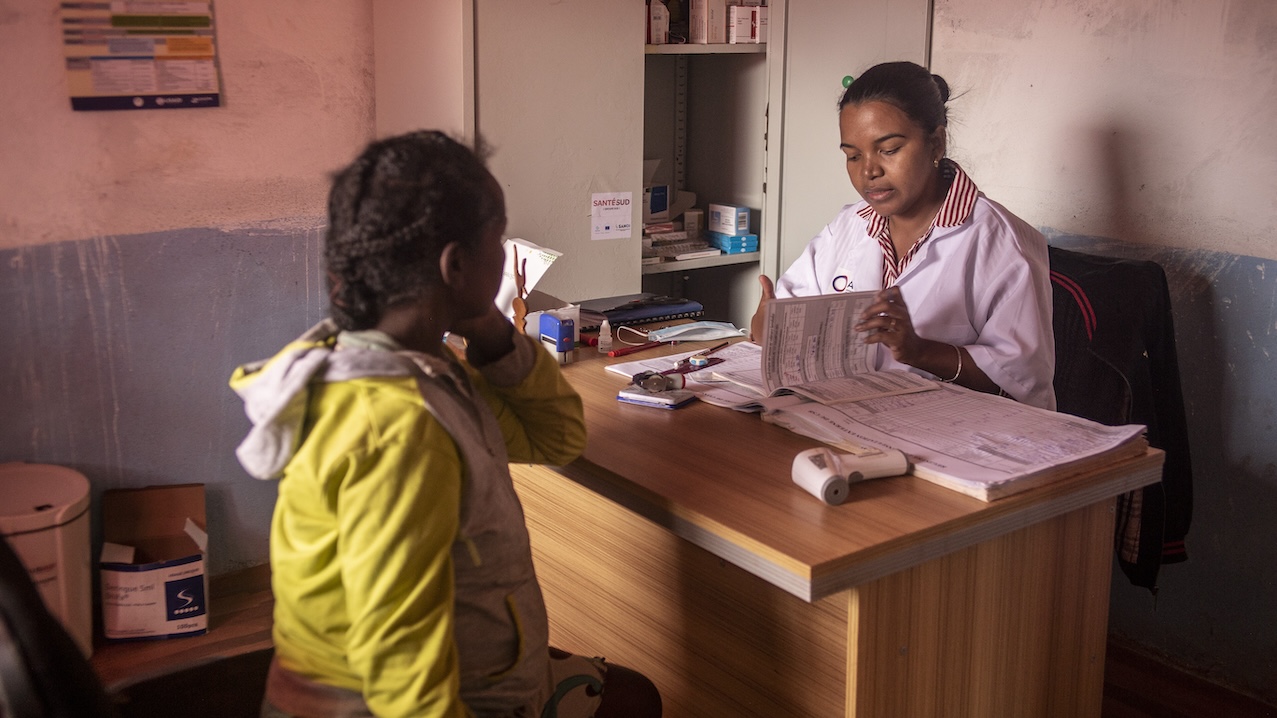
Bujumbura, Burundi, le 17 novembre 2025 : Reportage pour Coalition Plus sur la prise en charge du VIH au Burundi. Immersion auprès des équipes de l'Association Nationale de Soutien aux Séropositifs et malades du sida (ANSS santé PLUS) à l'antenne de Bujumbura centre Turiho. Sur l'image, Christine, infirmière, est chargée du dépistage des lésions pré cancereuses du col de l'utérus, ici avec une patiente en entretien. C’est un acte de prévention déterminant car les femmes vivant avec le VIH ont 6 fois plus de risque de développer un cancer du col de l’utérus.
Bujumbura, Burundi, le 19 novembre 2025 : Reportage pour Coalition Plus sur la prise en charge du VIH au Burundi. Visite de la clinique ARV Bujumbura de la SWAA Burundi, ONG de lutte contre le VIH/sida, affiliée à un mouvement panafricain de femmes pour la lutte contre le VIH/sida, la  SWAA – Internationale. 
Au Burundi, l’ONG compte 6 cliniques ARV et 8 sites communautaires avec une file active de 4200 PVVIH au niveau national dont 1 600 dans cette clinique.
Sur l’image une consultation de dépistage des lésions pré cancereuses du col de l'utérus avec Speciose, bénéficiaire du centre. C’est un acte de prévention déterminant car les femmes vivant avec le VIH ont 6 fois plus de risque de développer un cancer du col de l’utérus.
Immersion in Bujumbura with the teams of the National Association for the Support of Seropositive Persons and people living with AIDS (ANSS santé PLUS) at the Turiho Center (left) and at the ART clinic of the NGO SWAA (right). Christine, a nurse at the Turiho Center, carries out screening for precancerous cervical lesions, here during an appointment with a patient. On the right, a screening consultation for these lesions is also conducted by SWAA.

Mental health is also integrated into the care offer, with psychosocial support aimed at tackling isolation and discrimination. Stigma — which manifests as psychological and physical violence — has genuine health consequences. Billy, a young PLHIV activist from the Grandir Ensemble network, is a witness to this reality. His HIV status was only disclosed to him as a teenager, and he kept it secret until beginning university. He then committed himself to preventing others from facing the same stigma, becoming a peer educator to encourage testing and support young people learning about their HIV status.

La Maison de la joie, meanwhile, shelters children orphaned by AIDS who are themselves living with HIV — such as Prince, born to a mother who was a sex worker. The association provides structure, access to medication, and a community built on solidarity and sharing for children who might otherwise face marginalization and life-threatening conditions. It gives them a future.
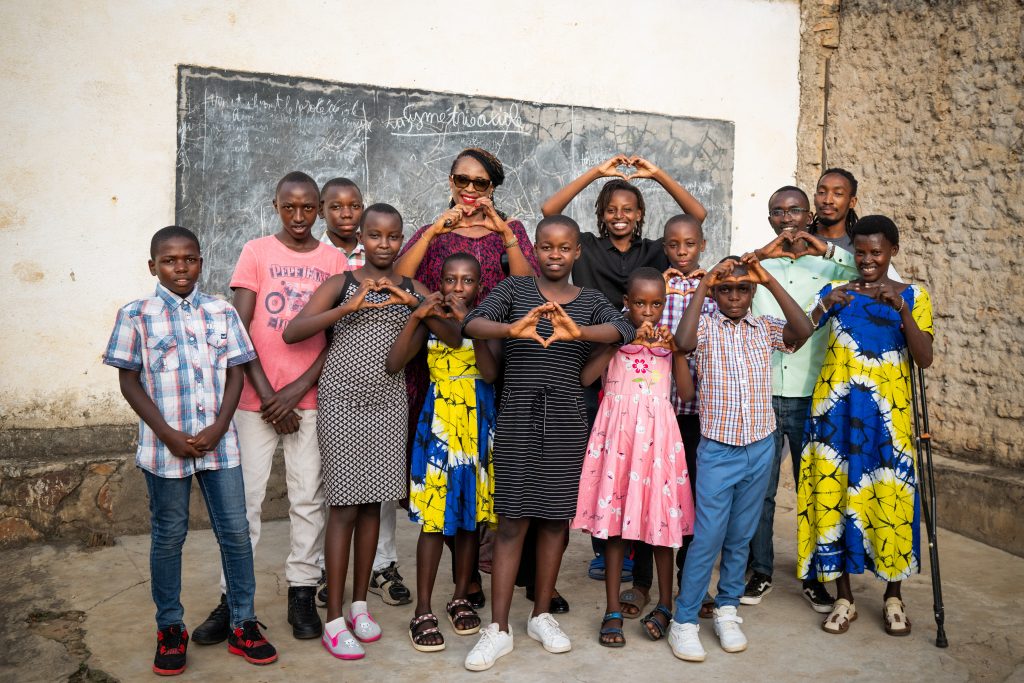
Bujumbura, Burundi, le 17 novembre 2025 : Reportage pour Coalition Plus sur la prise en charge du VIH au Burundi. Immersion à la Maison de la joie qui accueille actuellement 9 orphelins du sida, eux aussi porteurs du VIH. Pour la venue de Jeanne Gapiya Niyonzima, d’anciens pensionnaires de l’orphelinat sont revenus pour la saluer. Sur l’image une photo de groupe.
Immersion at the Maison de la joie in Bujumbura, which currently hosts nine AIDS orphans, all of whom are also living with HIV. Former residents of the orphanage returned to greet Jeanne Gapiya Niyonzima, who founded ANSS Santé PLUS to support PLHIV.
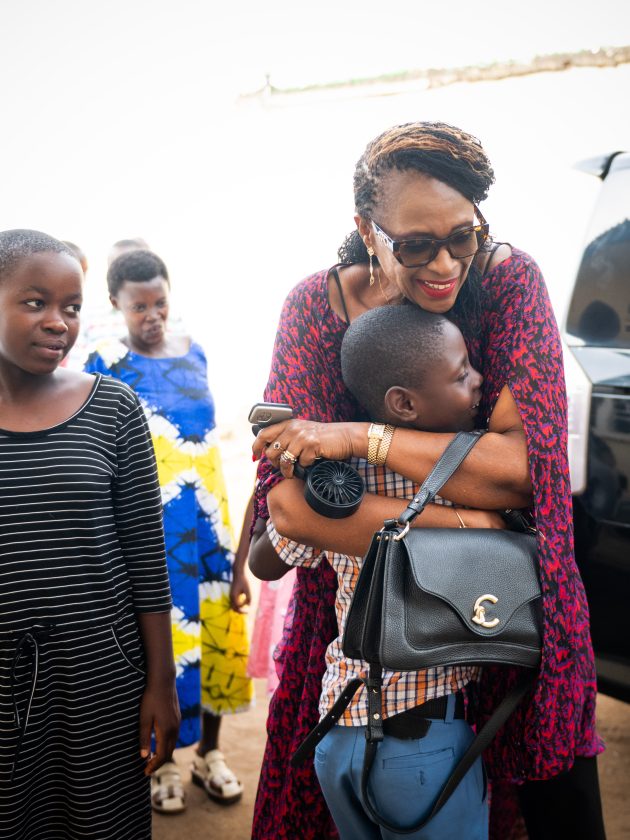
Bujumbura, Burundi, le 17 novembre 2025 : Reportage pour Coalition Plus sur la prise en charge du VIH au Burundi. Immersion à la Maison de la joie qui accueille actuellement 9 orphelins du sida, eux aussi porteurs du VIH. Pour la venue de Jeanne Gapiya Niyonzima d’anciens pensionnaires de l’orphelinat sont revenus pour la saluer. 
Sur l’image Jeanne étreint Prince lors de son arrivée à la maison. Né d’une mère travailleuse du sexe, Prince est porteur du virus et a été recueilli en 2016.
Bujumbura, Burundi, le 18 novembre 2025 : Reportage pour Coalition Plus sur la prise en charge du VIH au Burundi. Immersion auprès des équipes de l'Association Nationale de Soutien 

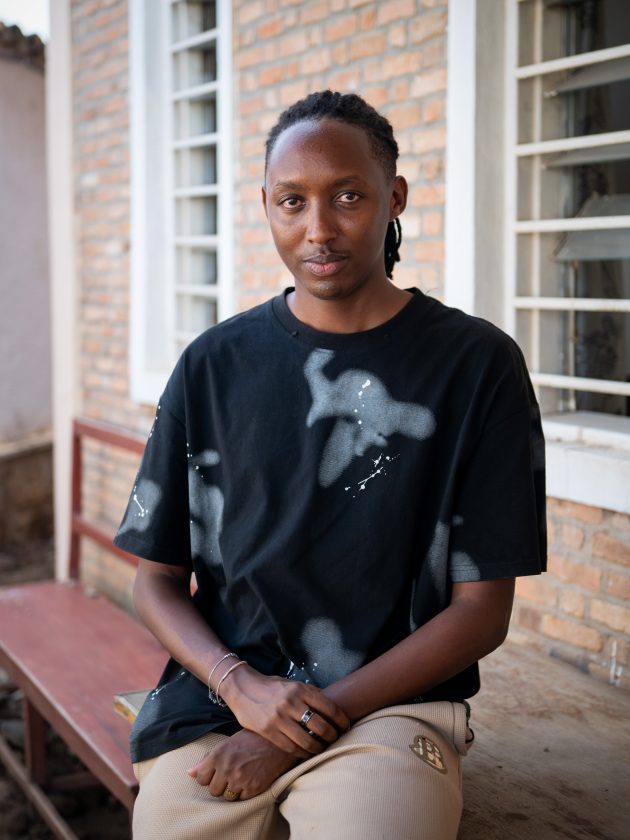
aux Séropositifs et malades du sida (ANSS santé PLUS) à l'antenne de Bujumbura centre Turiho. Sur l’image Billy Cielot Izere, jeune activiste PVVIH du réseau Grandir Ensemble nous raconte sa vie avec le VIH. Sa séropositivité ne lui a été révélée qu’à l’adolescence et ce statut sérologique lui a fait honte et il l’a dissimulé jusqu’au moment où il a commencé ses études supérieures. Il s’est alors investi en tant que pair éducateur auprès des jeunes, pour lutter contre les discriminations, encourager le dépistage et épauler les jeunes qui découvrent leur séropositivité.
On the left, Jeanne embraces Prince, a child taken in in 2016, born to a mother who was a sex worker and living with HIV. On the right, Billy, a young HIV-positive activist who became a peer educator with the Grandir Ensemble network.

This approach, centered on community health as an essential complement to traditional health systems, lies at the heart of Coalition PLUS’s work. It is also the guiding objective of Access Health 2, which aims to strengthen community health system capacities and to influence public health policy by fully recognizing the role of peer education.

For this reason, the network strongly invests in advocacy for better access to care (availability of supplies, testing, and treatment). To this end, evidence from their activities is analyzed and shared to mobilize opinion leaders, decision-makers, health professionals, and institutional partners in the fight against HIV.
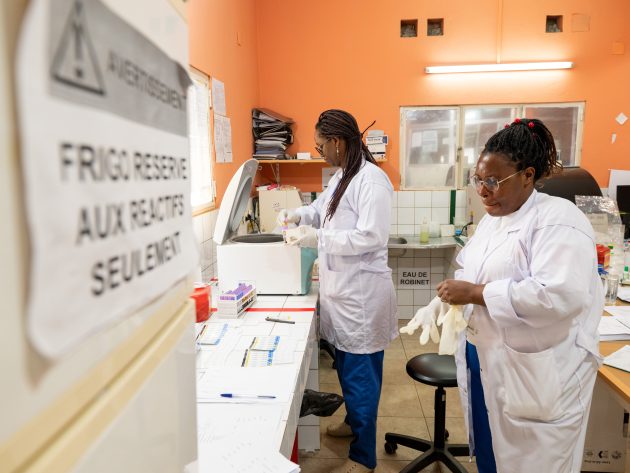
Bujumbura, Burundi, le 17 novembre 2025 : Reportage pour Coalition Plus sur la prise en charge du VIH au Burundi. Immersion auprès des équipes de l'Association Nationale de Soutien aux Séropositifs et malades du sida (ANSS santé PLUS) à l'antenne de Bujumbura centre Turiho. Sur l’image, le laboratoire avec Inès et Célénie, laborantines. Les prélèvements à analyser affluent en raison de la Semaine Internationale du Dépistage (VIH, hépatites, syphilis).
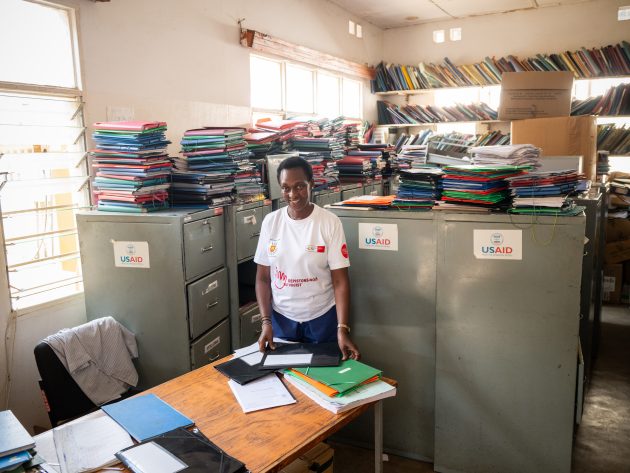
Bujumbura, Burundi, le 17 novembre 2025 : Reportage pour Coalition Plus sur la prise en charge du VIH au Burundi. Immersion auprès des équipes de l'Association Nationale de Soutien aux Séropositifs et malades du sida (ANSS santé PLUS) à l'antenne de Bujumbura centre Turiho. Sur l’image, Nadine, responsable de l’encodage des données.
In Bujumbura, the ANSS santé PLUS teams are hard at work inside the Turiho Center laboratory. On the left, Inès and Célénie analyze the many samples arriving due to the International Testing Week. On the right, Nadine, responsible for data entry.

Reduced development aid contributions are being felt across many low- and middle-income countries. A recent blow came from the latest replenishment of the Global Fund to Fight AIDS, Tuberculosis and Malaria, which raised less funding than expected and now must scale back its support for the coming three-year cycle.

Testing centers are closing, vital services are interrupted, and health workers — including peer educators — are losing their jobs. Behind these statistics lie human lives. People already among the most vulnerable are stripped of essential care and protection. Such discrimination and service cuts pave the way for pandemics that know no borders.
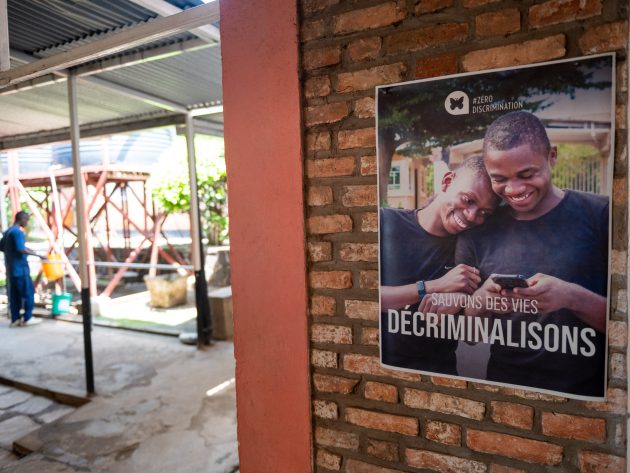
Bujumbura, Burundi, le 18 novembre 2025 : Reportage pour Coalition Plus sur la prise en charge du VIH au Burundi. Immersion auprès des équipes de l'Association Nationale de Soutien aux Séropositifs et malades du sida (ANSS santé PLUS) à l'antenne de Bujumbura centre Turiho. Une affiche qui alerte contre les discriminations envers les personnes LGBTQI+
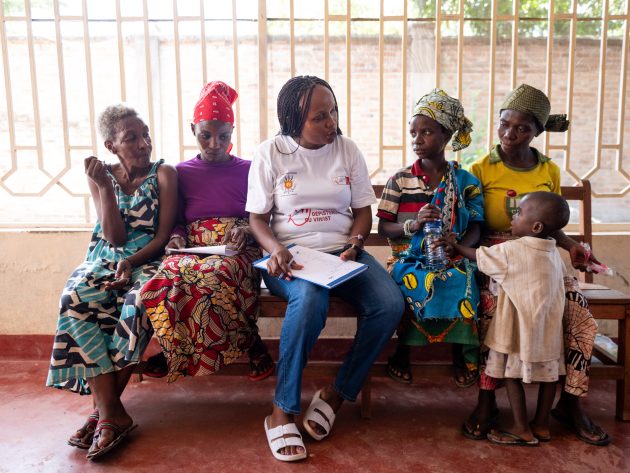
Bujumbura, Burundi, le 18 novembre 2025 : Reportage pour Coalition Plus sur la prise en charge du VIH au Burundi. Immersion dans l’ONG RNJ+ (Réseau National des jeunes vivant avec le VIH) à l’occasion de la 6e Semaine Internationale du Dépistage.
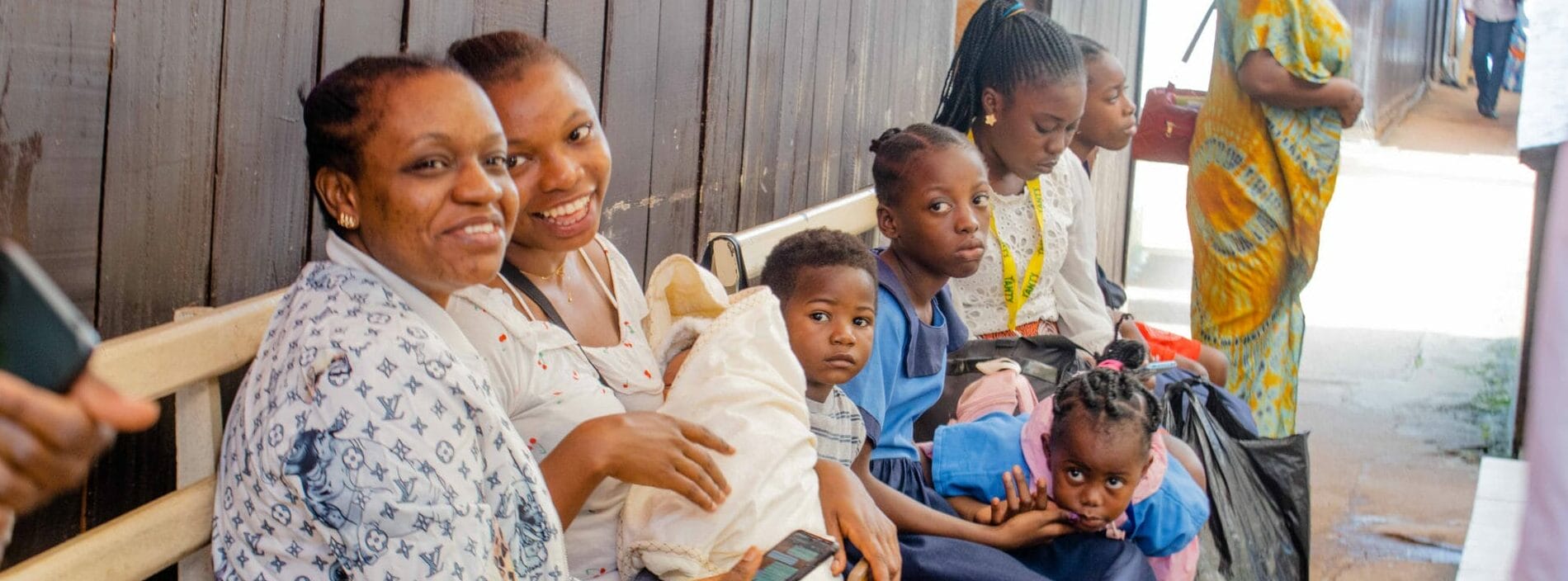
In Bujumbura, at the Turiho Center of ANSS santé PLUS, a poster raises awareness about discrimination against LGBTQI+ people. On the right, regular users from the Batwa community — an Indigenous population of Central Africa facing strong discrimination in Burundi — come to pick up their treatment but also to rest or wash at the RNJ+ (National Network of Young People Living with HIV) center.

Yet efforts such as those of ITW — much like the Access Health 2 project — in testing, treatment adherence, recovery where possible, and promoting positive health behaviors, consistently deliver compelling measurable results. Reduced infections, morbidity, and mortality, along with improved quality of life, all demonstrate the effectiveness of investments in global health.

Financing a comprehensive, accessible, and equitable care offer for all — including community-based services to reach the most exposed populations — is not an expense but a cost-effective choice. It is an investment that enables earlier diagnosis, reduces transmission, and alleviates pressure on health systems. In both the Global South and the Global North, investing in health means saving by prioritizing prevention rather than emergency response.

Read the 2024 ITW Impact Report

Discover the data behind the International Testing Week (ITW), coordinated by Coalition PLUS. Each year in November, this week intensifies the health initiatives carried out throughout the year.
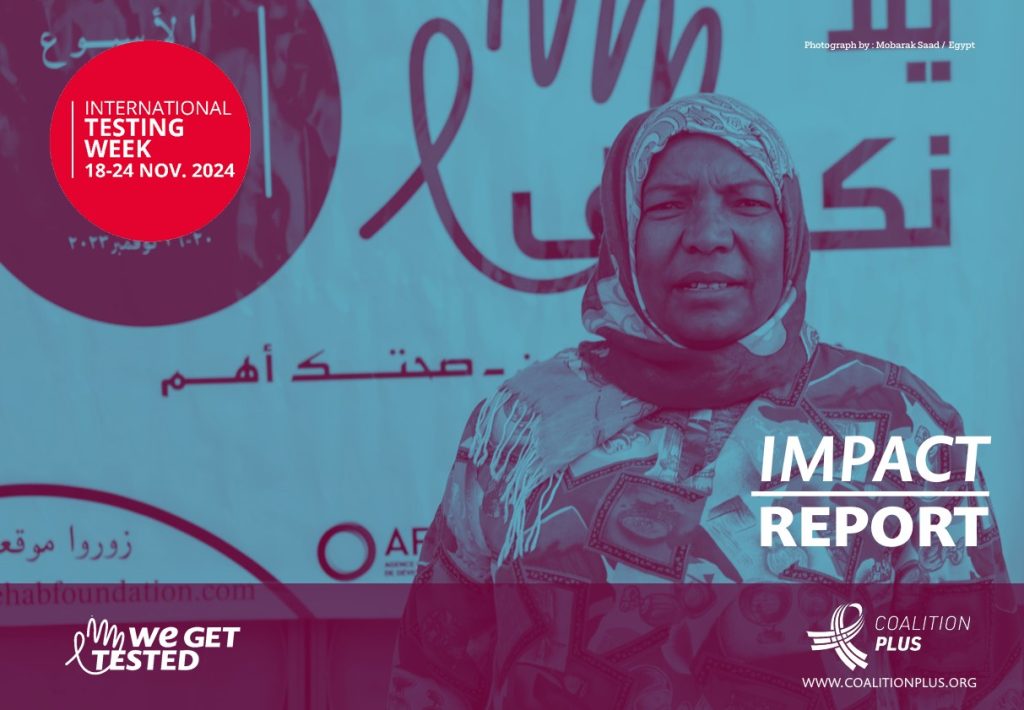
Cover Impact Report International Testing Week (itw) 2024 Coalition Plus

Photos of the report : © Benjamin Girette for Coalition PLUS
Advocacy Cancer du col de l’utérus Coalition Plus Community advocacy Community health Community-based testing Men who have sex with men People who inject drugs (PWID) Prevention and testing Sex workers Vulnerable populations