
Empowerment and women’s leadership are transforming care — L’Initiative’s SOFIA support
SOFIA is L’Initiative’s mechanism that supports the scaling up of mid-sized civil society organisations that help strengthen the fight against pandemics. Among the organisations supported, Solidarité Féminine focuses on women living with HIV in Djibouti, and Association Solidarité advocates for sex workers in Benin. Medina Mohamed, president of Solidarité Féminine, and Yvette, treasurer and activist at Association Solidarité, report the same finding: empowerment and women’s leadership transform prevention and access to care.
Who are you and what is your organisation’s primary mission?
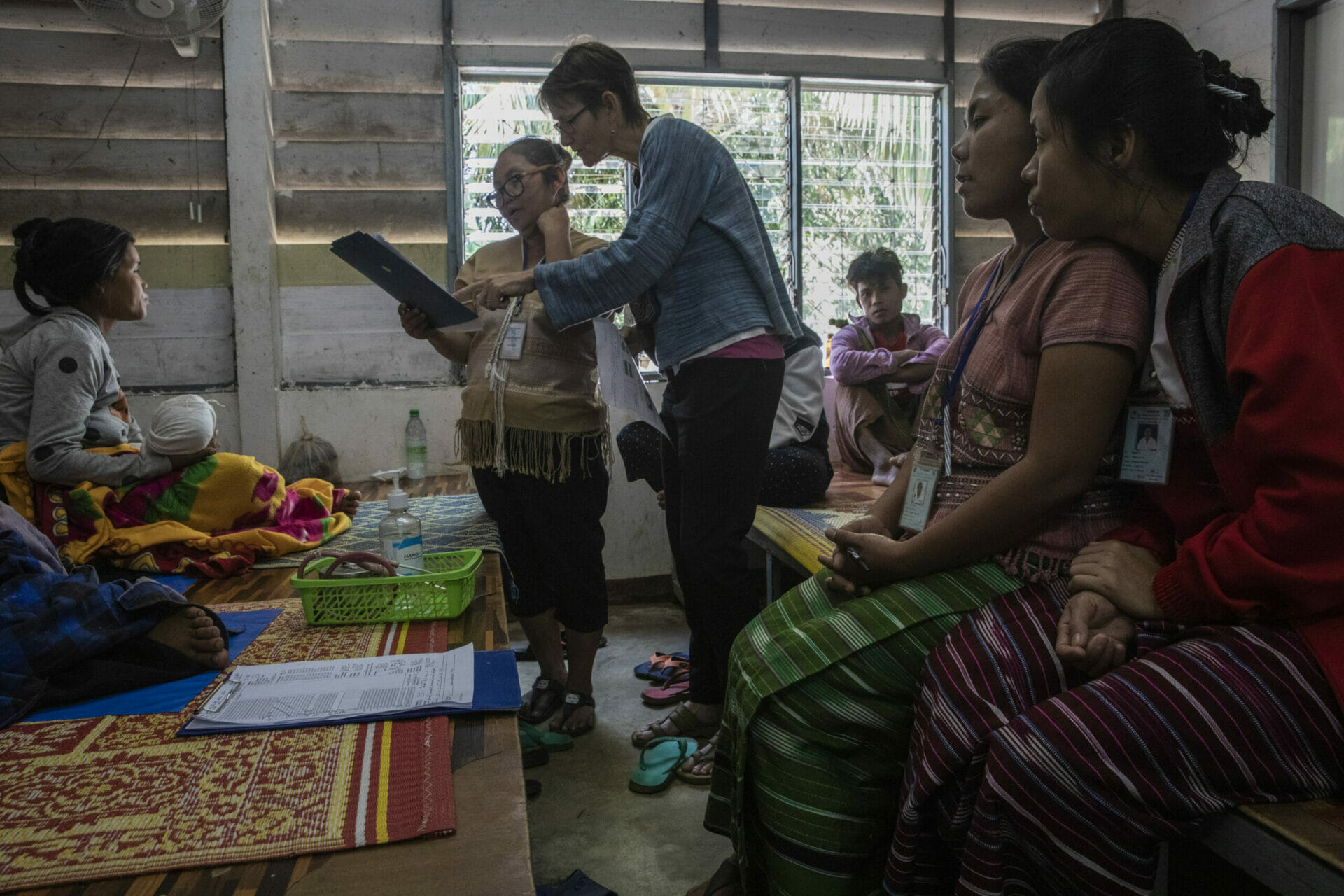
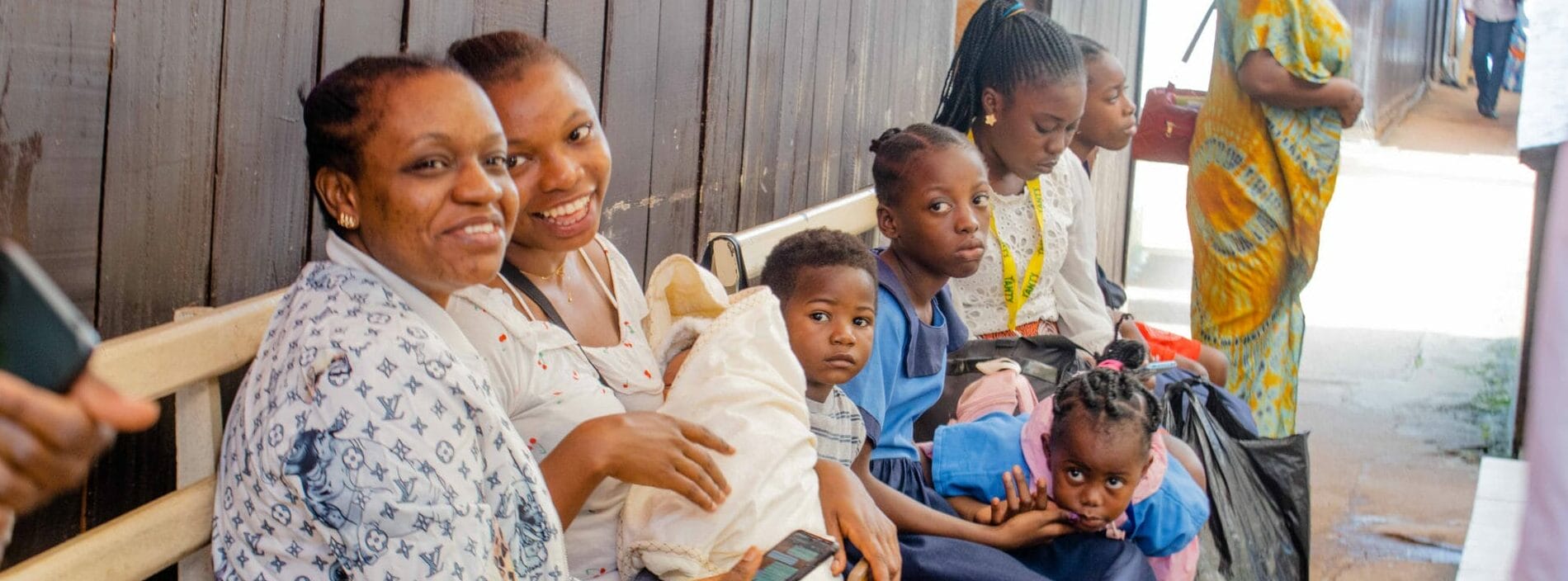
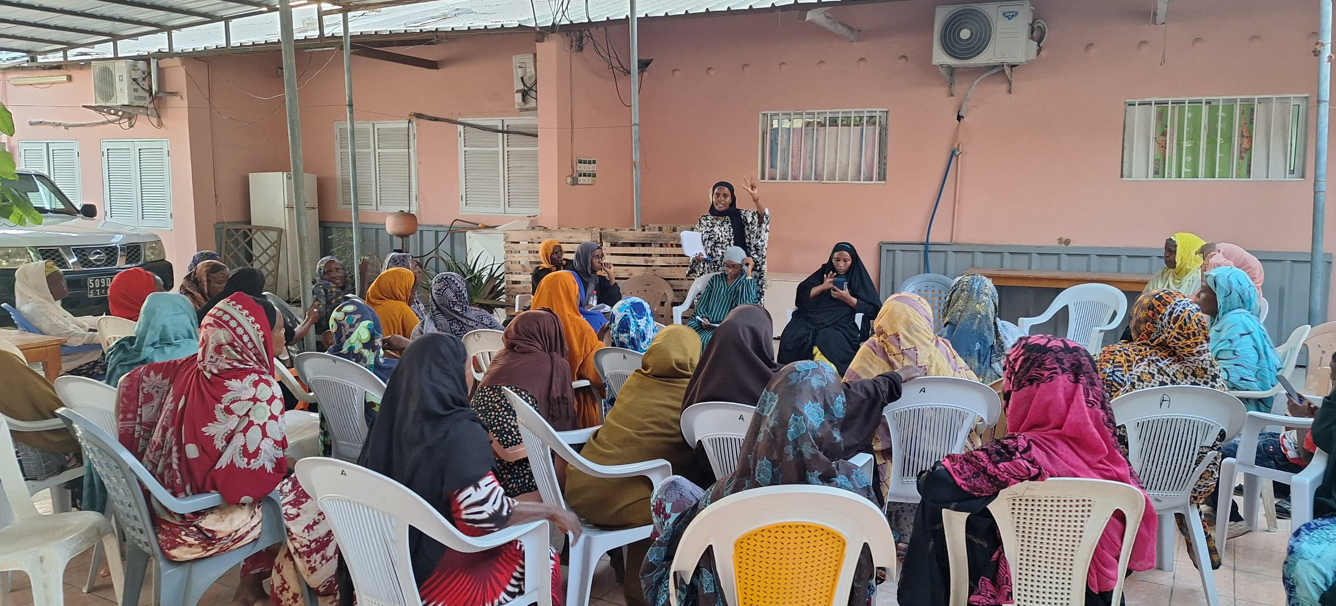
Medina Mohamed: I’m Medina. I worked for 38 years in banking and initially joined Solidarité Féminine in 1998 as a volunteer. Today I supervise logistics and nutritional support for mothers living with HIV: distribution of milk/infant formula, hygiene kits, weigh-ins and monitoring of health booklets. But our work also means listening, reassuring people and identifying psychosocial needs — sometimes we are the only helping hand those mothers have. These simple acts can lead to major changes — a mother leaving the street, another finding housing — and restore dignity.
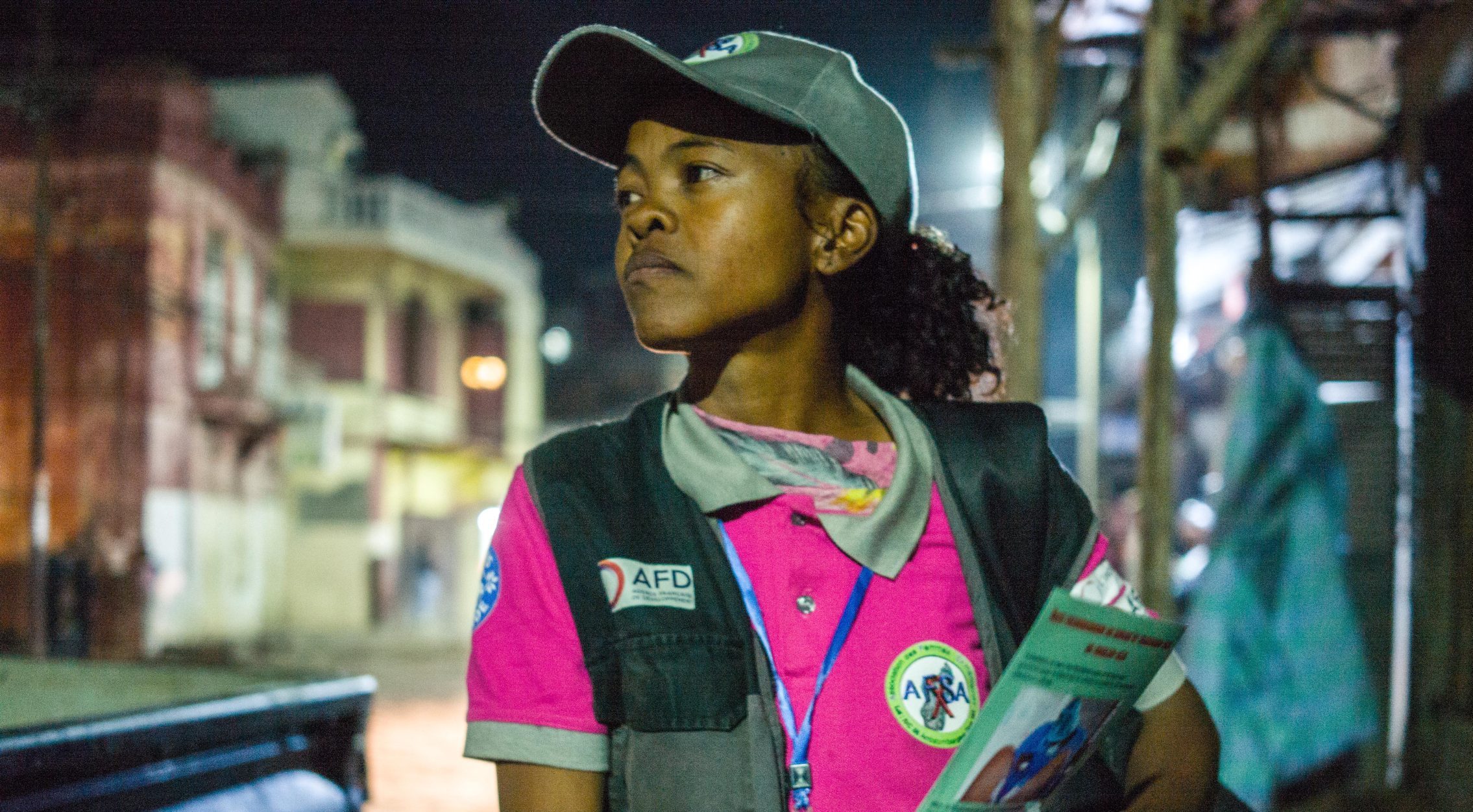
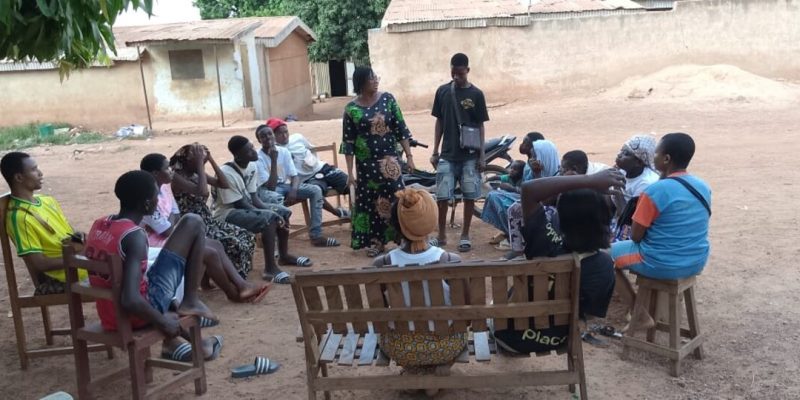
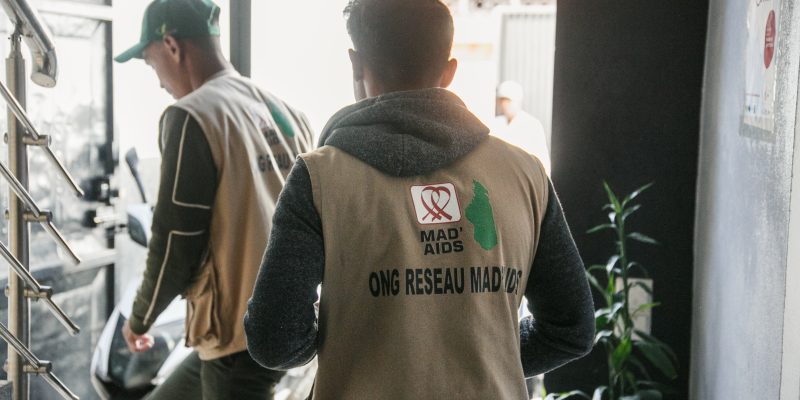
Yvette: I’m Yvette. I used to be a sex worker and later became a peer educator. Together with my colleagues, we decided to organize to claim our rights and set up concrete responses such as testing, care, legal and psychosocial support. That is how Association Solidarité was set up. I now coordinate outreach rounds, manage the emergency fund and ensure the protection and referral of survivors of violence.
What has L’Initiative’s SOFIA support concretely brought you?
Yvette: L’Initiative provided decisive financial and technical support. This enabled the creation of an emergency fund: without it, many of our beneficiaries would have been left without care after an assault or a complicated pregnancy, for example. We bought equipment, updated our bylaws, and started mapping the sites where sex work takes place. This support professionalised our work and strengthened our credibility with health actors: today we are accountable and that opens doors.
Medina Mohamed: For us too, SOFIA’s support strengthened our organisation and therefore our actions: the capacity to manage stocks, organize regular purchases, produce reports and track expenditure. This management support makes sustainable actions possible, such as regular distribution of milk/infant formula, building buffer stocks and better planning of activities.
How does women’s leadership change things?
Medina Mohamed: Within our activities, women’s leadership creates essential spaces of trust. Mothers sometimes confide stories of violence or rejection — and it is through those testimonies that we can offer care. Our well-being workshops — facial care, henna activities or manicure sessions — show how restoring dignity influences health.
Yvette: Our peer educators know the terrain: they know how to negotiate with a client, spot danger, and persuade a colleague to get tested for HIV or STIs. Leadership comes from lived experience: when a colleague speaks, people listen. It is from that strength that we build our advocacy towards the authorities.
What challenges remain, and what priorities do you identify to go further?
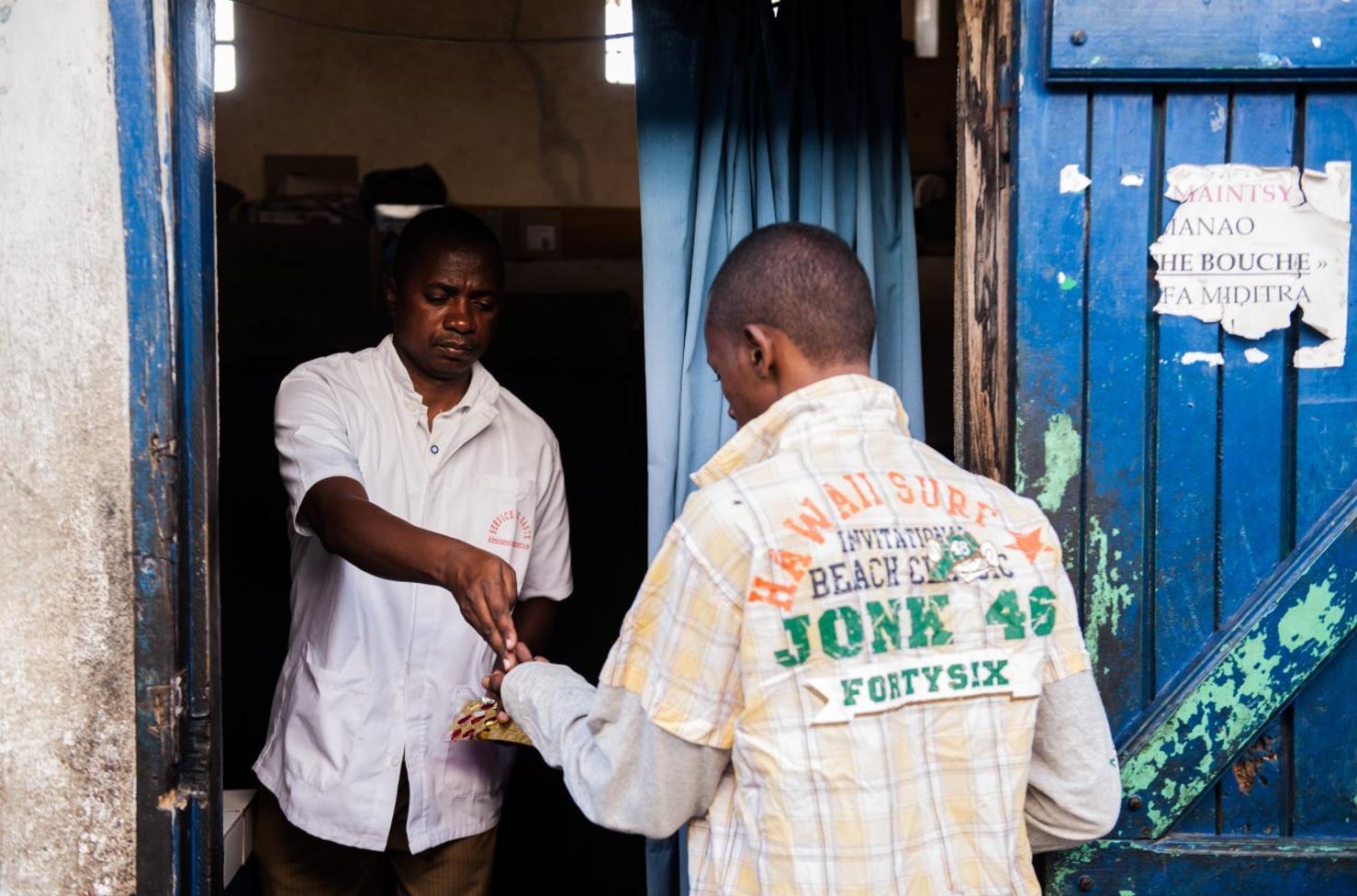
Yvette: The safety of night outreach, insufficient access to commodities (condoms, tests), and gaps in digital and accounting management are significant obstacles. Technical support remains essential: we need support to sustain our actions.
Medina Mohamed: Only with sustained support will we be able to provide comprehensive care for these mothers, these children, these lives. Microcredit, schooling for children and training are levers to move people out of precarity for good. Funding and recognising women-led civil society organisations, by women and for women, strengthens prevention, health and the dignity of whole communities.