

More than ever, continuing the global response to tuberculosis
Tuberculosis is the single-agent infectious disease that caused the most deaths worldwide and remains among the top 10 causes of mortality globally. In total, 1.23 million people died of tuberculosis in 2024, including 150,000 living with HIV. Isolated populations, hard to detect pediatric forms, and the spread of multidrug-resistant strains — tuberculosis presents many major challenges that L’Initiative – Expertise France is helping to address. Despite a very difficult international and financial context, this overview highlights the actions supported by L’Initiative, their operational results, as well as innovations and field experience.
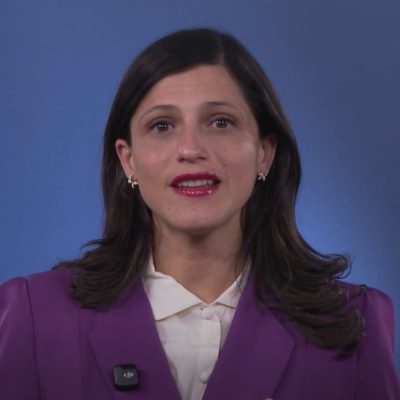
“Tuberculosis is a curable disease, but it is underdiagnosed. Because of insufficient screening and the growing problem of antibiotic resistance, tuberculosis remains the leading infectious cause of death in the world. The figures are staggering: in 2024, more than 10 million infections and, sadly, 1.2 million deaths.
Faced with the disease, France is responding. We must intensify this screening and treatment work, particularly among marginalised populations. That is why our country is committed, in addition to the Global Fund, through L’Initiative, led by Expertise France, with the same approach as ever: empowering our partners and enabling them to strengthen their health systems sustainably at local level.
To end tuberculosis, we need strong public policies, backed by sustainable funding, and full mobilisation of frontline actors.”

€52 million
committed by L’Initiative to finance ongoing interventions with at least one tuberculosis component

52 ongoing interventions
(projects and technical assistance) include at least one tuberculosis component

4,562 tuberculosis cases
were notified in 2025 thanks to ongoing projects, an increase of 32% compared with the previous year
For sustainable action, training to innovate: investing in research for the response
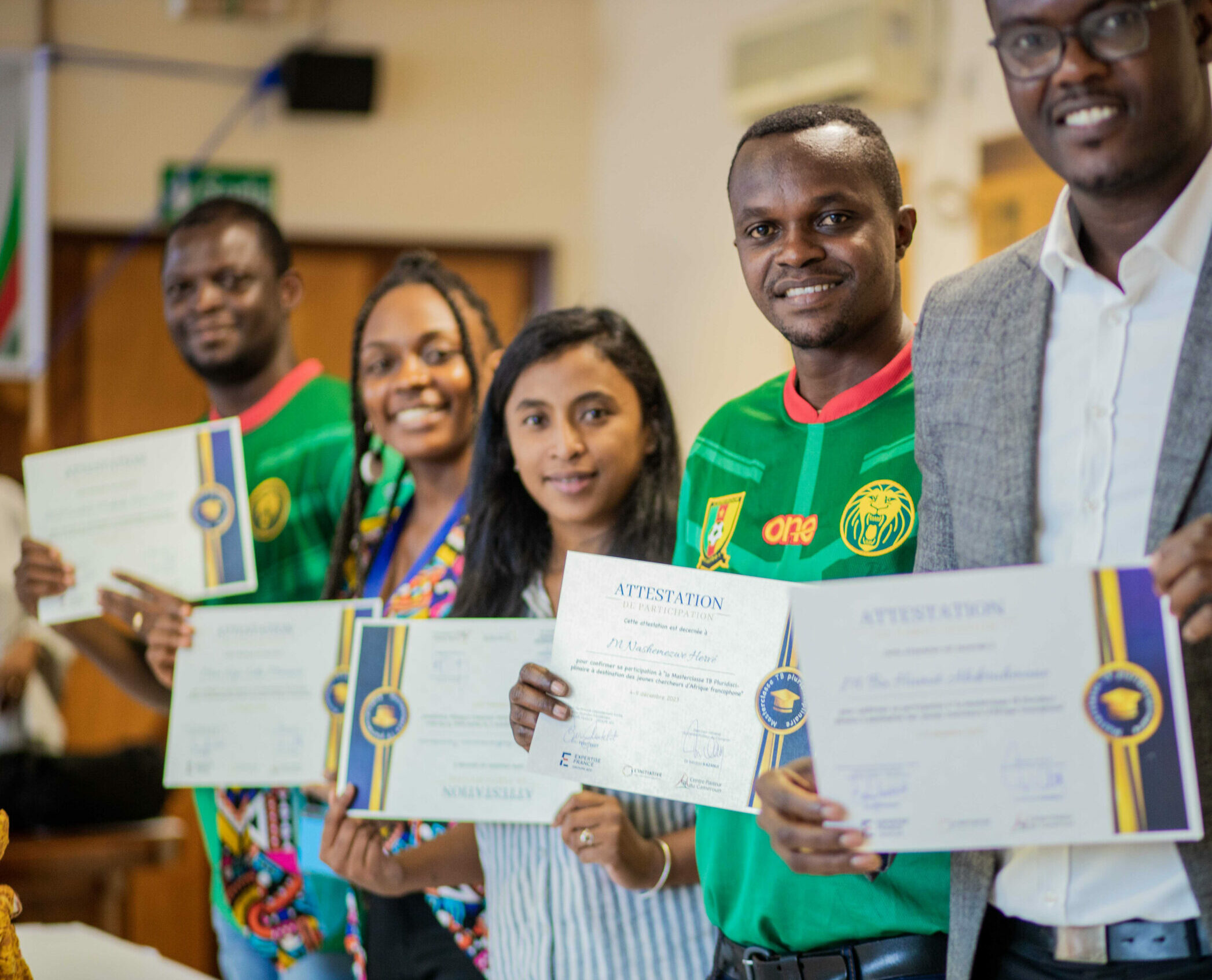
Investing in training and operational research helps build a generation of practitioners and researchers able to design context-adapted interventions. The TB Masterclass illustrates this lever: mentoring, protocols rooted in national priorities and seed grants to turn learning into sustainable projects.
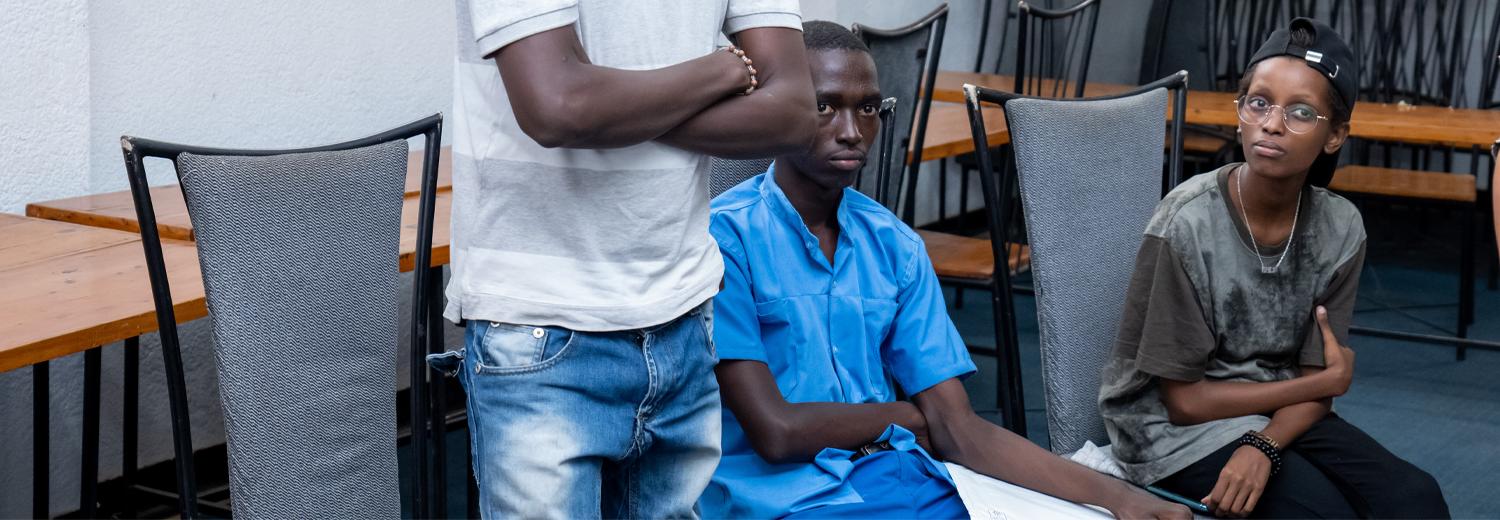
From 1 to 6 December 2025, Cotonou hosted the second edition of the TB Masterclass organized by L’Initiative in partnership with WARN/CARN-TB. Designed as an intensive multidisciplinary course, the 2025 Masterclass — “Prof GNINAFON”, named in honor of the first coordinator of Benin’s national TB programme — brought together 30 young researchers from 13 French-speaking African countries, selected by a scientific committee.
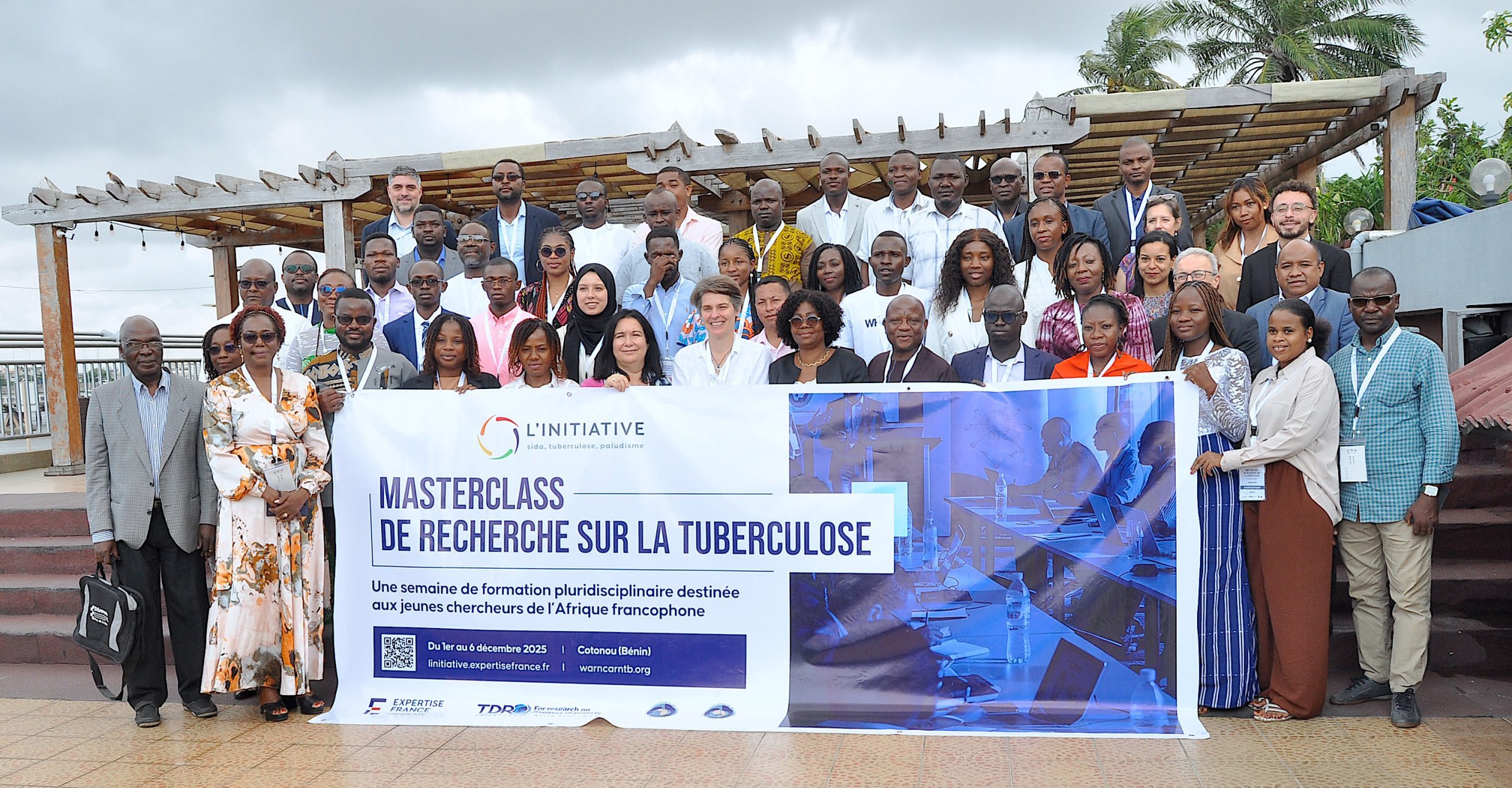
Pr Dissou Affolabi, a trainer during the 2025 Masterclass and director of the WHO supranational reference laboratory for TB in Cotonou, as well as coordinator of Benin’s national TB programme, explains that by becoming a platform for strategic exchange, the Masterclass transmits cutting-edge knowledge and builds the researcher base needed to “think differently” and adapt national strategies to evolving contexts.
For a global fight, finding tuberculosis where it spreads in silence
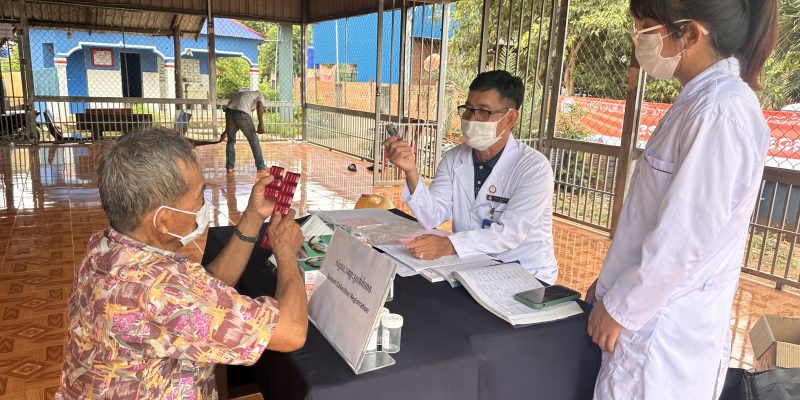
In isolated, rural and pastoral areas, tuberculosis often remains invisible or is detected too late due to limited access to healthcare. Mobile screening, trained volunteers and specimen-transport logistics bring diagnosis closer to remote populations: these approaches improve cases notifications and reduce delays in care.
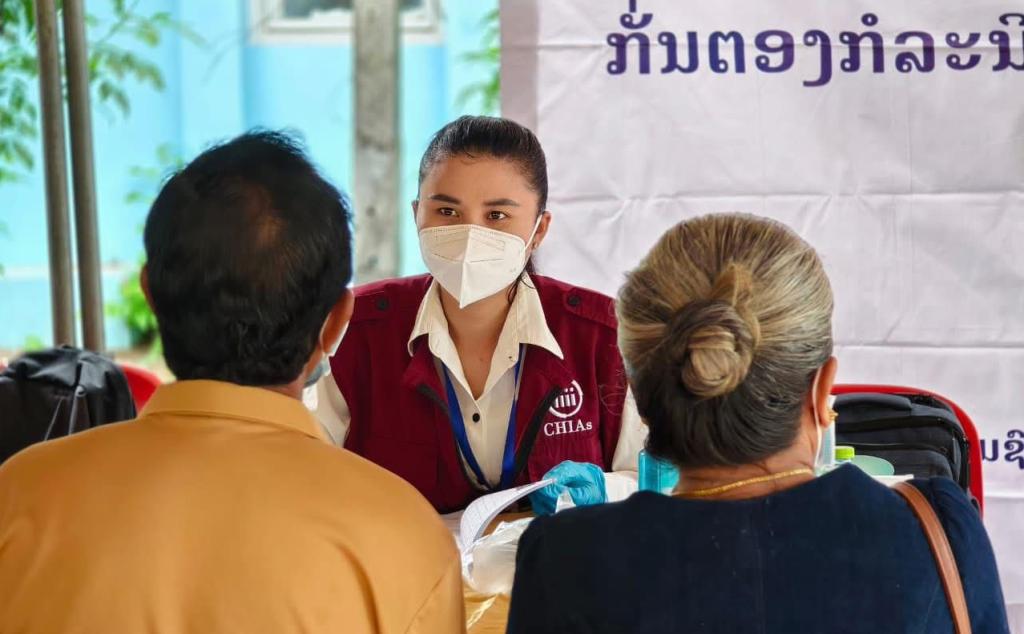
CHIAs 2: Scaling up community action to find people missing from TB care
Decentralized active case finding, improved specimen transport and expanded pediatric preventive treatment — CHIAs Phase 2 aims to reach undiagnosed patients, increase detection, initiate preventive therapy for eligible children, and improve treatment coverage in Savannakhet province, Laos. Viengakhone SOURIYO, Executive Director of CHIAs, explains how community volunteers, mobile logistics and clinic partnerships bridge the gaps between isolated villages and care.
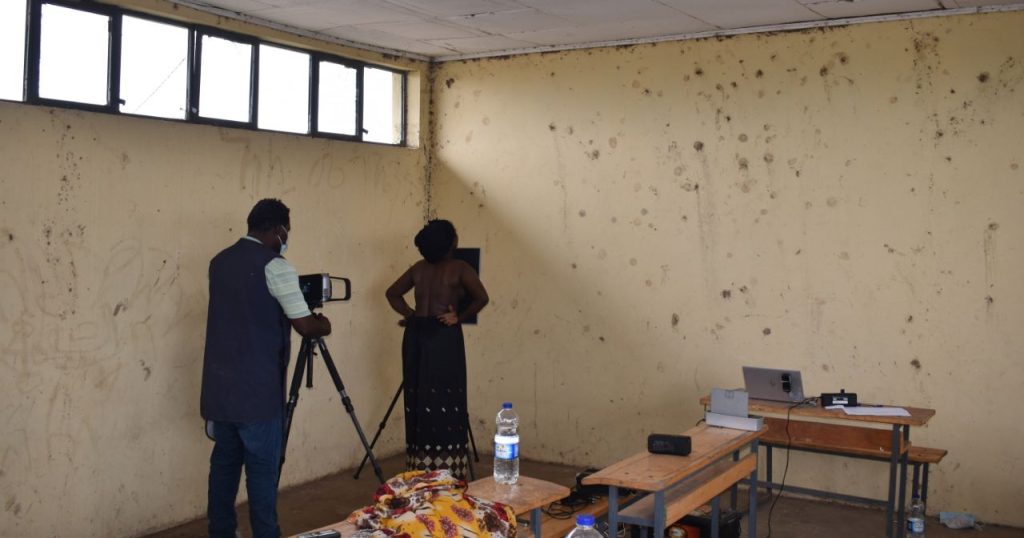
REACH Ethiopia: fighting tuberculosis in pastoral communities
Tuberculosis hits pastoral communities in the Afar region of Ethiopia particularly hard. Nomadic lifestyles, limited access to care and scarce diagnostic capacity often mean disease is only detected at an advanced stage.
REACH Ethiopia brings together community volunteers, AI-assisted mobile radiography, strengthened laboratories and local advocacy to detect TB earlier and ensure patients receive treatment.
Since 2023, it has been developing a model adapted to pastoral realities.
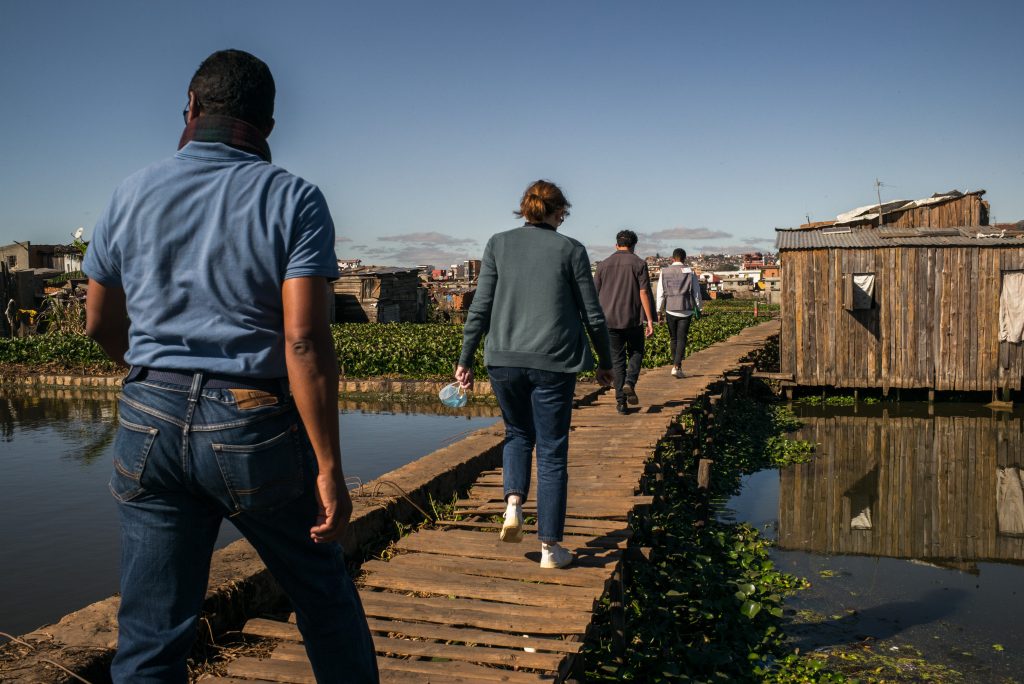
RAITRA: challenges, results and prospects for an inclusive TB response
RAITRA is reshaping the TB response in Madagascar by placing psychosocial support and community inclusion at the heart of its approach. Through a partnership between ATIA and three local NGOs, the project supported by L’Initiative aligns care pathways with field realities, strengthens coordination among stakeholders and institutionalizes local support — a key driver of treatment adherence. In this joint interview, Fanja Anselme RANAIVO and Thierry Martin COMOLET discuss the challenges, results and plans for scale-up.
Pediatric TB: seizing windows of opportunity for early detection
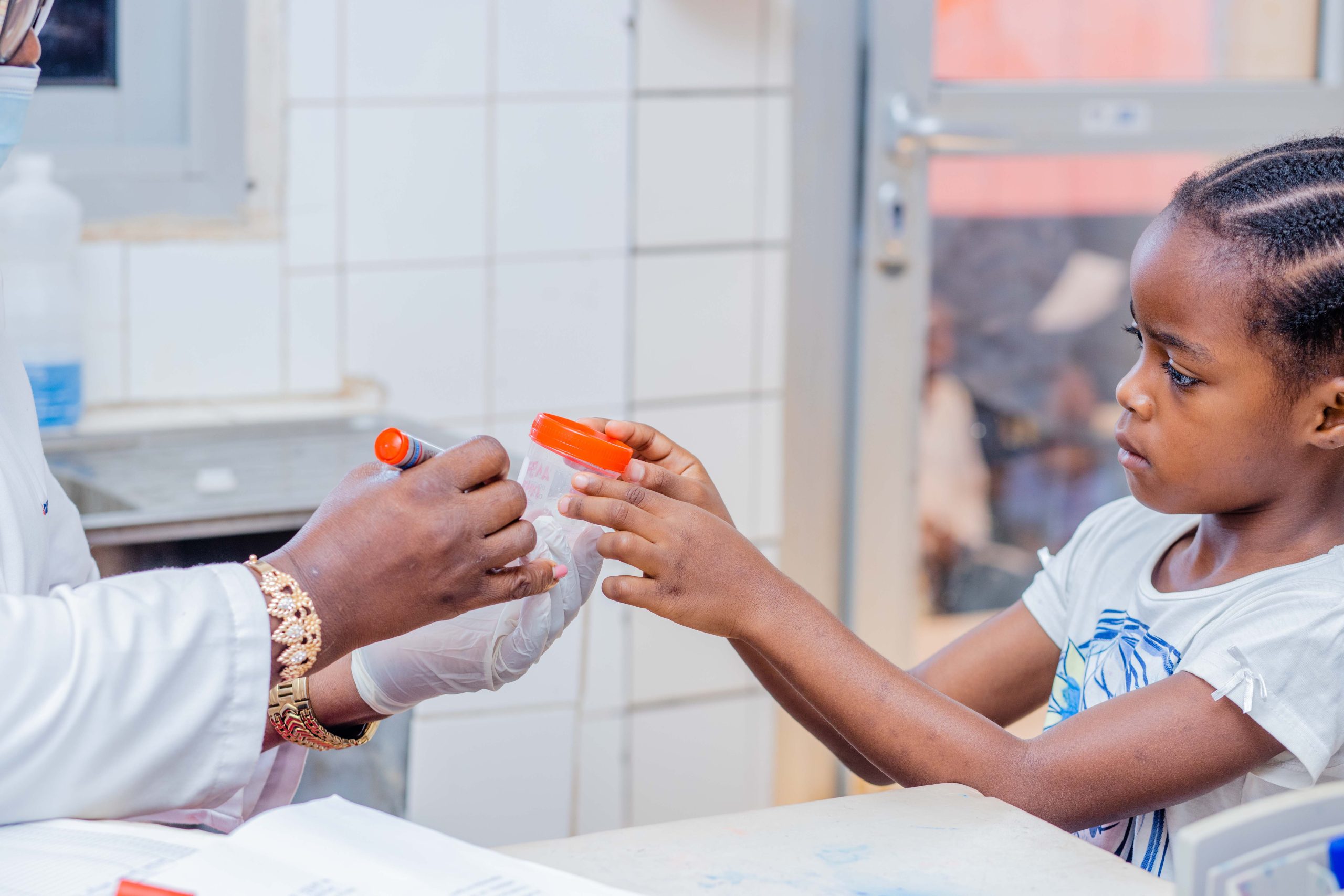
According to the World Health Organization, 1.3 million children and adolescents contract tuberculosis each year worldwide, and only half are diagnosed and treated. More than 200,000 children die of TB annually, nearly half of them in Africa. Integrating screening into existing community campaigns, such as seasonal malaria chemoprevention, child health consultations, helps identify presumptive cases and initiate care quickly, especially in low-resource settings.
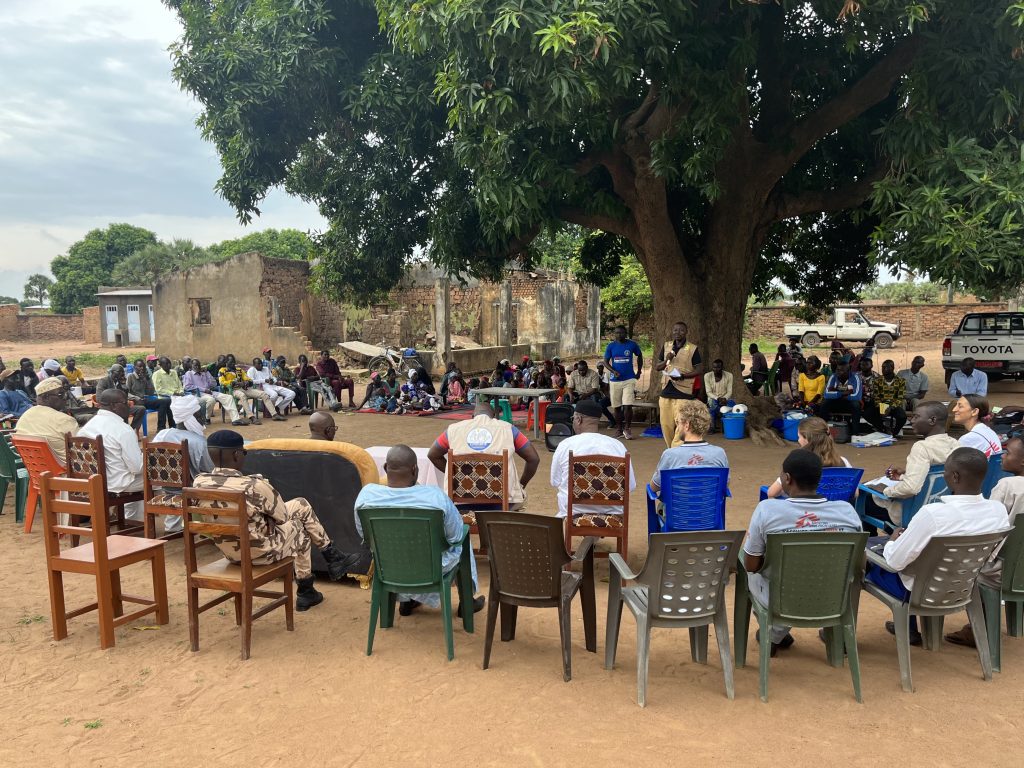
INTEGRES-TB: when seasonal malaria chemoprevention becomes a window for pediatric TB detection
By leveraging seasonal malaria chemoprevention campaign — when community workers reach thousands of children — the INTEGRES-TB project strengthens pediatric TB detection. Pilot research in northern Cameroon shows the approach is feasible, while highlighting that integration requires training, supervision and logistics.
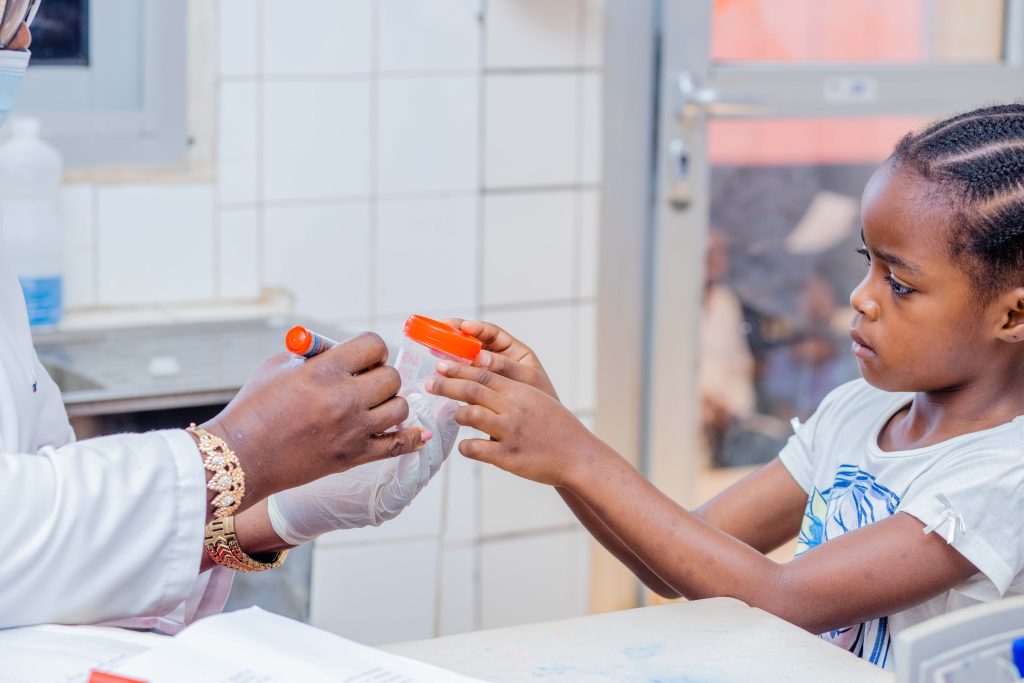
Free TB: contributing to end childhood TB through decentralized services
Sierra Leone faces a severe pediatric TB burden. To address this, Solthis launched the Free TB project with support from L’Initiative. Building on the TB Speed initiative, which demonstrated the effectiveness of decentralizing pediatric TB screening, Free TB targets under five in Bo district — a highly affected area — and aims to strengthen both diagnosis and access to treatment.
Tuberculosis care in times of war: voices from Ukraine
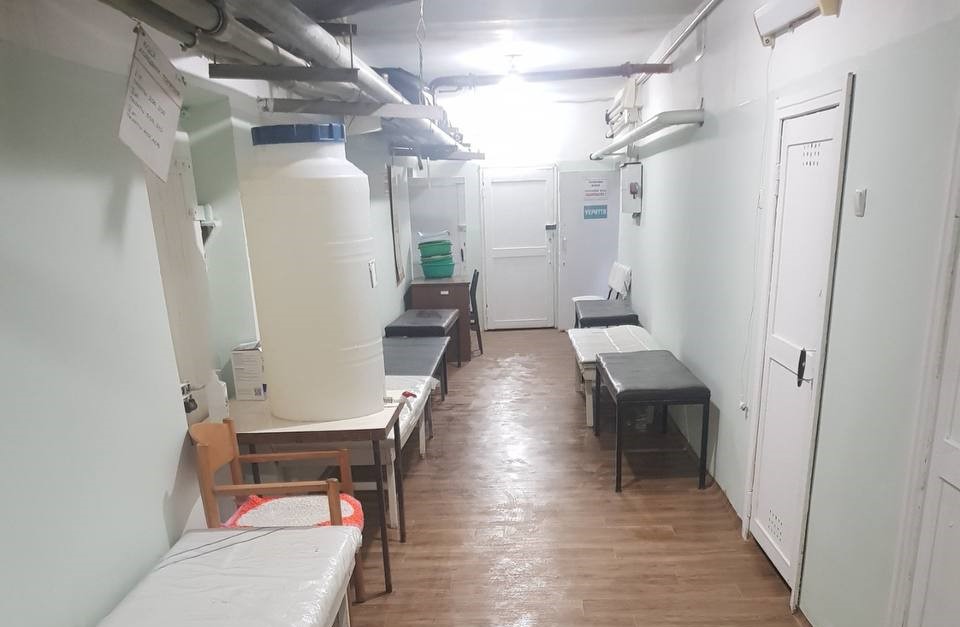
In Ukraine, war is disrupting care pathways and further weakening the situation of people living with tuberculosis, HIV and other diseases. Faced with air raids, forced displacement and daily exhaustion, TB People Ukraine, with support from L’Initiative – Expertise France, is working to maintain access to diagnosis, treatment continuity and psychosocial support. This commitment is essential to preserve dignity and hope beyond healthcare. The organisation has written an op-ed, signed by Olya Klymenko, programme director at TB People Ukraine.
Integrating key risk factors: tuberculosis as a social and economic determinant
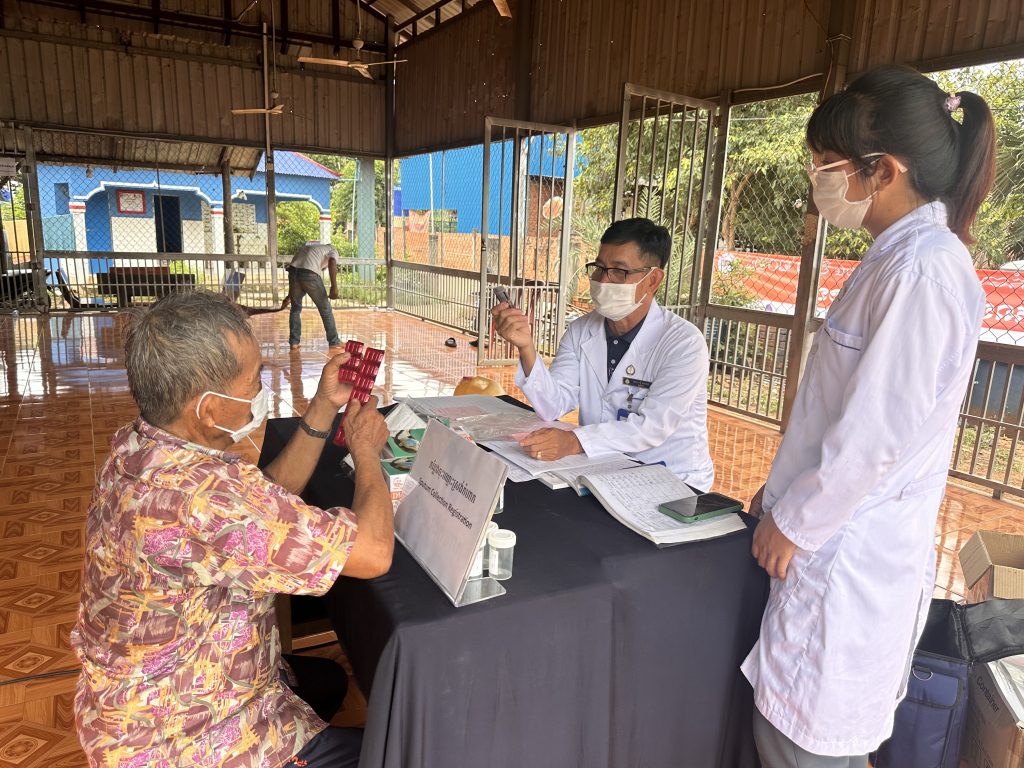
SHIFT-TB combines population-wide active case finding with integrated screening and management of major risk factors (undernutrition, diabetes, HIV, tobacco, alcohol use). By bringing diagnostics, data and referral pathways closer to communities, the project shows that “tuberculosis is no longer just a health issue; it is also a social and economic determinant.” Sok Chamreun CHOUB, Executive Director of KHANA, outlines the project’s rationale, early results and operational research.
Researchers Speak Out
At the core of the fight against tuberculosis are researchers. In the podcast “Tuberculosis: Voices of Research,” L’Initiative gives them a platform across seven episodes, blending social sciences and medicine to explore the dynamics of the epidemic.