
Malaria: from political choices to field responses
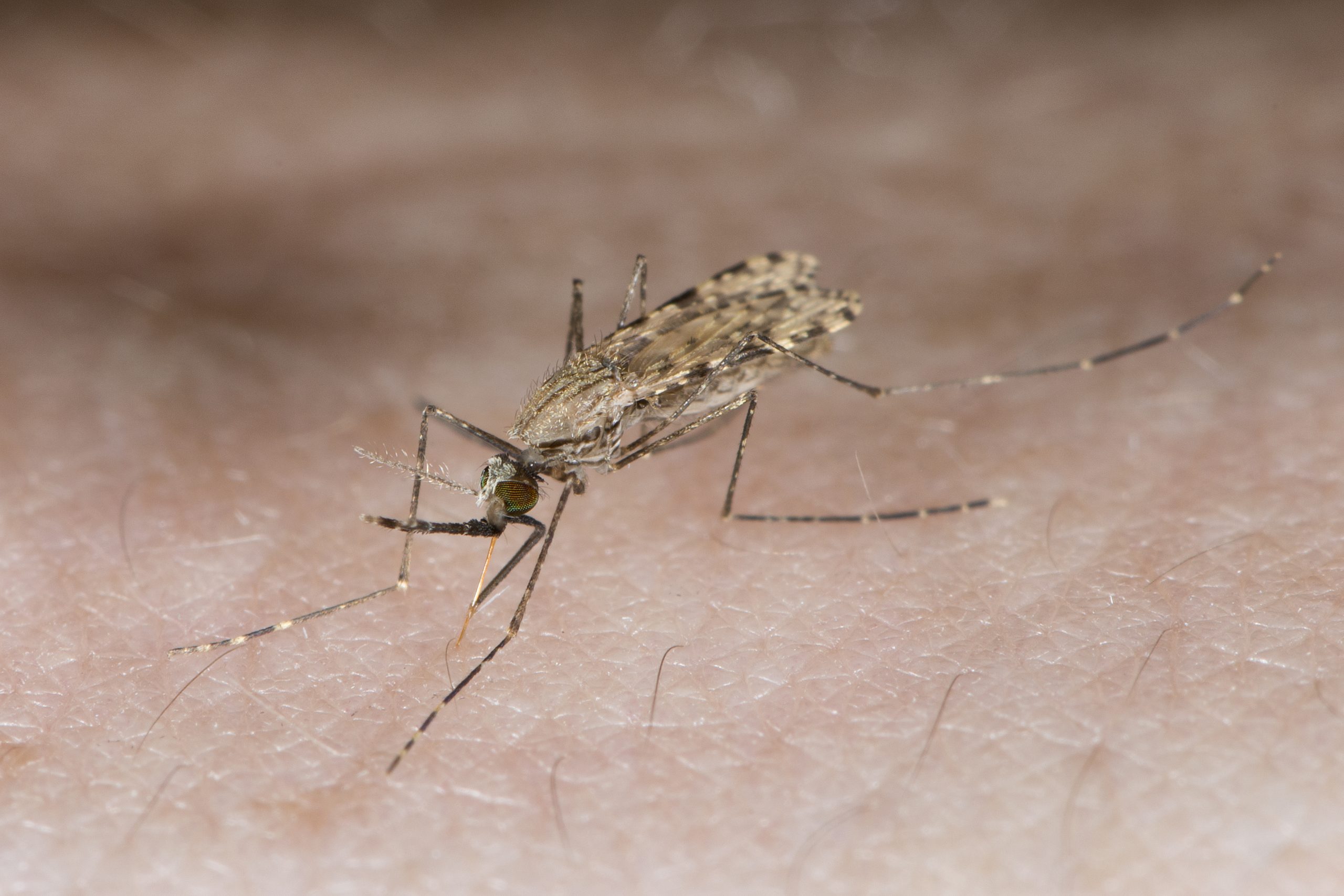
More than twenty-five years after the launch of major international efforts against malaria, the verdict is clear. The tools exist. The evidence is there. But global momentum is slowing. On World Malaria Day 2026, this dossier sets out the levers supported by L’Initiative: operational research, support for national programmes, field-based innovation, targeted responses for the most exposed populations and health system strengthening.
Malaria: the hour of political choices
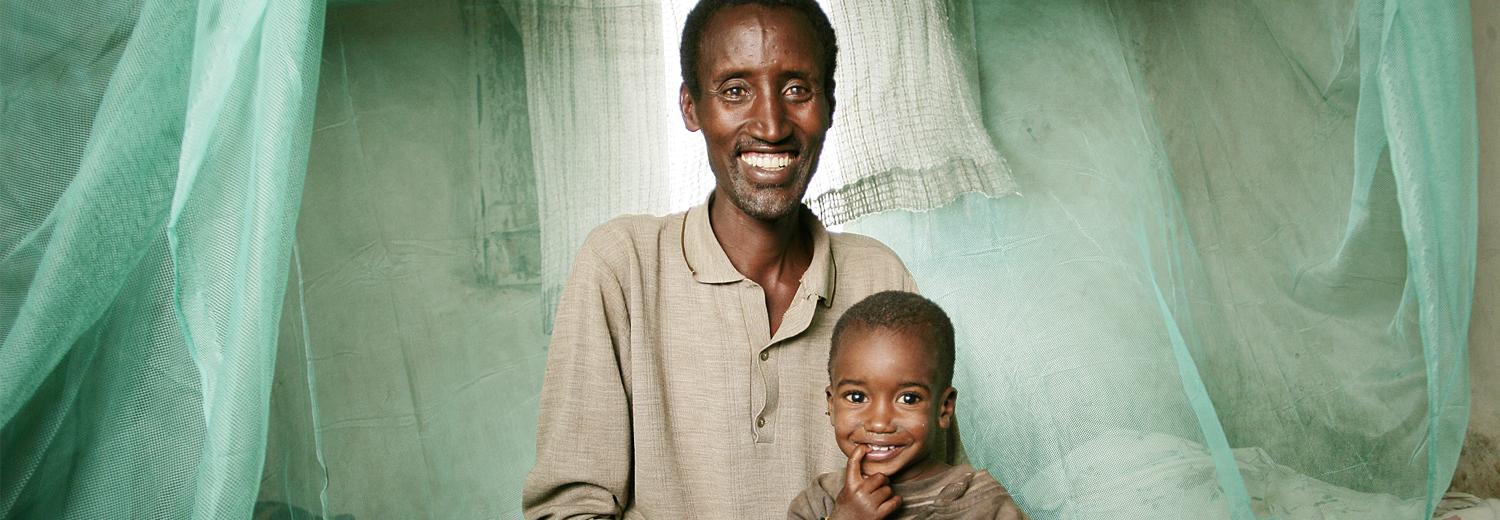
Malaria remains one of the major global health emergencies: the tools exist, the evidence too, but progress is slowing. On World Malaria Day, L’Initiative reminds us that beyond science, political will, funding and attention to the most exposed populations will make the difference.
When operational research turns trials into solutions
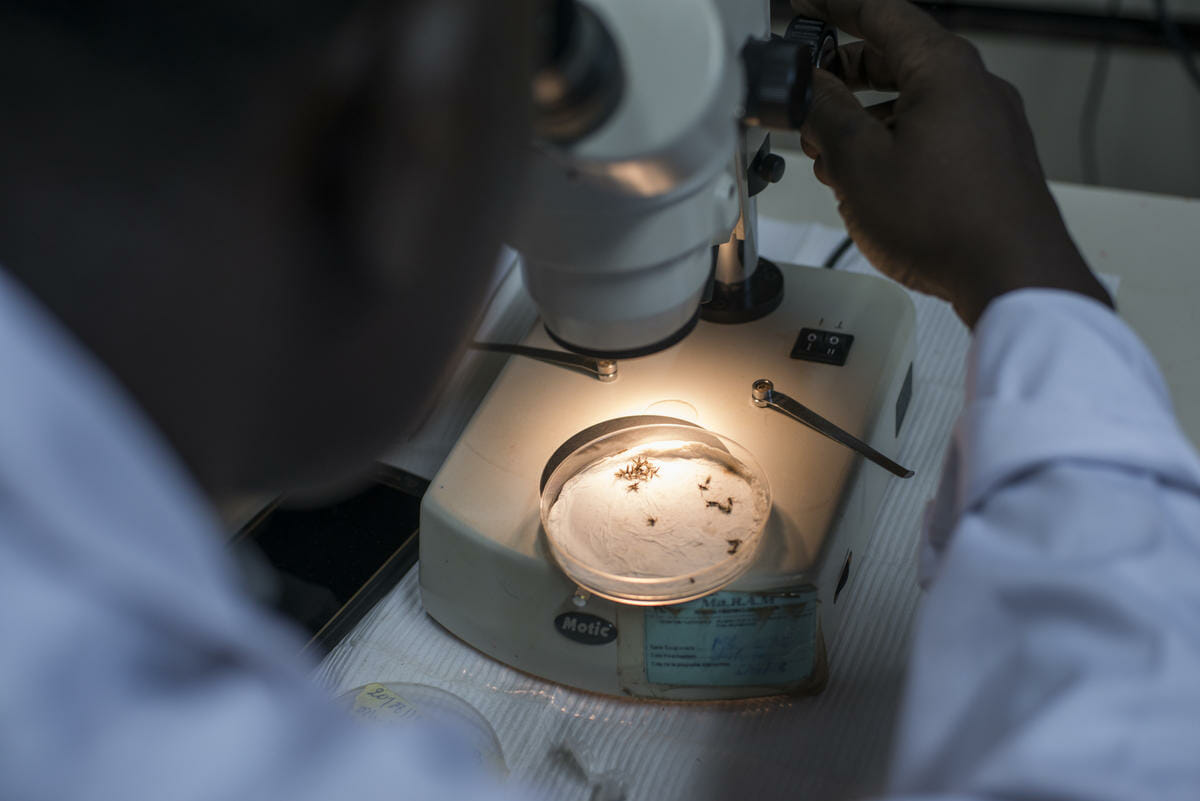
Faced with malaria that still resists conventional strategies, L’Initiative relies on operational research to produce innovative responses tailored to context. Challenges abound: from climate change to asymptomatic reservoirs, from prevention in children to paediatric emergencies, supported projects seek not only to demonstrate effectiveness, but also to adapt health strategies to local conditions and prepare for scale-up.
Climate change: an obstacle to malaria control
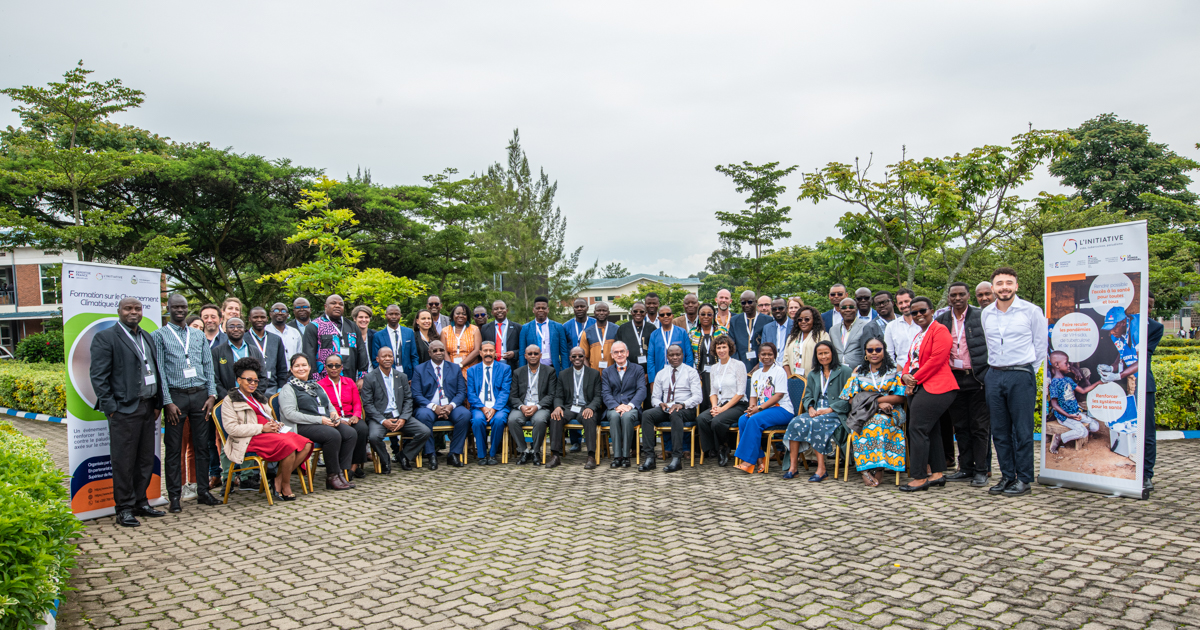
Extreme weather events, temperature variation and climatic shifts have multiple, far-reaching impacts on malaria. They can increase malaria transmission and disease burden. L’Initiative addresses these climate-related challenges by favouring a One Health approach, linking human, animal and environmental health, with a strong emphasis on training.
Malaria: what challenges does climate change pose?
What links malaria and climate change? How can malaria control be adapted to tomorrow’s challenges?
Across five episodes, the podcast “Malaria: what challenges does climate change pose?” explores the pressures climate change places on this disease. Physicians, climatologists, researchers and modellers share their current initiatives and their reflections for the future.
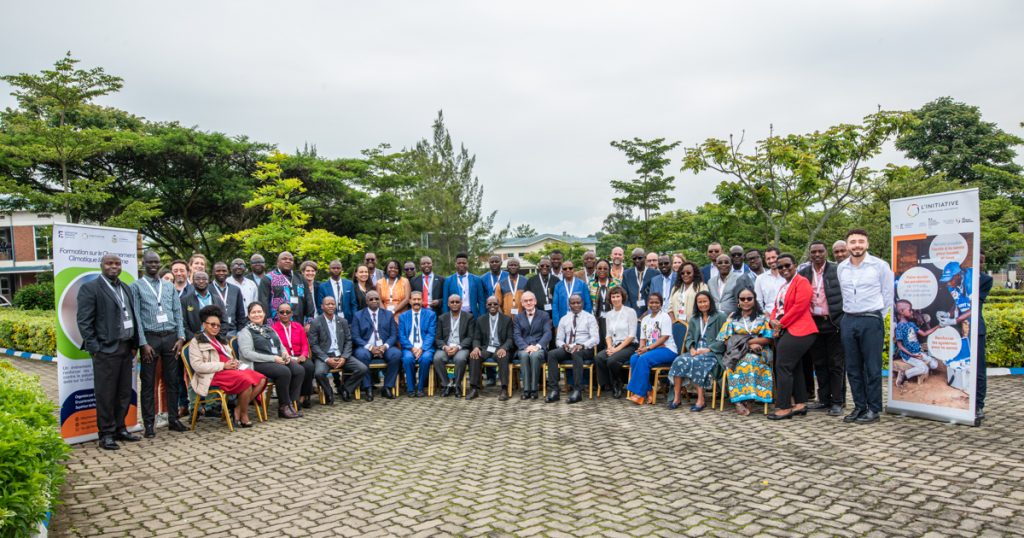
Supporting national malaria control programmes
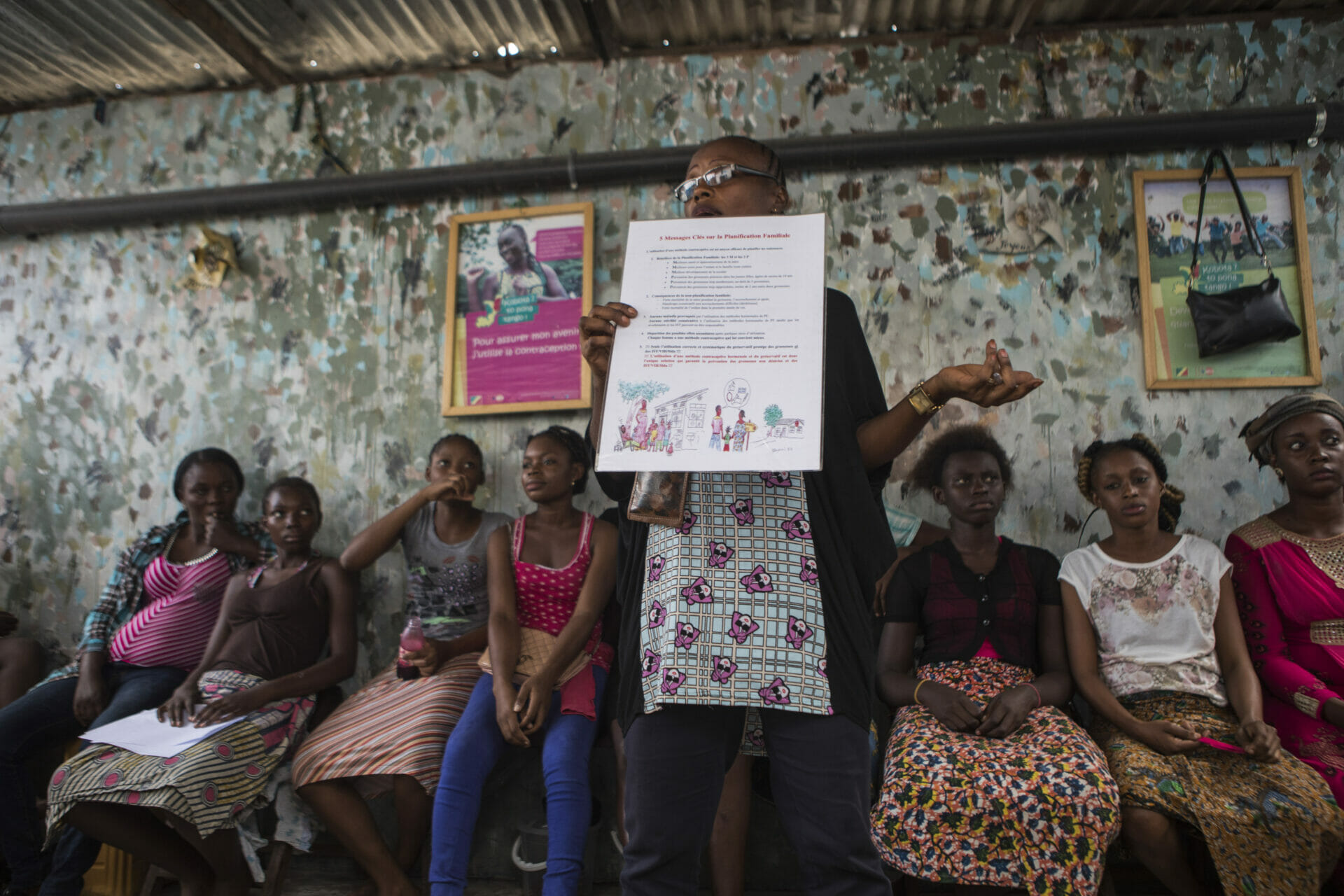
The fight against malaria also rests on strong national strategies, clear frameworks, well-equipped teams and coherent technical choices. By supporting national programmes, L’Initiative helps connect planning to action and strengthen prevention, diagnosis and care sustainably in the field.
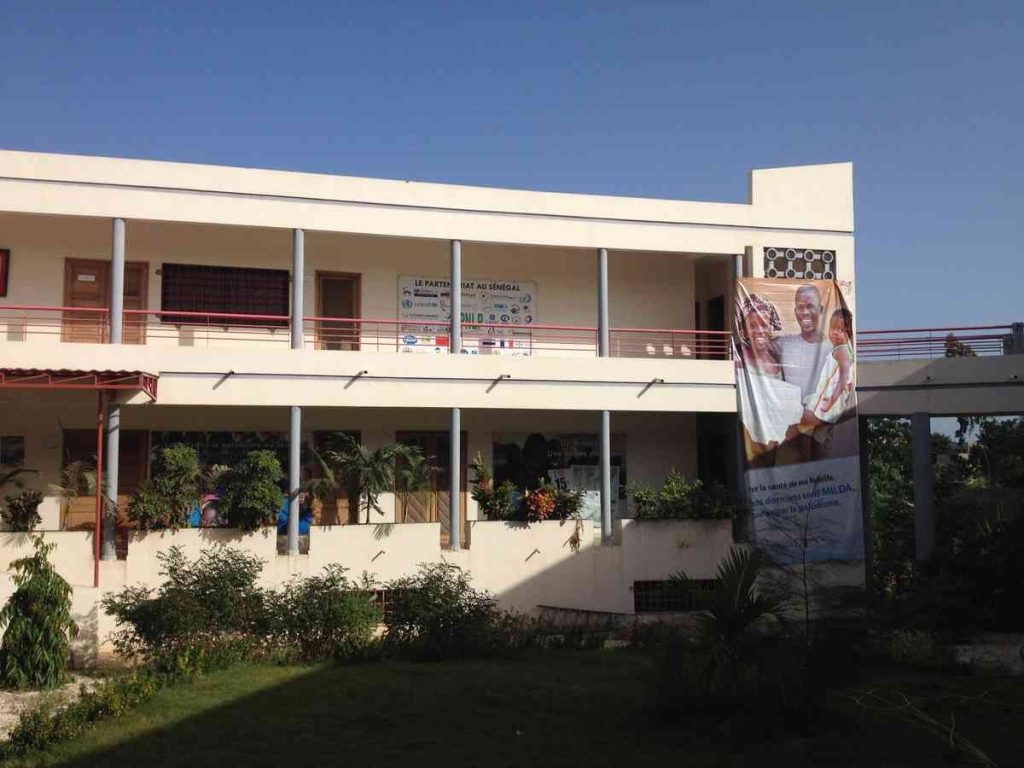
Against malaria, from national plans to the field
From Senegal to Djibouti via Gabon, L’Initiative supports complementary yet closely linked responses: planning, rolling out and strengthening the fight against malaria as close as possible to local realities. From drafting a new strategic framework to updating vector-control protocols and integrating prevention at community level, the challenge is the same everywhere: helping advance national priorities for everyone’s health.
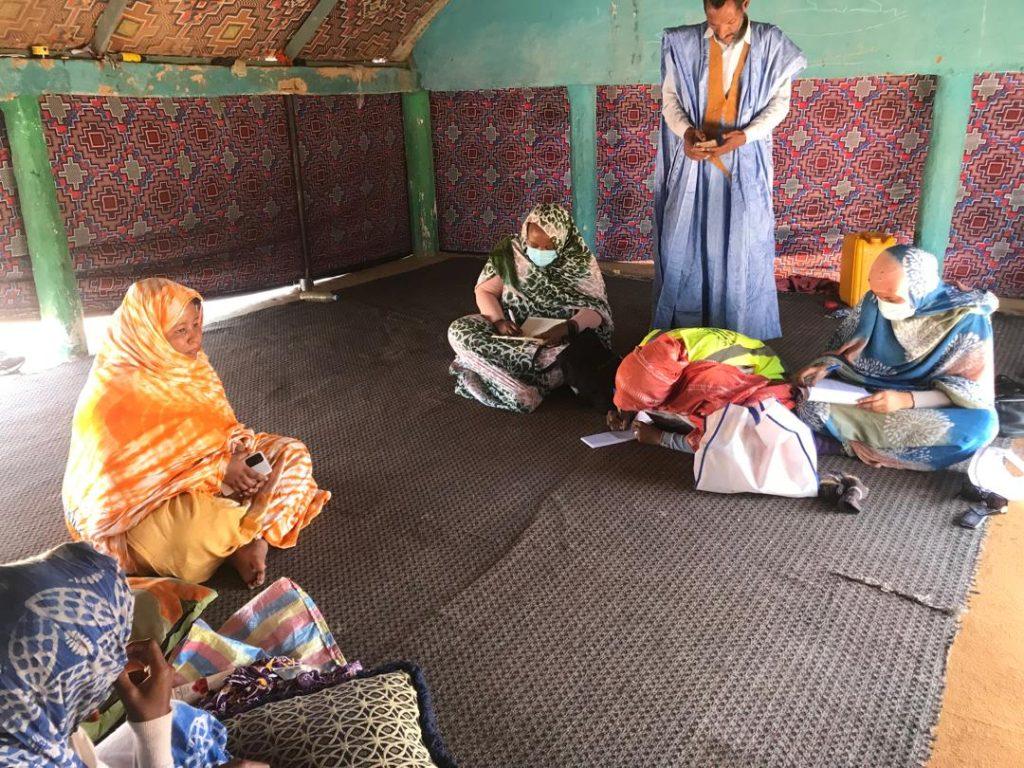
Technical expertise serving programmes: the Mauritania DATP example
In Mauritania, strengthening qualified staff, improving health infrastructure and securing medicine supplies are essential levers for intensifying the fight against HIV, tuberculosis and malaria. Malaria remains the leading cause of medical consultation during periods of high transmission and affected more than 212,000 people in 2022. In this context, L’Initiative supported, in 2021, the rollout of an unprecedented planned technical assistance mechanism (DATP) to provide long-term support for the country’s efforts. Malaria control is one of the mechanism’s priorities. Dr Chanelle Muhoza, resident expert for DATP, looks back on the mechanism and its malaria-related actions. Report.
Supporting the response as close as possible to vulnerable populations
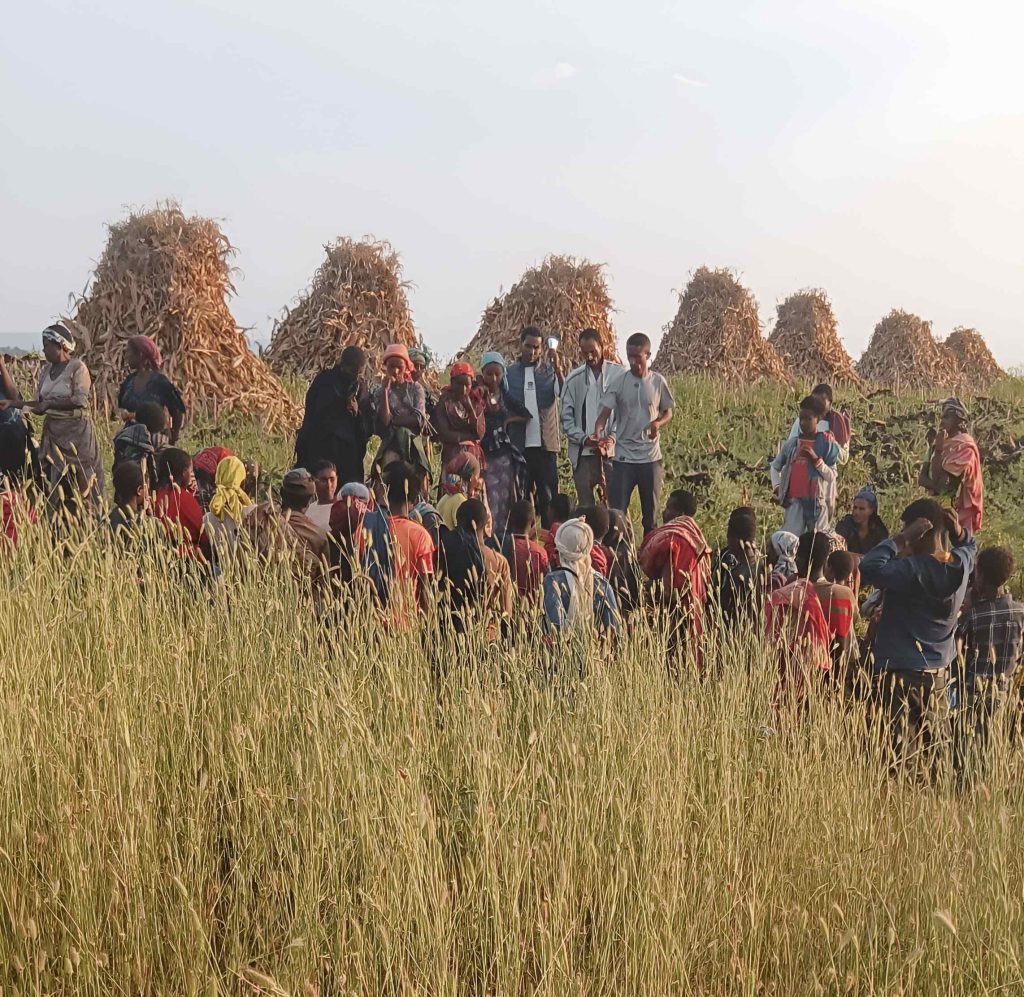
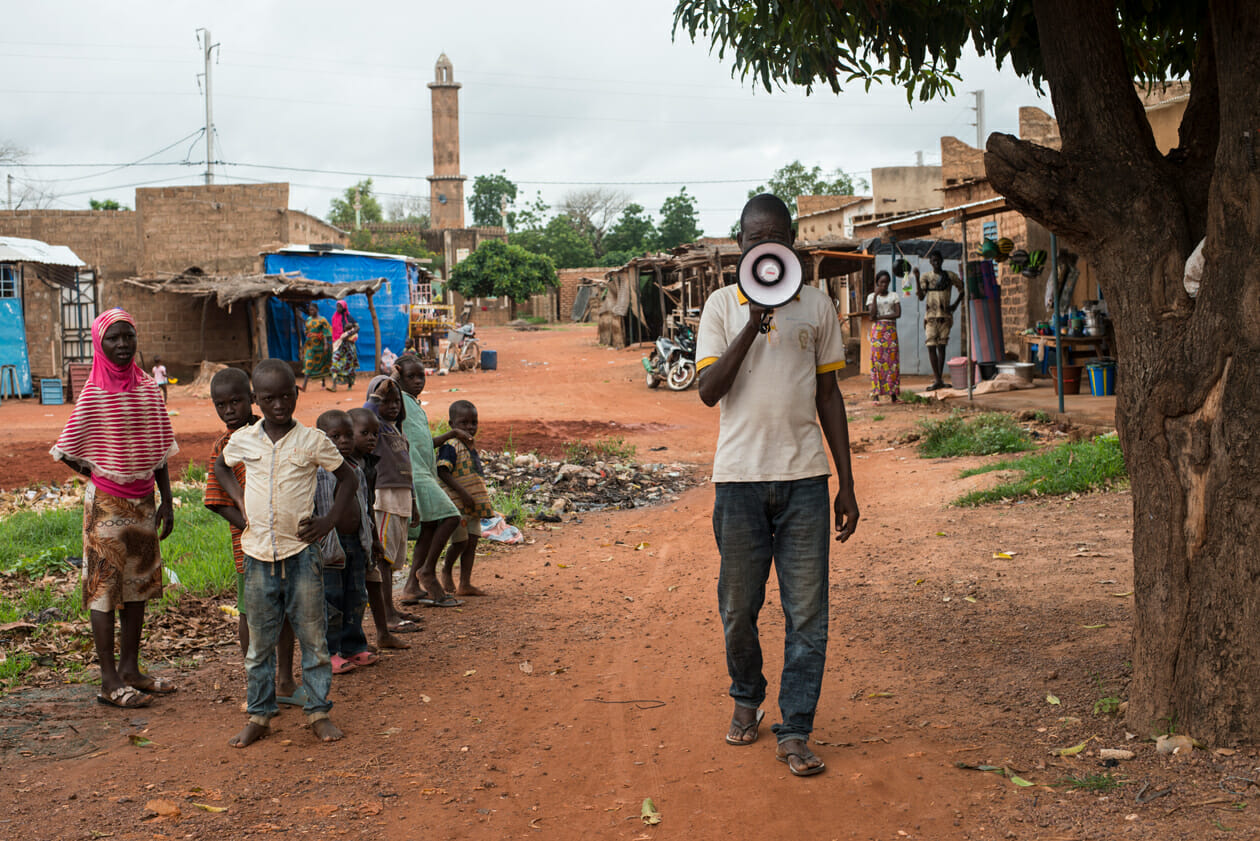
In conflict zones, remote regions and seasonal-work areas, malaria follows population movements and the weaknesses of health systems. In Ethiopia, malaria poses a major health challenge in the Amhara region, which has been affected by armed conflict for more than two years. The region attracts seasonal agricultural workers who, in some districts, account for up to 40% of reported annual malaria cases. With the Sennay project, supported by L’Initiative – Expertise France and led by HDAMA with Malaria Consortium, the response is changing scale and method: going to the farms, training health workers, improving case follow-up and bringing field needs to decision-makers.