
Against Malaria: From National Plans to the Field
In Senegal, Djibouti and Gabon, L’Initiative supports responses that are complementary yet closely linked: planning, rolling out and strengthening the fight against malaria as close as possible to local realities. From the development of a new strategic framework to the updating of vector-control protocols and the integration of prevention at community level, the challenge is the same everywhere: supporting national priorities for everyone’s health.
From plans to services, the same fight against malaria
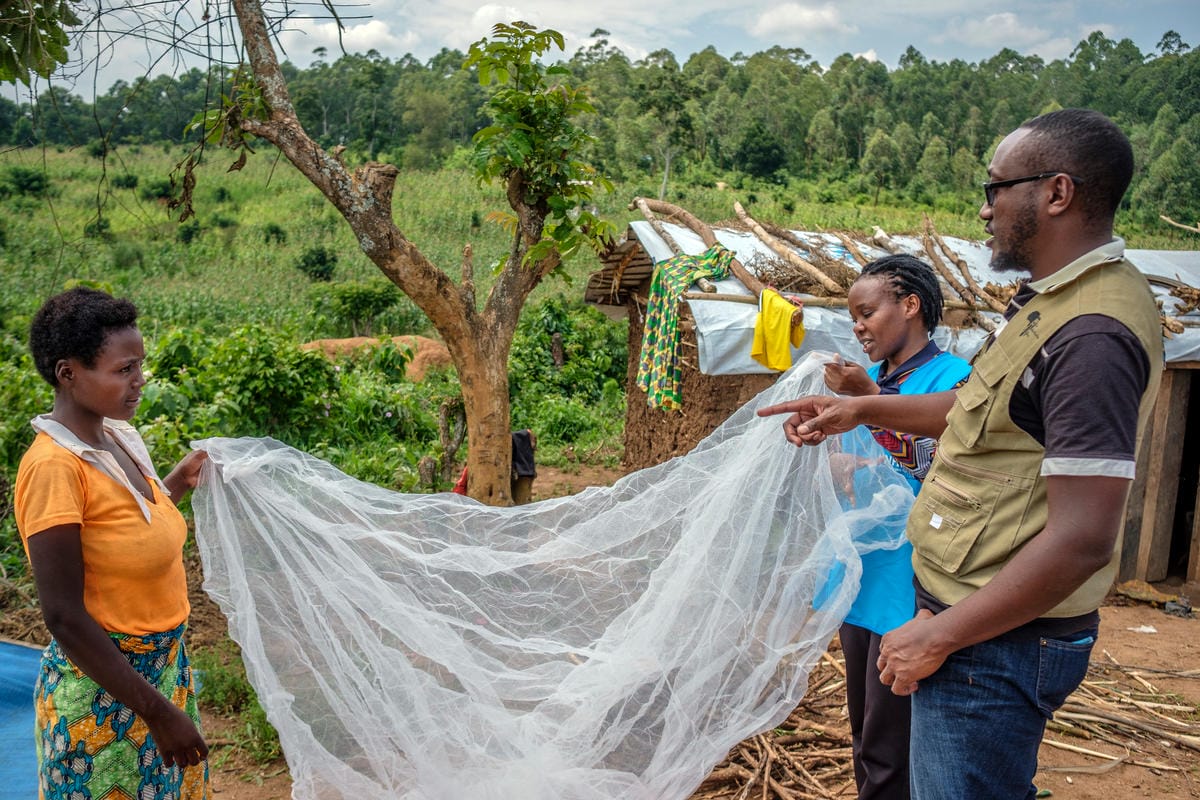
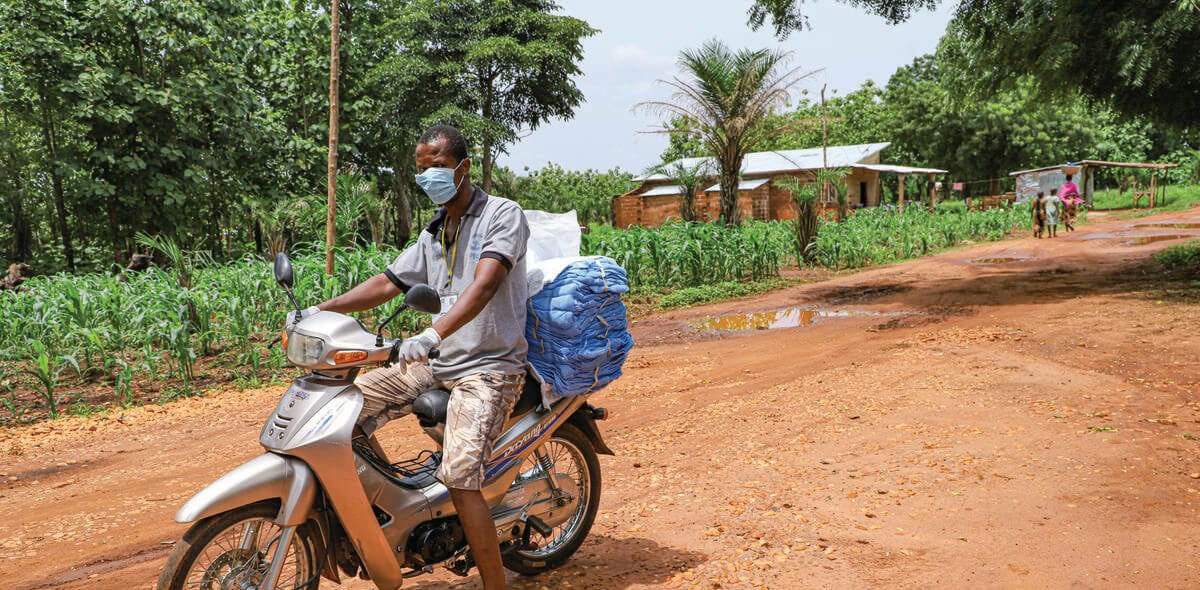
Malaria is not fought only with medicines or bed nets. It is also tackled through governance choices, clear tools, trained teams and services that reach the most exposed populations. This is precisely the approach taken by L’Initiative, which supports national malaria control programmes so they can move even more effectively from strategy to implementation, and from ambition to results.
In Senegal, technical support is accompanying a pivotal moment: the evaluation of the 2021–2025 national strategic plan and the preparation of the 2026–2030 National Malaria Elimination Strategic Plan. In a context disrupted by reallocations of international funding, the goal is to secure a strong national framework built on evaluation, consensus and alignment with the country’s priorities. This step is not merely administrative: it shapes the next phase of the response, its sustainability and the country’s determination to scale up high-impact interventions, promote innovation and ensure greater accountability at every level of the health system.
Common tools for a changing threat
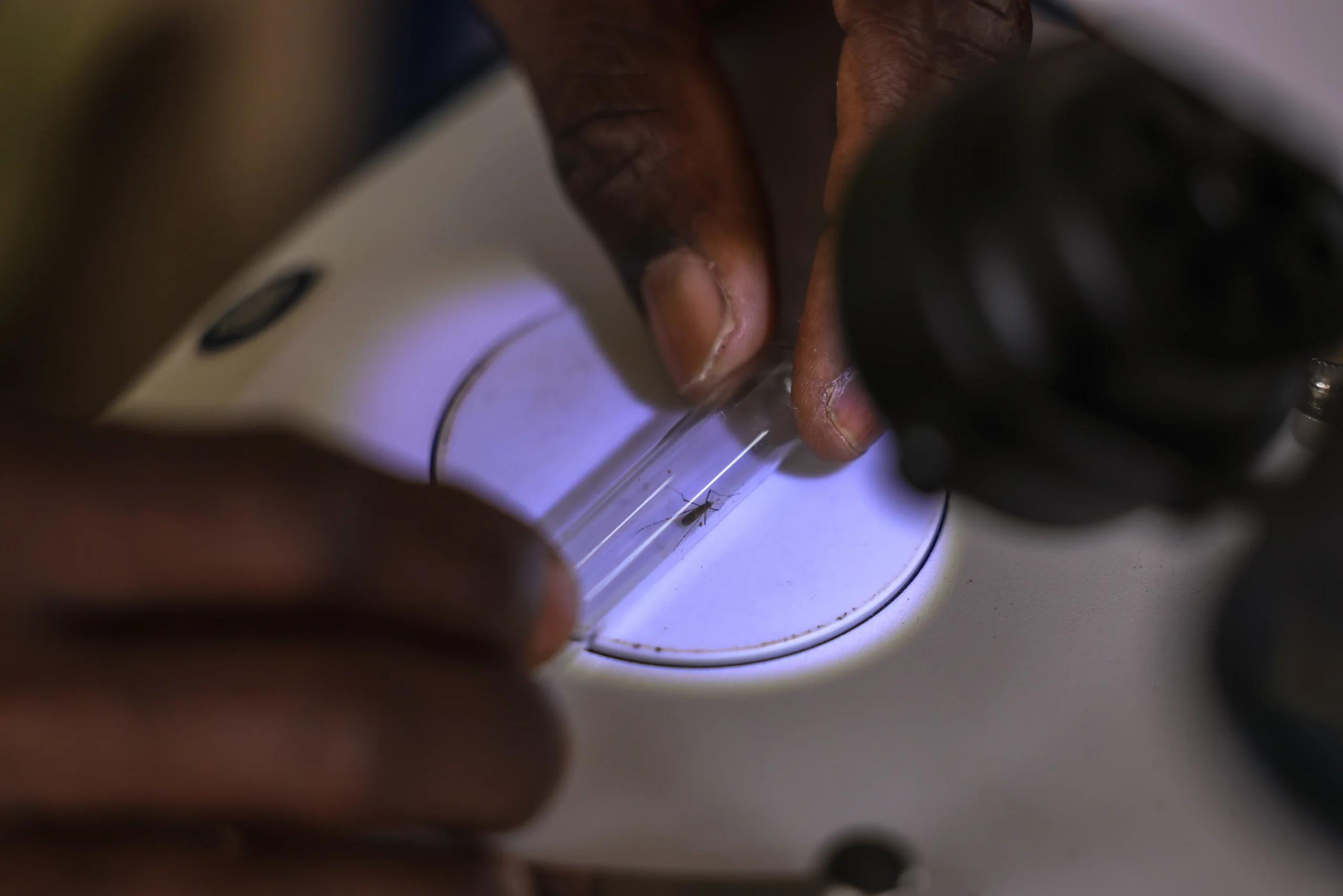
In Djibouti, the challenge is different but no less urgent. The country is facing a resurgence of malaria, driven by population mobility, the presence of Anopheles stephensi in urban areas and growing mosquito resistance to insecticides. Here too, the response depends on the structuring support provided by L’Initiative: updating indoor residual spraying protocols, clarifying larval breeding-site management, strengthening entomological capacity and harmonising practices. The challenge is to established common tools, a multisectoral and multi-stakeholder strategy, and stronger prevention and control of transmission.
This technical approach has strategic significance. By updating manuals, revising procedures and equipping teams, support to the Djiboutian authorities is helping build a response that is more coherent, better coordinated and more responsive to a fast-evolving disease.
L’Initiative has also supported the training of technicians to use a sequencer to study parasite resistance to malaria treatments in Djibouti. The findings also led to a scientific publication funded by L’Initiative, showing that many parasites are indeed resistant to older antimalarial drugs, such as chloroquine and Fansidar (a combination of sulfadoxine and pyrimethamine), and identifying indirect signals suggesting possible resistance to newer medicines.
When prevention reaches families
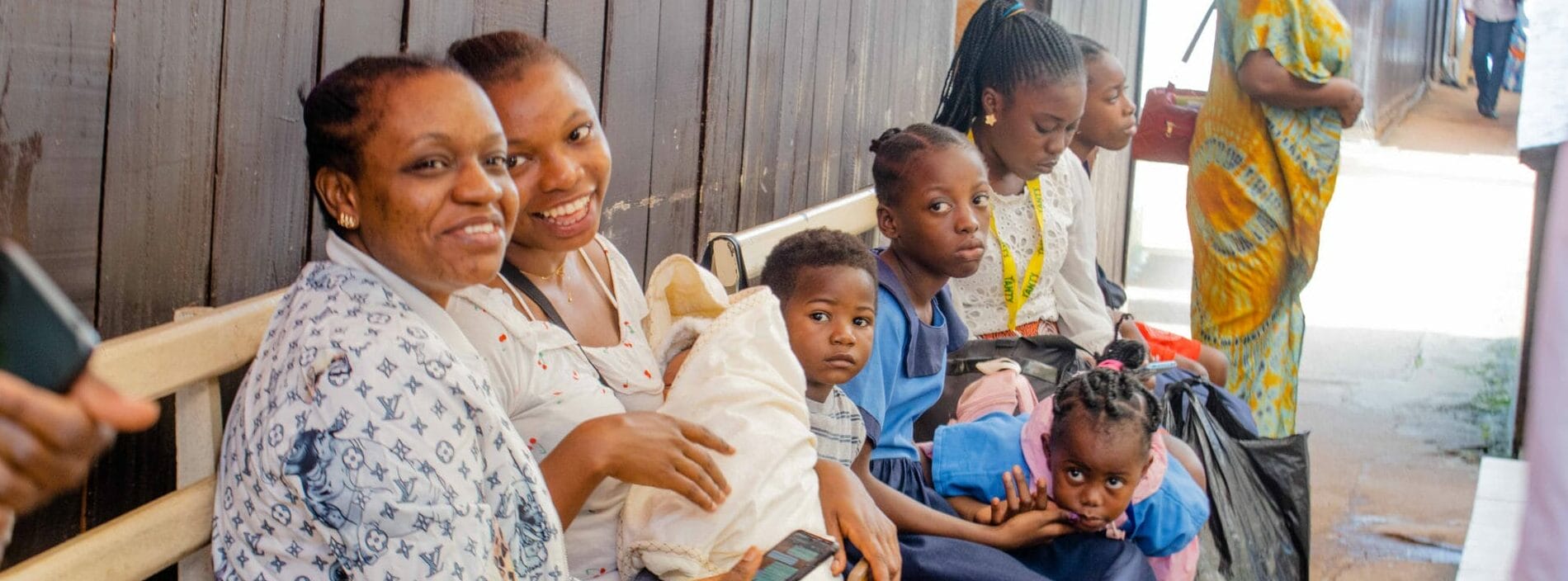
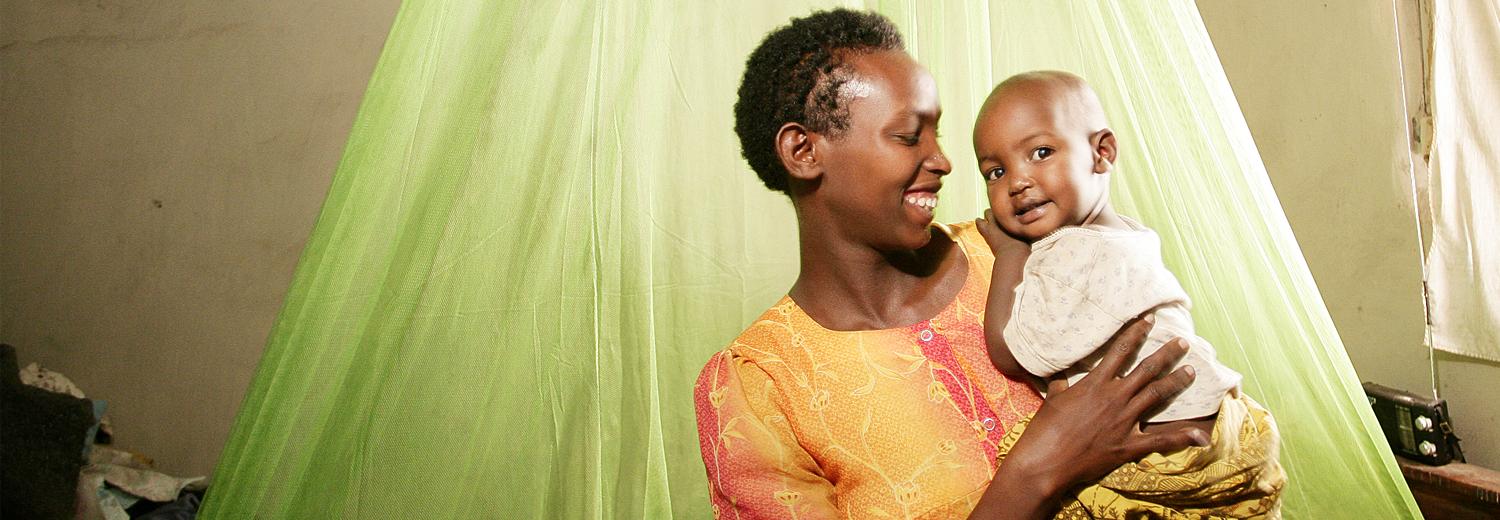
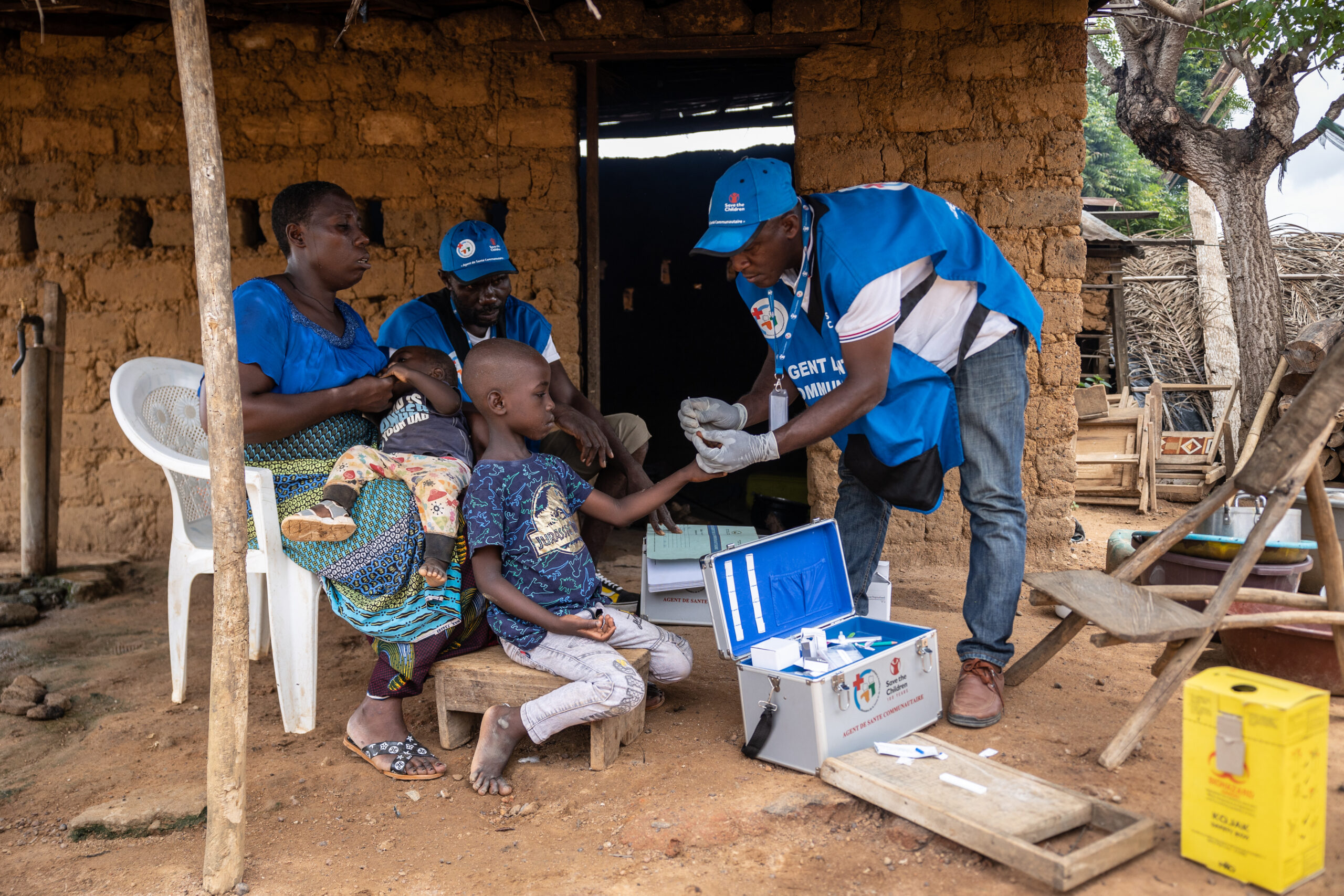
In Gabon, the challenge takes another form: bringing malaria prevention into the daily lives of families, mothers and children, where health systems often remain too distant. The LOUETSI-PPC project, led by the national malaria control programme and supported by L’Initiative – Expertise France, aims to strengthen an integrated approach combining sustained chemoprevention in young children, vaccination, nutrition, fever management and community mobilisation. Here, the fight against malaria also becomes a matter of proximity, trust and continuity of care.
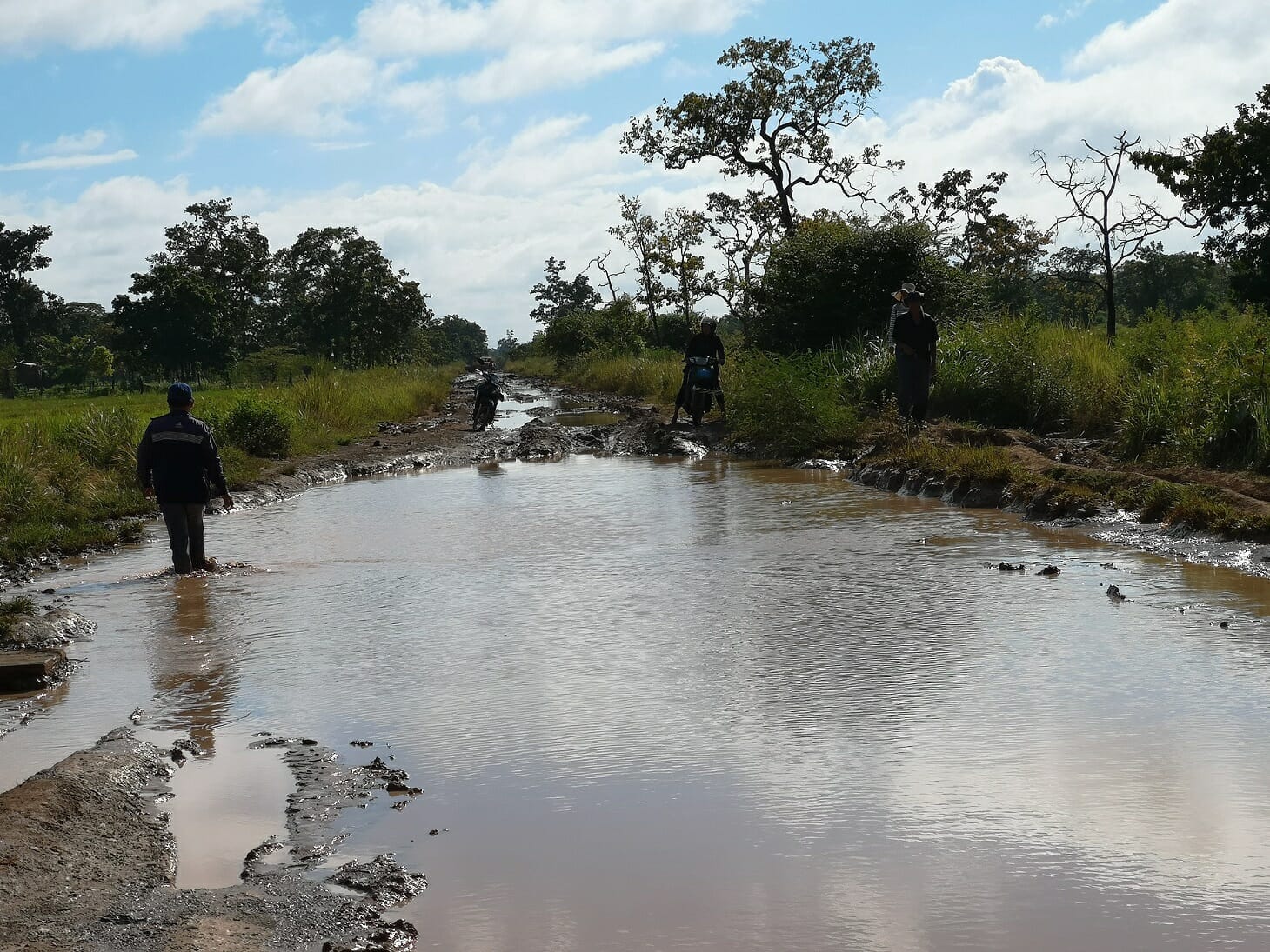
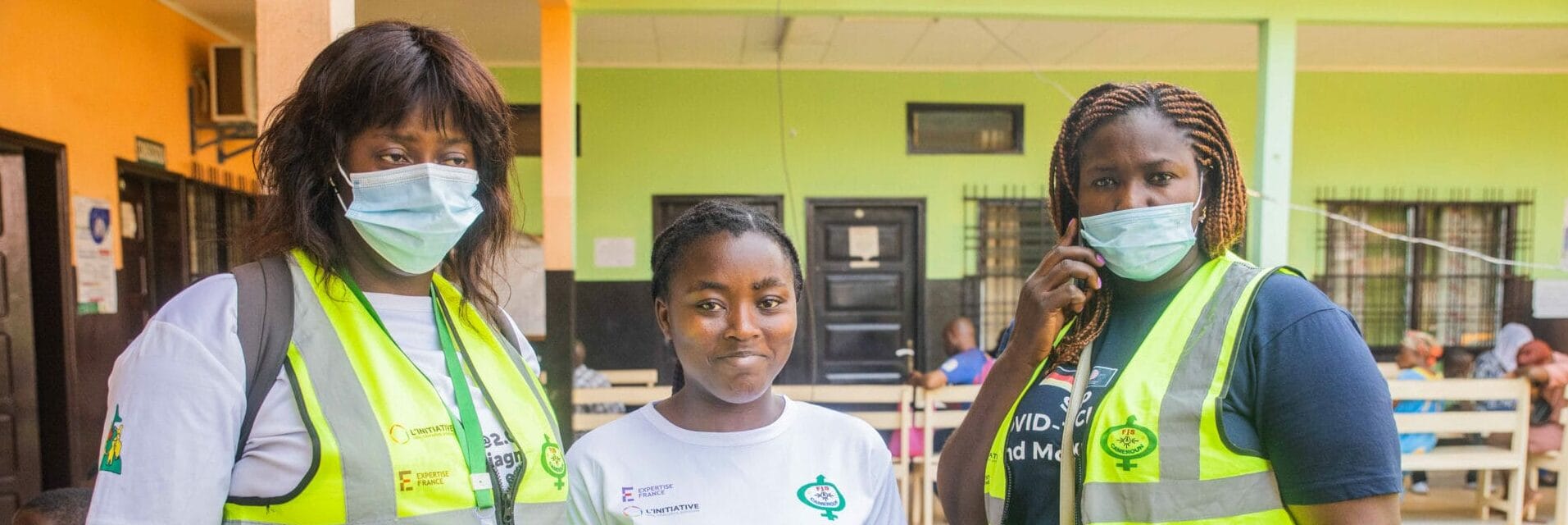
The project also places emphasis on the social determinants of health: men’s involvement, the role of community relay workers, the quality of local follow-up and the availability of health facilities. In these remote areas, early access to care can mean the difference between a case treated in time and a disease that worsens for lack of treatment.
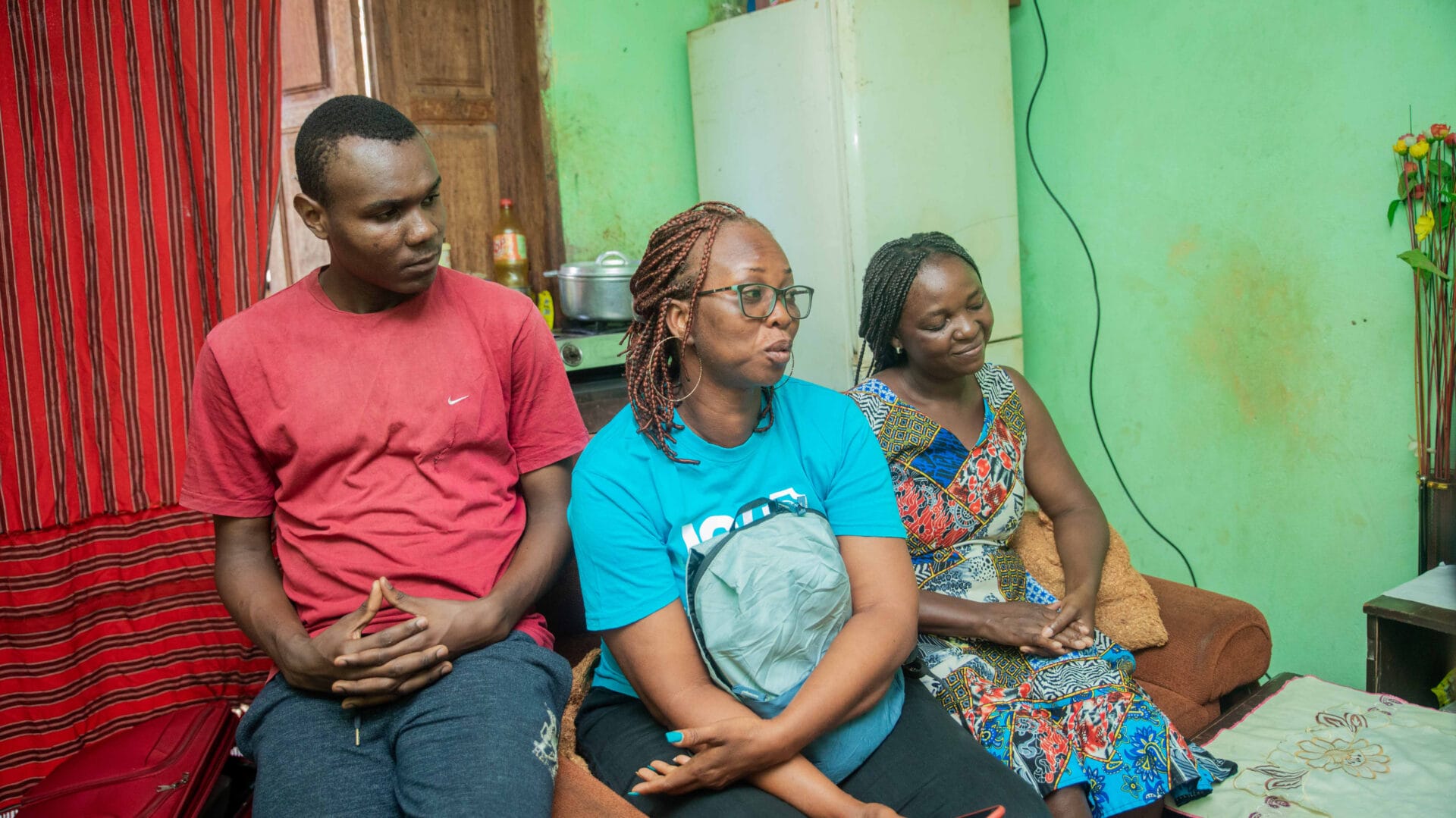
The thread connecting these three countries is simple: to push back malaria, robust national strategies are needed, but so are adapted tools, teams capable of implementing them and communities that are fully involved. That is where the sustainable transformation of the response is taking shape.