
“Reaching children where they live”: how COMBINE-PMC is developing a complementary malaria prevention strategy
The co-construction workshops organised in Togo and Côte d’Ivoire mark a decisive milestone in the COMBINE-PMC operational research project, supported by L’Initiative. Their ambition: to design, together with local stakeholders, a community-based chemoprevention strategy capable of reaching children who are still missed by existing prevention measures. Interview with Shino Arikawa, Scientific Coordinator of the project.
Why was it necessary to develop a new approach to protect children against malaria?
Shino Arikawa: Malaria remains the leading cause of death among young children in sub-Saharan Africa. Yet perennial malaria chemoprevention (PMC), recommended by the WHO since 2010 in areas where malaria transmission does not show seasonal variations, remains insufficiently implemented. Today, it is mainly delivered through the Expanded Programme on Immunisation. This approach leaves some children behind: those who never access vaccination services or who discontinue their follow-up.
COMBINE-PMC, led by the French National Research Institute for Sustainable Development (IRD), aims precisely to address this gap by assessing a complementary community-based distribution strategy. Beyond implementing this approach, the project also seeks to generate robust scientific evidence on its feasibility, acceptability, effectiveness and cost-effectiveness, in order to inform decision-making by national malaria control programmes.
How does this community-based strategy change the way malaria prevention is delivered?
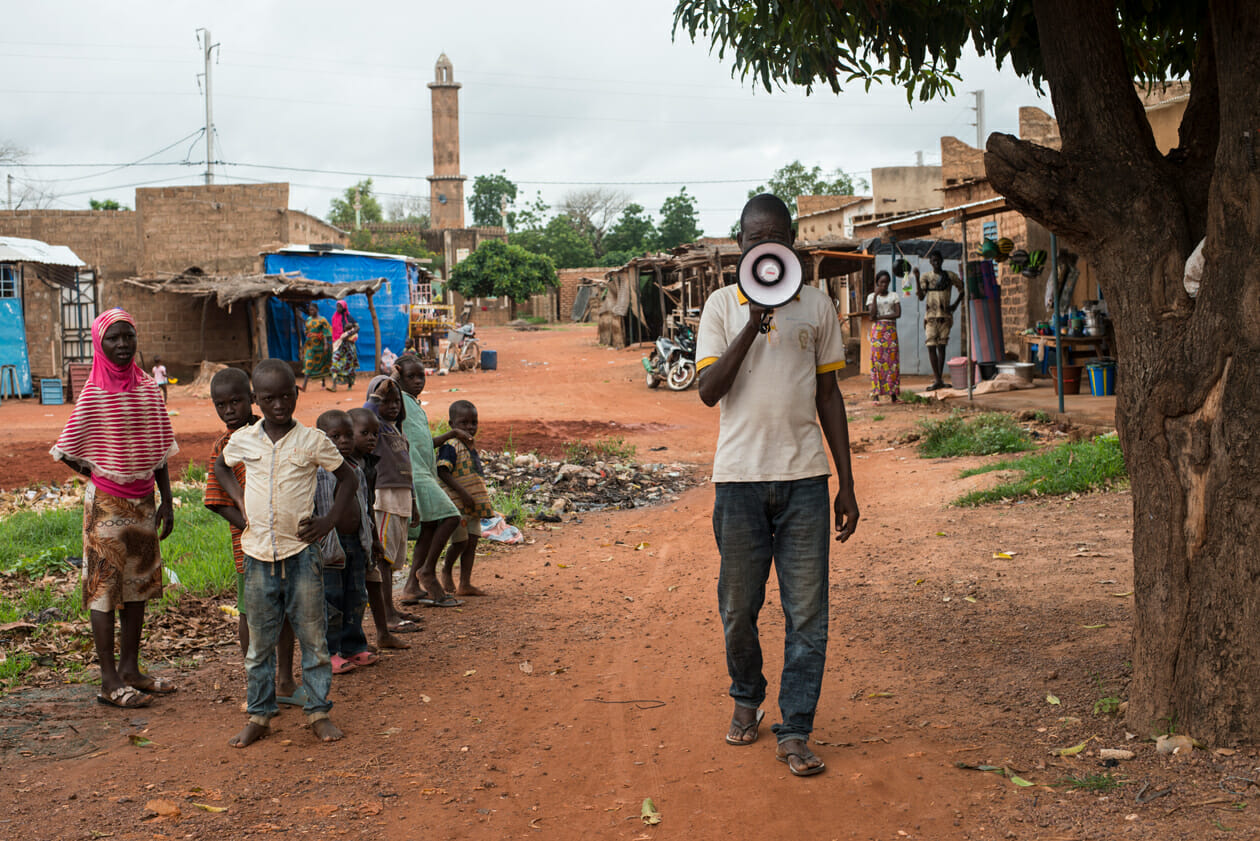
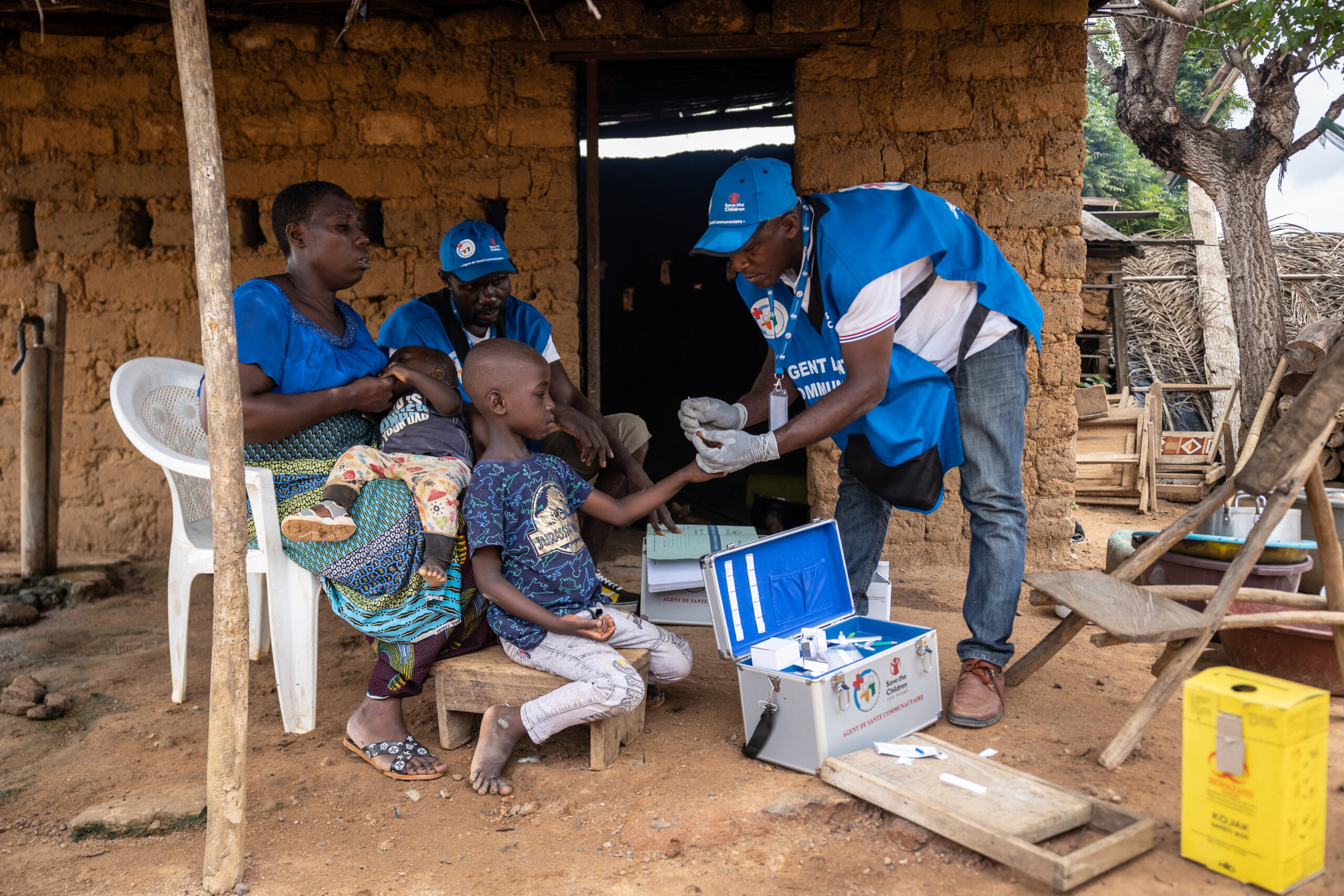
Shino Arikawa: The idea is simple: bringing prevention closer to families. Community health workers conduct home visits to administer additional chemoprevention doses to children under two years of age. Selected by and for their communities, these workers benefit from a relationship of trust that facilitates acceptance of the intervention and helps reach households located far from health facilities.
Available models also show that improving coverage, combined with increasing the number of doses received, multiplies the preventive impact of the strategy.
The co-construction workshops organised this year represent an important milestone for the project. Why did you choose this approach?
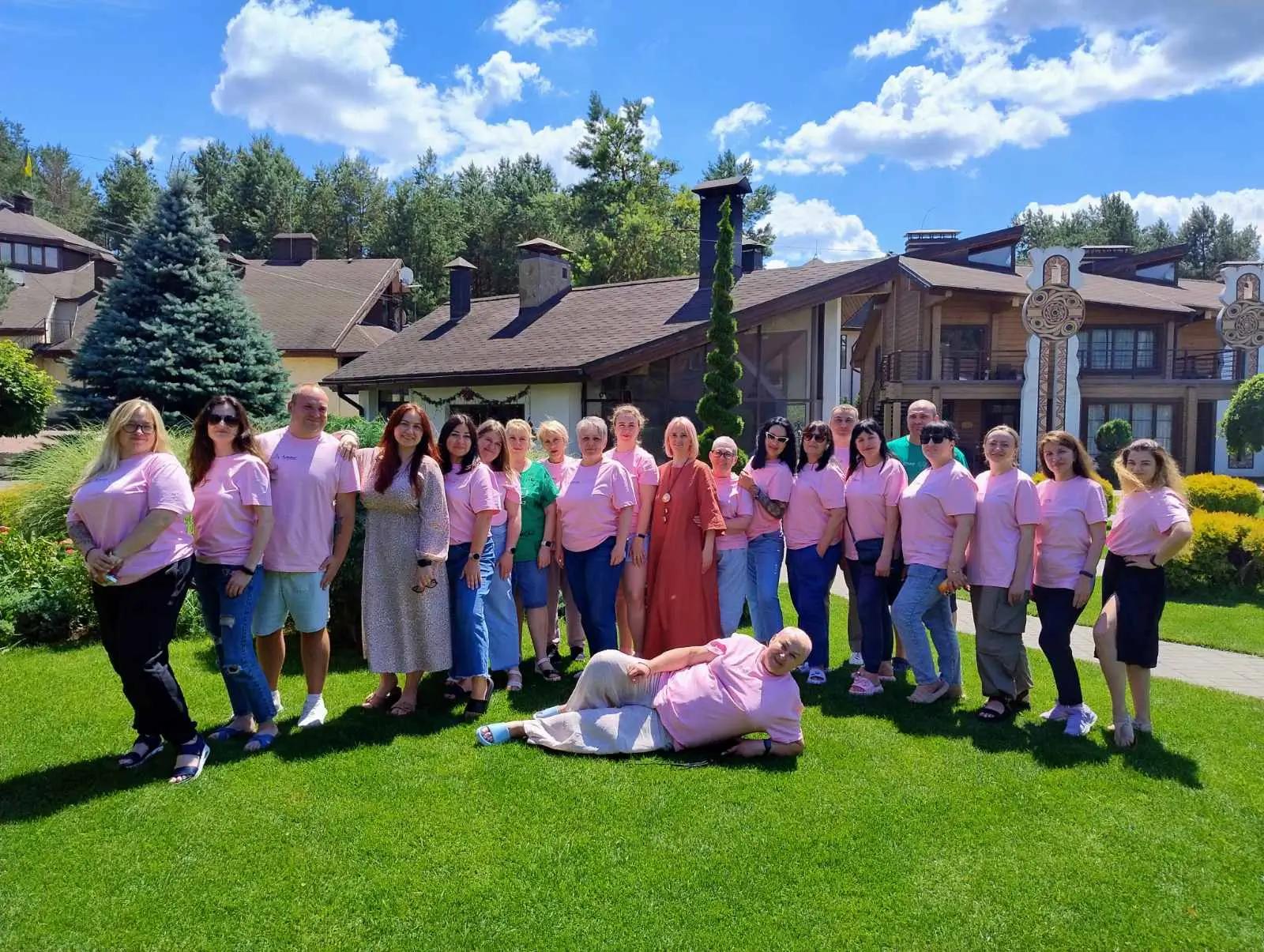
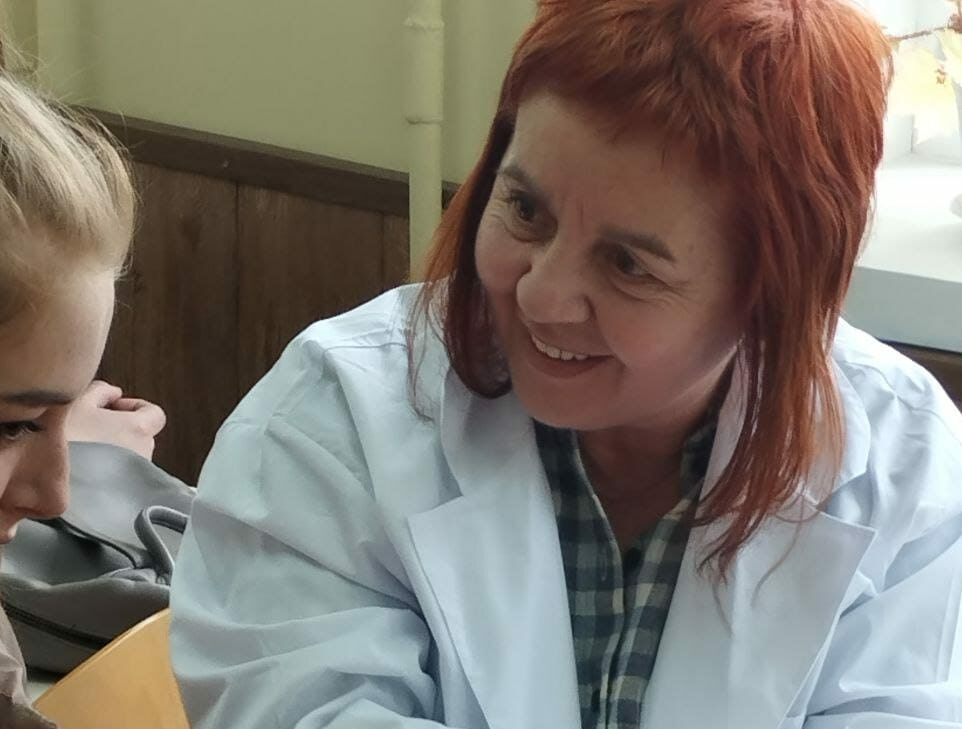
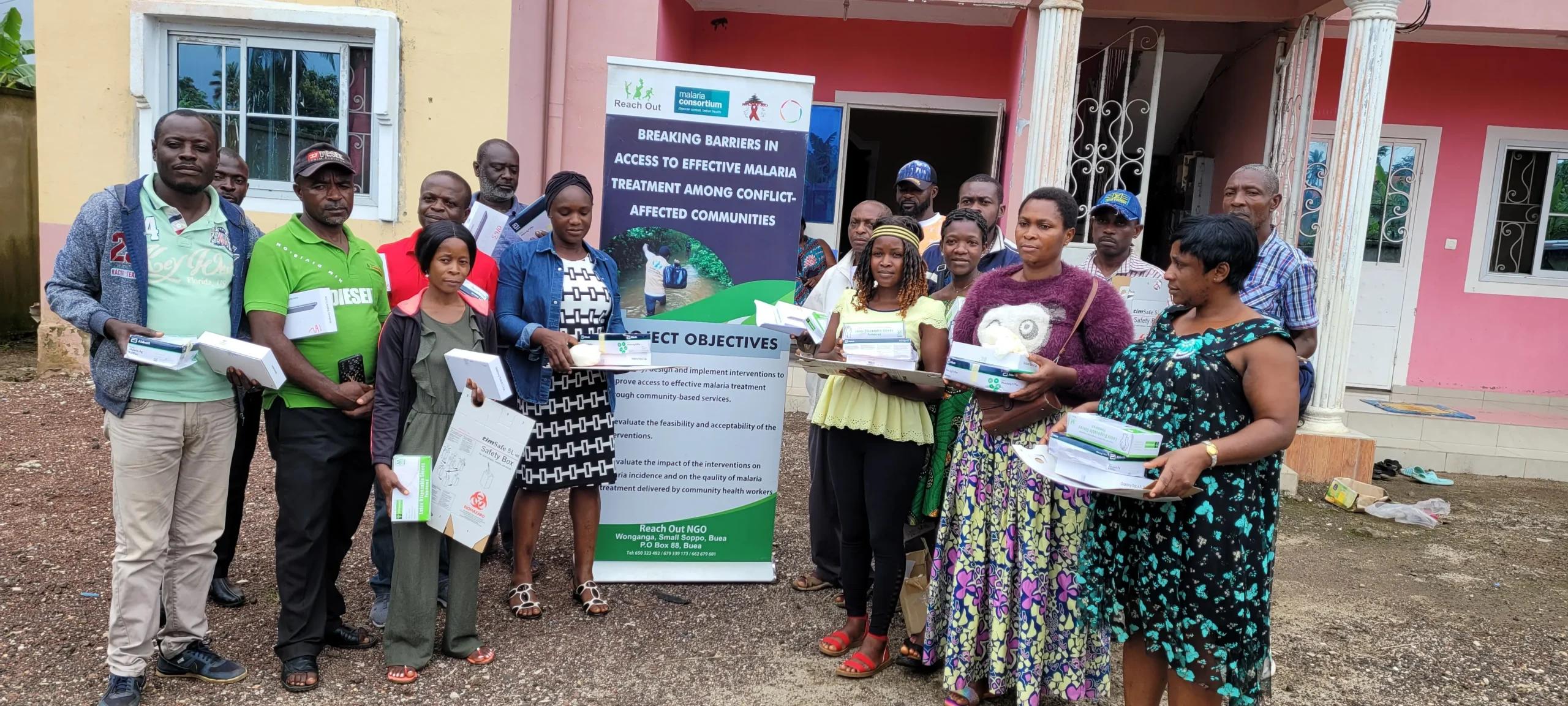
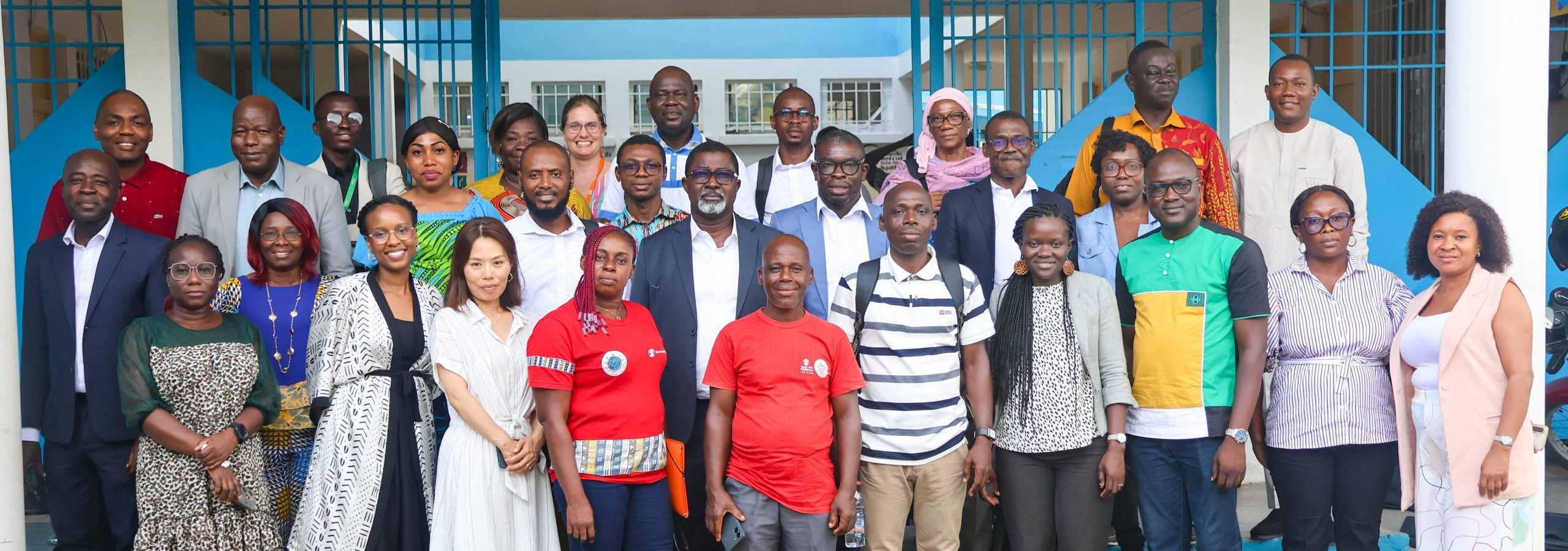
Shino Arikawa: Because a strategy can only succeed if it responds to realities on the ground. In both Togo and Côte d’Ivoire, these workshops brought together national malaria control programmes, district health managers, health centre teams and community health workers.
Together, they identified practical challenges, designed implementation tools and developed a community mobilisation strategy. This approach encourages genuine ownership among the stakeholders who will later be responsible for implementing the strategy.
The project also places significant emphasis on gender-related issues. Why is this important?
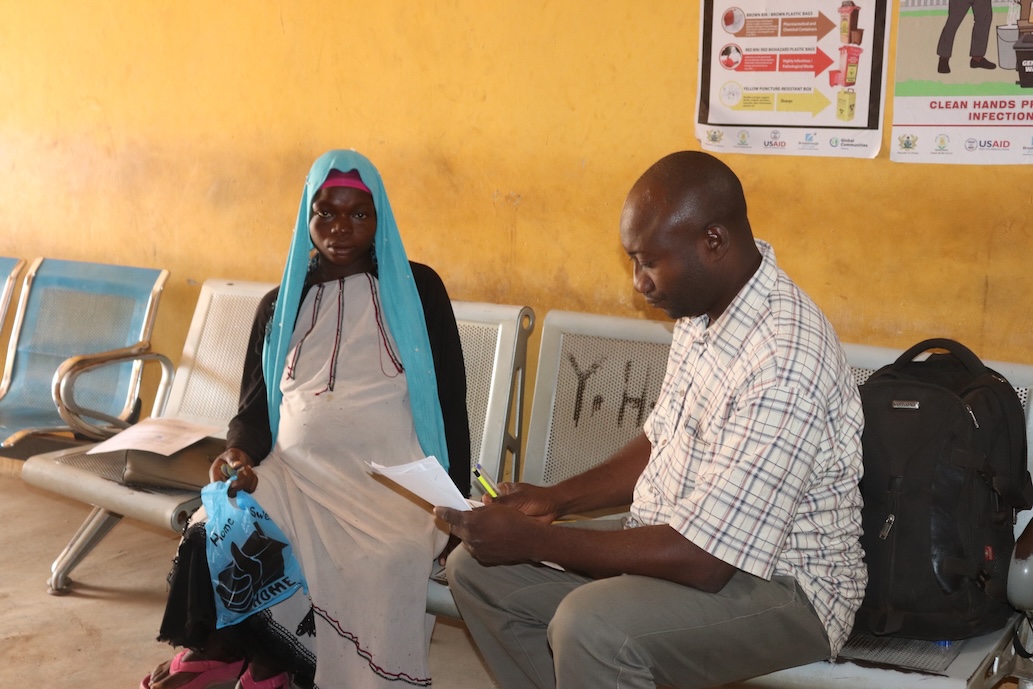
Shino Arikawa: Access to healthcare also depends on social factors. In many families, mothers provide daily care for children but do not always have the decision-making power, resources or time needed to visit a health facility.
By bringing chemoprevention directly into communities, COMBINE-PMC helps reduce some of these barriers. The project will also assess the extent to which this approach contributes to strengthening mothers’ ability to make decisions regarding their children’s health.
What do you hope to demonstrate by the end of the project?
Shino Arikawa: This project aims to generate robust evidence on the effectiveness, feasibility, acceptability and cost-effectiveness of this community-based strategy in two different national contexts.
The objective is for these results to guide national malaria control programmes, contribute to international recommendations on how chemoprevention should be implemented, and support other sub-Saharan African countries facing similar challenges.