
HIV: In Cambodia, a collective success built over time
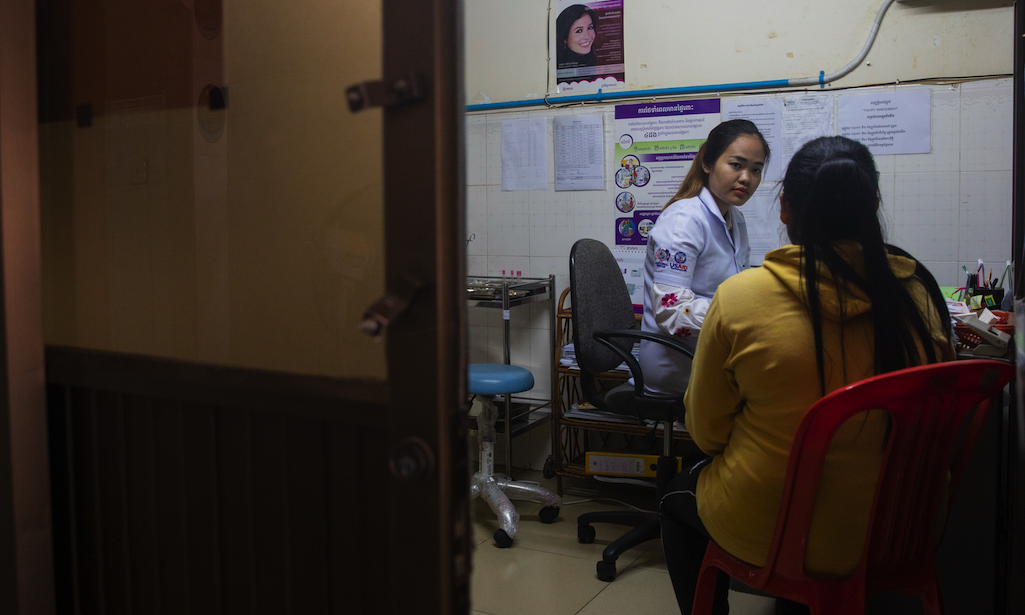
Cambodia has joined the group of countries that have achieved the UNAIDS 95-95-95 targets. Behind this milestone lie more than two decades of political commitment, exceptional community mobilisation, and the support of international partners, including L’Initiative, which has been helping the country strengthen its health system and improve access to prevention and care services for the most vulnerable populations.
A major milestone in the fight against HIV
Ninety-five percent of people living with HIV know their status, 95% of those diagnosed are receiving antiretroviral therapy, and 95% of those on treatment have achieved viral suppression. By reaching these targets, Cambodia has demonstrated that it is possible to sustainably control the epidemic through a coherent strategy grounded in scientific evidence, health system strengthening, and meaningful community engagement.
This achievement is all the more remarkable because it reflects more than the strong performance of the country’s health services. It also demonstrates Cambodia’s ability to reach the populations most exposed to HIV, reduce inequalities in access to healthcare, and build an integrated response in close partnership with community organisations.
L’Initiative is proud to have contributed to this progress. In Cambodia, its projects delivered the following results in 2025:
Innovative approaches to leave no one behind
One of the key lessons from Cambodia’s HIV response is that achieving international targets depends on solutions tailored to the realities of the populations they are intended to serve.
Bringing HIV treatment closer to people living with HIV
Implemented by the NGO KHANA, L’Initiative supported a community-based pilot project introducing a new model for dispensing antiretroviral treatment. Groups of 20 to 25 people were formed, each selecting a community leader responsible for collecting medication for the entire group from the local health facility.
This quasi-experimental study, conducted across 20 clinics, produced highly encouraging results, with retention in care exceeding 97% and viral suppression rates above 99% among patients. By bringing medicines closer to people living with HIV, this model not only improves treatment adherence but also enhances beneficiaries’ quality of life and mental well-being.
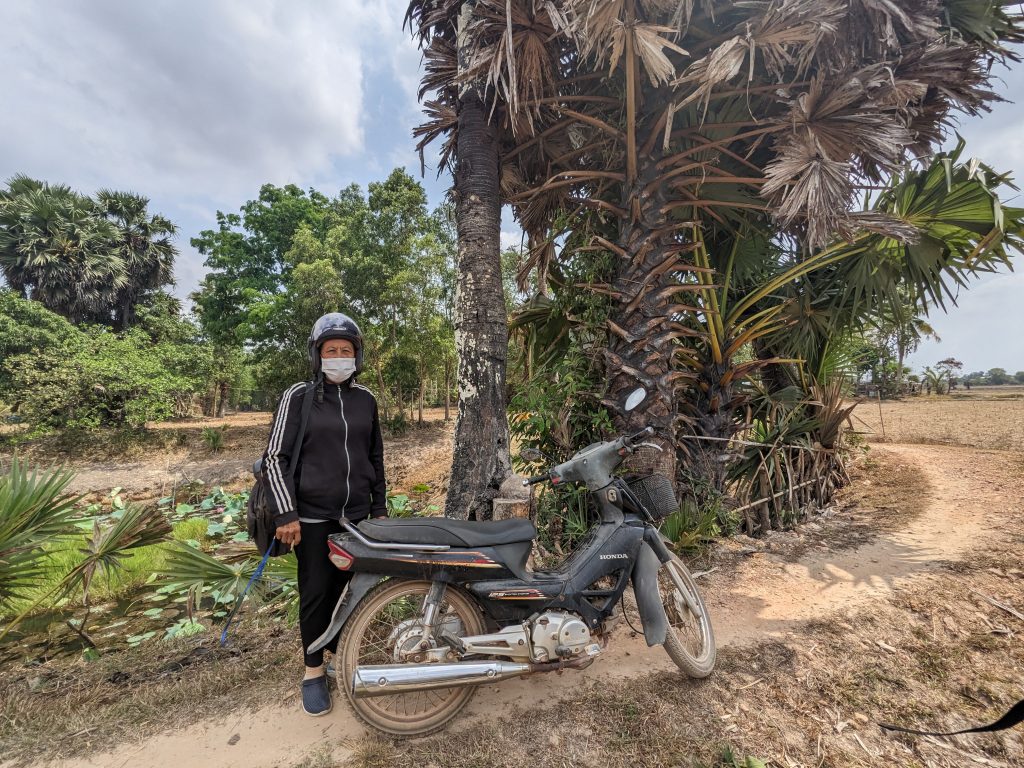
The study’s findings, published in Nature Communications in 2025, provide robust evidence supporting the wider adoption of community-based models of care.
Choub Sok Chamreun, Executive Director of the Khmer HIV/AIDS NGO Alliance (KHANA), discusses the community mobilisation project for antiretroviral therapy delivery in Cambodia, supported by L’Initiative:
Expanding access to healthcare for all
This commitment to reaching populations furthest from the healthcare system is also reflected in the M-FUND project, implemented by Dreamlopments. Operating along the borders between Cambodia, Thailand and Myanmar, this health protection scheme improves access to healthcare for migrants, stateless people, refugees and other mobile populations, who are often excluded from conventional health insurance systems. By July 2025, 100,000 people had voluntarily enrolled in the scheme, which had already financed more than 150,000 medical consultations and 20,000 hospital admissions. Covering HIV-related care, as well as tuberculosis and malaria services, M-FUND complements national universal health coverage policies while reducing interruptions in care in a region characterised by high levels of cross-border mobility.
The documentary “Myanmar–Thailand: Delivering Healthcare Across Borders” highlights two L’Initiative-supported projects in the region that improve access to healthcare for these vulnerable populations.
Building more inclusive responses
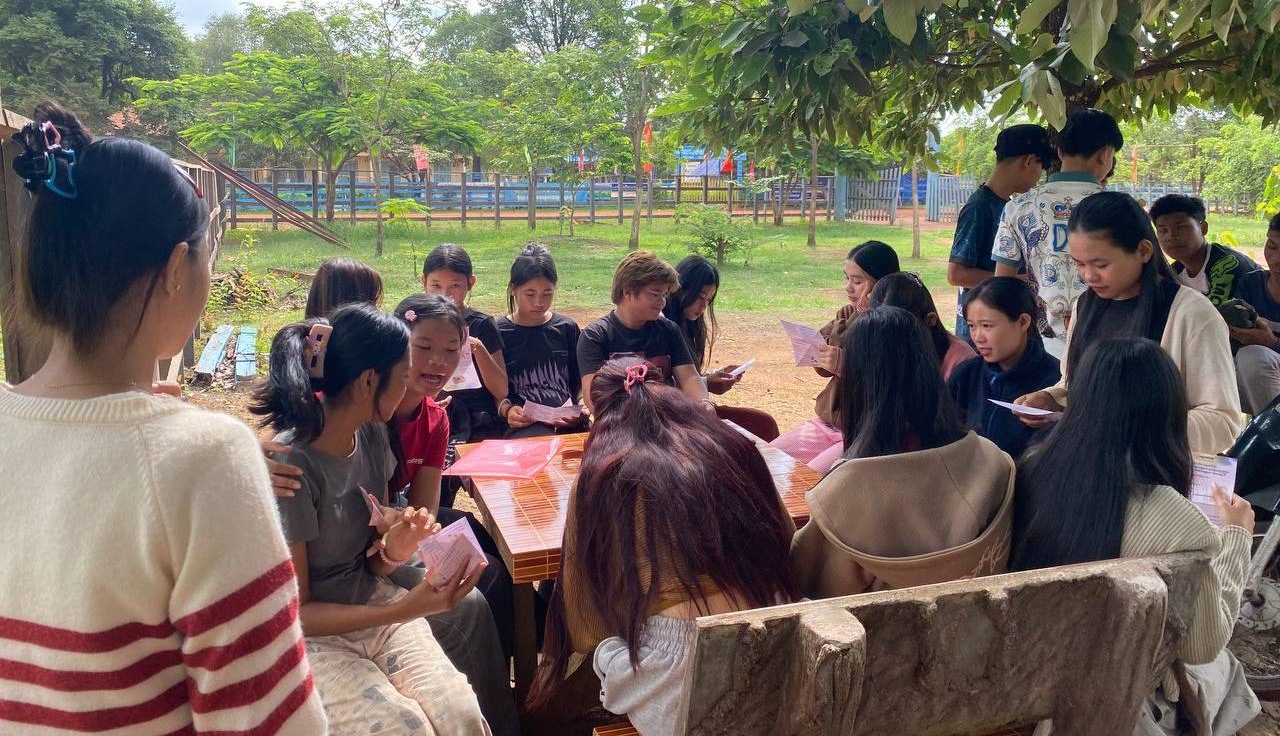
Finally, through REGENERATE, implemented by APCASO, L’Initiative supports a regional civil society-led approach to better integrate gender equality and sexual rights into HIV policies. Because discrimination remains a major barrier to accessing healthcare, the project works alongside communities and policymakers to develop more inclusive responses, particularly for women, young people and LGBTQIA+ communities.
Choub Sok Chamreun, Executive Director of the Khmer HIV/AIDS NGO Alliance (KHANA), reflects on Cambodia’s achievement of the 95-95-95 targets and explains how the REGENERATE project contributes to this success:
A success that opens new perspectives
Achieving the UNAIDS targets does not mark the end of Cambodia’s fight against HIV. Rather, it represents a decisive step towards ending AIDS as a public health threat.
This success is a reminder that lasting progress is only possible through sustained investment, resilient health systems and the active participation of communities. By continuing to work alongside national health authorities, researchers and civil society organisations, L’Initiative is helping make Cambodia a compelling example of how long-term partnerships can transform public health policies and deliver tangible improvements in the lives of the most vulnerable populations.