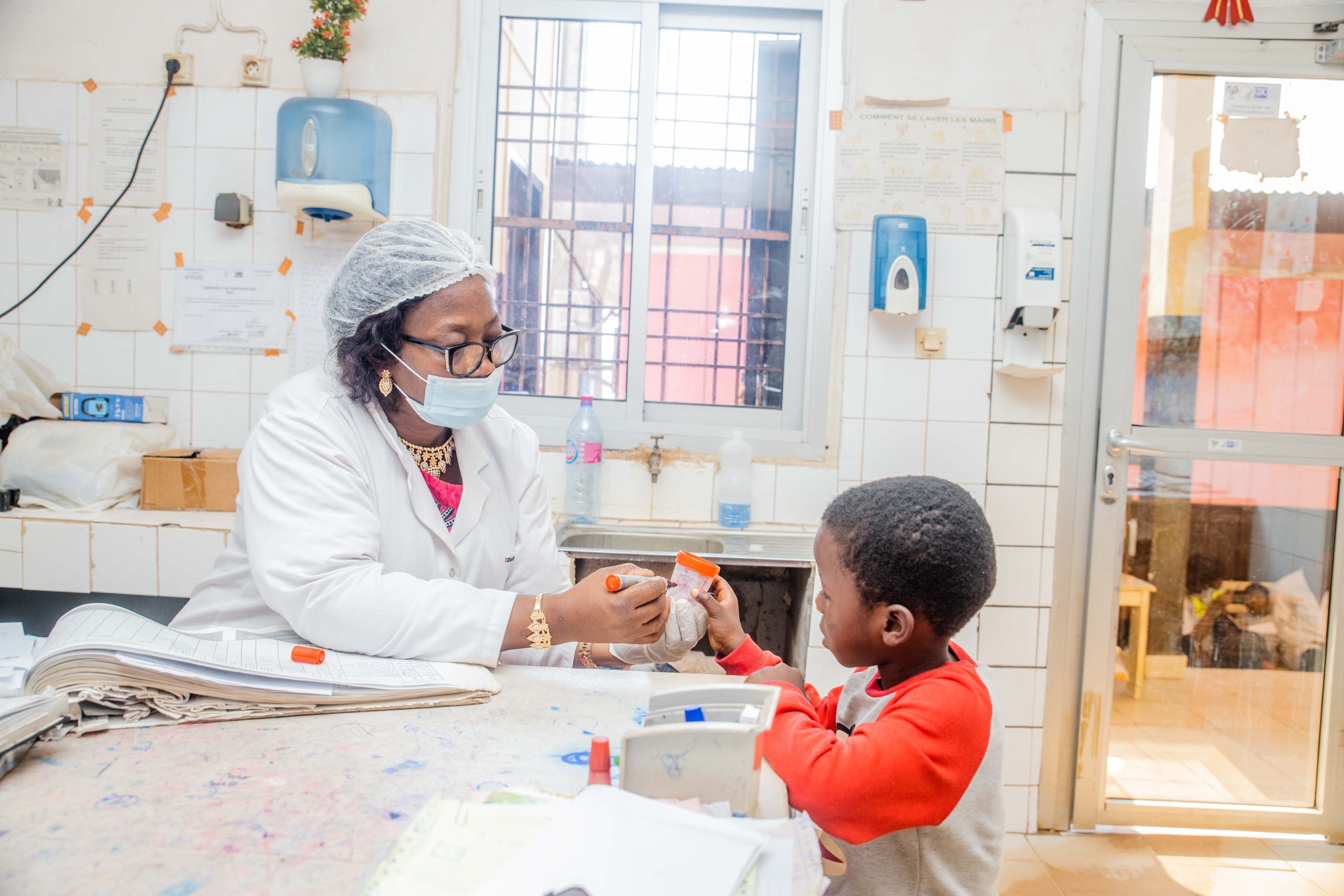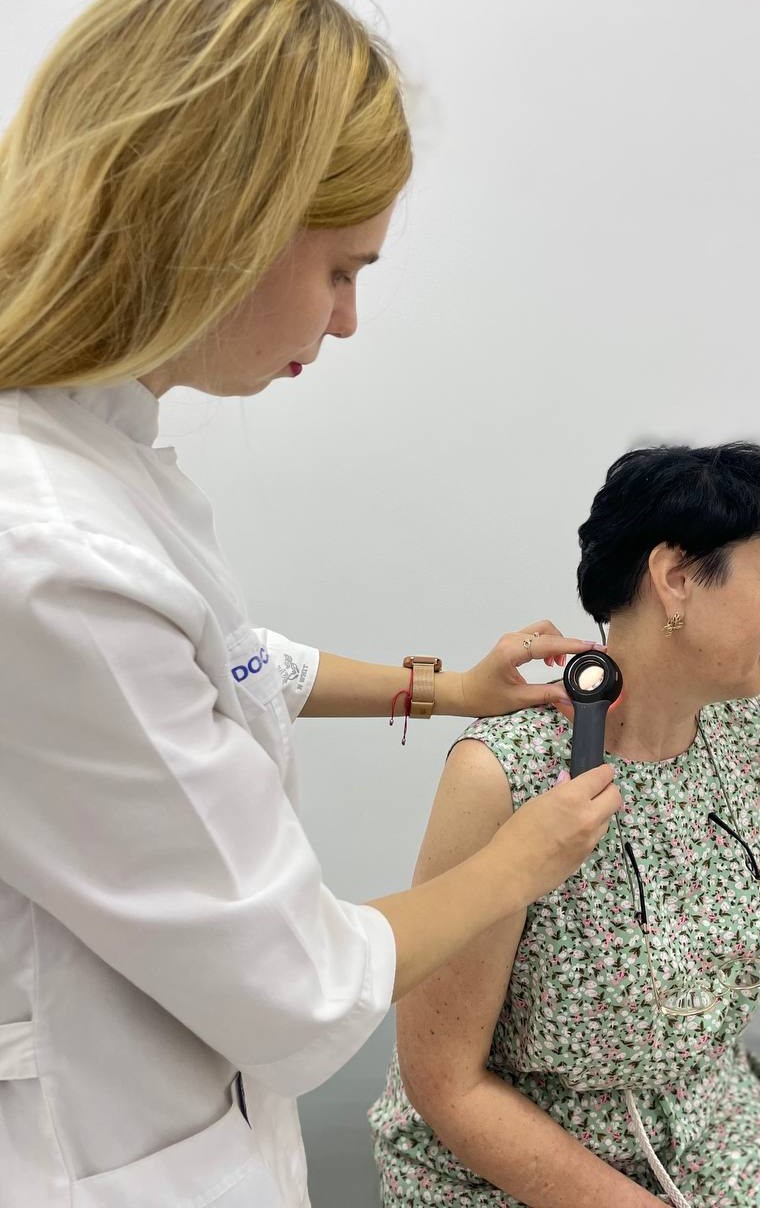

The project aims to improve the health of 10–24-year-olds in Kinshasa by strengthening access to reliable information and to gender and human-rights-sensitive, sexual and reproductive health (SRH), HIV and tuberculosis (TB) services, while preventing sexual and gender-based violence.
Context
With an estimated HIV prevalence of 1%, the Democratic Republic of Congo faces a generalized HIV epidemic. 10–19-year-olds account for 14% of people living with HIV in the country, in a context of scarce reliable information on SRH and limited access to SRH/HIV/TB services: lack of adapted services, distance, costs and stigma (age, gender, sexual orientation). Training providers, structuring referral pathways and involving community actors and health facilities are essential for improving the health of 10–24-year-olds.
Description
The programme implements a package of combined interventions in Kinshasa:
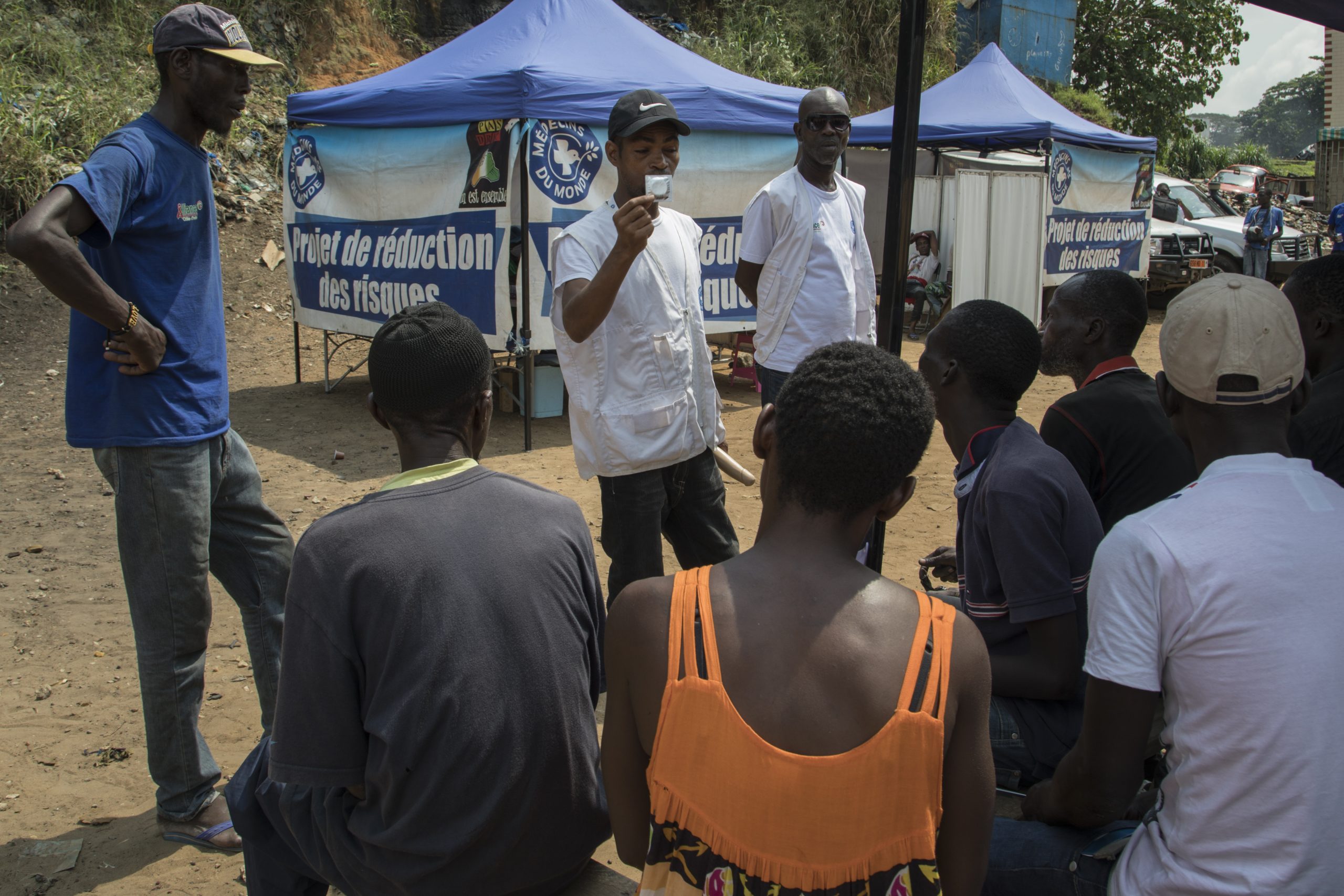
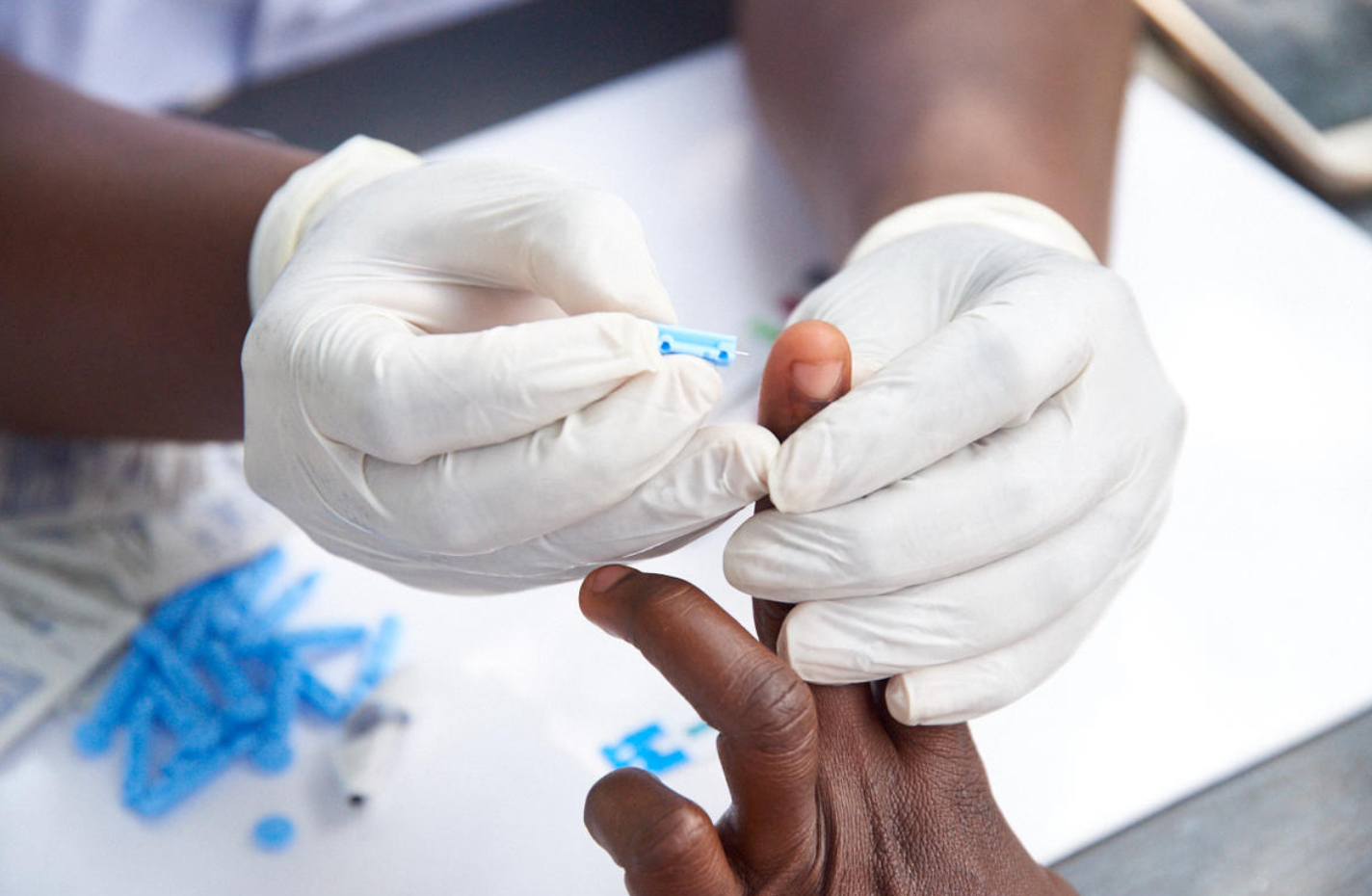
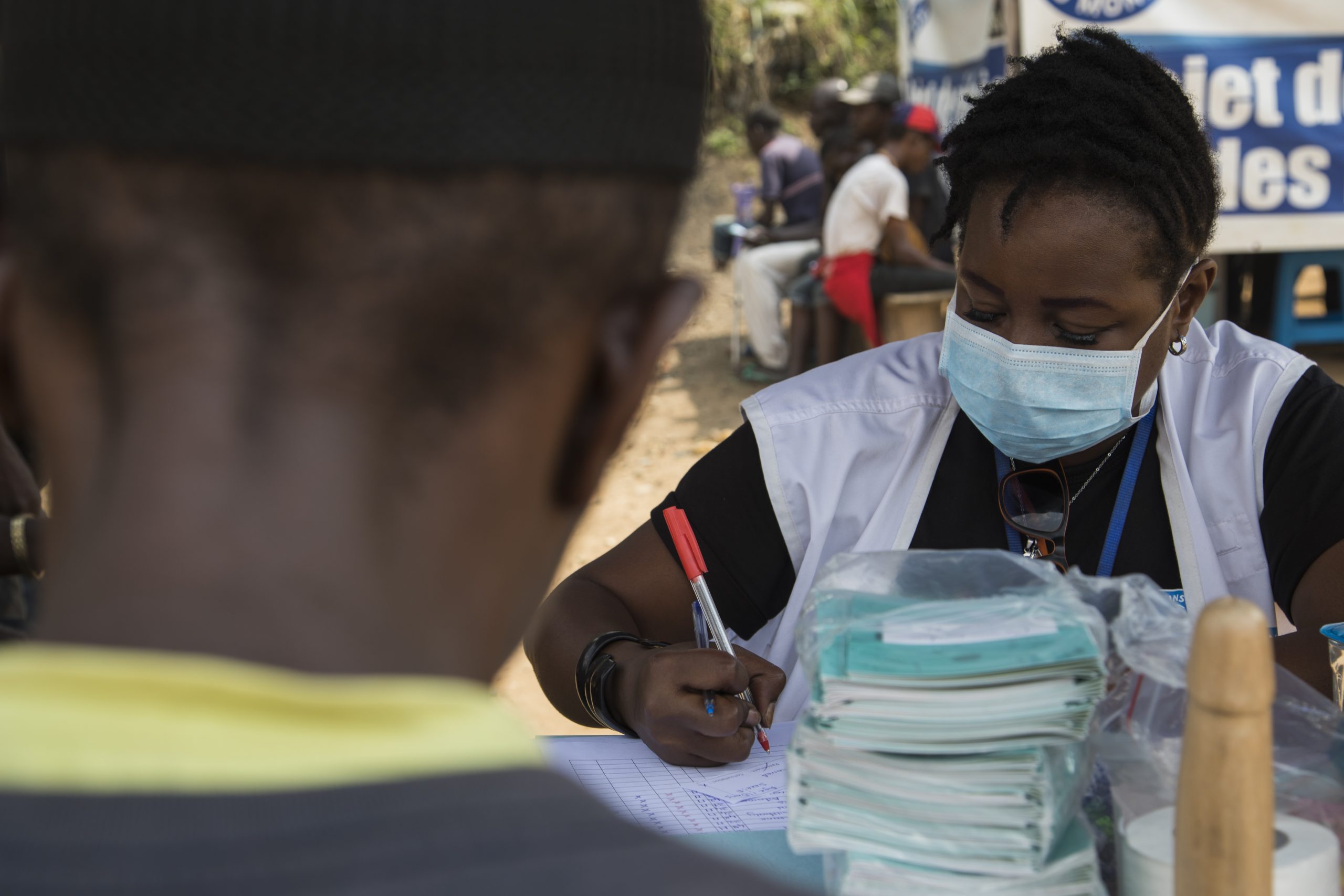
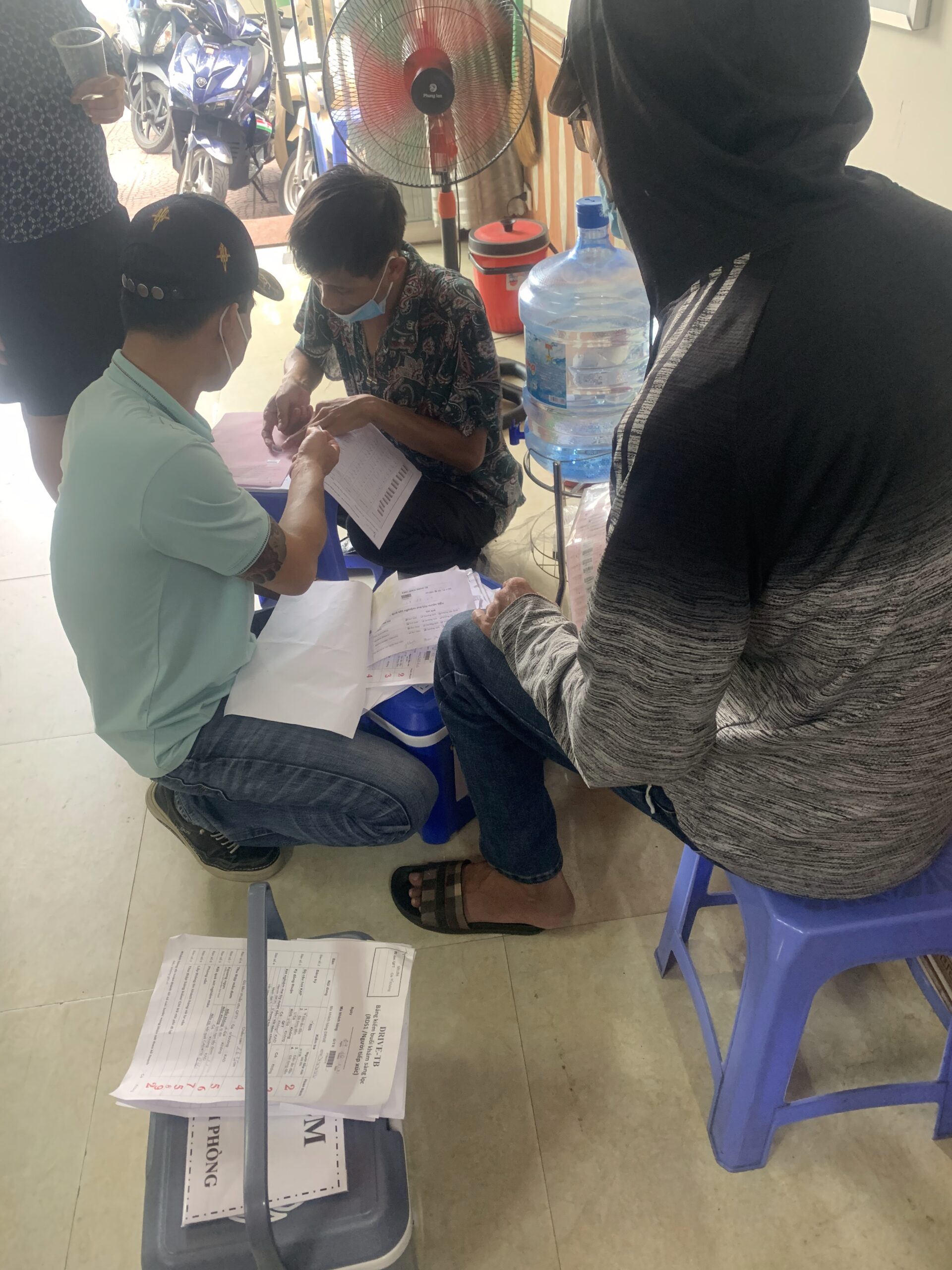
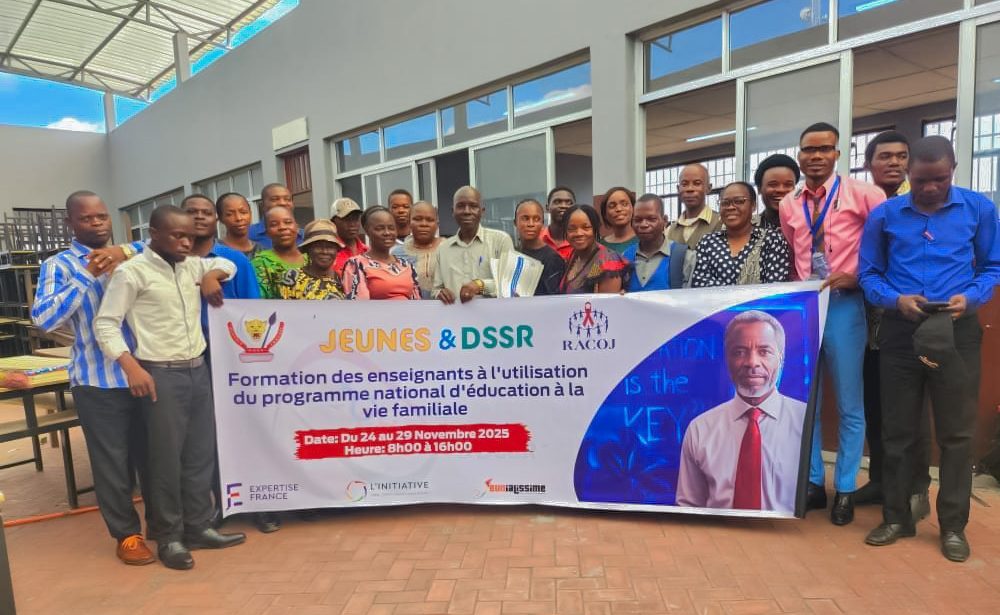
- Training for providers and community actors (peer educators, youth-friendly listening and information centres — CEICA, youth spaces, school clubs, legal clinics) on non-stigmatizing reception, SRH counselling, HIV/TB screening and contraception, and referral to care;
- Strengthening of CEICA, youth spaces and identity-affirming friendly centres (provision of educational and digital materials) and distribution of menstrual-hygiene kits;
- Structured referral pathways between communities and health centres, supported by regular monitoring and a joint RACOJ–national institutions supervision system;
- Targeted advocacy and awareness-raising (gender analysis, family engagement, mobilisation of authorities) to remove legal, cultural and economic barriers.
Impact
- Increased service coverage: more adolescents and young people receiving SRH counselling, HIV/TB screening and contraception;
- Youth empowerment and reduced gender inequalities: through messages validated by the gender analysis and by involving decision-makers;
- Decision-support: data collection, gender indicators and service-use statistics to adapt and sustain practices at provincial and national levels.