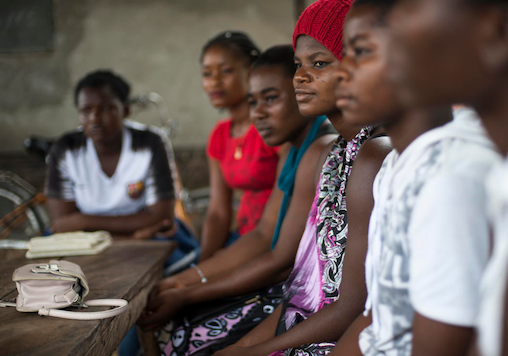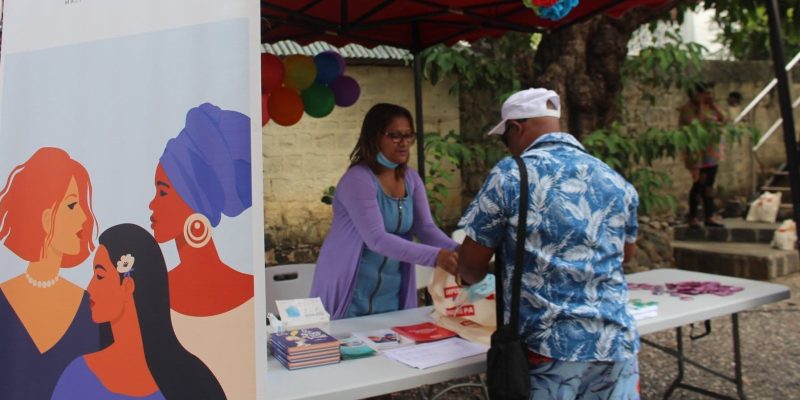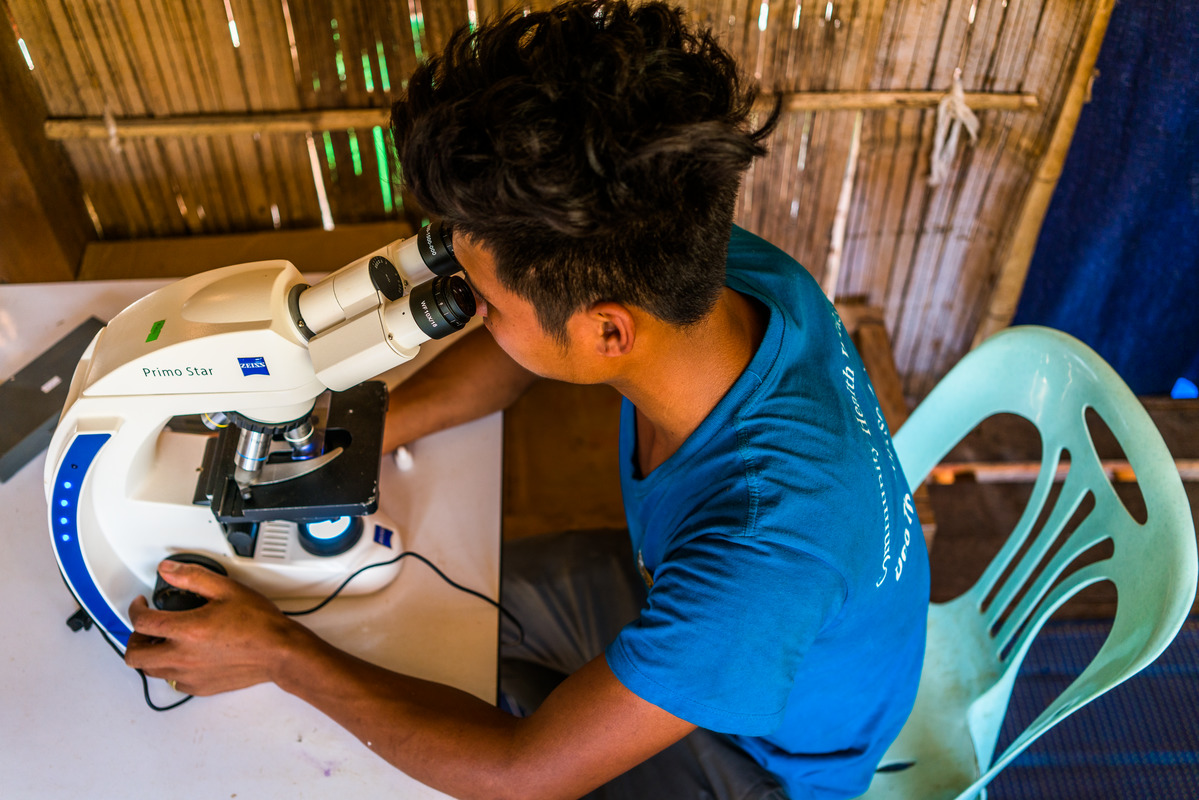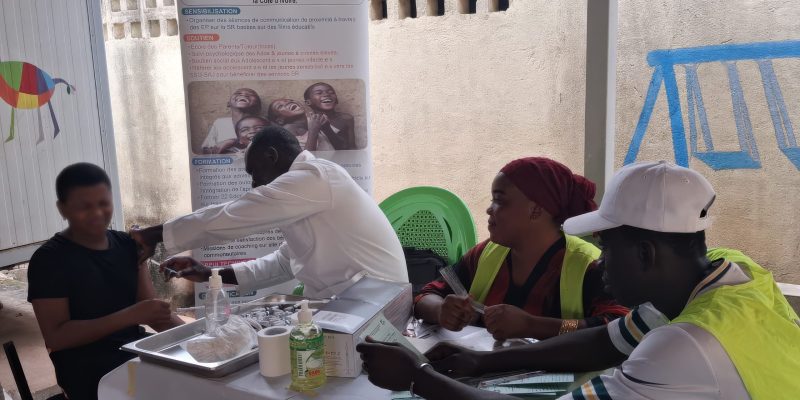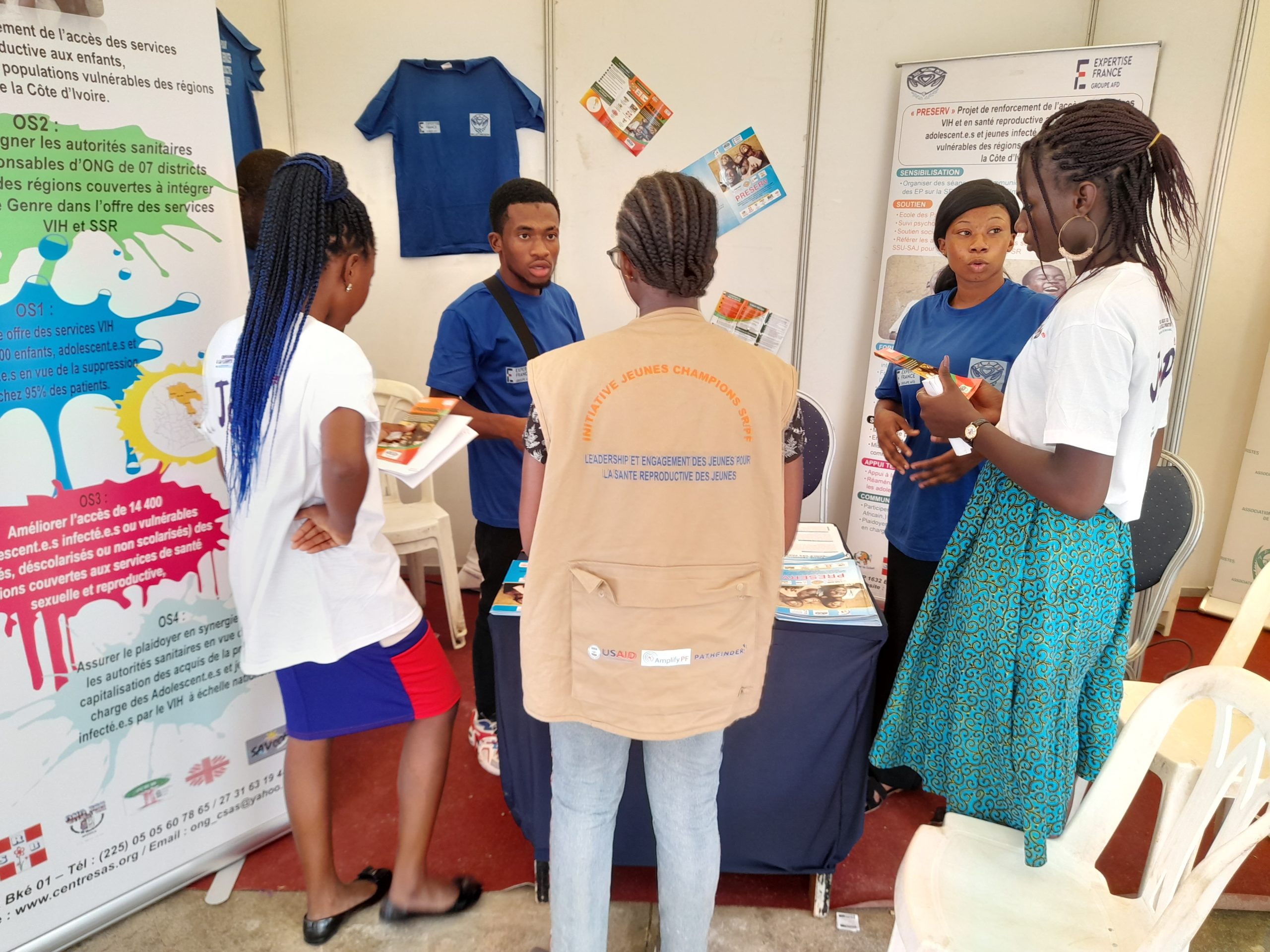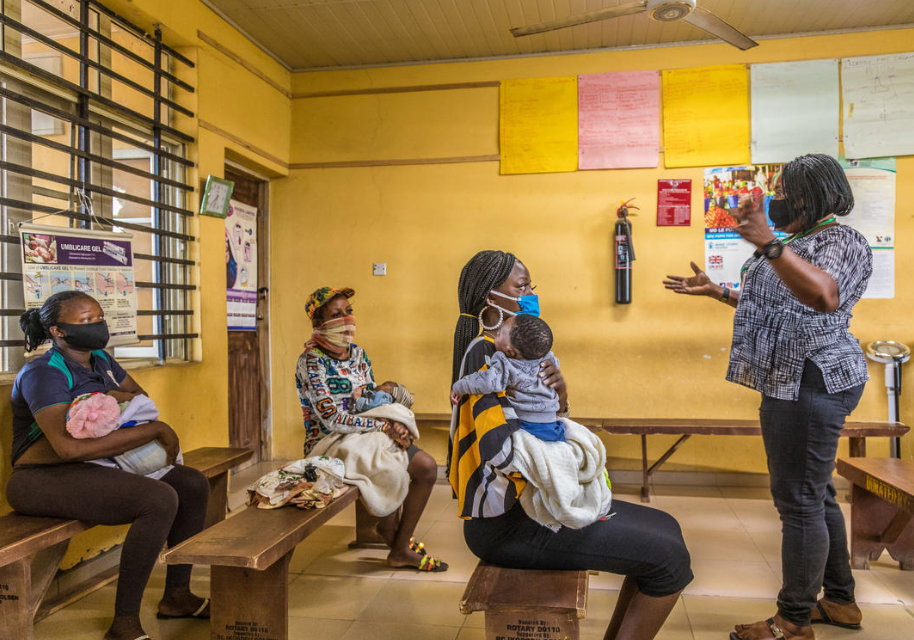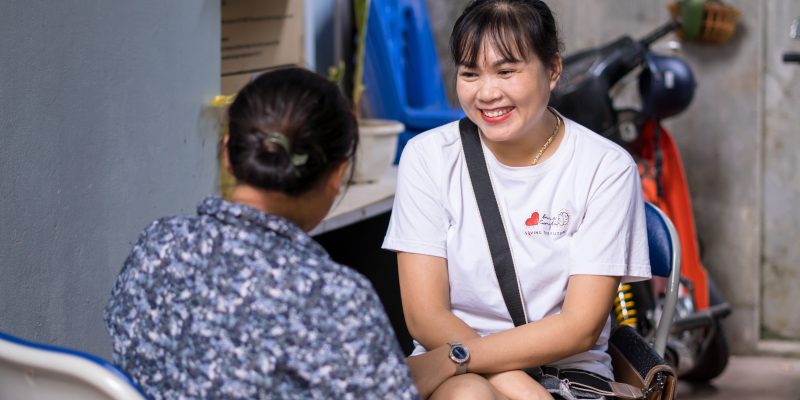

Following a first phase that strengthened access to sexual and reproductive health and rights for female sex workers in Côte d’Ivoire, the POUVOIR+ project expands the intervention to other highly vulnerable populations particularly exposed to HIV, violence and discrimination.
Context
In Côte d’Ivoire, the HIV epidemic remains concentrated among highly vulnerable populations: prevalence reaches 4.9% among cisgender female sex workers, 6.4% among men who have sex with men, 22.6% among transgender people and 3.4% among people who use drugs (6% among people who inject drugs). Their access to sexual health and rights is hindered by stigma, repressive policies, violence and gender inequalities. Focused on female sex workers, Phase 1 (POUVOIR) showed that an integrated, community-based service offer significantly improved the quality of care.
Description
Until now focused on female sex workers, POUVOIR+ is expanding its action to all highly vulnerable populations and to three new districts. Led by Solthis with Espace Confiance, COVIE and Arc-en-Ciel +, it is structured around four complementary areas of action to create a more inclusive and protective environment:
- Strengthening partner organisations: consolidating their capacities and ensuring the sustainability of drop-in centres;
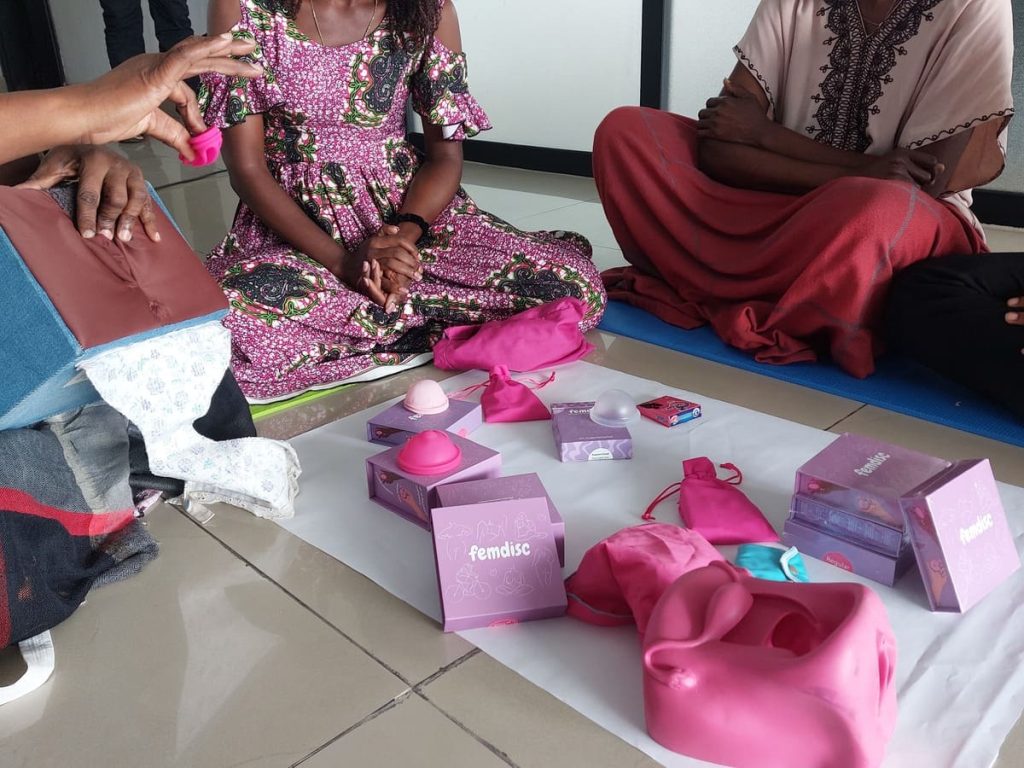
- Empowering individuals: peer education and workshops on self-care, self-gynaecology and self-defence, with a focus on the mental health of transgender people;
- Adapting healthcare services: making the sexual, reproductive and mental health services of ten centres more inclusive, including anal health and cervical cancer screening;
- Acting on the enabling environment: advocacy, awareness-raising among stakeholders in the wider environment, and knowledge transfer to promote the human rights of highly vulnerable people, including their sexual and reproductive rights.
Impact
POUVOIR+ aims to strengthen the capacities of partner civil society organisations, implement a community-based strategy to improve access to information and sexual health services and the management of gender-based violence for 9,575 people engaged in sex work, make the services provided by ten centres more inclusive, and bring about changes in the social and legal environment.