In the Republic of the Congo, TO BIKISSA MWANA (“Save the Child”) aims to strengthen screening and comprehensive care for children aged 0–5 affected by HIV, tuberculosis, sickle cell disease or malnutrition.
Context
In the Republic of the Congo, paediatric HIV remains vastly underdiagnosed. UNAIDS estimates that 1,800 new infections occurred among children aged 0–14 in 2023, while only 718 children aged 0–5 living with HIV are receiving care across the country. Many die before they are even diagnosed. Tuberculosis and sickle cell disease are also frequently diagnosed late due to limited access to X-rays and appropriate diagnostic tests. Nearly half of the population lives below the extreme poverty line (46.8%), leaving sick children particularly vulnerable to malnutrition. As the Global Fund only covers antiretroviral drugs, anti-tuberculosis drugs and certain diagnostic tests, consultations, examinations and other medicines remain largely at families’ expense, representing a major barrier to early and quality care.
Description
As a pilot project, TO BIKISSA MWANA operates in five healthcare facilities in Brazzaville, Pointe-Noire and Dolisie. It provides comprehensive care for children aged 0–5 through four areas of intervention:
- Promoting earlier screening: strengthening HIV testing through three approaches — provider-initiated testing, screening among siblings and testing for children of women in vulnerable situations — and systematically screening for HIV, tuberculosis and sickle cell disease;
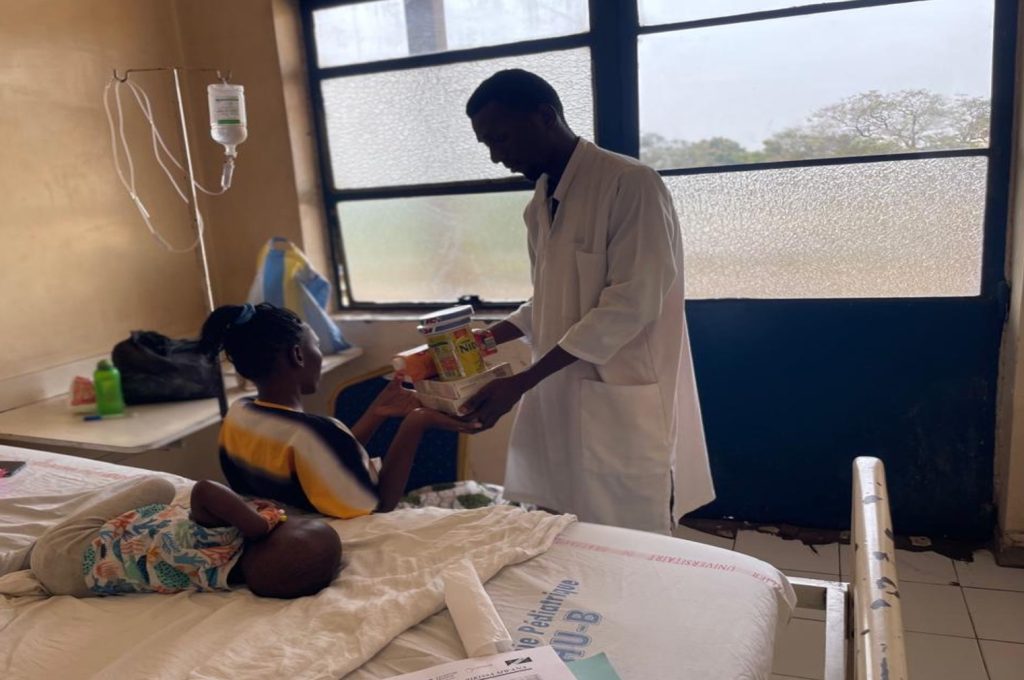
- Providing comprehensive care: subsidising consultations, laboratory tests and medicines, and ensuring nutritional rehabilitation for children;
- Providing psychological support: supporting children and their parents through expressive activities, treatment adherence support and discussion groups to help them cope with the burden of chronic illness;
- Strengthening healthcare professionals’ skills and gender equity: training healthcare staff in early screening, encouraging greater involvement of fathers and prioritising single-parent families.
Impact
The project aims to provide care for approximately 1,050 children aged 0–5, promote earlier diagnosis and improve the quality of care in order to reduce morbidity and mortality. By documenting an integrated approach and sharing its findings with national programmes, the project also seeks to inform public policies and lay the foundations for a replicable model of community-based paediatric care in the Republic of the Congo.