
“Communities are at the heart of the fight against AIDS”
As the AIDS 2026 conference opens against a backdrop of declining international funding, weakening human rights protections and the risk of a resurgence of the HIV epidemic, the role of communities in the HIV response has never been more critical. For Nicolas Lorente, Head of the Research Department at Coalition PLUS, affected communities should not merely be consulted—they must actively contribute to generating evidence, adapting services and shaping advocacy efforts. Drawing on several projects supported by L’Initiative, he discusses the value of community-based research, the recognition of peer educators and the ability of community organisations to transform field data into powerful drivers of change.
How would you define community-based research in simple terms?
Nicolas Lorente: Community-based research is built on an equal partnership between researchers and community stakeholders to design and implement scientific research projects.
It starts from the real needs identified in the field to co-develop scientifically and methodologically robust research protocols. Its objective is twofold: to generate strong scientific evidence while also driving meaningful social change, particularly through advocacy efforts or the development of new community health services.
For example, under the EPIC project, which assessed the impact of the COVID-19 pandemic on key populations, several community organisations identified a growing need for mental health support. They responded by setting up virtual counselling services for people who were unable to travel because of movement restrictions.
In the HIV response, what changes when affected communities are fully involved in producing evidence?
Nicolas Lorente: It changes everything.
For us, meaningful community-based research means that affected communities—or the organisations representing them—are involved at every stage of the research process, from defining the objectives and developing the protocol through to analysing and interpreting the results.
This field expertise is essential. It ensures that research is relevant, feasible and, above all, meaningful for the people it is intended to benefit.
When community organisations are merely consulted—or simply asked to recruit participants for clinical trials—it becomes much harder for them to express their perspectives and genuinely influence project decisions. Involving them from the outset also strengthens their capacities, improves their understanding of research issues—particularly methodological ones—and helps bridge the social gap between academic researchers and community health workers.
Actively contributing to—or even leading—a research project also enables affected communities to better understand the evidence generated, its significance and its practical value. These findings can then be used to improve community health services and support evidence-based advocacy.
This was the case with the PrEP Femmes 1 project, which explored interest in PrEP among women at risk of HIV exposure—a population that had previously been largely overlooked by existing PrEP programmes. The findings from this first phase identified several promising approaches, including decentralised and mobile PrEP delivery, which are currently being implemented and evaluated through PrEP Femmes 2.
What do community-based approaches reveal that more conventional approaches often fail to capture?
Nicolas Lorente: Community-based research helps document community-led initiatives and existing practices that are already proving effective in real-life settings.
The first level is monitoring and evaluation: collecting indicators to assess whether an intervention is effective. Community-based research goes a step further by examining the conditions, enabling factors and barriers that influence how interventions are implemented.
This involves collecting qualitative data from all stakeholders involved: community health workers, healthcare professionals, public authorities and, of course, service users themselves.
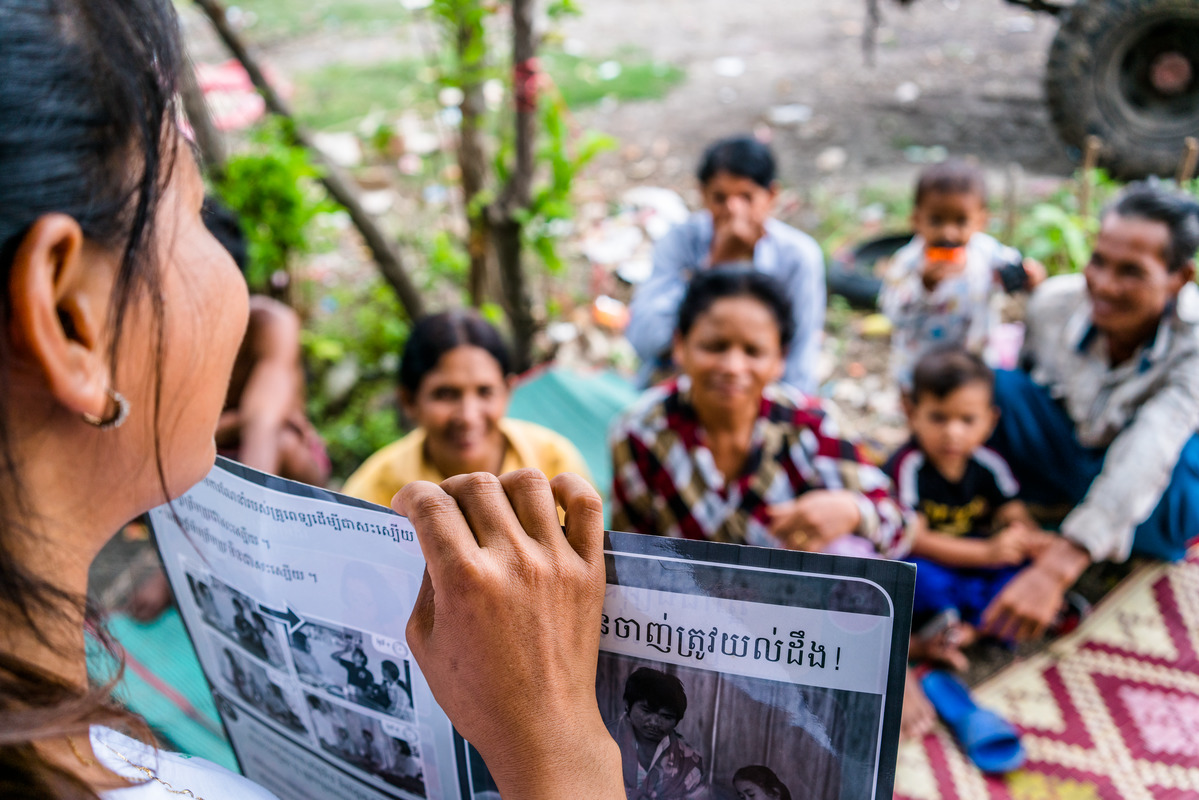
In the CASCADES project, for example, focus group discussions with people living with HIV highlighted the essential role of community-based facilities in HIV care while also explaining why these services better meet their needs.
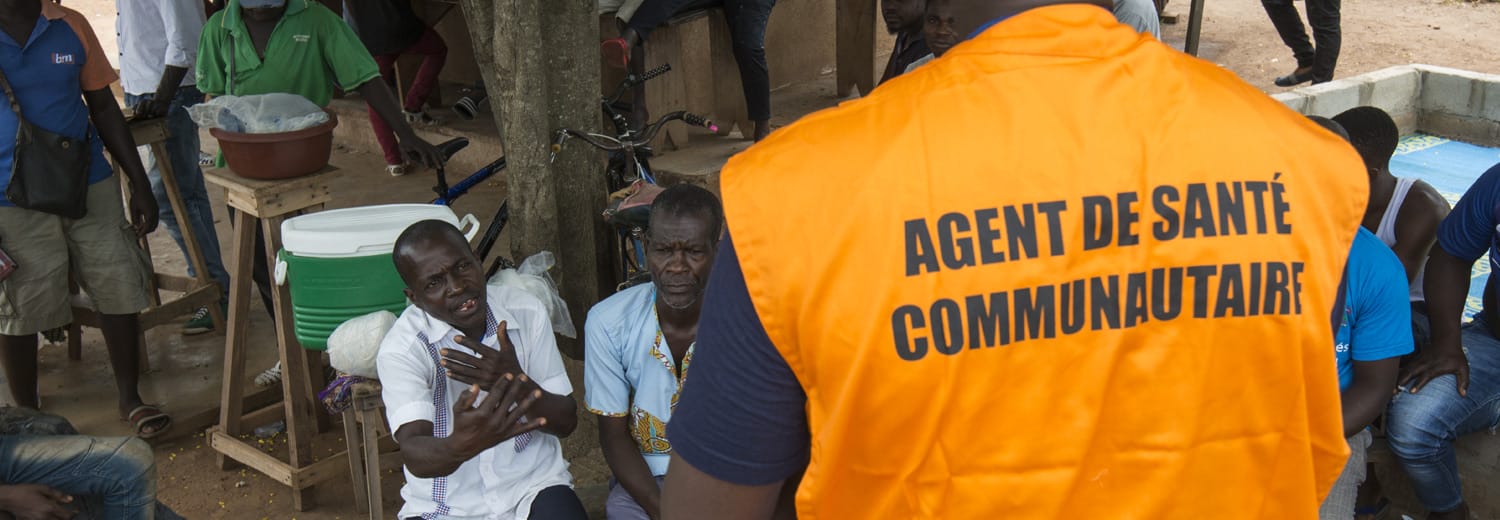
Participants pointed in particular to the availability of “friendly” healthcare providers, peer support, and the presence of peer educators both within healthcare facilities and in the community, helping to bridge gaps in care and facilitate access to treatment.
These findings strengthen advocacy for scaling up community-based HIV care. They also help develop indicators for evaluating future interventions based on the lived experiences of affected communities.
With the REPAIR project, recognising peer educators is a central objective. Why is this a public health issue?
Nicolas Lorente: Since the beginning of the epidemic, peer educators have been the cornerstone of access to testing, prevention and care for the populations most affected by HIV and most exposed to stigma.
Yet their role is still not formally recognised. Many continue to work under highly precarious conditions, undermining both the quality of their work and access to care for the most vulnerable populations.
These conditions have deteriorated significantly following successive funding cuts, particularly after the announcements made by President Trump in January 2025. In a survey conducted in autumn 2025 among 76 community organisations belonging to the Coalition PLUS, Sidaction and Frontline AIDS networks, we found that financial support for 2,275 community health workers and peer educators had been withdrawn or suspended—an average of 45 positions per organisation.
Through the REPAIR project, we will generate detailed evidence on the role and realities of peer education in the HIV response, including cost-effectiveness analyses. The objective is to estimate the costs associated with peer educators in relation to the value they generate through HIV testing, PrEP support, tracing people living with HIV who have been lost to follow-up, and many other activities.
These findings will help demonstrate that community-based approaches are highly cost-effective.
How can evidence generated in the field influence public policy?
Nicolas Lorente: This is where community-based research demonstrates its full potential.
As we often say, community organisations know how to provide excellent “after-sales service.” They know how to use research findings to build strong advocacy, influence legislation and bring about tangible changes in public health policies.
In France, for example, during the late 2000s, rapid HIV tests (TRODs) could only be performed by healthcare professionals or pharmacists. It took two community-based research projects conducted jointly by AIDES and SESSTIM, combined with sustained advocacy by AIDES, to change the legislation. Roselyne Bachelot, then Minister of Health, was among the first people to receive a community-based rapid HIV test performed by AIDES staff.
That is precisely the challenge: not only producing evidence, but also ensuring that it is understood, owned and used by those who have the power to transform practices, programmes and public policies.
In the current context, what message would you like to bring to AIDS 2026?
Nicolas Lorente: At the previous AIDS Conference in Munich in 2024, there was a tremendous sense of enthusiasm and hope following the announcement of the PURPOSE trial results, which demonstrated the effectiveness of long-acting injectable lenacapavir PrEP for key populations affected by the epidemic.
At that time, we genuinely believed that ending the epidemic was within reach, thanks to effective treatments, the level of global treatment coverage achieved and the wide range of prevention tools available.
Two years later, everything has changed. We are facing the collapse of funding from major donor countries and a deterioration in the human rights environment and civic space. As a result, we now face an unprecedented and very real risk of the HIV epidemic resurging.
This conference provides an opportunity to mobilise once again. We must face the current reality and identify the levers we still have to act.
Supporting community organisations—their work, their advocacy and their research—is one of those essential priorities. Community actors are at the heart of the fight against AIDS, and Coalition PLUS is determined to carry this message throughout the conference.