HIV: making needs visible to better guide the response
An effective response cannot be built on aggregate data alone. It requires an understanding of which populations are affected, where needs lie and what barriers continue to prevent some people from accessing health services. In Cameroon, Côte d’Ivoire and the Republic of the Congo, biobehavioural surveys have helped document these realities and provided national programmes with evidence to adapt their interventions.
Looking beyond national averages
In Côte d’Ivoire, HIV prevalence among people aged 15–49 was estimated at 1.7% in 2024. While this indicator provides an overview of the epidemiological situation, it does not fully capture the disparities within the epidemic, particularly among key populations. Data must also help identify who is most at risk, the circumstances in which they are exposed to HIV, and their access to prevention and care services.
A survey conducted in 2025 with the support of L’Initiative among 1,105 people who use drugs in five locations across Côte d’Ivoire illustrates the importance of a more granular approach. HIV prevalence reached 6.8% among the study population, but this overall figure masked a substantial disparity by sex: 24% among women, representing 40 of approximately 166 female participants, compared with 3.7% among men, representing 35 of approximately 939 male participants. Disparities were also evident in access to testing. Among people living with HIV, 70.6% knew their HIV status, but this proportion ranged from 75.4% in Abidjan to just 19.7% in Daloa. Outside the economic capital, the distribution of sterile equipment and access to comprehensive prevention services also remained very limited.
These findings provide essential evidence for tailoring interventions according to sex and local circumstances. They also highlight the limitations programmes may face when available data are outdated or incomplete. Several biobehavioural studies had been conducted among key populations between 2014 and 2022, but most covered only a handful of locations. In the absence of a dedicated survey among people who use drugs during the previous grant period, needs had to be quantified using projected estimates when preparing the funding request to the Global Fund. The 2025 study now provides more precise information to guide future interventions.
Bringing underdocumented populations into focus
A lack of population-specific data can also leave certain groups on the margins of national strategies. In Côte d’Ivoire, no biobehavioural survey had previously been conducted among transgender people. A first study, funded by L’Initiative and conducted between April and May 2025 among 482 transgender women in Abidjan, Bouaké and San Pedro, helped provide a clearer picture of their situation. Estimated HIV prevalence among participants reached 40.7%. The study also highlighted substantial prevention needs: only 29.2% of participants had received a comprehensive combination prevention package, and just 0.3% had ever used pre-exposure prophylaxis (PrEP).
This prevalence figure relates to participants in the three cities covered by the survey and does not constitute a national estimate. Nevertheless, it highlights the scale of the needs that must be considered when designing tailored interventions, going beyond the general estimates previously available.
The same need to better document key populations is evident in the Republic of the Congo. The biobehavioural survey supported in 2024 covered five groups: sex workers, men who have sex with men, people who use drugs, gender minorities – predominantly transgender women – and prison populations. Notably, it included gender minorities in the national survey framework, whereas no previous survey had covered them. Among respondents in this group, weighted HIV prevalence was estimated at 42.67%. Findings varied considerably across cities, from 57.82% in Brazzaville to 6.71% in Dolisie.
By documenting these disparities, the survey highlights why a uniform response cannot be sufficient. Needs, levels of exposure and barriers differ not only between population groups but also between geographical areas.
Using new data to refine priorities
Generating this knowledge involves much more than conducting tests. Biobehavioural surveys combine biological data with interviews covering behaviours, knowledge, service use and barriers encountered. When complemented by mapping and population size estimates, they also help identify where needs lie and guide the coverage of interventions.
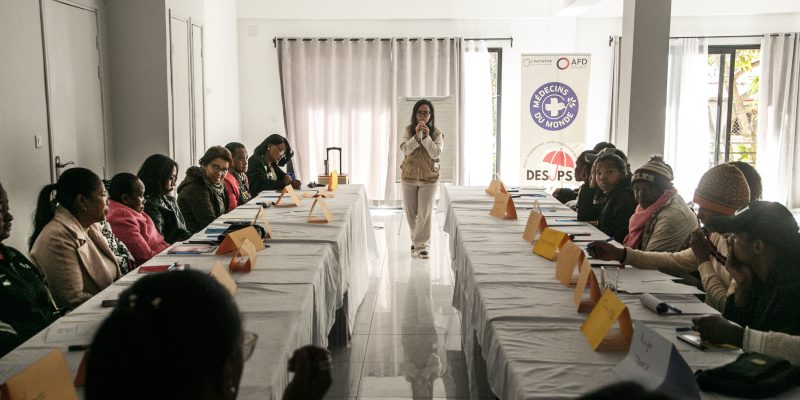
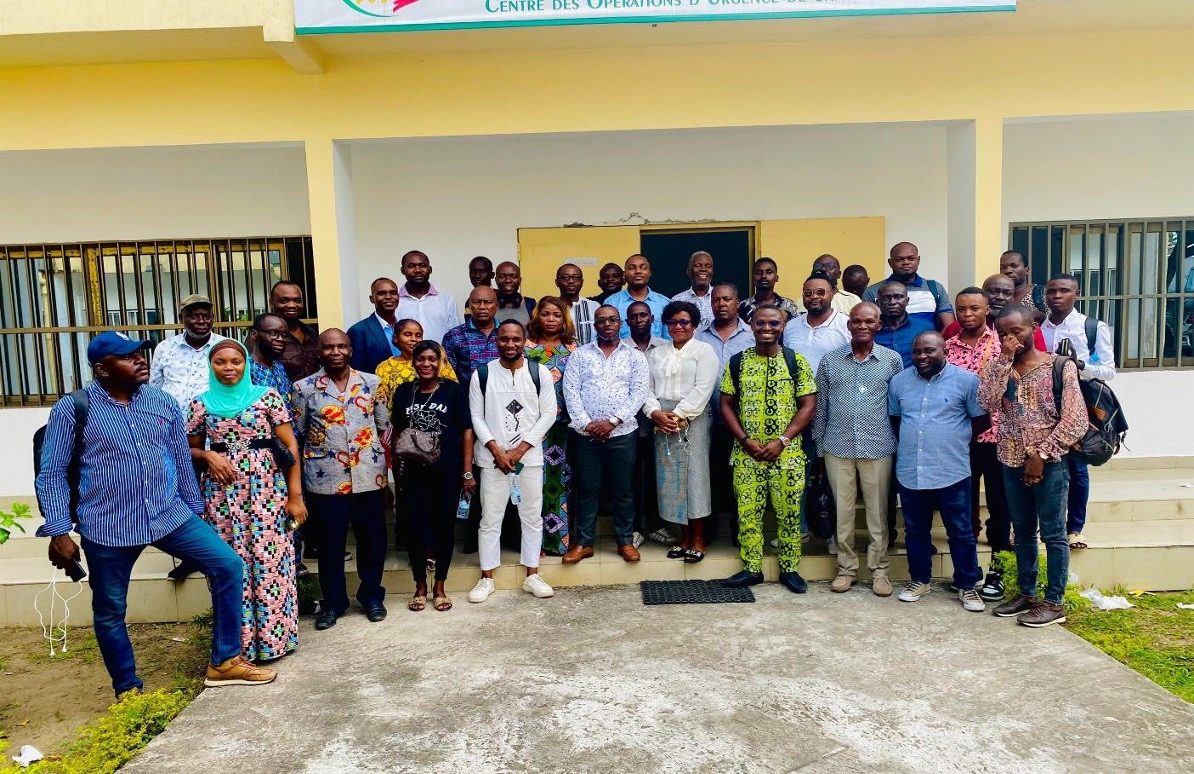
In Cameroon, technical assistance provided to the National AIDS Control Committee (CNLS) and CARE supported the implementation of a survey covering four key populations: men who have sex with men, female sex workers, transgender people and people who use drugs. The survey covered 28 sites across 13 cities. It involved training nearly 300 data collectors, 28 site supervisors and 13 regional coordinators. Following data collection and analysis, the final report was adopted by the Ministry of Public Health in January 2025.
These findings provide evidence to guide existing programmes for men who have sex with men and female sex workers across the country’s ten regions. They also help inform the potential development of programmes for transgender people and people who use drugs in Yaoundé and Douala. The results of this technical assistance thus enabled the country to define its national priorities and prepare its funding request under the Global Fund’s eighth grant cycle (GC8).
From expertise to decision-making: essential support
From developing the research protocol to disseminating the findings, conducting a biobehavioural survey requires a range of complementary skills. This involves defining the methodology, preparing tools, obtaining ethical and administrative approvals, training teams, ensuring the quality of data collection, analysing the data and supporting national stakeholders in taking ownership of the findings. Mapping and population size estimation also require specific methodologies.
This technical work is crucial not only to ensuring that the findings are sufficiently robust, but also to enabling national programmes to understand and use them. A survey alone cannot transform the provision of prevention or care services. It does, however, provide decision-makers with more precise evidence to identify underserved populations, revise priorities and adapt interventions to the realities documented.
This is at the heart of the technical assistance mobilised by L’Initiative. By providing expertise tailored to the needs expressed by national stakeholders, it helps strengthen local capacities and make data generation an effective tool for guiding programmes. Making needs visible is an essential step towards building an effective HIV response that leaves no population behind.
Request technical assistance
L’Initiative mobilises expertise to support national programmes and civil society stakeholders, from data generation to the adaptation of health interventions.