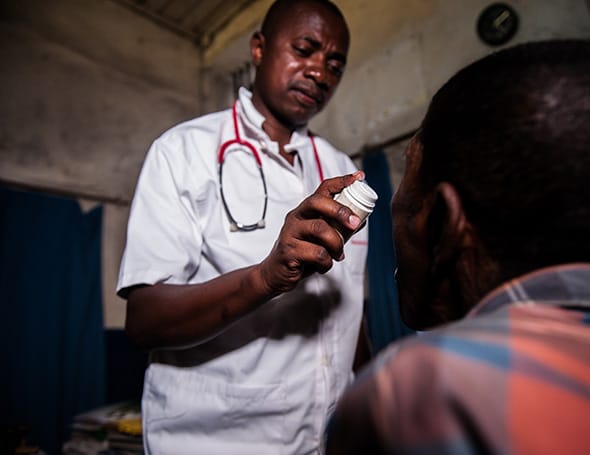
Scientific research and innovation
We support innovation to improve people’s health and drive changes in international recommendations.


We support innovation to improve people’s health and drive changes in international recommendations.
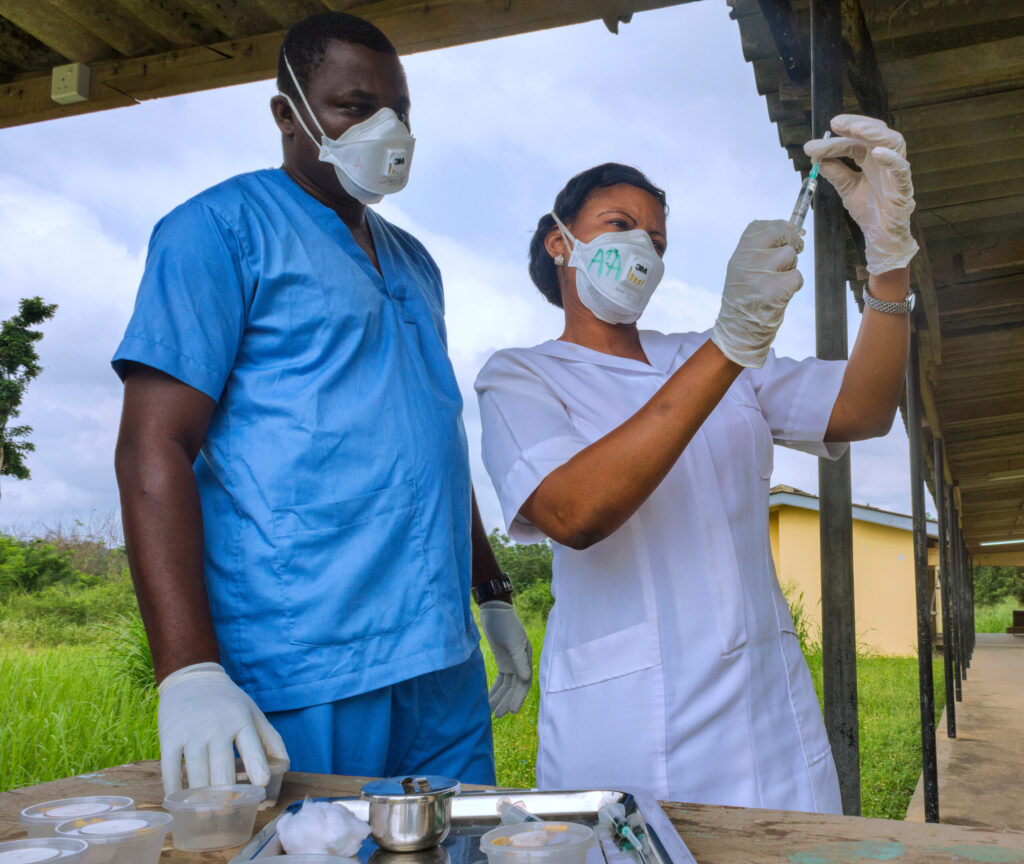
Science is key to finding appropriate and effective solutions to combat pandemics. L’Initiative supports operational research to develop and test new strategies in the field.
Scientific progress over the past five decades has considerably reduced the impact of malaria, tuberculosis, and HIV/AIDS, and a vision has begun to emerge of a world free of these pandemics. However, the fight is not yet over. Millions of people are still affected by these diseases, in countries where health systems continue to face immense challenges.
In response to these challenges, operational research develops and assesses new strategies that fit the epidemiological context and specificities of local health systems. The knowledge generated by this research can also help change local and international public health recommendations.
Operational research takes a multidisciplinary, participative approach to global health issues. It brings together the scientific community, community stakeholders, and health authorities, to work toward three shared goals:
L’Initiative: a catalyst for innovation
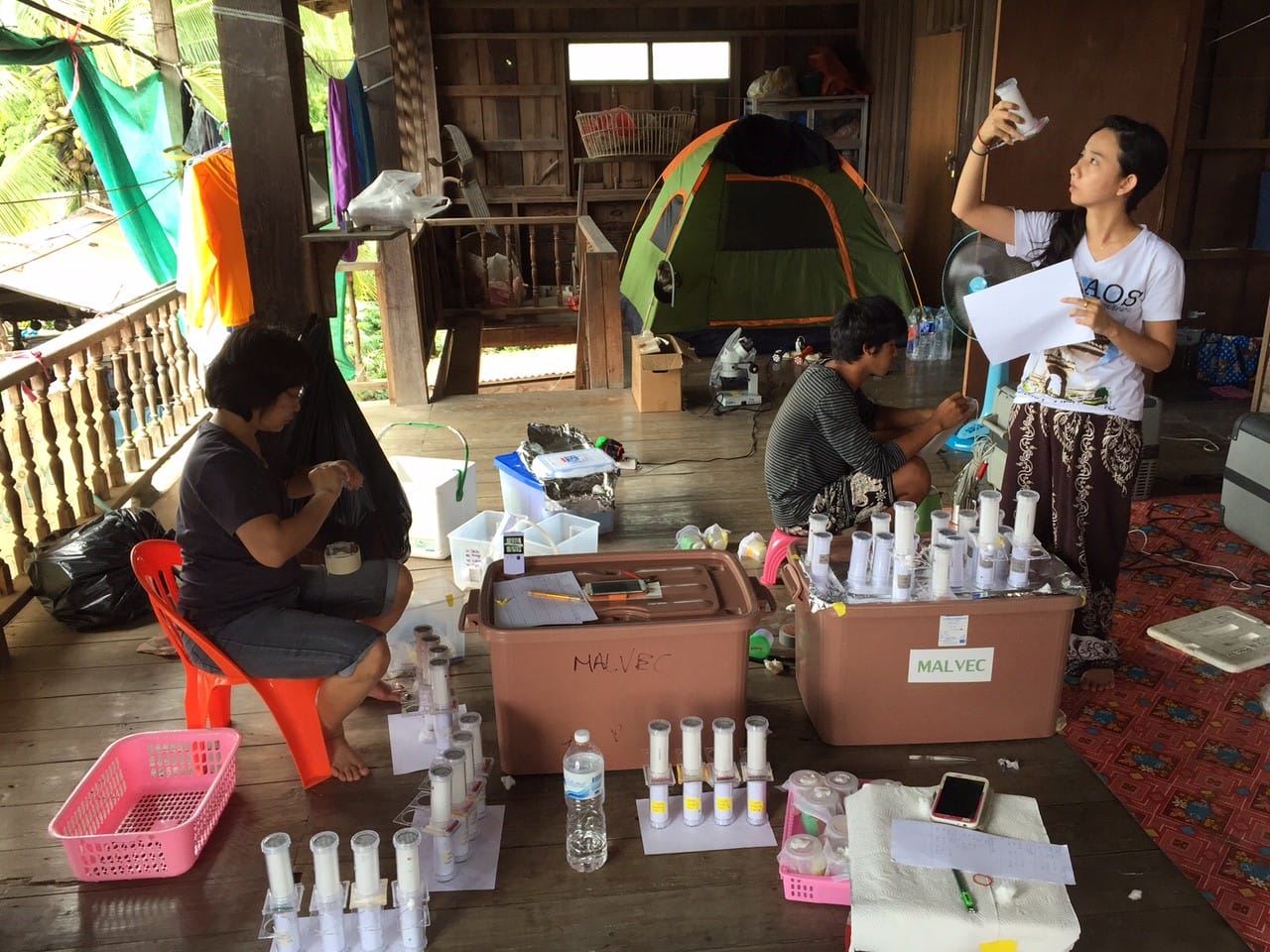
L’Initiative supports scientific projects that have a substantial impact on pandemic responses and that are integrated into national policies in affected countries. This involves promoting the solutions that emerge from these projects, guaranteeing their effectiveness in a given context, and encouraging their integration into national or international strategies.
The projects we support may operate at various stages of the innovation process:
The resources dedicated to operational research within L’Initiative are growing. Between 2011 and 2017, some 21 operational research projects were funded, for a total of 21.5 million euros.
Following a strategic evaluation of L’Initiative carried out in 2018, which underlined the importance of operational research projects in effectively combating pandemics, we prolonged our work by launching a specific annual call for projects. Every year, our Steering Committee decides on the themes and geographic areas targeted by the call for projects.
The themes chosen in recent years have included combating tuberculosis and malaria among the most vulnerable populations and managing HPV-related cancers among people living with HIV.
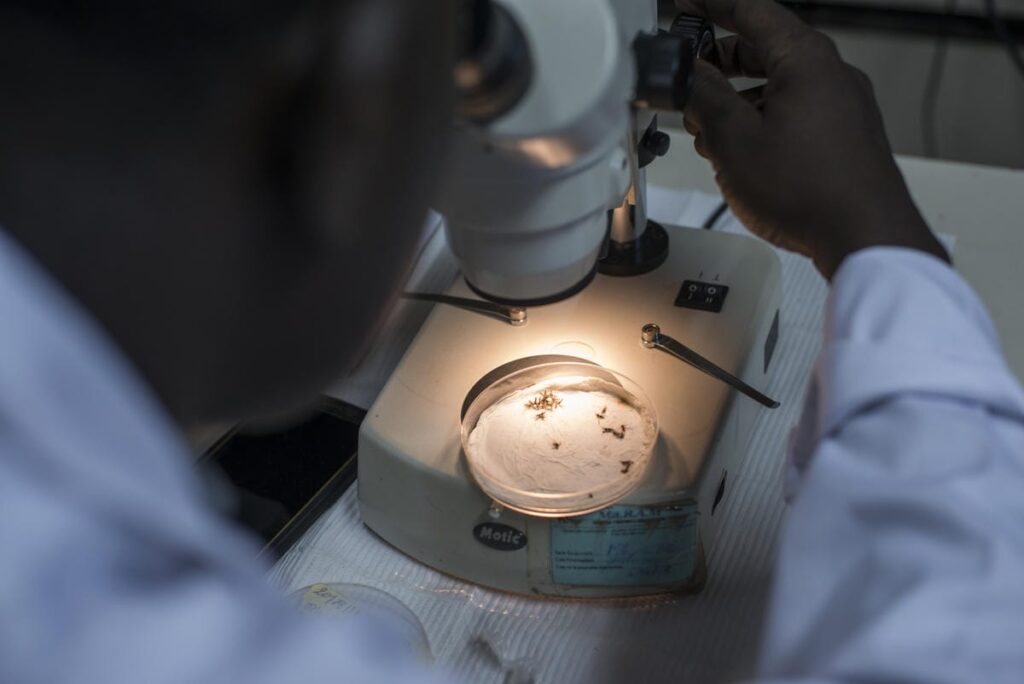
The aim of this call for projects was to support innovative strategies to improve the access, quality, and efficiency of diagnostic, prevention, and treatment services for malaria. The selected projects specifically targeted groups that are vulnerable to this disease, namely pregnant women, children under the age of five, migrants, and displaced persons.
2021 call for projects
“The fight against tuberculosis: responding to the needs of vulnerable populations and implicating them in the response”
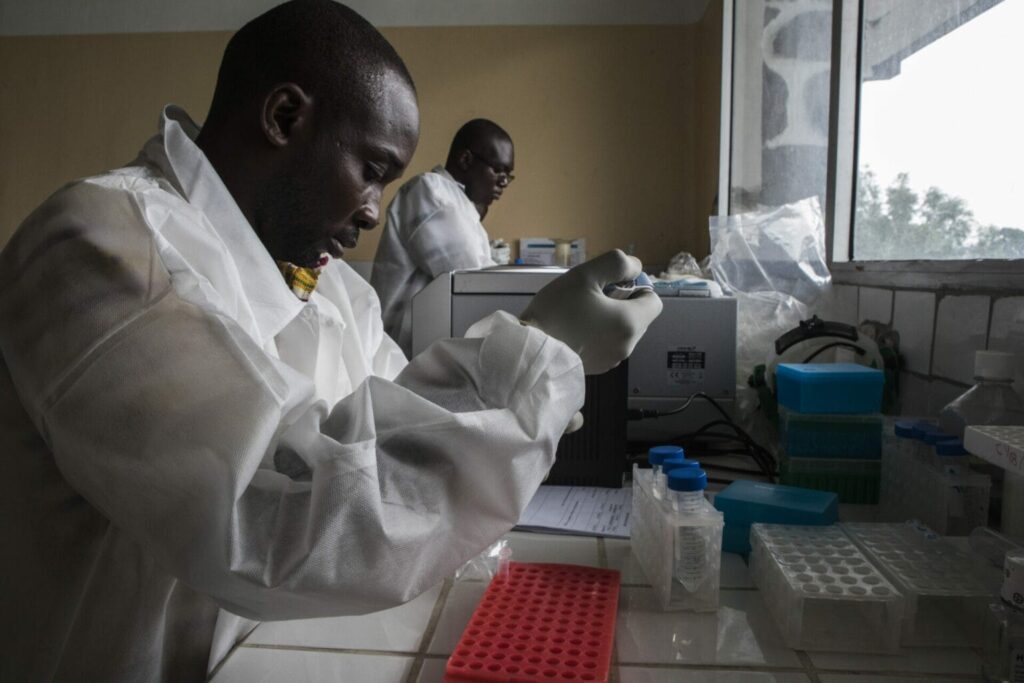
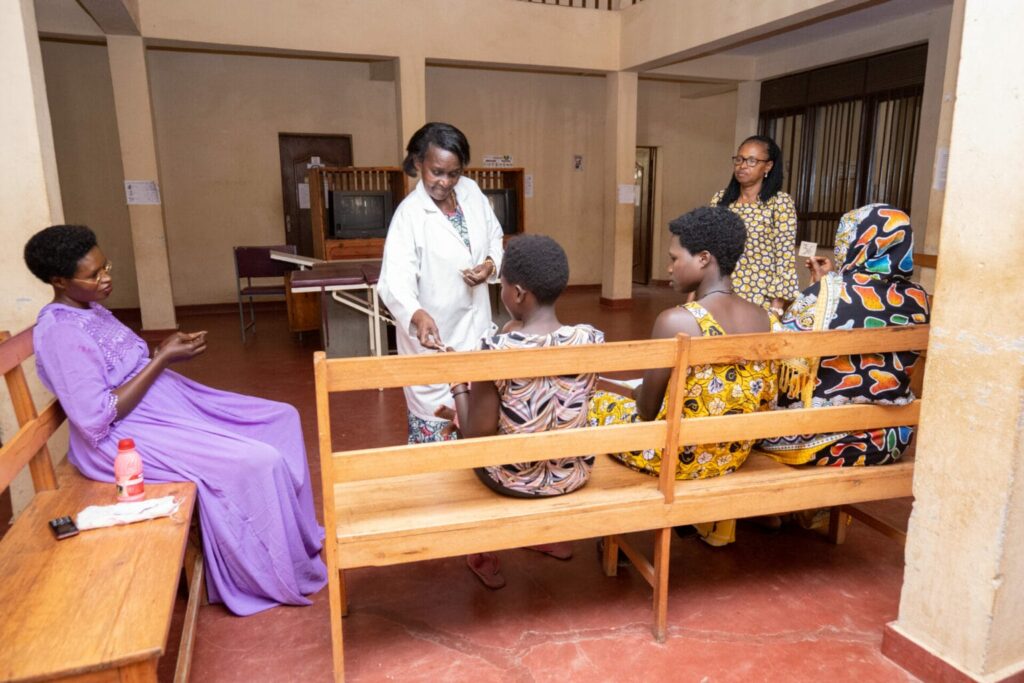
This call for projects aimed to support selected programs to extend screening for the Human papillomavirus (HPV) and early treatment of the pre-cancerous lesions it can cause. These projects adopt a multidisciplinary and innovative approach to sexual education, health consultations, new diagnostic technologies, the treatment of HPV-associated cancers, and vaccination among teenagers and young adults.
Optimizing cervical cancer screening strategies after a positive HPV test in women living with HIV in Cameroon;
Integrating cervical cancer screening into routine care for women living with HIV in Ghana ;
Combating cervical cancer in clinics and in the community in Cameroon;
L’Initiative is aware of the importance of communicating, explaining, and upscaling the results of operational research, and we support an ambitious strategy to publicize these results. The initiators of funded projects work closely with national health authorities throughout the duration of their interventions. When their projects are completed, their teams are committed to capitalizing and communicating the knowledge generated to as many people as possible.
To create momentum, the Operational Research and Science Unit was formed within L’Initiative. This unit manages specific calls for projects, supports project initiators, and leads the network of associated scientists and decision-makers. In June 2023, we held our first scientific day on the theme of “children and pandemics”. L’Initiative will organize other discussion events for project initiators, field workers, and scientists, in order to promote the knowledge generated by the activities they engage in and support.
Capitalizing on knowledge also involves producing and disseminating documentation. We therefore publish around fifteen “toolkits” to provide our ecosystem with a large body of knowledge relating to the implementation of Global Fund grants, scientific advances, and strategies to combat pandemics.
L’Initiative regularly publishes “cross-cutting” evaluations that analyze the effectiveness, quality, and results of its interventions, particularly by assessing whether they have been integrated into national policies. These documents allow us to take a step back from our projects, to take a critical look at certain parameters, to draw lessons, and to propose strategic recommendations. One of these cross-cutting evaluations, “Treatment and insecticide resistance,” draws lessons from four operational research projects on the theme of resistance that took place in thirteen countries in Africa and South-East Asia. This analysis underlines the added value of these projects, which responded to a lack of information on resistance to HIV treatment and resistance to malarial insecticides in the target countries. The evaluators also suggest avenues for improvement, particularly synergies with the Global Fund, so that funding applications can further integrate operational solutions from projects.
Scientific research and innovation
We support innovation to improve people’s health and drive changes in international recommendations.
Gender
We encourage gender mainstreaming in all our activities, both within our organization and in our projects and missions.
Community health
We bolster the project implementation and financial management capabilities of community organizations and support their advocacy.
Human resources for health
We take action to train health professionals, ensure that they are recognized and remunerated, and improve their working conditions.