

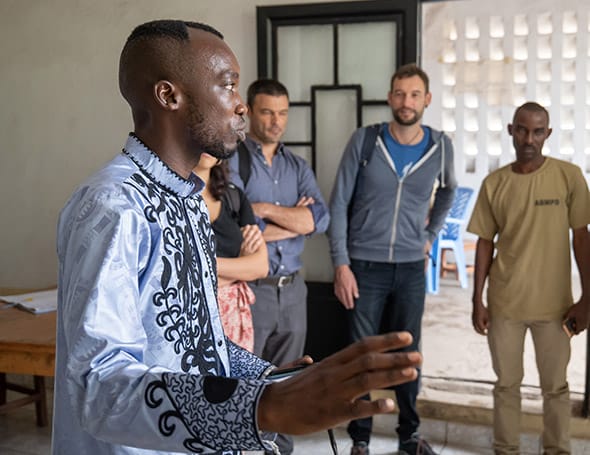
Without community participation in health systems, universal health coverage would remain unattainable. L’Initiative builds capacity among community health actors and helps them contribute toward pandemic responses.
Community health is the process by which people in the same geographic, social and/or economic group express their priority health needs and take part in planning, rolling out, implementing, and evaluating the actions that aim to meet these needs. It takes the form of local care adapted to the needs of the community in question, which is actively involved in the governance and strategic monitoring of health programs.
Global health: communities first
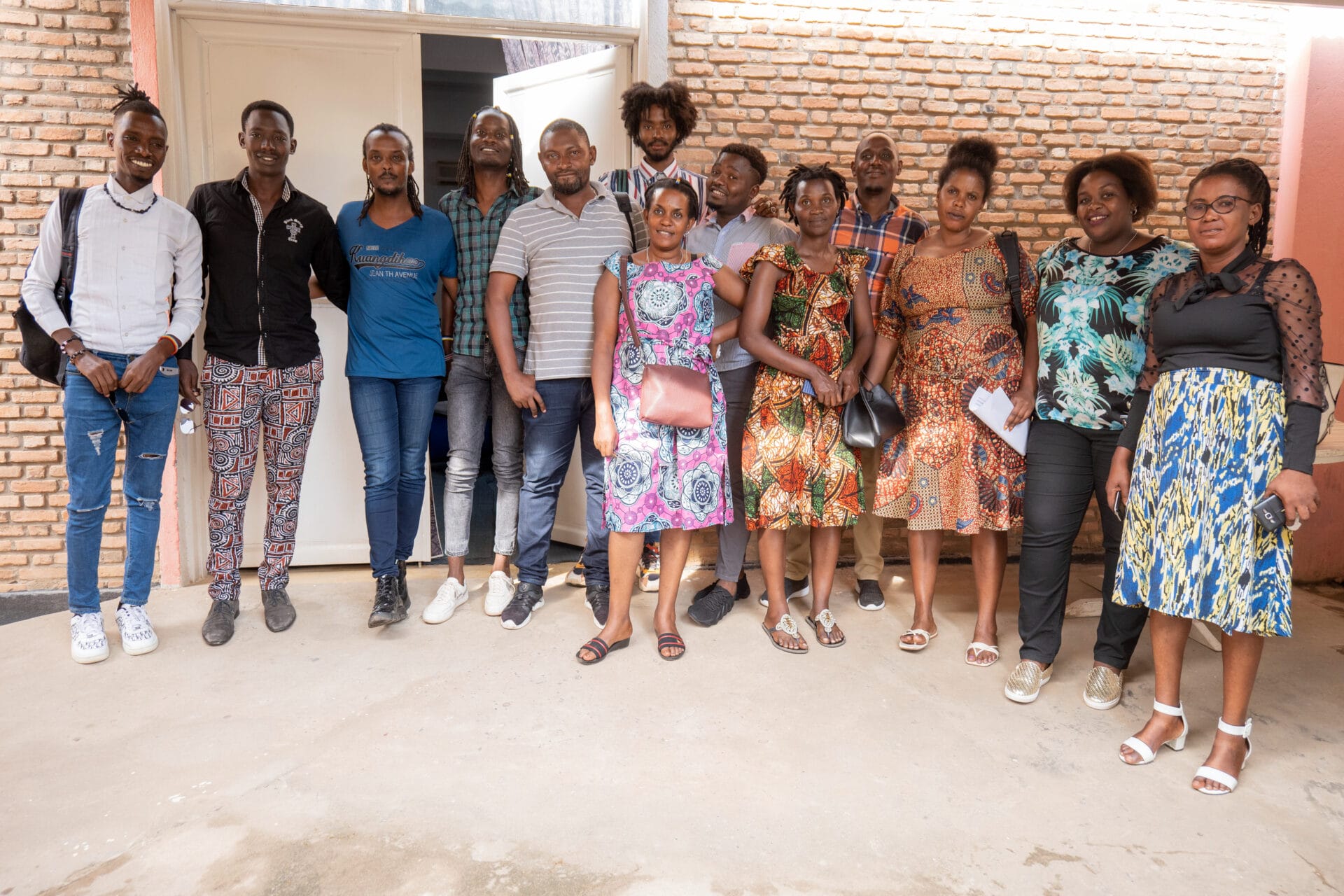
L’Initiative follows in the footsteps of the Global Fund’s approach to community responses and systems to strengthen leadership, participation, and capacity among communities that are affected by and fighting HIV, tuberculosis and malaria. The main players in this strategy are people involved in care pathways, key and vulnerable groups, and community health workers. Their involvement is fundamental to build connections between individuals, civil society (NGOs, religious organizations, patient associations, etc.), healthcare professionals, and public authorities and institutions, as well as international donors and partners. Community health actors make it possible for everyone to access care, particularly key populations who often fall victim to stigmatization, including within health care facilities.
The community approach to health complements traditional medical services. It involves doing things “with” people rather than “for” them. Consequently, community health may take many forms, all of which are led by the community in question. This may include brainstorming groups, working groups, awareness raising groups, the provision of premises for reception and consultation services, as well as discussion spaces, and local health projects. It is a diverse, carefully thought-out approach, and therefore takes different forms in different contexts.
Cross-cutting Evaluation – Health community
This summary presents results from the cross-cutting evaluation of eight health community projects funded by L’Initiative and implemented in ten African and two Caribbean countries between 2020 and 2024. This cross-cutting evaluation has yielded key lessons around community health. In particular, it helped to identify ways to strengthen the sustainability and impact of interventions. The recommendations aim to improve the ownership of projects by national systems and maximize their long-term impact.
The 4 key steps to encourage community participation health
- Analyze the situation and/or the health needs of the community;
- Identify the problem, select strategic priorities;
- Define the objectives and activities, mobilize resources to improve the situation;
- Plan, organize, conduct, and evaluate activities.
“This approach, which views the beneficiaries of health systems as multi-faceted human beings, is fundamental to patient care, especially when fighting pandemics.”
Our strategy: to mobilize and promote community expertise
As part of its calls for projects targeting vulnerable groups, L’Initiative asks project initiators to ensure the involvement of civil society organizations (CSOs) and representatives of key groups throughout the program. For example, CSOs are expected to take part in project development, monitoring, and evaluation, and to play a role in decision-making bodies.
Developing community screening
L’Initiative supports screening programs initiated by and for communities that are at risk of contracting or transmitting malaria, HIV, or tuberculosis. This outreach approach extends the range of traditional preventive activities and reaches people who are sometimes marginalized and find it difficult to access care. It leads to better treatment of sexually transmitted infections, facilitates access to care for drug users, and represents an opportunity to raise awareness among key groups about their rights.
This approach was implemented by SOS Pairs Éducateurs and the Association des Gestionnaires pour le Développement for a project in Mauritania to promote access to quality HIV testing for key populations through community interventions. With a €284,000 grant from L’Initiative, these interventions took place in the regions of Nouakchott, Nouadhibou and Rosso, between 2019 and 2022. This project demonstrated the feasibility of carrying out non-clinical, community-based HIV screening among key populations, an approach that was unprecedented in Mauritania. With its effectiveness proven, the procedure was integrated into the national protocol.
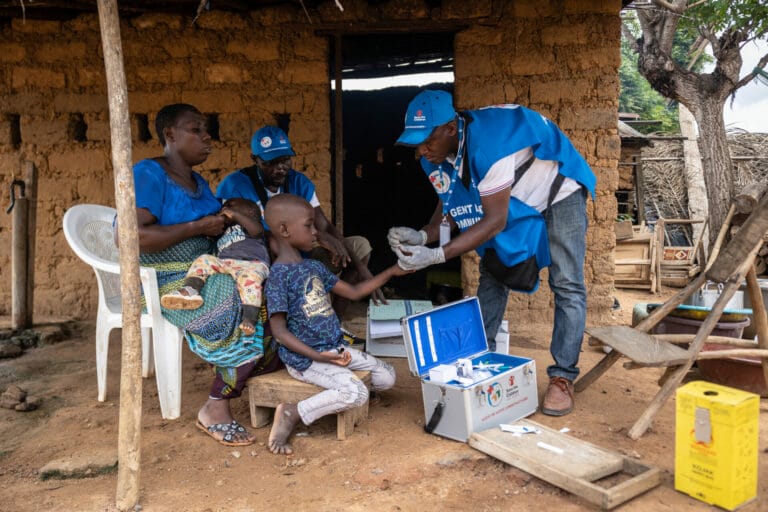
Understanding and breaking down barriers to PrEP for women
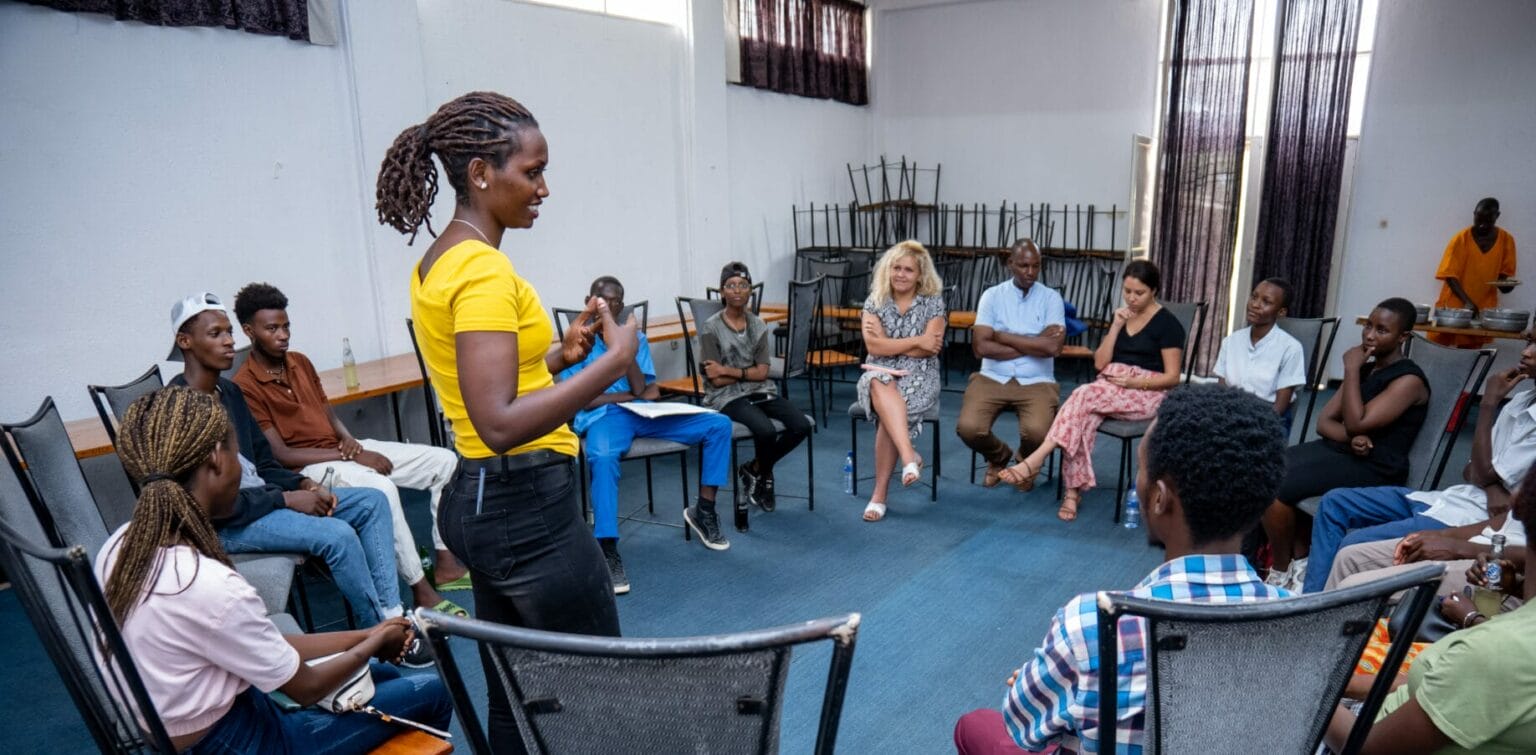
Pre-exposure prophylaxis (PrEP) is an effective means of reducing the transmission of HIV. This preventive treatment is recommended by the WHO for anyone at high risk of infection. And yet, although women are more vulnerable to HIV, not least because of persistent gender inequalities, it is almost exclusively men who receive PrEP. This is why L’Initiative is supporting the “PrEP women’s project“, led by ALCS. The first phase of the PrEP Femmes project aimed to promote the deployment of PrEP in the intervention countries, focusing on sex workers, transgender women, and female partners of injecting drug users. This second phase aims to strengthen and expand community- based PrEP services for women vulnerable to HIV in Morocco and Mauritius, while advocating for the adoption or acceleration of these services in other countries in the MENA and Indian Ocean regions. To achieve this, the project is based on three complementary axes: diversification of PrEP services adapted to the needs of vulnerable women; consolidation of the PrEP intervention environment in the two target countries and in the MENA and Indian Ocean regions; capitalization and dissemination of ALCS and PILS experiences in setting up community PrEP.
Consolidating project and financial management skills among CSOs
In order to empower CSOs to invest in health systems and strategies, L’Initiative provides them with long-term technical assistance to consolidate their project and financial management skills. The aim is to transform CSOs from being secondary recipients into primary recipients of grants from the Global Fund to fight AIDS, tuberculosis and malaria.
Transitioning to this new role requires profound transformation and long-term customized support for CSOs. To encourage other organizations to seek support, L’Initiative has produced a document that capitalizes on the experience of ARCAD Santé Plus. A long-term actor in the fight against HIV/AIDS in Mali, ARCAD Santé Plus successfully transitioned from being a Global Fund sub-recipient to being a principal recipient. The document comprises eight information notes providing a step-by-step guide to success.
Listening to and acting on the opinions of key groups
Through its technical assistance missions and project funding, L’Initiative strives to voice the opinions of civil society representatives, and in particular key groups, in local health strategies. This involves listening to them and communicating their needs throughout the process of preparing funding applications to the Global Fund, so that their opinions are fully taken into account in health programs. L’Initiative raises awareness among the experts it uses, and equips them with tools to ensure that representatives of key populations are consulted during this country dialogue, and that the activities they propose are properly included in funding applications. This work is essential to give CSOs and key populations the resources they need to make their voices heard and to benefit from long-term funding. Our commitment is reflected in the provision of a series of tools, studies, and guides for national and international experts to spread best practices across all the countries in which L’Initiative intervenes.
A toolkit to increase commitment to communities
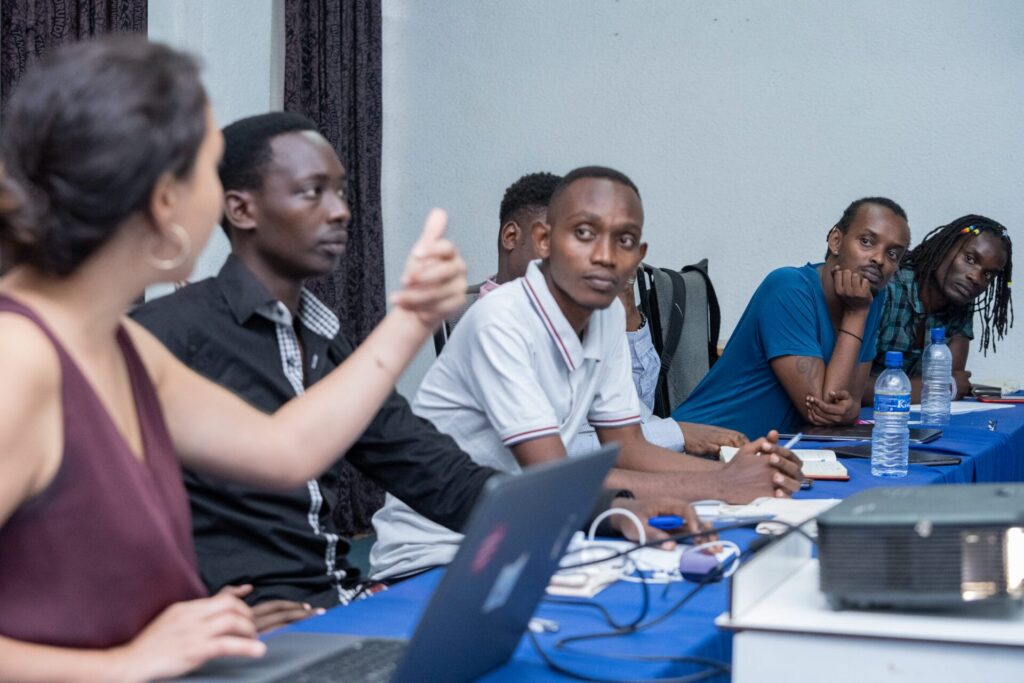
L’Initiative proposes a toolkit to support experts in their work and to guarantee that communities’ health, gender, and human rights needs are fairly taken into account when developing and implementing funding from the new Global Fund funding cycle. More specifically, this toolkit contains practical documents for experts to use during their support missions, and for national drafting teams, with a view to increasing the extent to which community needs are taken into account when allocating funding.
Speaking up for key populations with RIPOSTES
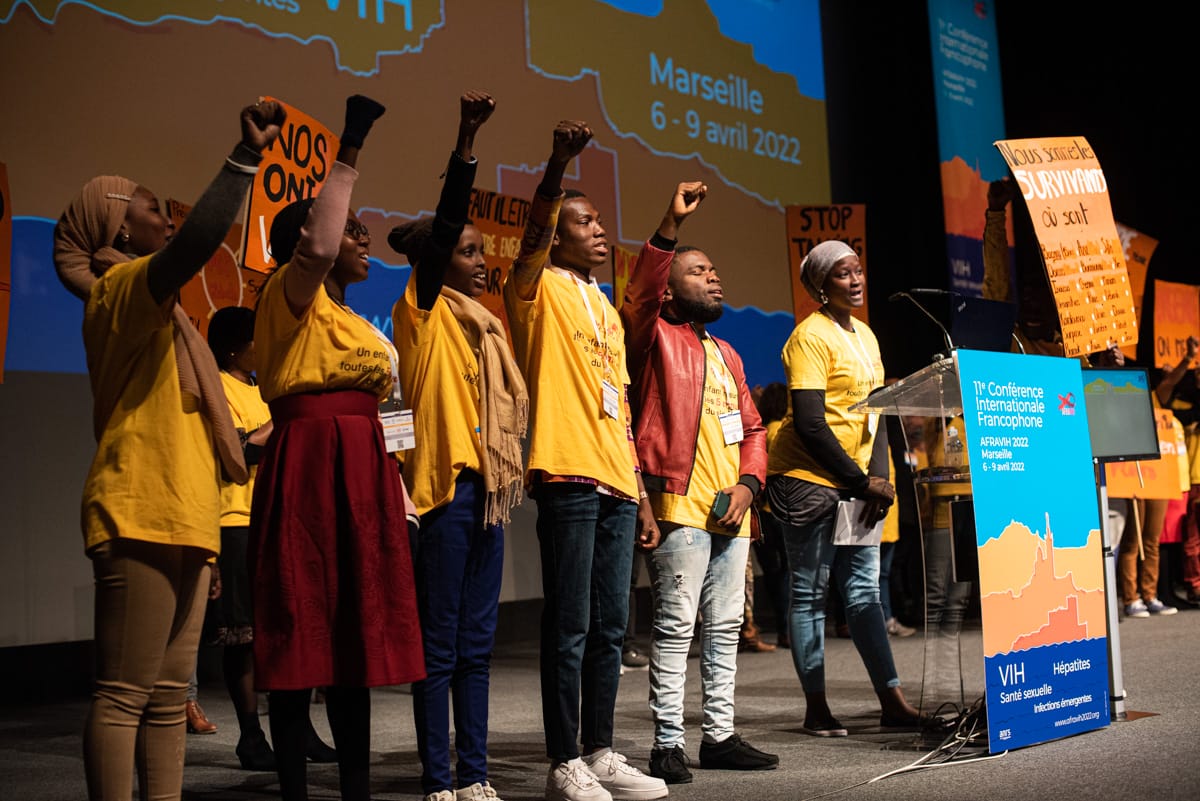
The multi-country RIPOSTE project is one example of L’Initiative’s position to encourage better recognition of the role played by community health workers and key populations. This major program aims to change the status of these actors, transforming them from representatives to active contributors to public health strategies.
With RIPOSTE 2, the goal is to continue supporting the community-structuring efforts initiated under Riposte 1 to remove barriers to HIV service access. This second phase is called “The voice and empowerment of those concerned” because it advances the inclusion of key populations in strategic decision-making processes, as well as in decision-making and planning bodies, ensuring their real needs are reflected in health policies. The results from the first phase underscore the importance of this inclusion in achieving UNAIDS’ 95-95-95 targets.
By adopting a rights-based approach, Riposte 2 emphasizes placing communities at the heart of health strategies, translating their expertise into concrete actions and reinforcing the role of their representatives in decision-making bodies to optimize community programs. Advocacy efforts focus on improving funding and community programs by more effectively addressing on-the-ground realities and the specific needs of key populations.