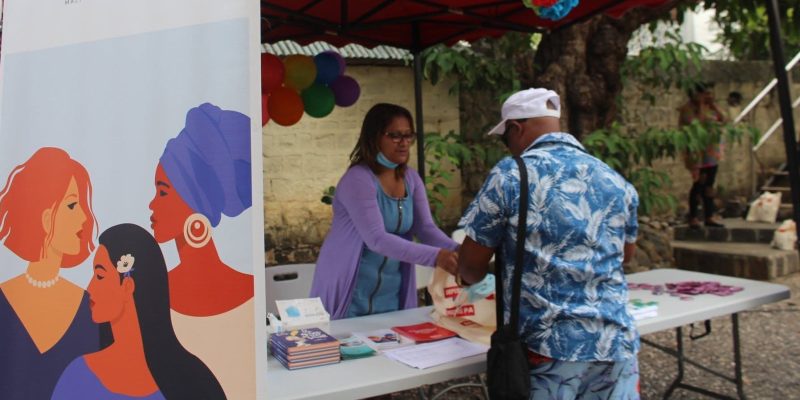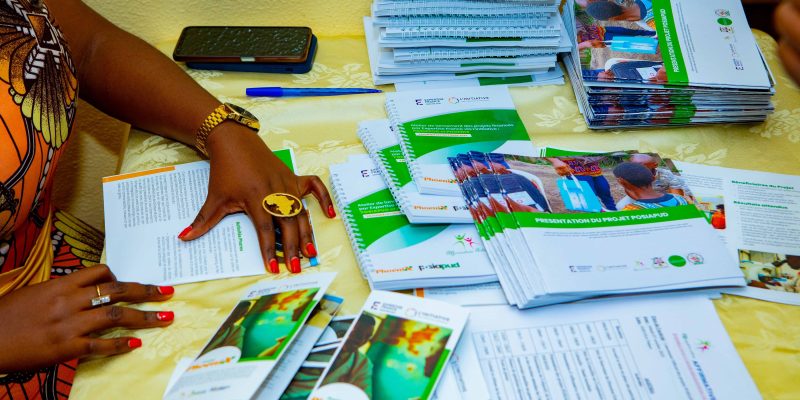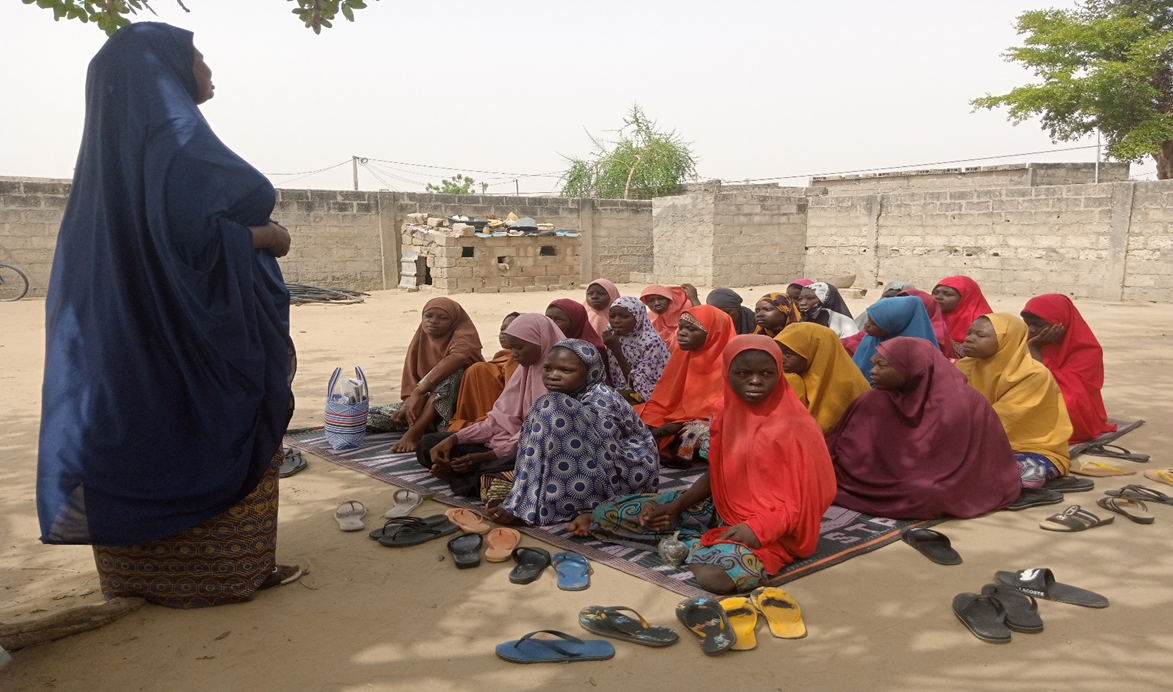
In Benin, the ARDISAT project aims to improve key populations’ access to quality healthcare by promoting inclusive, non-discriminatory and gender-responsive services that respect equality and human rights.
Context
With an estimated prevalence of 0.7% in the general population, the HIV epidemic in Benin has declined significantly in recent years. However, it remains concentrated among certain key populations: men who have sex with men (13.6%); transgender people (16.9%); female sex workers (9.6%); and people who inject drugs (2.1%). These populations continue to face violence, stigma and discrimination, including within healthcare settings. These barriers limit their access to care and undermine the effectiveness of the national response. Despite the existence of protective legal frameworks, their implementation remains insufficient, and access to inclusive, human rights-based and gender-sensitive services continues to be a challenge. In this context, the ARDISAT project aims to help reduce these barriers, improve access to healthcare and strengthen the protection of key populations’ rights, in line with national priorities and complementing the interventions of other partners, particularly the Global Fund.
Description
The ARDISAT project is being implemented in six cities identified as priority epidemiological hotspots (Cotonou, Abomey-Calavi, Porto-Novo, Natitingou, Parakou and Abomey-Bohicon). It is structured around four areas of intervention:
- Improving healthcare professionals’ practices: strengthening their capacity to deliver inclusive, non-discriminatory and gender- and diversity-sensitive care;
- Preventing violence and discrimination in healthcare settings: establishing community-based monitoring mechanisms to identify, report and address incidents, and provide support to victims;
- Strengthening community networks: building the organisational, institutional and advocacy capacities of key populations and strengthening their participation in health policymaking;
- Supporting health and human rights reforms: facilitating the dissemination, adoption and monitoring of reforms, including the new HIV law, at all levels.
Impact
ARDISAT aims to benefit more than 55,290 people from key populations, including 30,205 people living with HIV, and strengthen the PPCAS and RéBAP+ community platforms. It targets 42 healthcare facilities, including eight referral sites providing tailored, integrated services. By addressing healthcare practices, community dynamics and public policies simultaneously, the project aims to ensure that key populations have equitable access to quality healthcare that respects their rights and dignity.