
When Online Hatred Threatens Access to Care: The Anti-Woubi Crisis in Côte d’Ivoire
In Côte d’Ivoire, a wave of anti-LGBT+ hatred that began on social media rapidly had concrete consequences for the HIV response: fear of going outside, disruption of community activities, and difficulties accessing antiretroviral treatment, PrEP, and prevention services. Isabelle Kouamé, Adviser on Community Support, Gender, Equality and Rights for All at the UNAIDS office in Côte d’Ivoire, reflects on this so-called “anti-woubi” crisis and the response mounted with community organisations, as part of a project led by the UNAIDS Regional Support Team for West and Central Africa, with the support of L’Initiative.
How does the anti-woubi crisis fit within the Ivorian and regional context?
Isabelle KOUAMÉ : Compared to other countries in the sub-region, Côte d’Ivoire is often perceived as a relatively favourable environment for LGBT+ people and men who have sex with men. Many come to live here because they do not face the same level of persecution as elsewhere. But this does not mean that progress is secure.
Human rights violations have been documented. Stigma and discrimination persist — in communities and in health facilities alike. We have also observed police violence against certain key populations, including female sex workers, as well as hate speech online targeting LGBT+ people.
For several years, the country had been navigating debates around sexual orientation. When the government proposed introducing this term among the grounds for non-discrimination in the penal code, it provoked a strong reaction, particularly from certain religious leaders. More broadly, an anti-gender climate had already been building at the regional level, with neighbouring countries hardening their positions or their legislation. This context created fertile ground for the crisis.
At what point did you realise that this crisis was not just a matter of online hatred, but was directly affecting the HIV response?
Isabelle KOUAMÉ : The immediate trigger was the circulation on social media of content related to a criminal incident involving individuals presented as LGBT+. Very quickly, this incident was generalised to the entire community. LGBT+ people — commonly referred to in Côte d’Ivoire as “woubis” — became targets.
Calls for violence multiplied on social media. Many users felt that LGBT+ people had become too visible, particularly online, and that the country had been too lenient toward them. The crisis then shifted in nature: it was no longer only affecting the image or reputation of the people concerned, but their physical safety, mental health, and ability to access services.
In the HIV response, these populations are a priority. They include female sex workers, men who have sex with men, people who use drugs, incarcerated populations, and transgender people. HIV prevalence in these groups is far higher than in the general population. If they can no longer access prevention, testing, treatment, or support services, the gains made in the fight against HIV are directly at risk.
What were the immediate effects on access to HIV services?
Isabelle KOUAMÉ : The crisis had direct — and indeed unprecedented — consequences. The surge in hate speech, physical and psychological violence, and its mass circulation on social media severely curtailed LGBT+ people’s access to essential services.
Many could no longer leave their homes. They were living in a climate of fear and insecurity. Online harassment compounded the hostility they already faced. Some withdrew entirely. Others were victims of assault, threats, family or social rejection, or material losses.
A survey conducted by the Network of Key Population Organisations of Côte d’Ivoire (ROPCCI) found that just over 40% of LGBT+ respondents had experienced psychological violence, and 25% physical violence. A significant deterioration in mental health was also reported, including self-stigma.
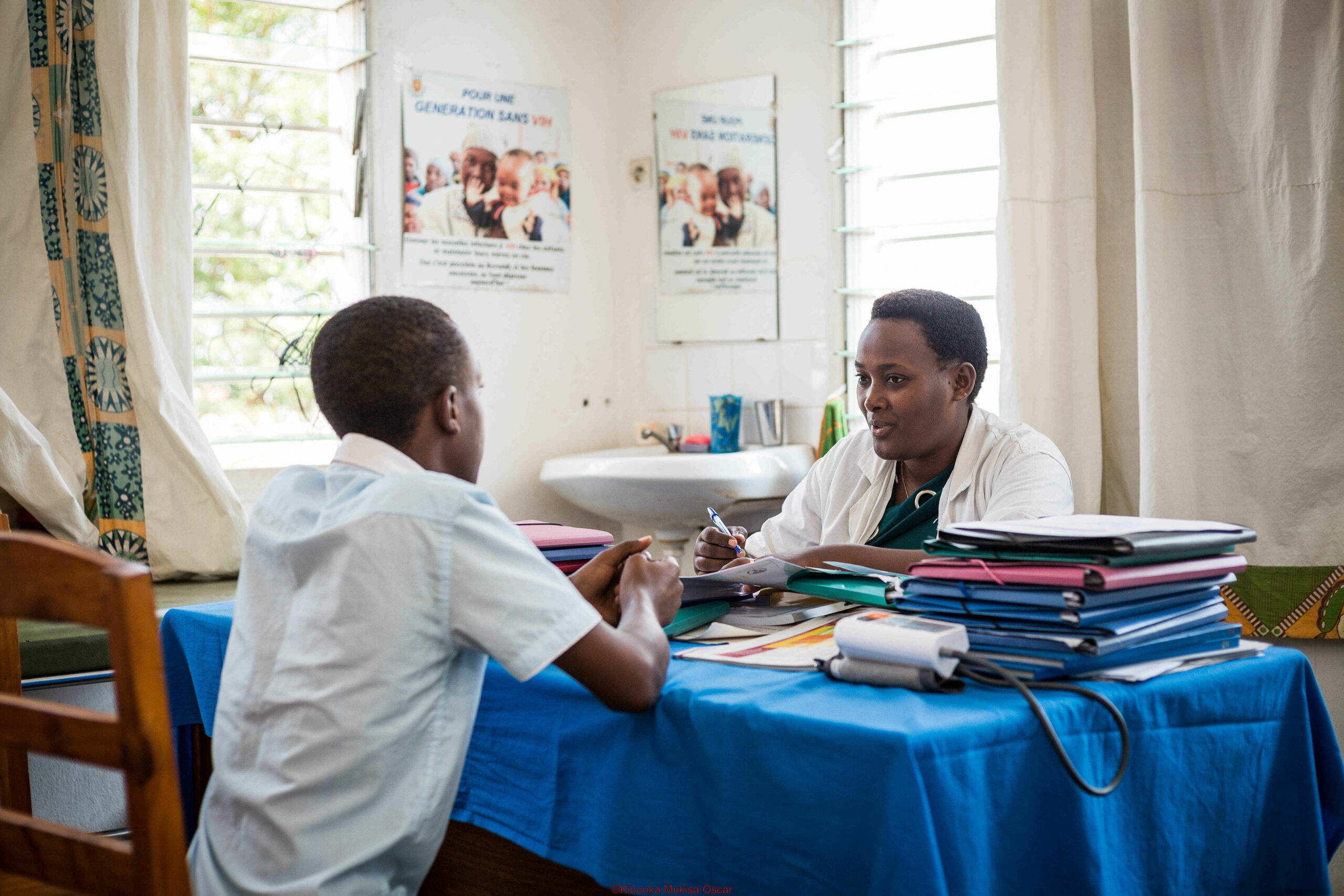
The consequences also reached HIV programmes. Community activities had to be interrupted or suspended. Drop-in centres — welcoming spaces offering services tailored to key populations — were closed following attacks or vandalism. Public health services continued to operate, but beneficiaries could not always reach them.
There was therefore a temporary break in the continuum of care. Access to antiretroviral treatment, prevention tools such as PrEP, condoms, lubricant gels, and combination prevention was disrupted. According to ROPCCI data, 56% of the health facilities concerned saw a reduction in services, and more than 78% of key populations living with HIV encountered difficulties accessing antiretrovirals. In Côte d’Ivoire, HIV prevalence in the general population stood at 1.68% at end-2024, compared to 10.7% among men who have sex with men and 5.6% among female sex workers.
How did community organisations help maintain access to essential services?
Isabelle KOUAMÉ : The role of community organisations was decisive. With technical and financial support from UNAIDS, ROPCCI took on a coordination and leadership role in crisis management, working alongside ENDA Santé, Espace Confiance, and other partners.
When beneficiaries could no longer reach their usual facilities, community actors put in place discreet, alternative pathways. Anonymised phone numbers were used. Appointments were organised in unusual locations. Services were maintained remotely or through less visible channels.
The distribution of health products also had to be adapted: antiretroviral treatment, PrEP, condoms, and lubricant gels. New packaging was used, deliveries were organised in safer locations — sometimes using unmarked vehicles. Some facilities strengthened their security and changed their access arrangements, for example by using secondary entrances to avoid exposing beneficiaries.
Community organisations also provided emergency assistance: rehousing people under threat, distributing food packages, providing medical care for those injured, and offering psychological support and legal assistance. Training sessions were organised on physical safety, security, and digital safety, to help those affected better protect themselves in their daily lives and online.
What role did authorities and partners play in the response?
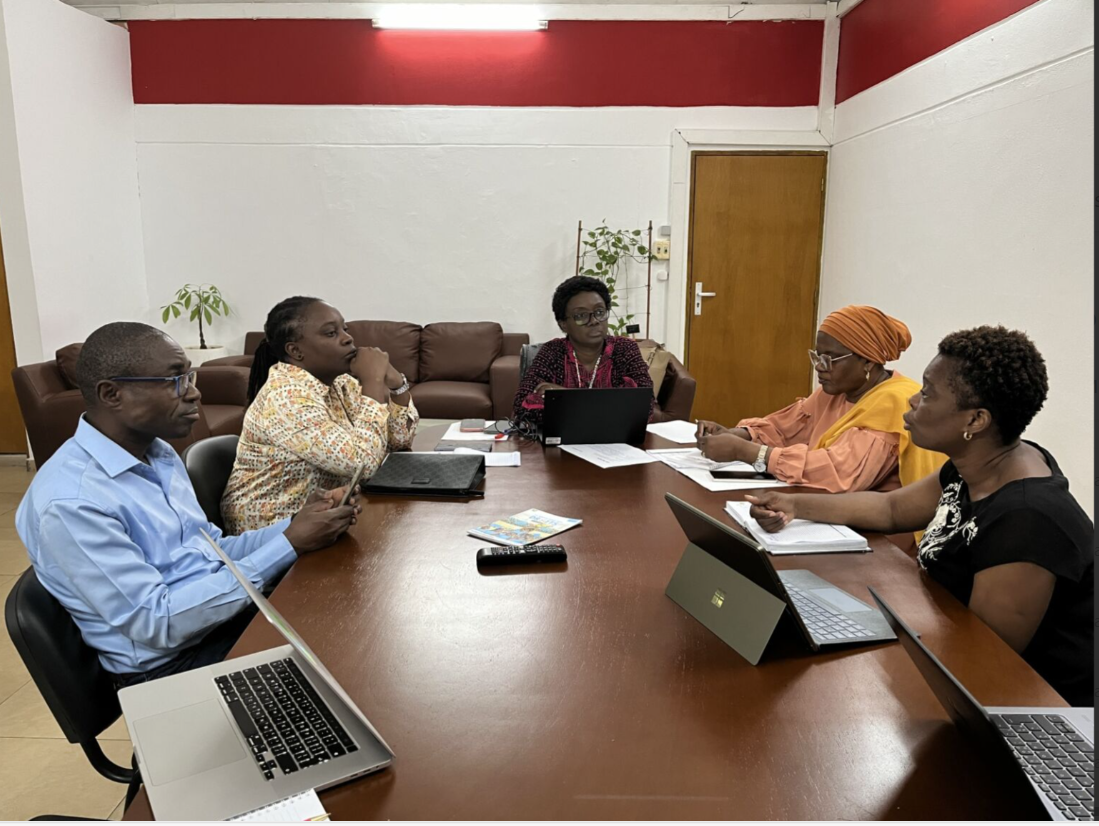
Isabelle KOUAMÉ : Advocacy was essential. Joint actions were carried out by UNAIDS, ROPCCI, ENDA Santé, and other organisations with key ministries — Health, Justice, Interior and Security — as well as with the National Human Rights Council.
The Ministry of Health committed to ensuring continuity of services for key populations. The Ministry of Interior also played an important role in putting a stop to violence and protecting communities in certain spaces. A public statement reaffirmed that the people being targeted remained citizens who must not be attacked.
The Human Rights Directorate of the Ministry of Justice committed to supporting the follow-up of complaints filed by victims. The National Human Rights Council also mobilised to support people facing insecurity.
Technical and financial partners were regularly informed of how the crisis was evolving. Weekly meetings made it possible to share available data, update the situational analysis, and support resource mobilisation. A community contingency plan was developed under the leadership of ROPCCI, with UNAIDS support. Budgeted at 140,000 dollars, it structured short-, medium-, and long-term responses. Around 100,000 additional dollars were mobilised from technical and financial partners to support more than a hundred LGBT+ people affected by the crisis — covering housing, nutritional support, and healthcare.
What has this crisis changed in your practices?
Isabelle KOUAMÉ : This crisis was a moment of truth. We did not imagine that such a situation could happen in Côte d’Ivoire. It revealed the fragility of the sense of security among LGBT+ communities and the urgent need to strengthen their protection and inclusion.
It also confirmed the importance of monitoring. It must be possible to track what is happening on major social media platforms, detect early warning signals, analyse hate speech, and put in place early alert mechanisms. This is the whole purpose of the YIMBA initiative — an early warning and monitoring initiative supported as part of the project funded by The Initiative. The goal is to have a tool to track online content concerning people living with HIV, key populations, and LGBT+ people, enabling rapid advocacy, prevention, or protection responses to be triggered.
At the start of the crisis, the YIMBA platform was not yet fully operational. We therefore manually documented hate speech, calls for violence, threats, and assault videos. This documentation was cross-referenced with community data. It helped substantiate the situation and support advocacy with authorities and partners.
UNAIDS also supported ROPCCI in producing a knowledge-capitalisation report on crisis management. This document analyses response strategies, adaptation mechanisms, community initiatives, lessons learned, and recommendations for responding to future crises.
What concerns you most today?
Isabelle KOUAMÉ : The primary concern is funding and the sustainability of the response. Gains have been made, but they must be maintained. The HIV response — particularly for key populations — remains heavily dependent on international partner financing.
Antiretrovirals and certain prevention services will likely continue. But mechanisms such as drop-in centres, community coordination, and psychological, legal, or social support all require resources. Without sufficient funding, maintaining the same level of services will be very difficult.
To achieve the goal of ending AIDS by 2030, it is essential that key populations continue to be able to access services. If they are repressed, persecuted, discriminated against, assaulted, or subjected to violence, they will stop coming. They will stop collecting their treatment, using PrEP, accessing condoms, or using prevention services. It is in this context — the HIV response — that the protection of their rights is a public health imperative.