
Health systems reaching everyone
In 2025, L’Initiative continued its work in more than 30 countries, most of which are among the world’s most vulnerable. Reducing disruptions to care, tackling gender inequalities, strengthening civil society and adapting responses to people’s needs throughout their lives: these are all essential to ensuring that HIV, tuberculosis and malaria programmes truly reach those who are too often left behind.
Supporting the populations most exposed
Stigma, criminalisation and geographic isolation continue to prevent many people from accessing health services, increasing their vulnerability to HIV, tuberculosis and malaria. To address these barriers, L’Initiative supports approaches that adapt services to local realities and works alongside local organisations that help connect people with the care they need.
CHIAs: finding the “missing people” affected by tuberculosis in Laos
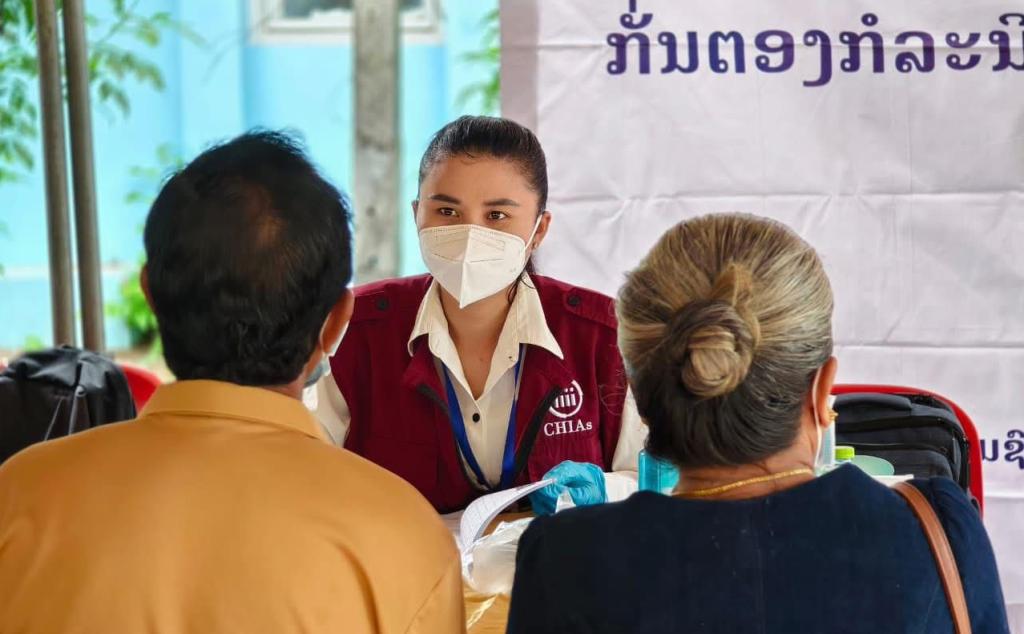
In Laos, hundreds of people living with tuberculosis still go undiagnosed. The CHIAs 2 project combines community-based active case finding with stronger diagnostic pathways to identify these “missing people”. Nearly 800 cases were detected during the project’s first phase.
DESPS: peer educators supporting sex workers in their daily lives in Madagascar
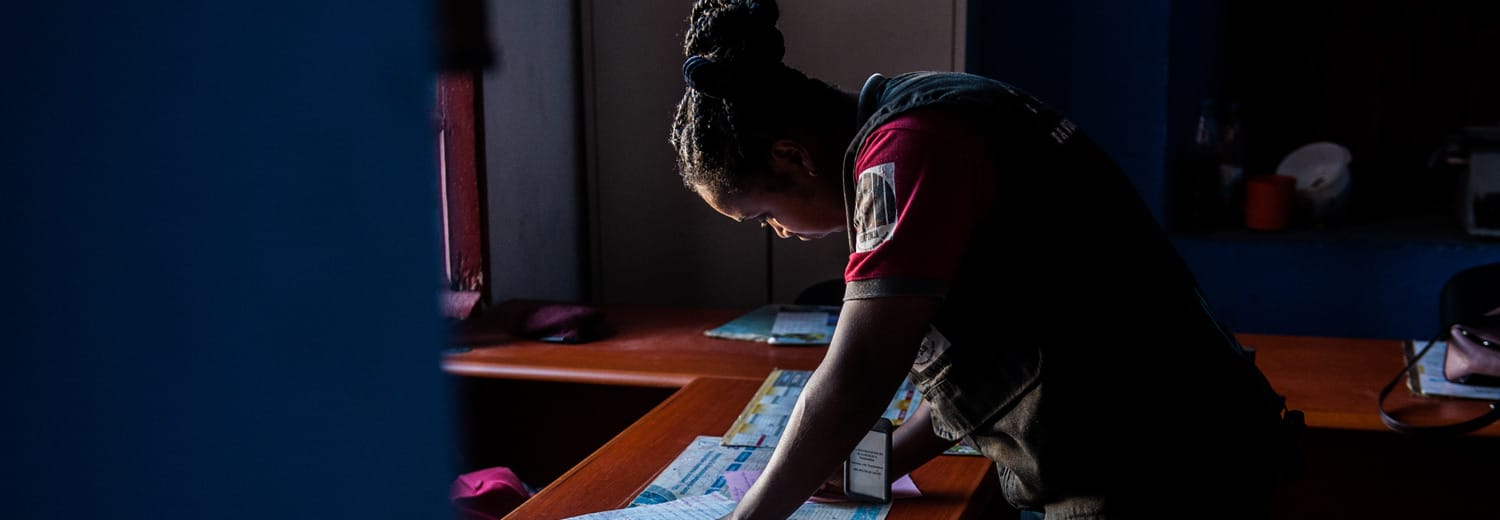
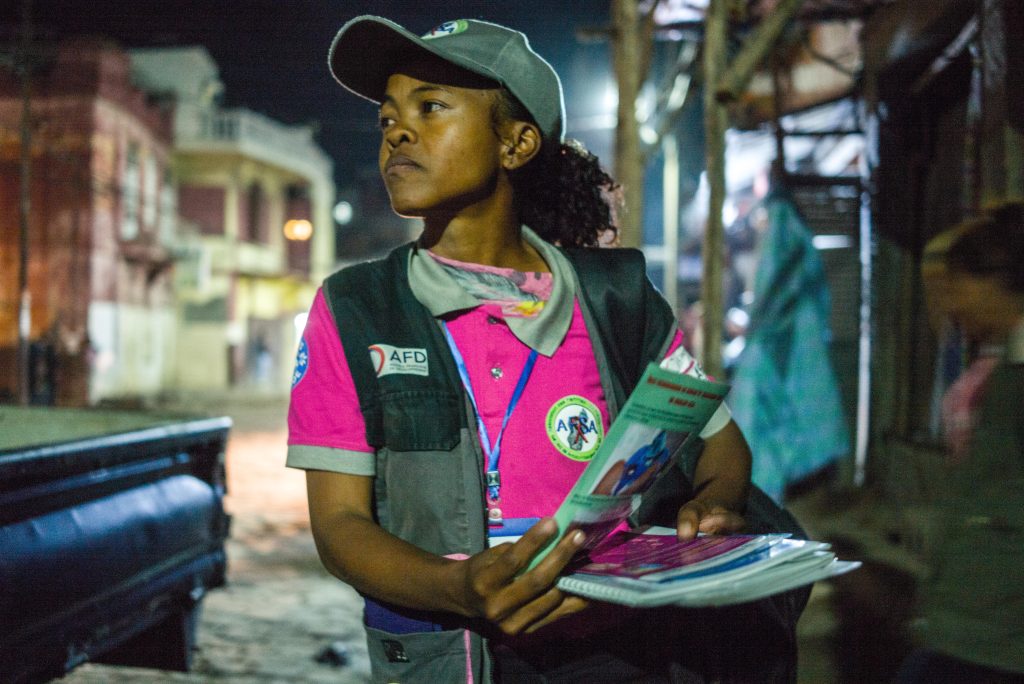
Sex workers are among the populations most exposed to HIV and other health risks. Stigma, violence and social exclusion continue to limit their access to testing and continuity of care. This feature highlights the essential role played by peer educators in providing day-to-day support to sex workers in Madagascar.
Reducing gender inequalities in access to care
Gender inequalities remain one of the main barriers to accessing healthcare and maintaining continuity of care, whether in maternal health, mental health, or sexual and reproductive health. L’Initiative addresses these disparities by strengthening the skills of health professionals, supporting integrated service delivery and bringing healthcare closer to the communities that need it most.
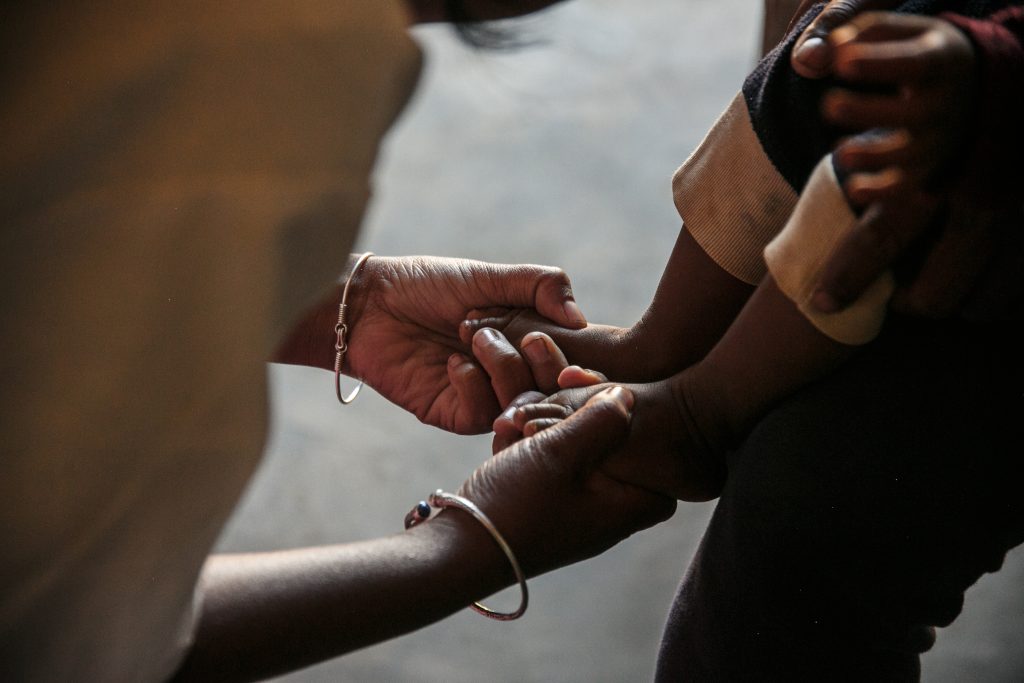
PluriElles: community midwives on the frontline against health inequities in rural Madagascar
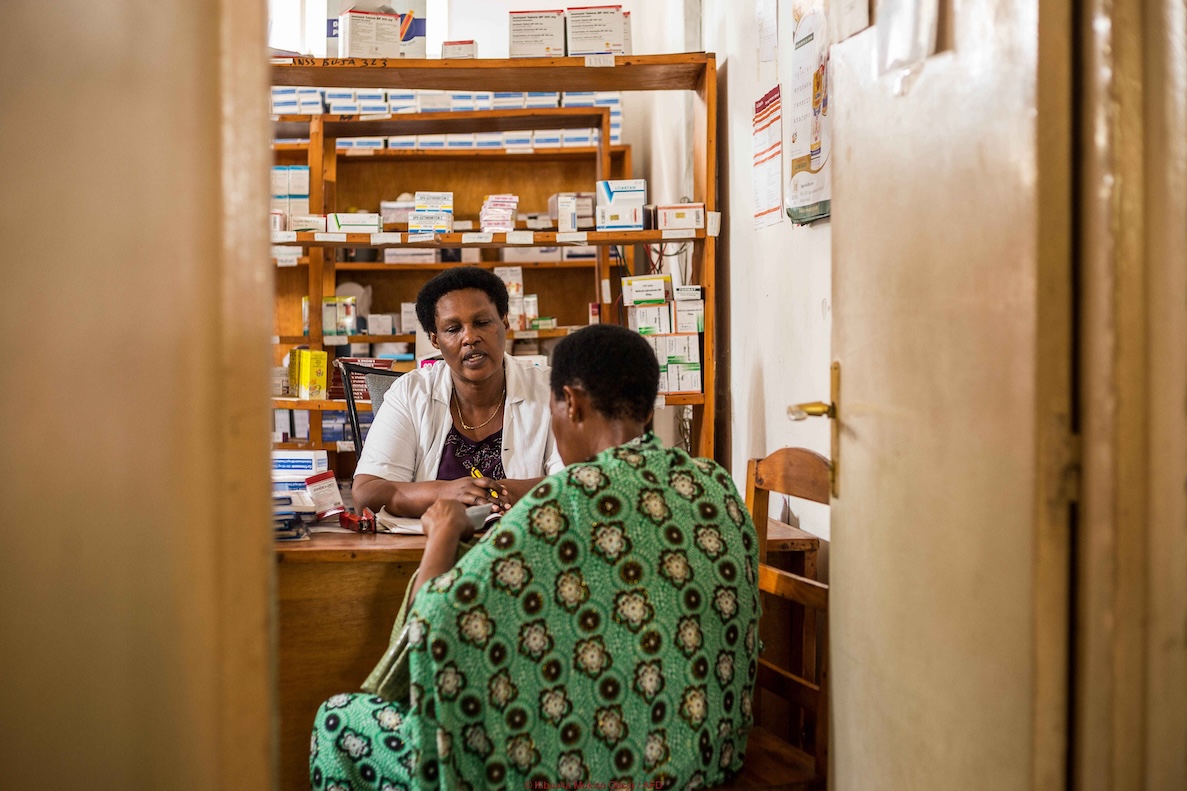
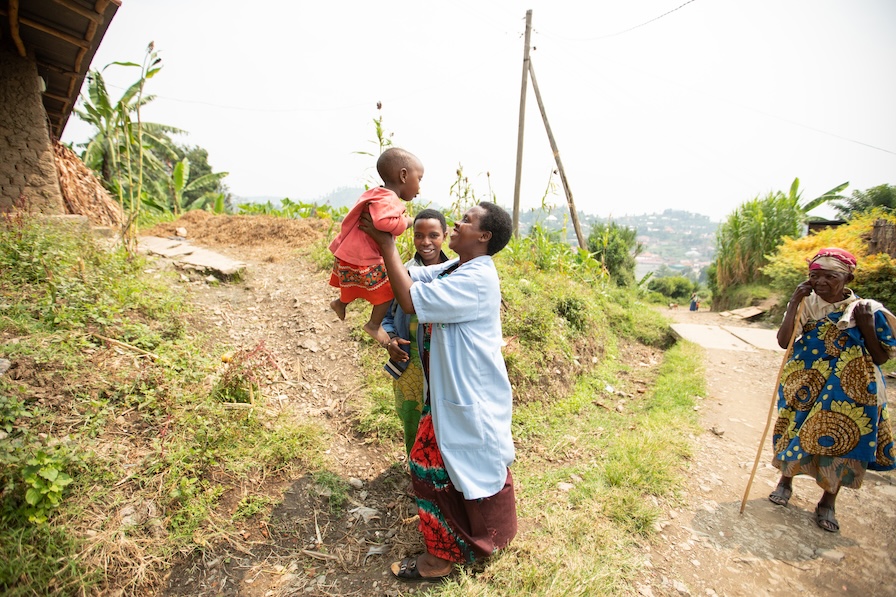
In Madagascar, more than three quarters of the population live in rural areas, often far from health facilities. Through the PluriElles project, community midwives are deployed to these underserved areas to provide women with care close to home, including antenatal consultations, safe deliveries, HIV screening and cervical cancer screening.
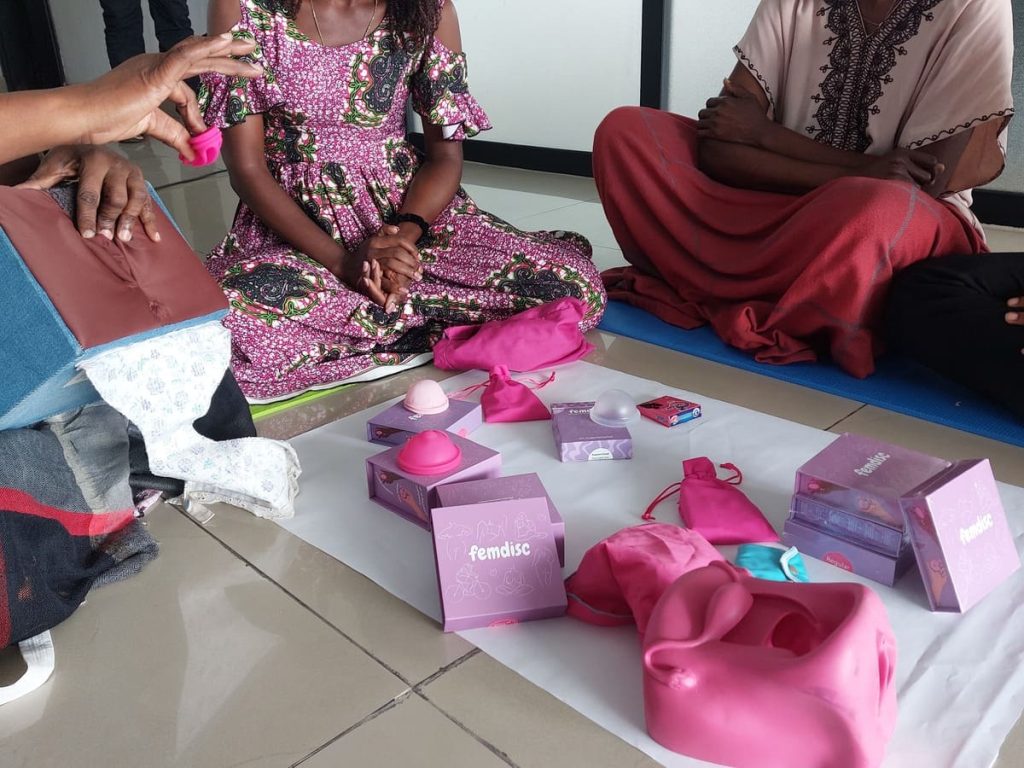
POUVOIR+: delivering integrated health services for key populations in Côte d’Ivoire
Going beyond HIV, the POUVOIR+ project brings together sexual and reproductive health, mental health and gender-based violence services to better address the intersecting vulnerabilities faced by key populations. Kouassi Noël N’Guessan, Solthis’ Sexual and Reproductive Health and Rights Project Coordinator, explains why effective responses must be grounded in people’s rights and lived experiences, with peer educators playing a central role.
Making civil society a driving force in health governance
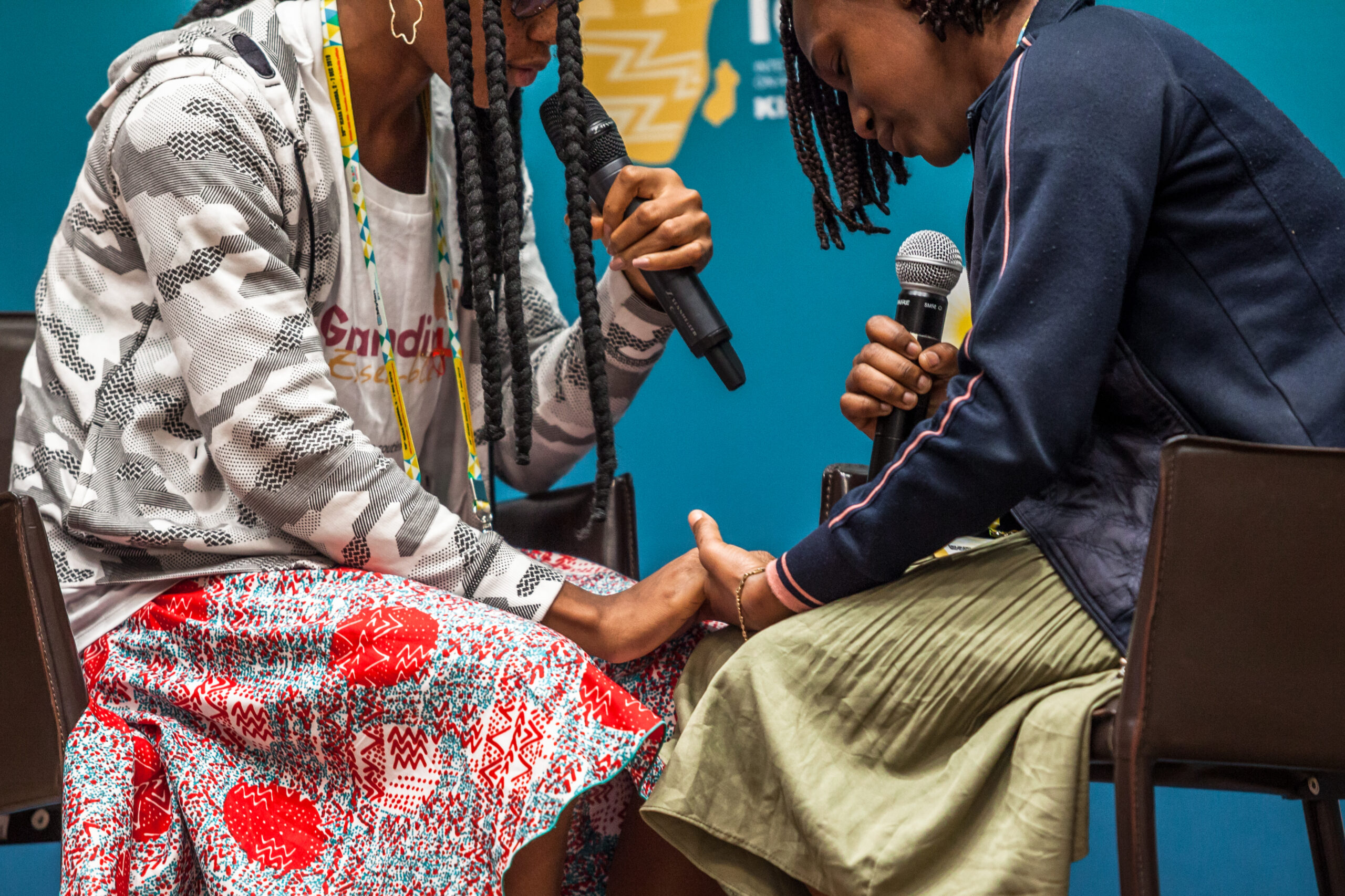
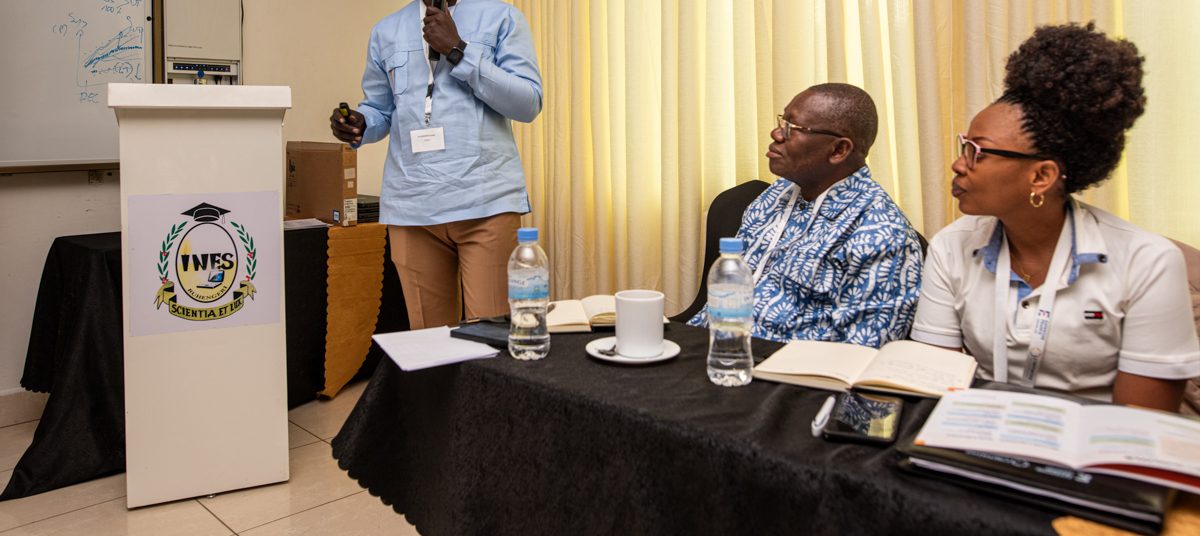
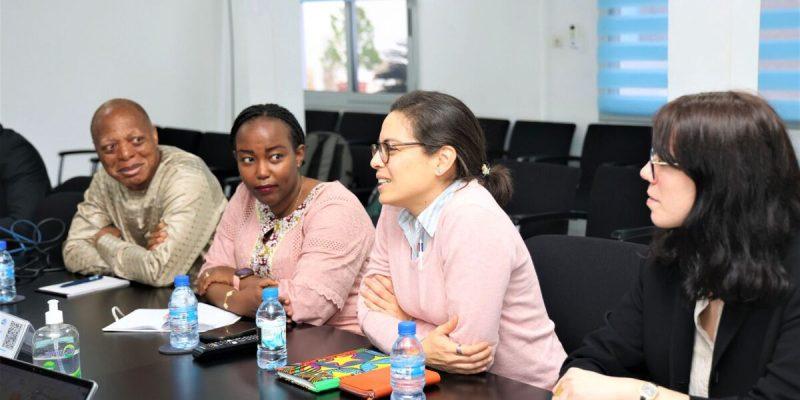
As international funding declines, civil society has an increasingly important role to play in ensuring that the voices of affected communities are heard in decision-making processes. L’Initiative supports civil society organisations by strengthening their capacities, advocacy efforts and participation in governance mechanisms, enabling them to help shape health policies and represent the needs of the communities they serve.
In the MENA region, the FORSS2 programme, implemented by Solidarité Sida, takes this approach one step further. By documenting the real barriers people face in accessing healthcare—including discrimination, costs, the quality of care and mental health—it transforms the lived experiences of people living with HIV into robust evidence that can inform dialogue with public authorities and help improve health services.
Adapting HIV care across every stage of life
Thanks to antiretroviral treatment, people living with HIV are now living longer and healthier lives. But their healthcare needs evolve over time—from early infant diagnosis and disclosing HIV status to children, to adolescence, sexual and reproductive health, ageing and the management of comorbidities. L’Initiative supports tailored approaches at each of these key life stages to strengthen continuity of care and improve quality of life for people living with HIV.
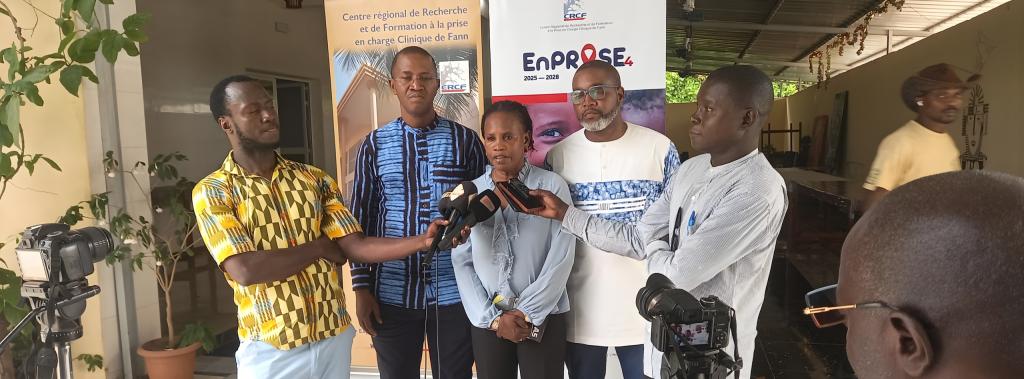
EnPRISE 4: supporting young people living with HIV at every stage of their journey in Senegal
In Senegal, the EnPRISE 4 project is scaling up nationwide a model of paediatric HIV care that combines strong biomedical outcomes with comprehensive social support, including therapeutic education, peer support groups and assistance with school attendance. Around 160 health facilities are involved.
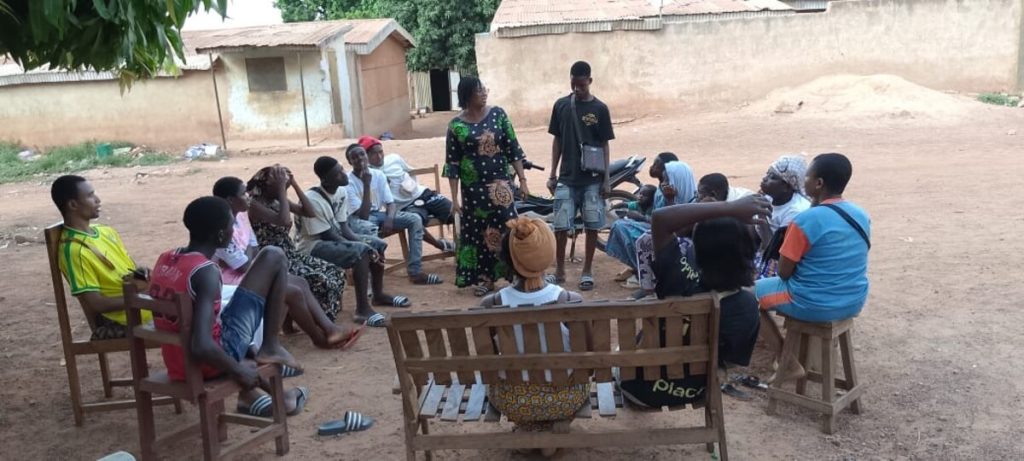
PRESERV 2: when families become partners in care for children and adolescents living with HIV in Côte d’Ivoire
In Bouaké, the PRESERV 2 project places families at the heart of care for children and adolescents living with HIV. Lambert Douat, Project Coordinator at Centre SAS, explains how combining clinical follow-up, psychosocial support and family involvement helps improve treatment adherence and viral suppression, despite the challenges of HIV status disclosure and persistent stigma.