
Preserving gains, strengthening responses
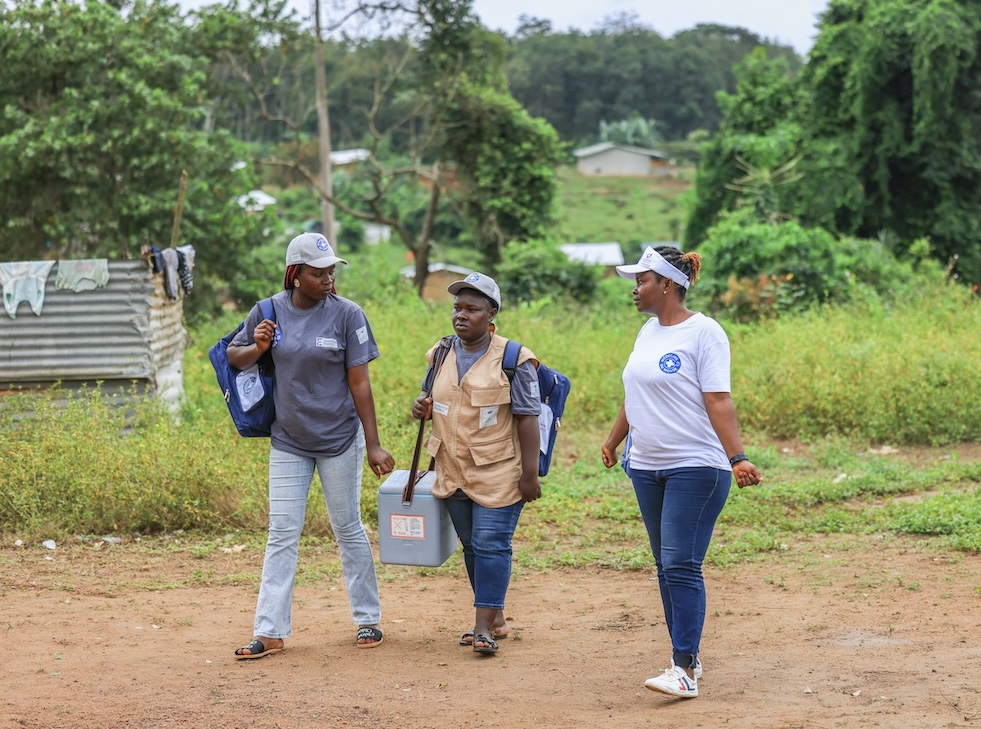
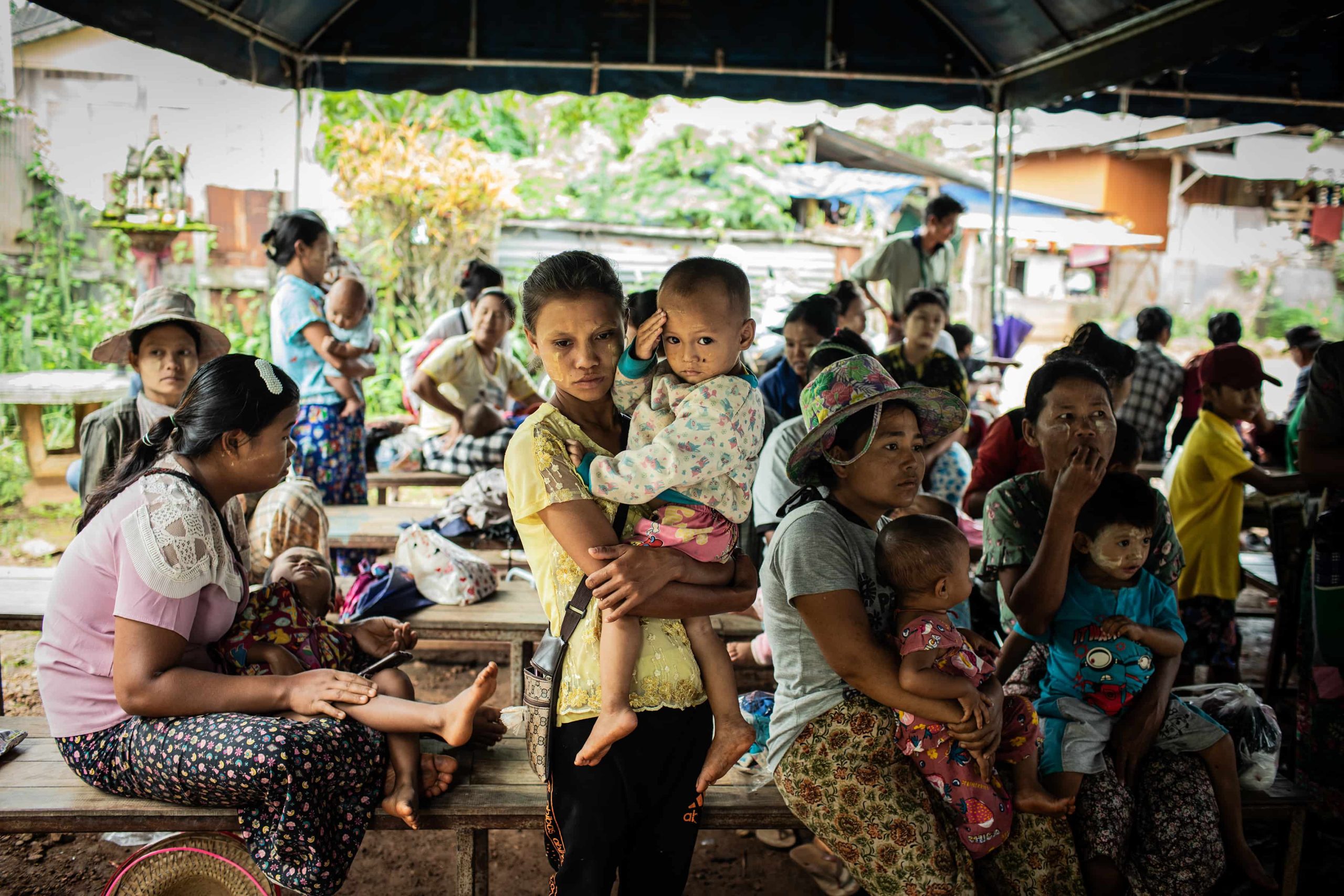
In 2025, against a backdrop of declining funding and a weakening multilateral system, L’Initiative maintained an unprecedented level of activity while refocusing its support on the most critical interventions. Ensuring continuity of essential health services, strengthening national capacities, supporting community health workers and adapting responses to crises remained at the heart of its action. This year once again demonstrated the importance of embedding health responses sustainably within countries.

+11 200
health professionals trained

585 000
people had access to health services

+35 000
people benefited from rights-based services
Strengthening human and institutional capacity
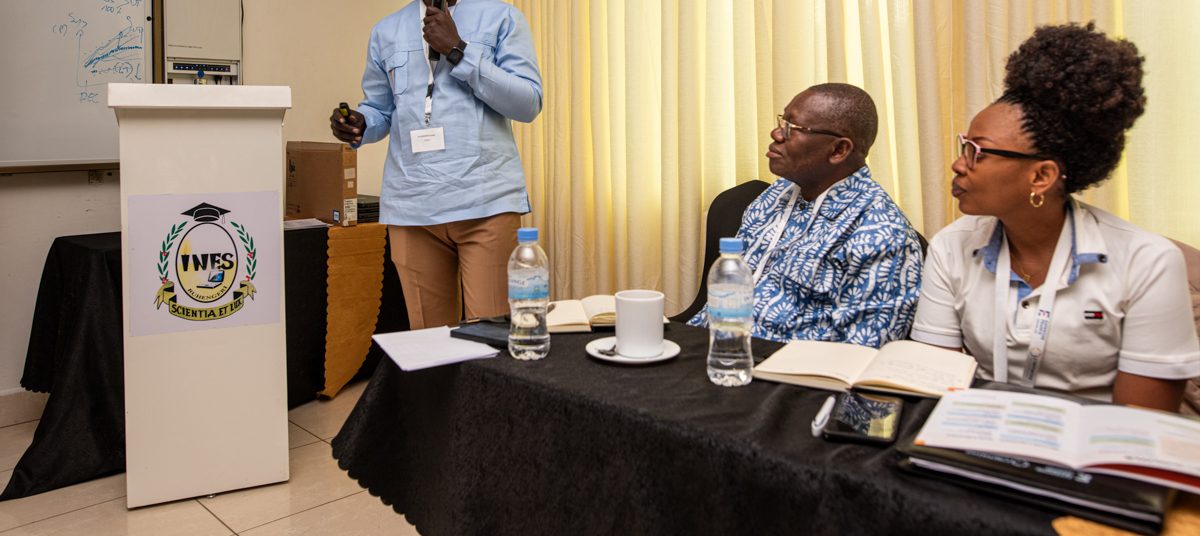
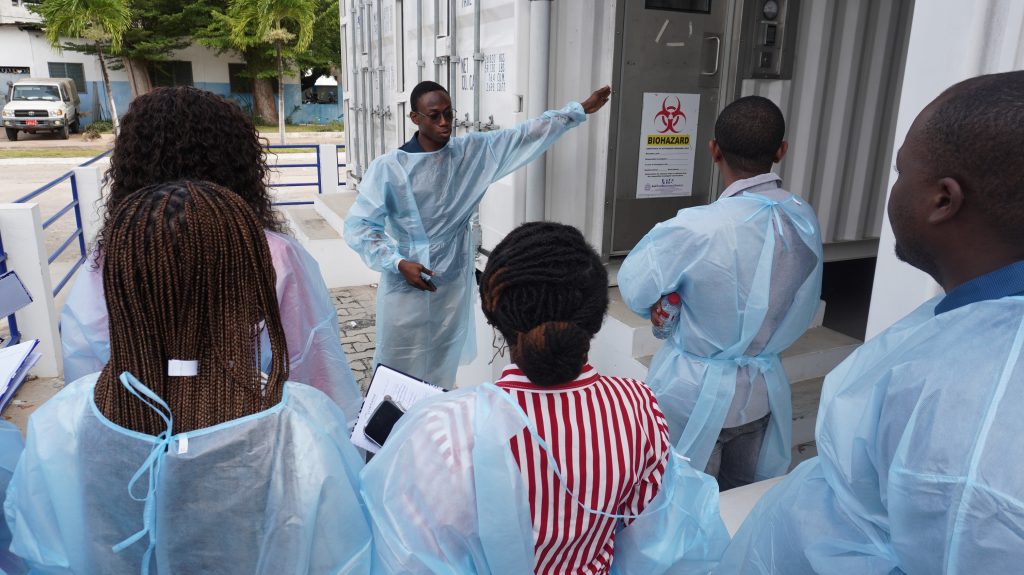
Building stronger health systems begins with investing in the people and institutions that sustain them. In 2025, L’Initiative supported countries in adapting their financing, strengthening governance and coordination, and developing the human resources for health — three essential drivers of more autonomous and sustainable health responses.
Reaching those left behind
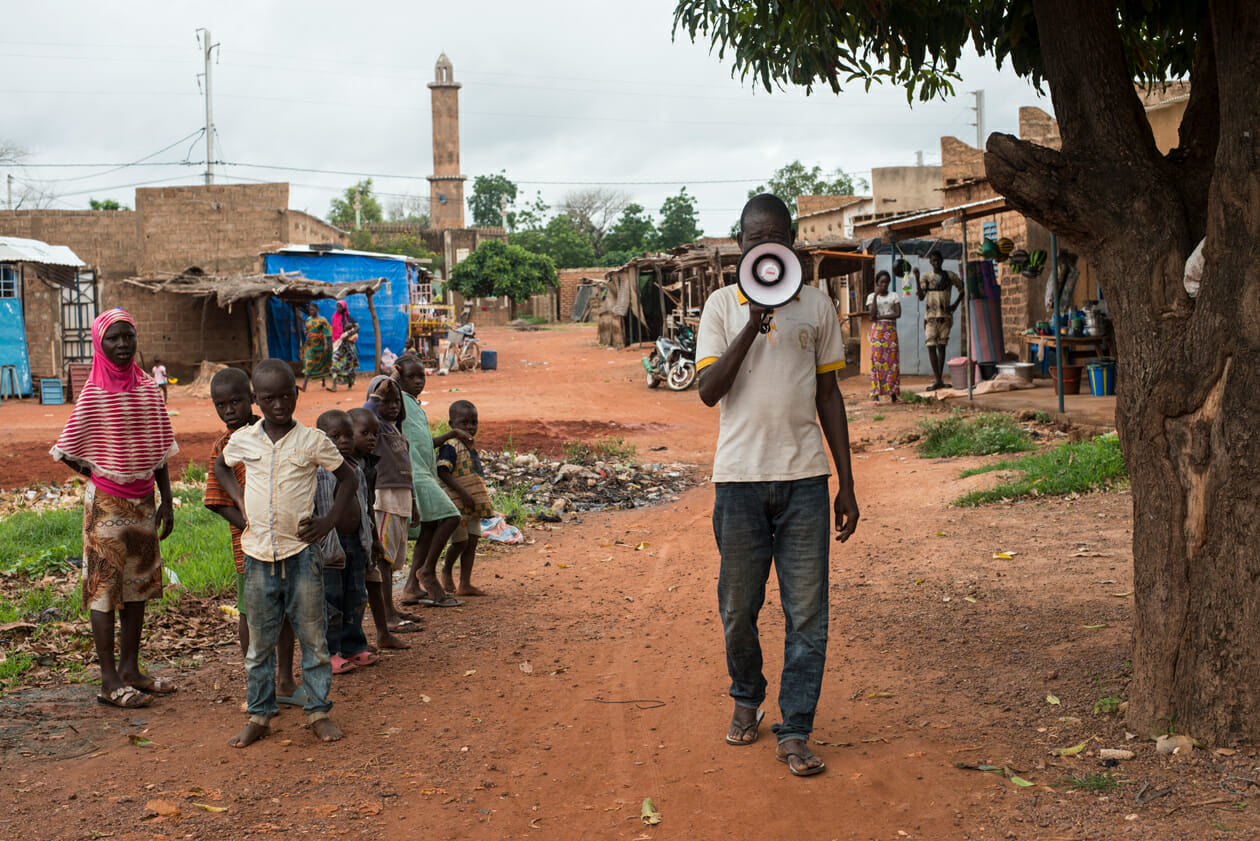
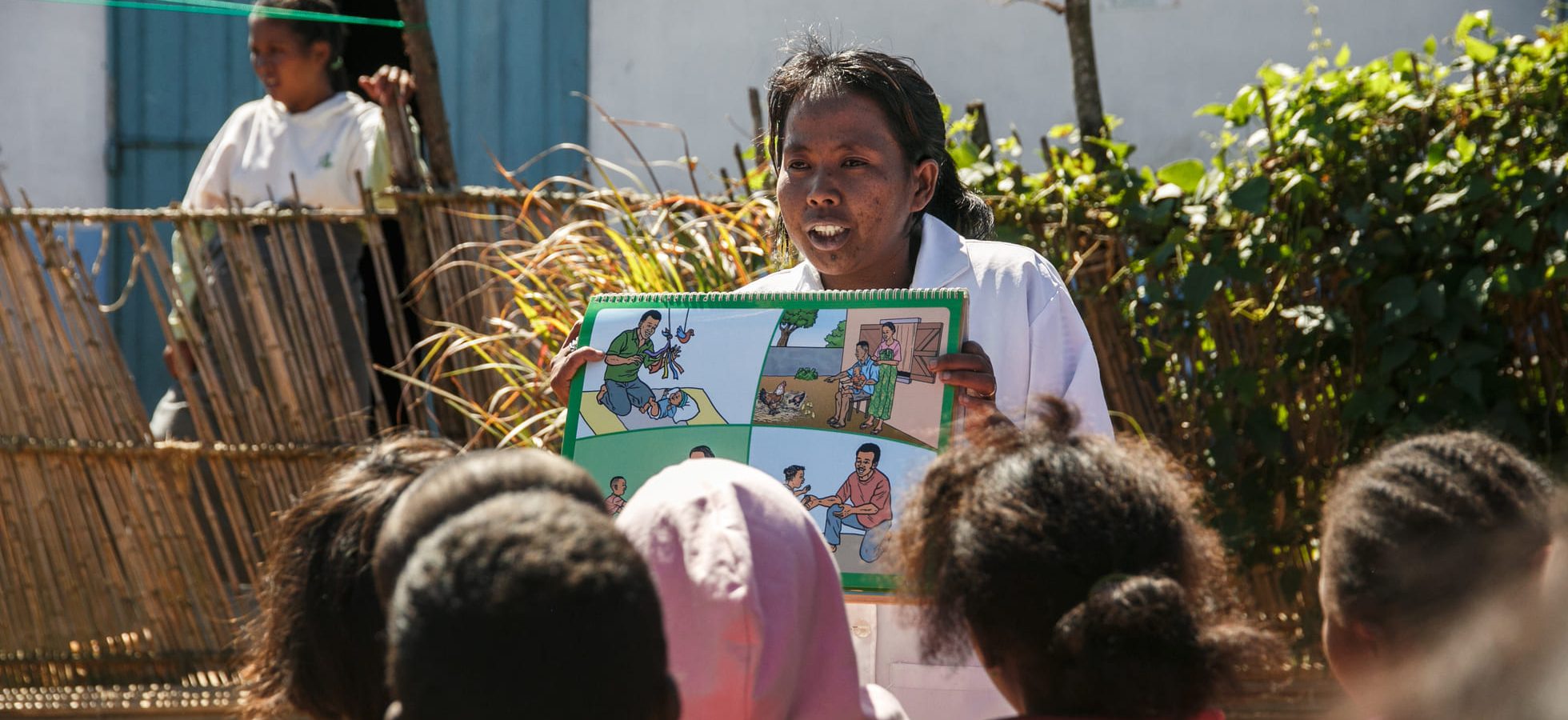
In 2025, L’Initiative continued its work in more than 30 countries, most of which are among the world’s most vulnerable. Preventing disruptions to care, reducing gender inequalities, strengthening civil society and adapting responses to life pathways were all central to ensuring that HIV, tuberculosis and malaria responses reached those who remain underserved by existing health services.
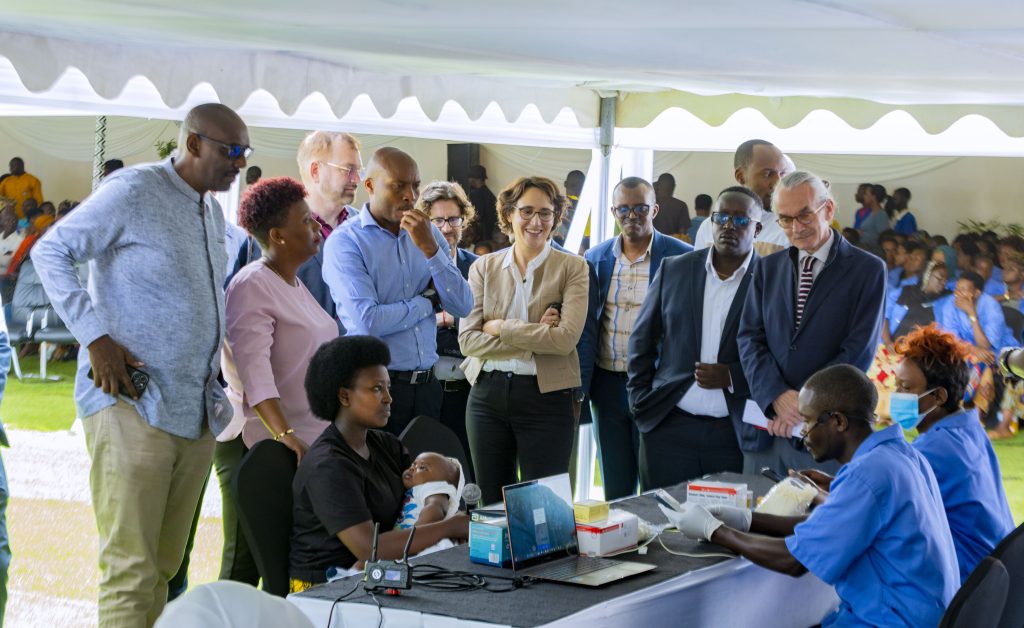
Innovating to improve care, even in the most challenging settings
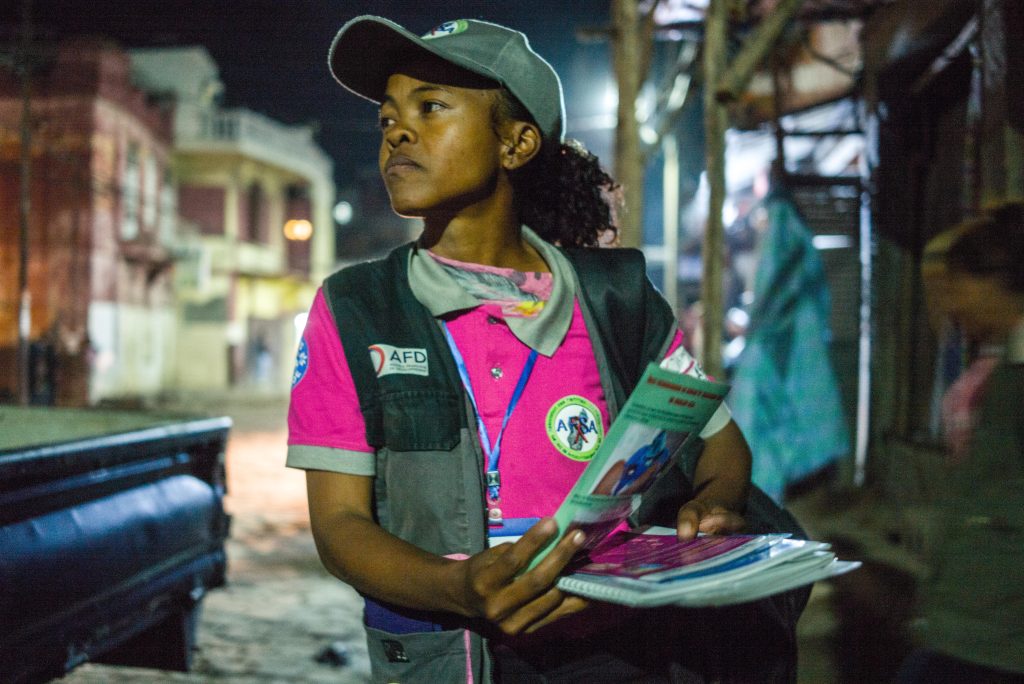
In 2025, L’Initiative continued to support operational research and innovation, recognising that reliable data and context-appropriate tools are essential to delivering quality care. In resource-constrained health systems, data use, digital solutions and integrated approaches help improve diagnosis, inform clinical practice and strengthen programme management.
Ten years of evaluation driving better action
Since its creation, L’Initiative has fostered a strong culture of evaluation, conducting more than 150 evaluations to improve its practices and strengthen accountability. In 2025, this approach once again demonstrated its value by informing strategic decision-making, documenting results and continuously improving interventions.