
Strengthening human and institutional capacities
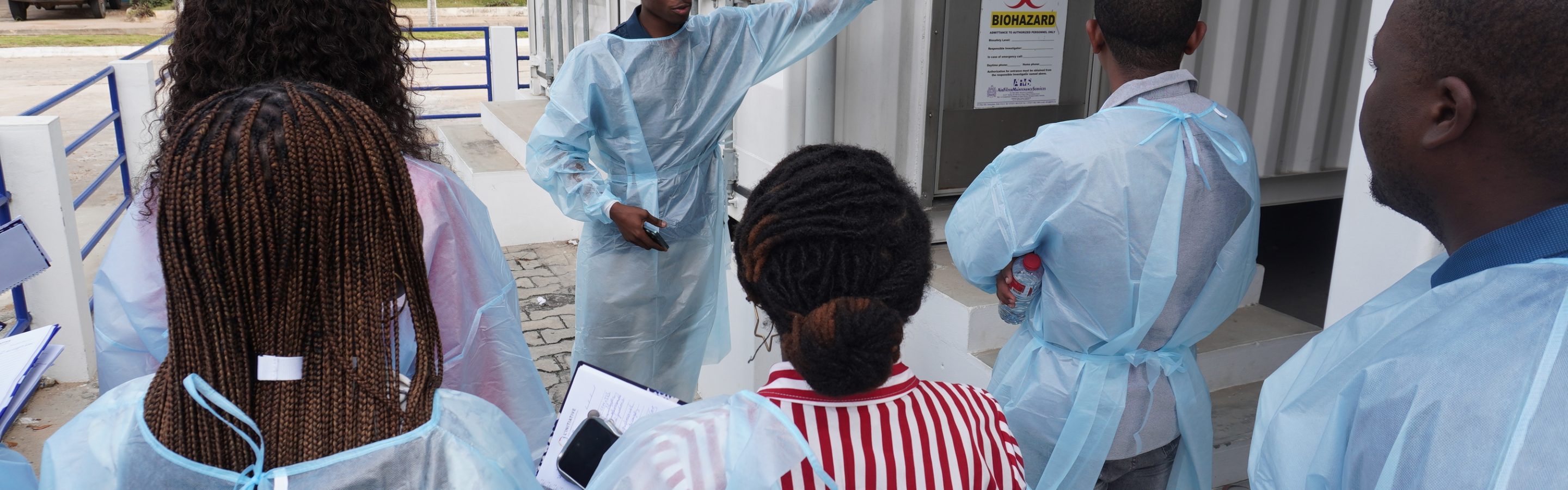
Strengthening health systems starts with investing in the people and institutions that keep them running. In 2025, L’Initiative supported countries in adapting their financing, strengthening national leadership and governance, and developing their human resources for health—three essential levers for building more autonomous and sustainable responses.

+ €2 M
additional funding mobilised from autumn 2025.

22 countries
supported in developing their national strategic plans and Global Fund funding requests.
Strengthening national monitoring of health systems
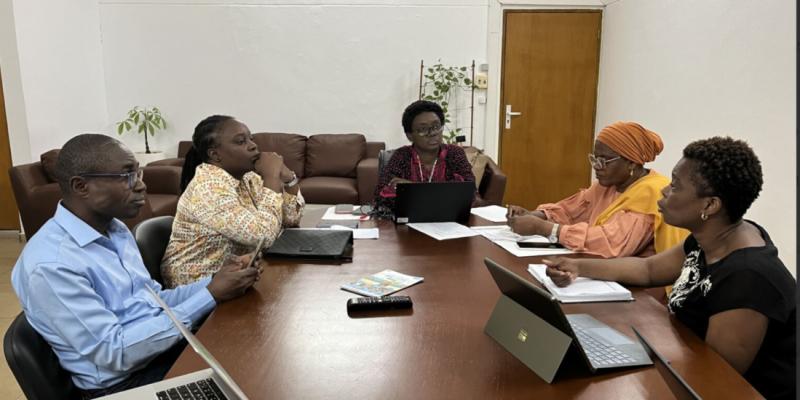
As international funding declines, countries are taking on greater responsibility for leading their health policies and managing their financing. Through its technical assistance mechanisms, L’Initiative supports this transition by working alongside ministries of health and national programmes to strengthen national leadership and ownership.
The Sahel Technical Assistance Mechanism, a regional technical assistance facility operating notably in Mauritania, is a good example of this approach. The Ministry of Health is gradually taking over the direct management of grants and leadership of financing, backed by stronger teams and more robust management tools.
Investing in human resources for health
In many countries, there are too few health professionals, and they are often concentrated in urban areas, leaving entire regions with little or no access to healthcare. In 2025, L’Initiative committed more than €17 million to three flagship projects in Rwanda, Madagascar and Chad to strengthen training, improve the distribution of health professionals and help governments sustainably manage their human resources for health.
The 4×4 Strategy: quadrupling the number of health professionals in four years
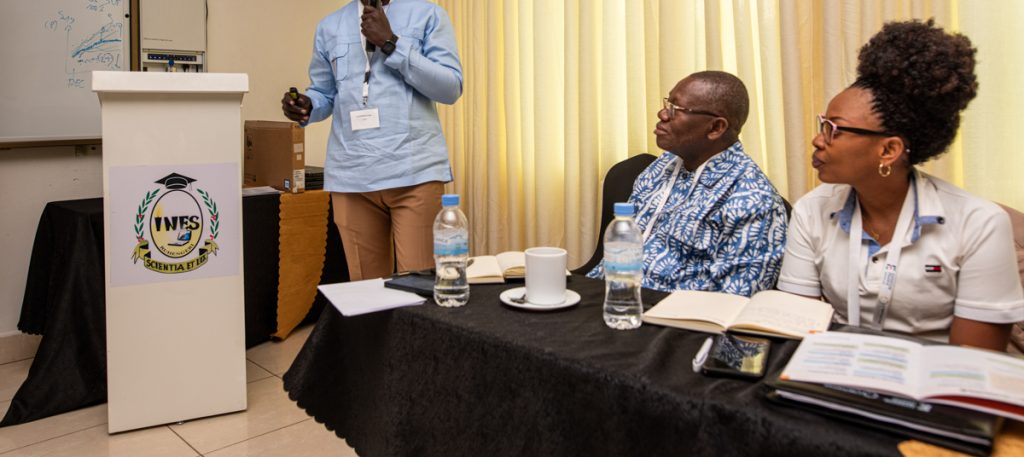
In Rwanda, there is just one qualified health professional for every 1,000 people, compared with the four per 1,000 recommended by the World Health Organization. To close this gap without compromising the quality of training, the country launched the 4×4 Strategy, an ambitious initiative to quadruple the number of trained health professionals within four years. Dr Nkeshimana reflects on the strategy’s objectives, its first results and the support provided by L’Initiative.
Bringing healthcare closer to women and children in rural areas of Madagascar
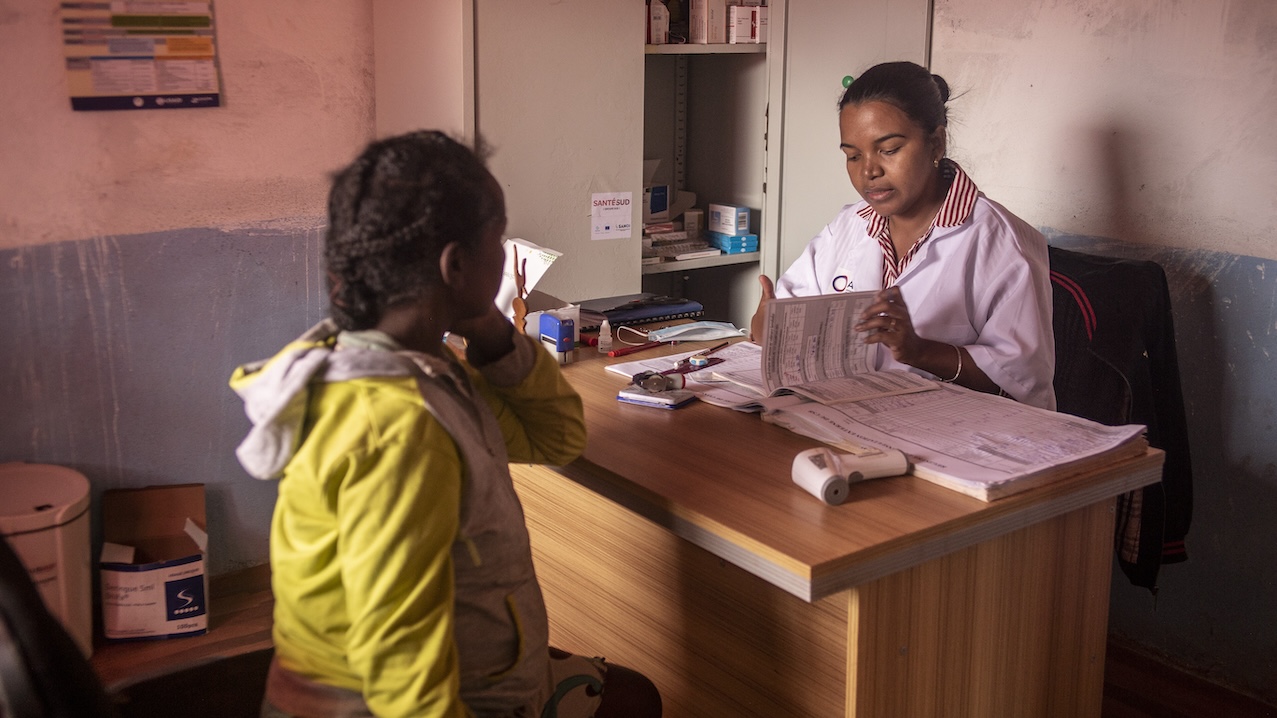
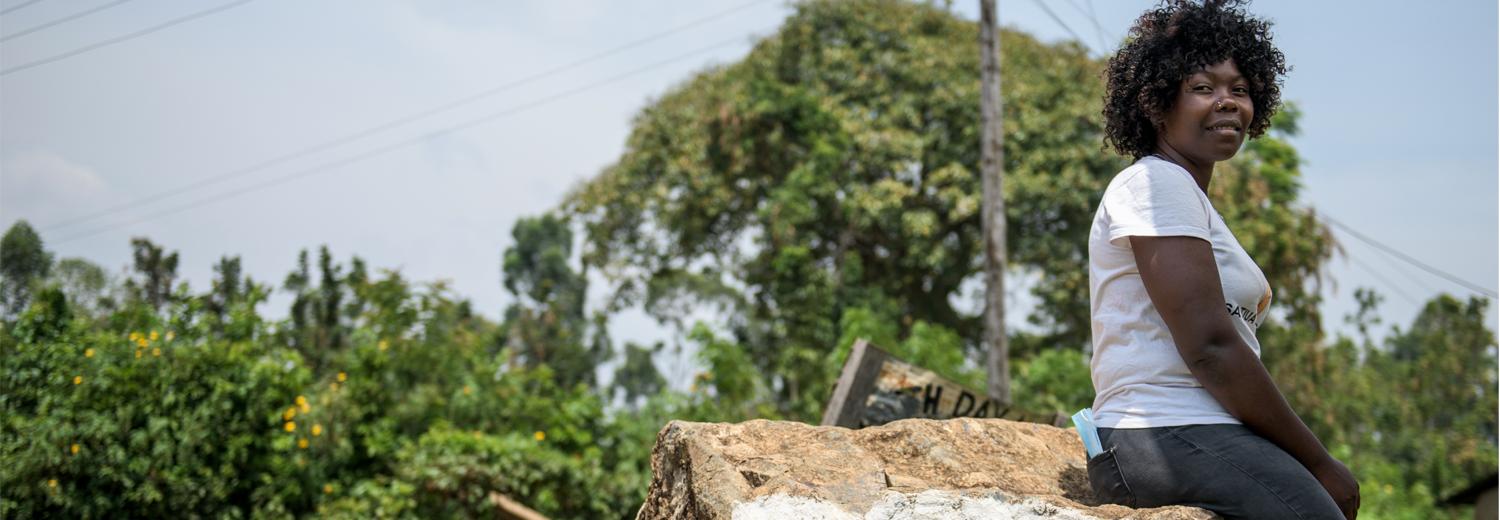
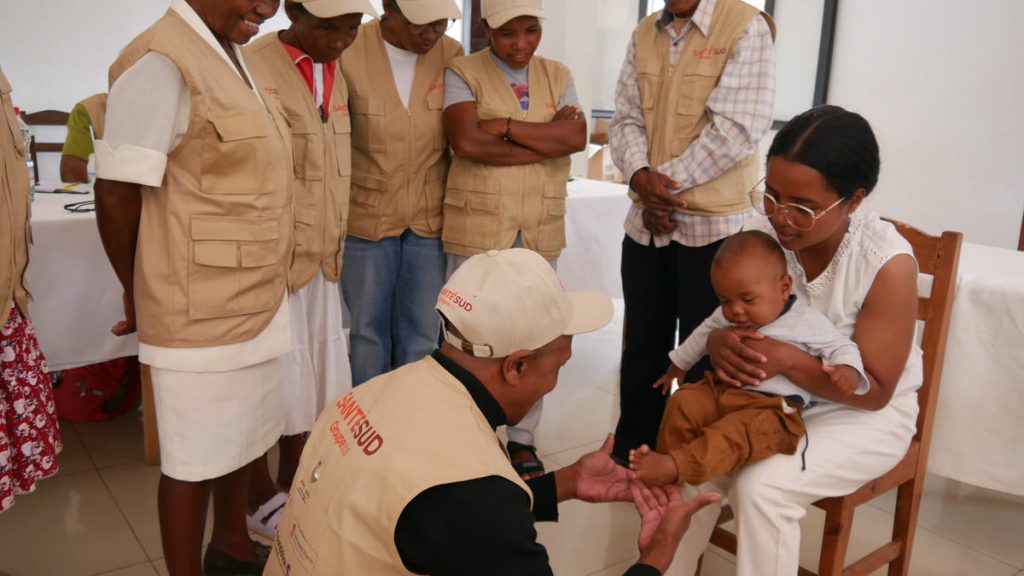
In Madagascar, more than three quarters of the population live in rural areas, far from health facilities. To bridge this gap, Santé Sud trains and deploys community midwives in villages where they are needed most. Niry Ramaromandray and Benjamin Soudier explain how training and embedding these professionals within their communities is improving access to maternal and newborn healthcare, as well as sexual and reproductive health services.
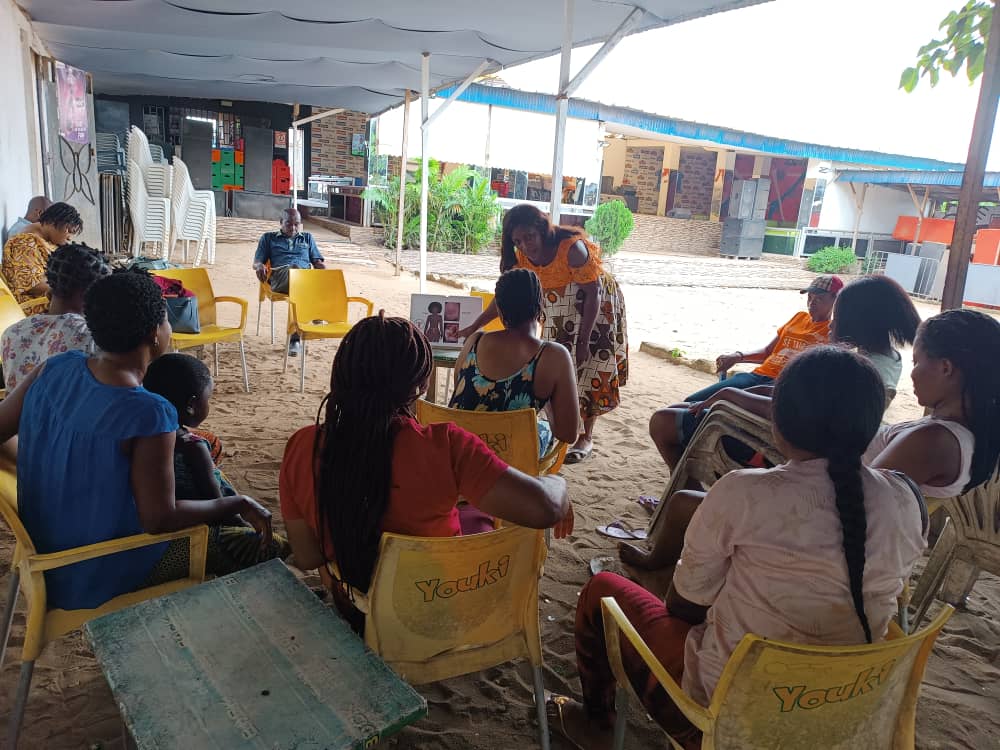
Cross-cutting evaluation: Health community
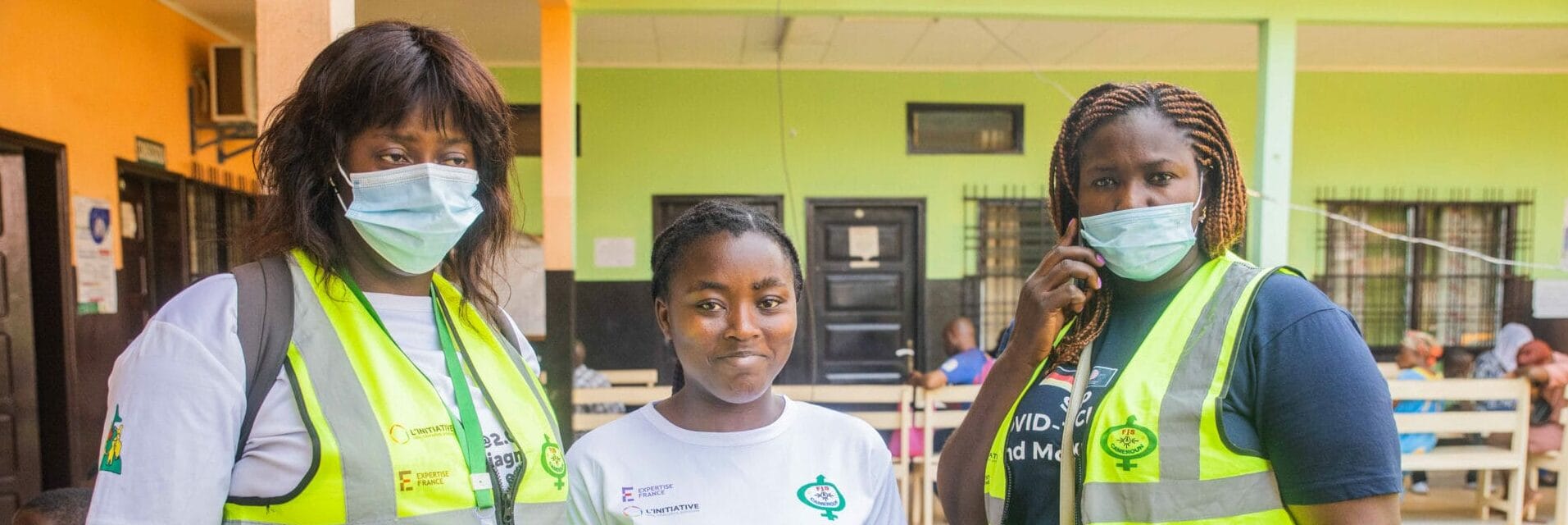
In remote areas and among the populations most exposed to disease, community health workers play a vital role in raising awareness, providing screening, referring people to appropriate services and supporting them throughout their care journey. Yet their work is still too often characterised by insecure working conditions and limited institutional recognition. L’Initiative supports efforts to better structure and professionalise community health. Its cross-cutting evaluation on health community highlights the central role played by community health workers and identifies the conditions needed to strengthen, professionalise and sustain these approaches over time. The evaluation also underscores the importance of fully recognising community expertise as a cornerstone of health policies.