
« In rural areas, bringing care closer starts with training and supporting health professionals »
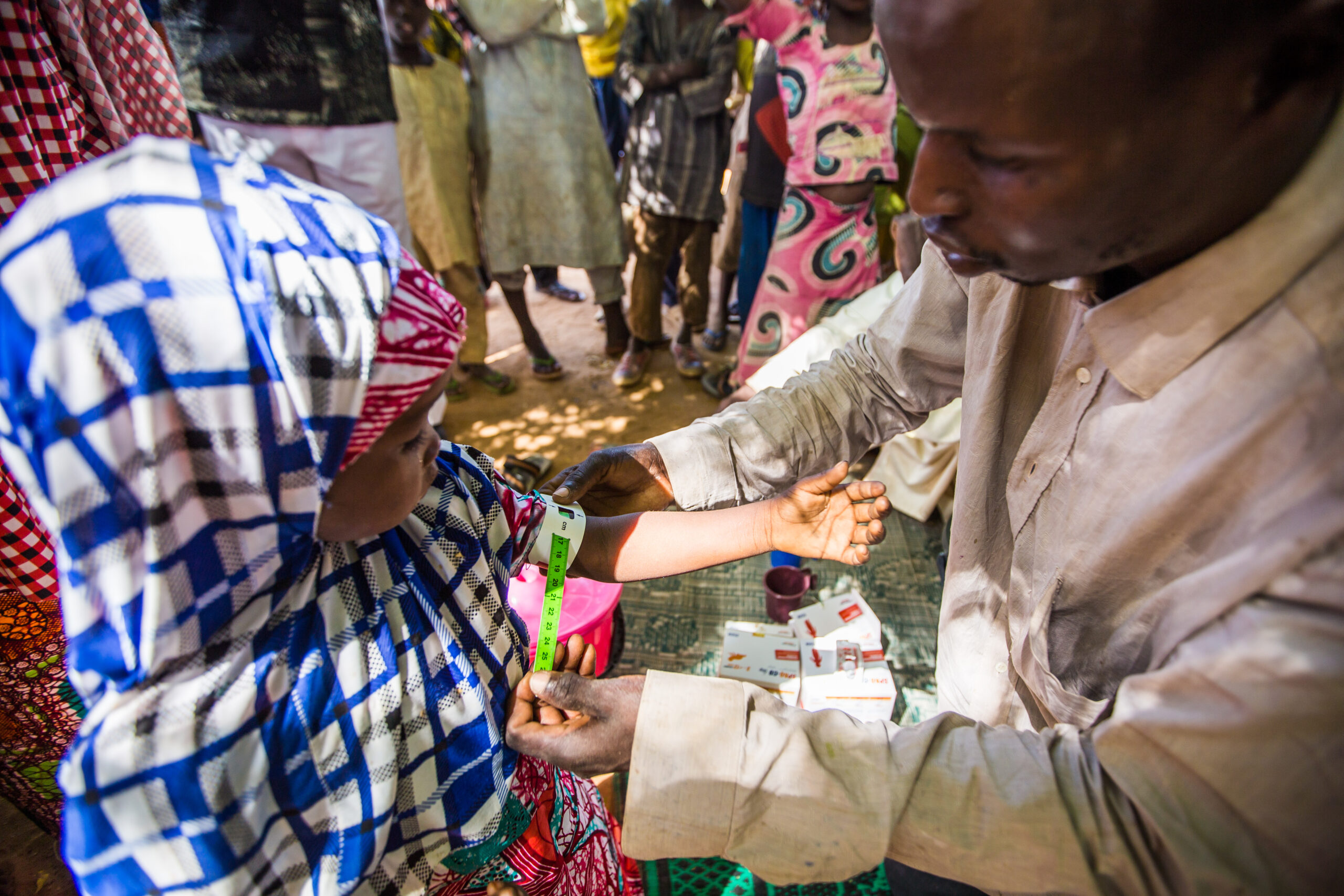
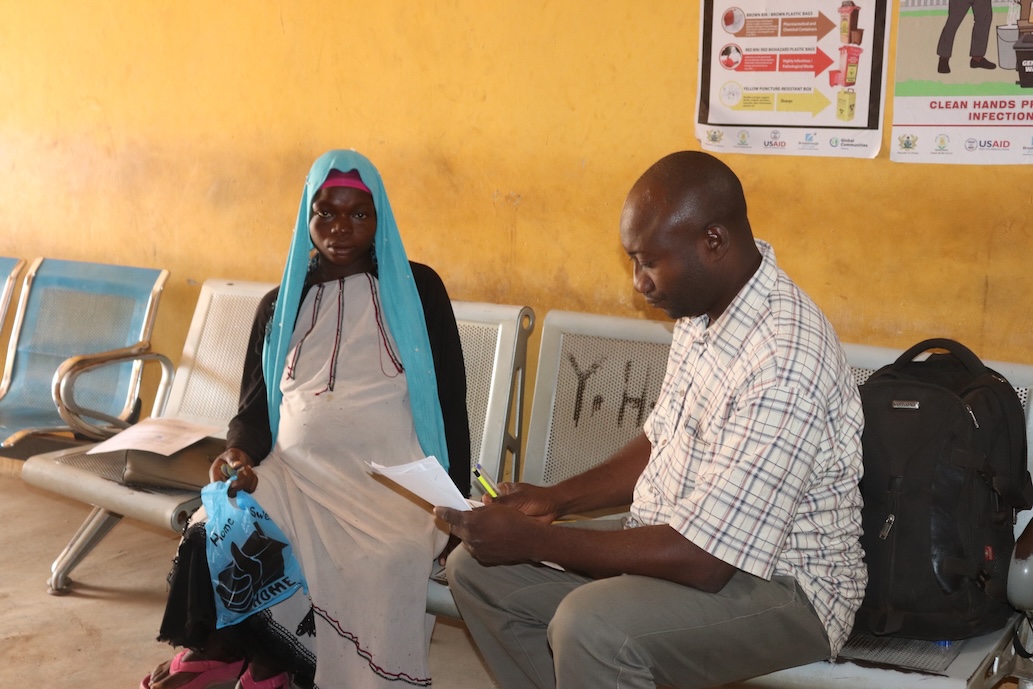
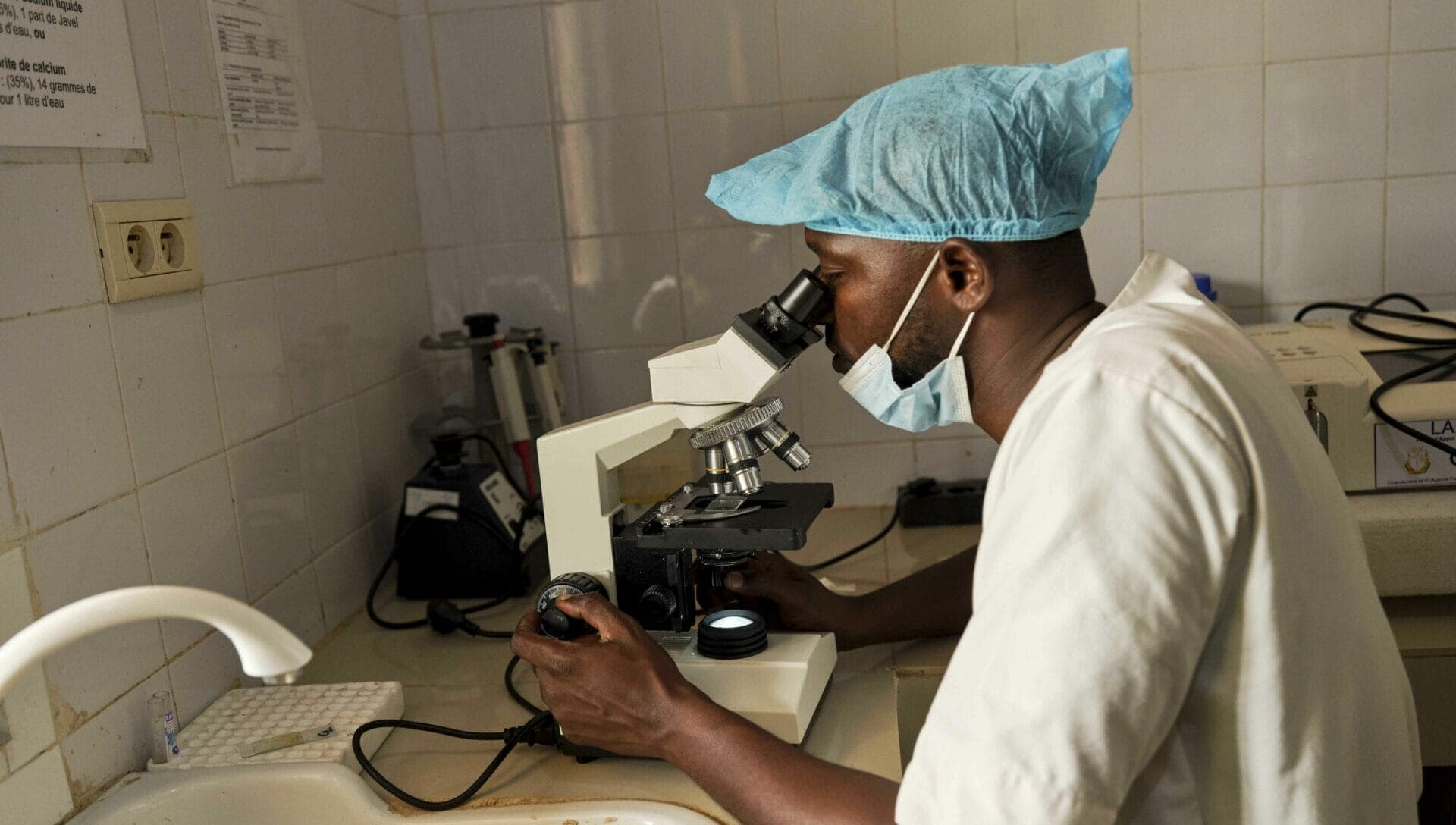
In Madagascar, inequalities in access to healthcare remain stark between urban and rural areas. Through PluriElles, Santé Sud supports the placement of community midwives in isolated areas, bringing them as close as possible to women and their families. The organization is also a partner in a broader project to strengthen human resources in health, centered on staff management and both initial and continuing training. Together, these two projects — supported by L’Initiative — raise a fundamental question: what does it take to build lasting community healthcare? To train, place, support, and recognize health professionals where the need is greatest. A joint interview with Niry Ramaromandray, Director of Santé Sud Madagascar, and Benjamin Soudier, Director General of Santé Sud.
With PluriElles, what changes concretely for women living in rural areas?
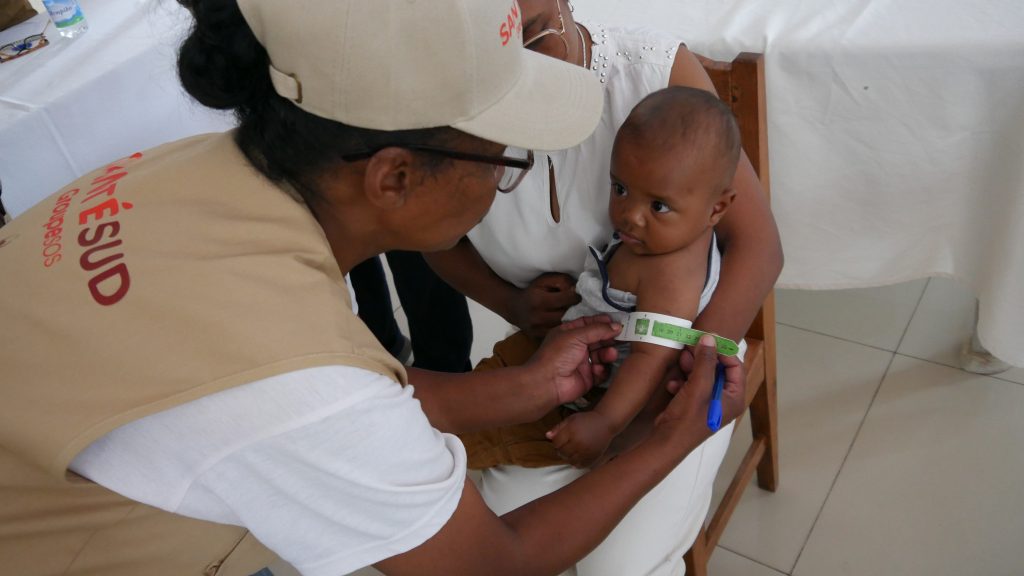
Niry RAMAROMANDRAY: First, they gain access to nearby health centers. They also receive quality care, because it’s delivered by qualified health personnel. And finally, they can access integrated healthcare.
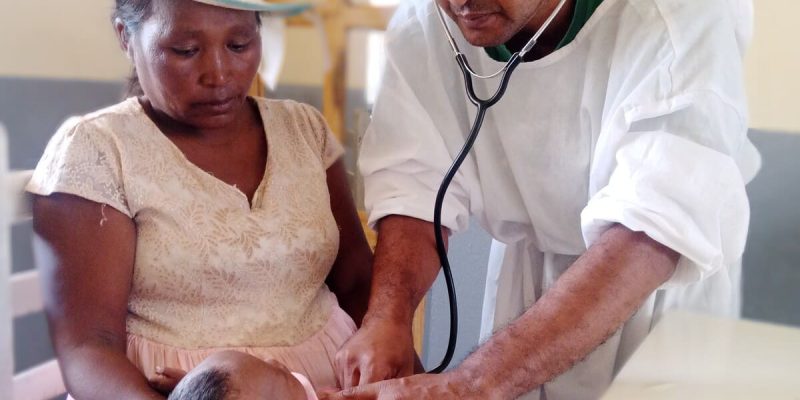
In practical terms, without community midwives, some women would have to walk at least two hours before reaching even a basic point of care staffed by a qualified professional. Now, the midwife is right there. She lives there, she practices there, and she builds relationships with the communities she serves.
Behind a midwife, there’s a whole continuum of care: maternal health, support for girls through to women of reproductive age and beyond, child health, and adolescent and youth health
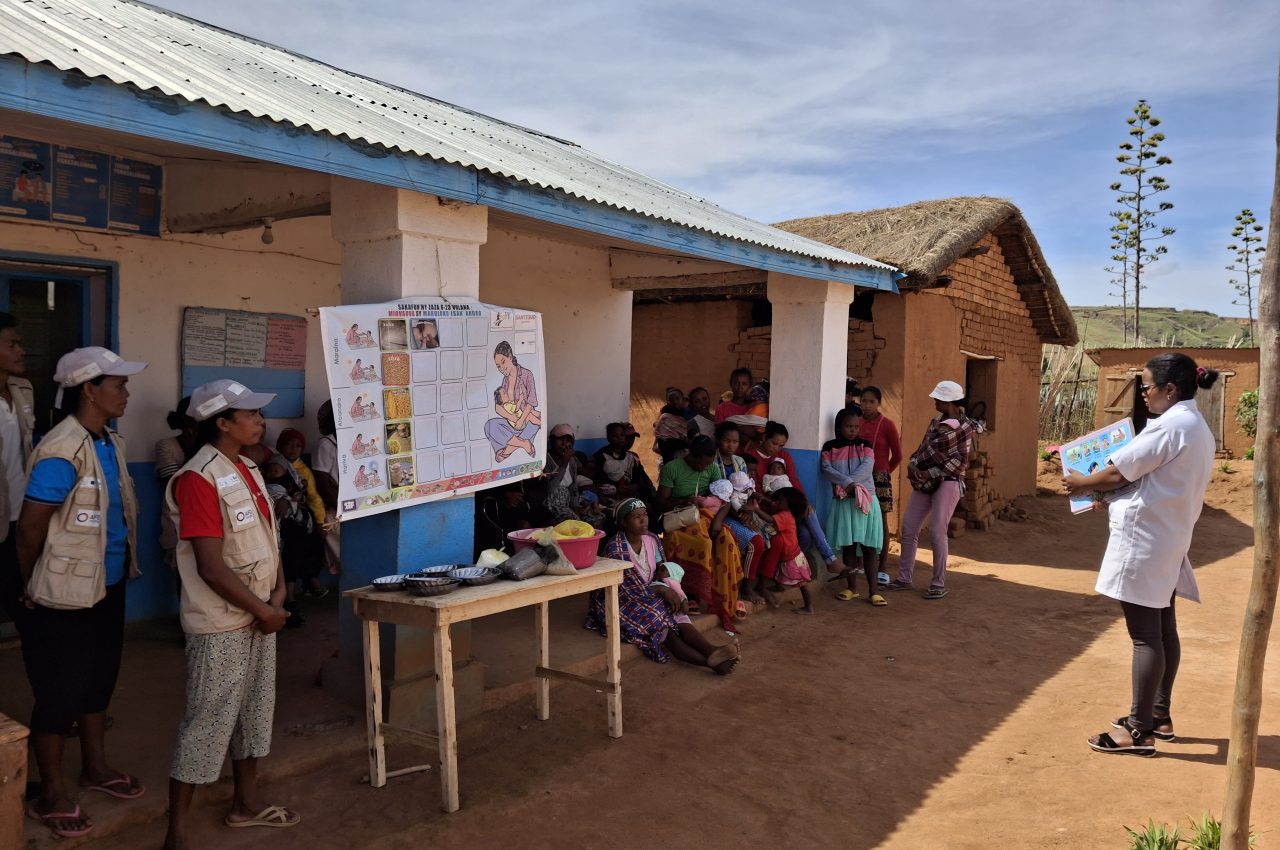
Benjamin SOUDIER: The midwives also work in partnership with communities, community health workers, and local bodies that reflect collectively on population health. Over time, these connections deepen health awareness and create small health hubs in these highly isolated areas — places where health is discussed, where projects are built together. That’s why we genuinely speak of community midwives.
How do you build that trust with communities?
Niry RAMAROMANDRAY: It starts well before the midwife arrives. It’s district health officers who have visibility over the gaps in the health map. Communities, working alongside them, raise their need for a healthcare provider.
On our side, we work with district and regional health officers. We ask which areas they identify as underserved, and which might be ready to welcome a self-employed midwife. Then Santé Sud, together with health officials, goes into the field to talk with communities and gather their perspective: Is this acceptable? Is it feasible? Does it respond to their needs? Can they provide a space?
The community always provides the premises — that’s a given. From there, we prepare for the midwife’s arrival. It generally takes twelve months to build those relationships with health services and officers before she arrives.
Before she’s placed, we also ask the midwife to go through that community tour herself — to interact directly: “Here’s the care I can offer. What do you think? Do you have other needs?” You can’t design or create this without engaging both the health system and the communities. Local health and administrative authorities are involved, as are community representatives. The need must be articulated and recognized as such.
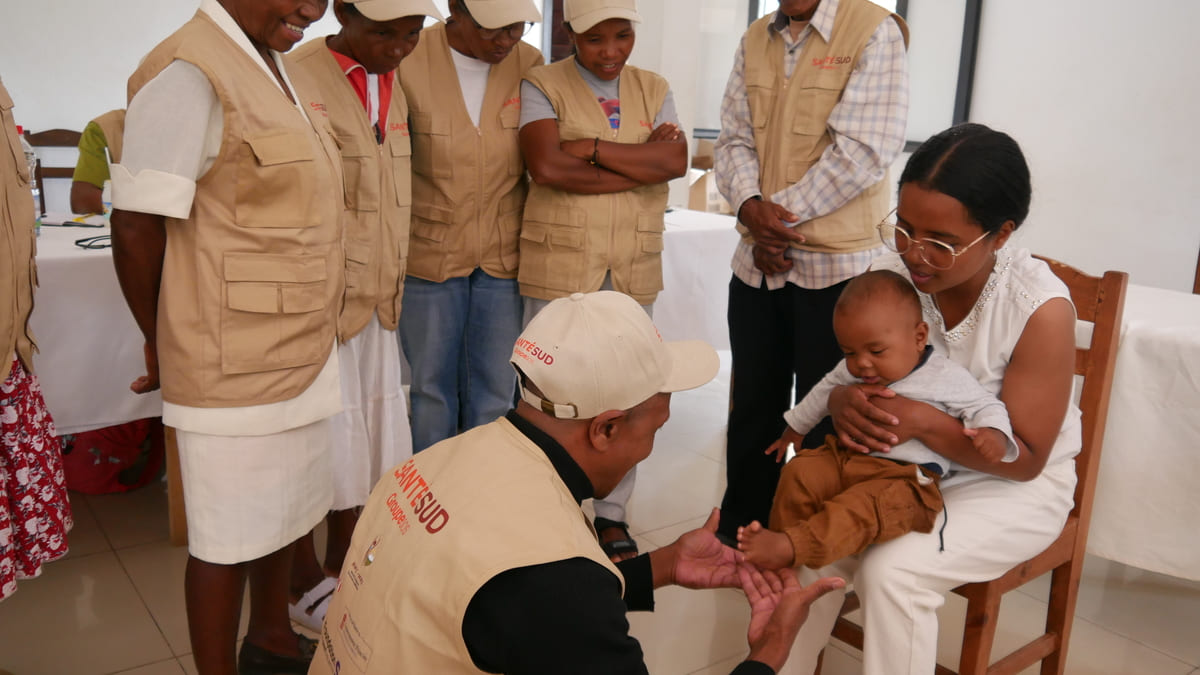
Benjamin SOUDIER: We also shouldn’t overlook the mobilization of community health workers. As soon as we receive a request, we identify community mobilizers in the area to explain the model to them. These relays can then prepare for the midwife’s arrival, announce it, and continue to play a role in awareness-raising, information-sharing, community liaison, and referrals to the birthing center.
Niry RAMAROMANDRAY: We also work with traditional birth attendants. In Madagascar’s rural areas, their role remains very significant and culturally supported. An approach that positions itself against the presence of traditional midwives simply doesn’t work. We prefer a complementarity model. We talk with them, for example about warning signs and danger signals during pregnancy, so they know when to refer someone to a health professional.
Why is an integrated approach so critical in areas where every consultation counts?
Niry RAMAROMANDRAY: We need to make the most of every encounter between a patient and the health system to address what can be addressed.
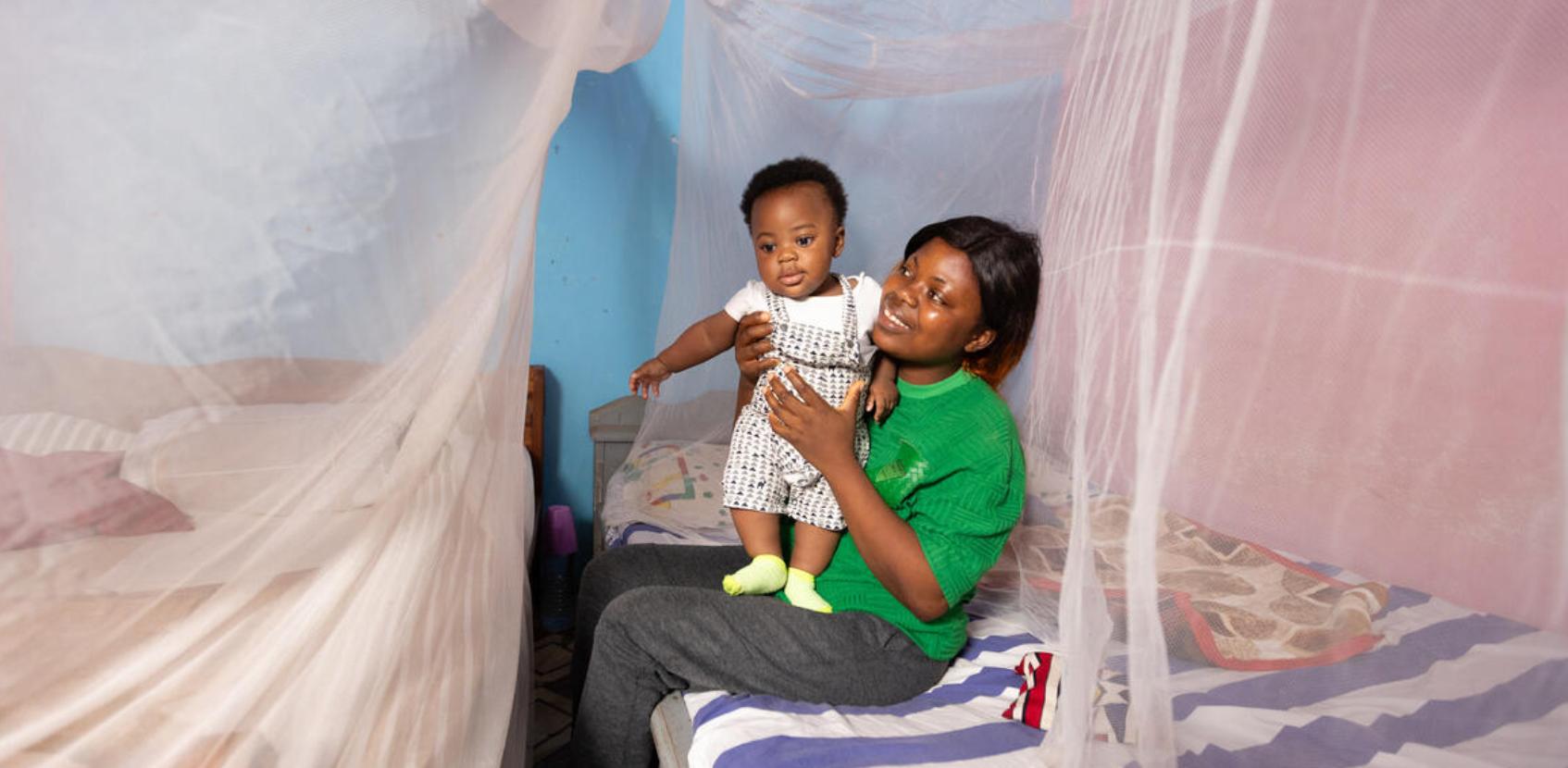
Someone might come in with a sick child. If the parents are there, we can also talk with the mother about family planning, cervical cancer screening, or other health topics. In the areas where we work, for example, malaria prevalence is high. Even in a routine consultation, when someone comes in saying “I’m not feeling well,” we can talk about prevention, treated bed nets, fever, testing, and free malaria treatment.
Integration means seizing every contact to address the health challenges present in that area. We don’t want to think in vertical programs. The vertical approach would be: “She’s brought in a child, so we manage the child’s illness and that’s it.” We have to look further. That contact with the health system matters enormously.
Benjamin SOUDIER: This is also embedded in the practice of community doctors whose placement Santé Sud has been supporting for 40 years. We’ve always defined them as general practitioners, but also as public health physicians — they wear both hats. Midwives do too. The logic is: treat the reason the person came, then move on to prevention, information, and awareness.
In what sense is PluriElles also a health human resources project?
Benjamin SOUDIER: Placing community midwives is part of a broader, longer-standing practice at Santé Sud: supporting the placement of health professionals in rural areas. Historically, this mostly involved doctors. The concept is the same: go to the communities, find out whether they want to welcome a doctor — or now, a midwife. You don’t just parachute someone in.
We then conduct a medical-economic assessment to understand the population’s needs and financial capacity, since these professionals work on a self-employed basis. Santé Sud provides start-up support, particularly for equipment. The community finds the space for the practice and the living quarters. Then the doctor or midwife is supported for at least three years, with mentoring, supervision, continuing training, and ongoing assistance.
Over our history, we’ve placed 500 doctors this way in Mali, Guinea, Benin, and Madagascar, with average tenures of ten years — sometimes twenty. In Madagascar alone, we’ve placed 100 doctors, and around forty are still practicing today.
Niry RAMAROMANDRAY: For the community midwives, we started in 2019. There are now 30, spread across two zones: one region in the central highlands and one in northern Madagascar. Each serves around 2,000 people within a five-kilometer radius — roughly 60,000 people in total.
How does that experience feed into the broader work on training and supporting health professionals in Madagascar?
Benjamin SOUDIER: Santé Sud has another consistent thread running through everything: training and capacity-building for health professionals. That involves theoretical training, but also a great deal of on-site mentoring. It’s present in all our projects, including PluriElles — through supervision visits, ongoing training, and follow-up. The idea is to strengthen continuing education, which is often out of reach for health professionals in the areas where we work.
Niry RAMAROMANDRAY: The RHS Madagascar project has its own specific focus areas, but draws on the same philosophy. Mentoring, for instance, isn’t necessarily a term the Ministry of Health incorporates into its continuing training and monitoring frameworks — it tends to speak of supervision. But supervision often comes down to numbers. In mentoring, we ask the question of why: why are we doing this, and what impact do we expect, if care is meant to be centered on the person being treated?
We’re used to working with community doctors and midwives in private practice. With RHS Madagascar, we’re also trying to adapt some of these approaches to the public sector, taking its structures and usual frameworks into account.
One important focus is the regional training offices, which are responsible for the continuing education of health workers. Before bringing in training, we want to start from a needs assessment. Right now, training tends to be vertical, shaped by funders’ priorities. We’d rather surface a range of needs from the ground up and build a training plan from there.
We’ve also observed through PluriElles that some staff at basic health centers — the CSBs — were sometimes less supported and less trained than our own community midwives. That raises a real question: if that accompaniment is necessary for community midwives, it’s equally necessary in the CSBs.
In this human resources work, why isn’t training enough without on-site support?
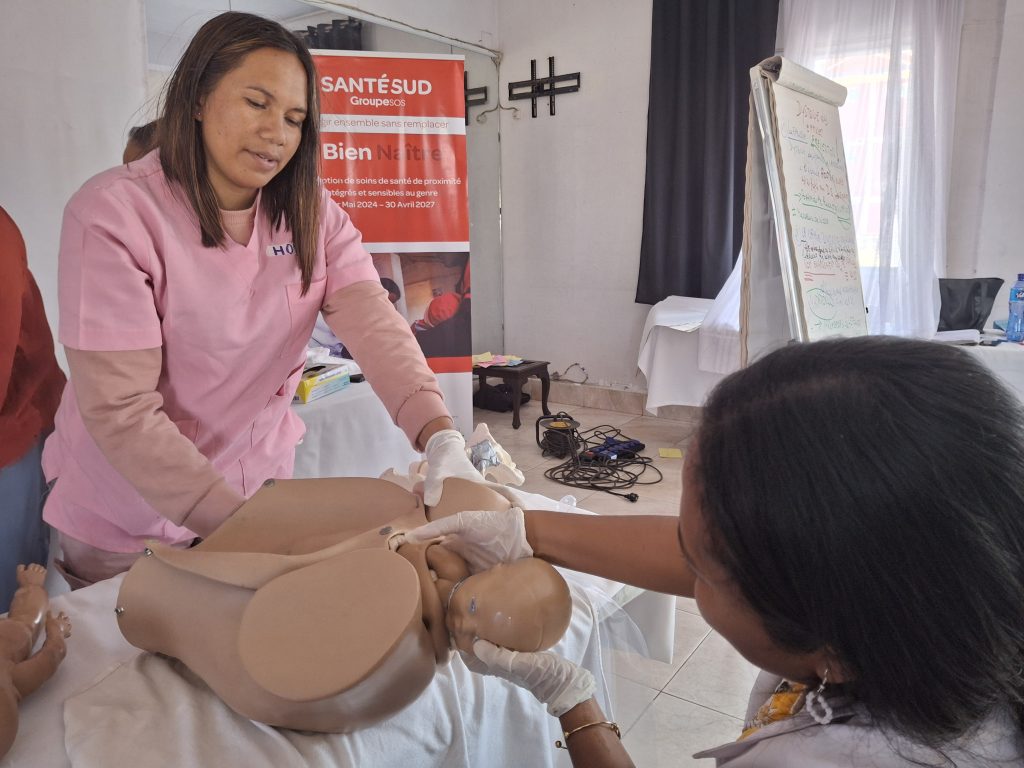
Benjamin SOUDIER: Mentoring means bringing in expertise — primarily national, but potentially international. The expert goes to a health center, a health post, or a hospital, and works side by side with the professionals there. They don’t operate, they don’t provide care in place of the local staff. They observe how things are done, then guide and accompany.
This can be very clinical, but it can also touch on professional conduct: informed consent, confidentiality, the relationship with the patient’s body. It can also be organizational: rethinking a patient flow, reorganizing a laboratory, improving reception.
Our founding principle is to act without replacing. We never provide care in place of the caregivers. We stand beside them — to guide, to support, to answer questions. It’s a very hands-on form of continuing education.
Niry RAMAROMANDRAY: An important dimension of mentoring is that expertise is co-held. The expertise of the field belongs to the person already working there and providing care. The expertise brought from outside offers a different perspective — a dialogue between equals. That’s what mentoring is: “Here’s how I see it. What do you think?” That’s essential for contextualizing knowledge and building a genuine process of change.
How do you move from a project that works to a model that lasts?
Benjamin SOUDIER: We’ve already documented lessons from PluriElles — particularly the practical side: how to place a midwife, how to integrate her into a network. We’ll continue building on that.
At Santé Sud, we’re convinced this is a genuinely good response in communities where there’s both an economic capacity and an expressed need. We also know it wouldn’t work everywhere, because some populations simply couldn’t afford to pay for care. In those cases, this isn’t the right solution.
But when the conditions are in place, patient pathways improve significantly. It’s a model that deserves to scale. We’re currently looking at research to build the evidence base for it. Producing epidemiological impact data in small villages with small samples isn’t easy. But with more qualitative methods, we can demonstrate the effects and the impact of the approach.
The goal isn’t for Santé Sud to place 3,000 midwives across Madagascar. It’s for public authorities to take ownership of this — just as they have with community general practitioners.
Niry RAMAROMANDRAY: What comes through in our way of working is the autonomization of the model. It happened with community doctors. We’re now working on it with community midwives. And the Ministry itself is reflecting on how to set up an autonomous framework.
Our projects need to offer a model that can outlast Santé Sud’s presence. With continuing education, we’re also working toward empowering the regional training offices — genuinely putting them in their rightful place. It’s not just about them being beneficiaries; it’s about them becoming actors. Whether Santé Sud is there or not, they’re the ones who remain. That’s where our principle of “acting together without replacing” finds its fullest meaning.
What do these projects tell us about the choices that need to be made today to strengthen rural healthcare access?
Benjamin SOUDIER: The midwifery program also grew out of a specific observation: there are many trained midwives in Madagascar today — largely through private training institutions — who can’t find employment. Some are working as volunteers in health centers while they wait for something else to come along.
We’re offering a practical solution: there are trained health human resources, and there are enormous needs in isolated areas where women have no access to care. So let’s go. What are we waiting for?
It’s not about dropping professionals somewhere, but about placing them in connection with health centers, within the health system. There are resources. There are needs. It takes an upfront investment for premises and basic equipment. After that, you’re up and running — for at least ten years.